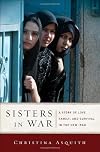
Sisters in War: A Story of Love, Family, and Survival in the New Iraq
by Christina Asquith
On This Page
Description
Caught up in a terrifying war, facing choices of life and death, two Iraqi sisters take us into the hidden world of women's lives under U.S. occupation. Through their powerful story of love and betrayal, interwoven with the stories of a Palestinian American women's rights activist and a U.S. soldier, journalist Christina Asquith explores one of the great untold sagas of the Iraq war: the attempt to bring women's rights to Iraq, and the consequences for all those involved.Tags
Recommendations

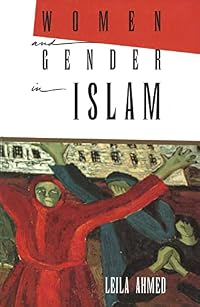


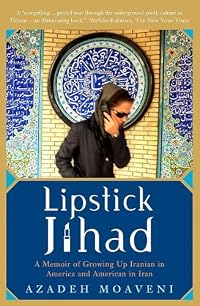
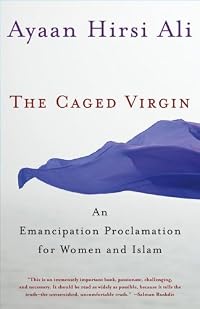
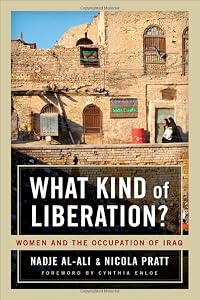
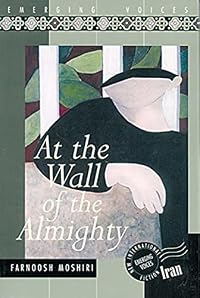
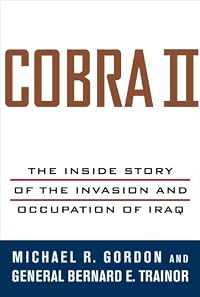


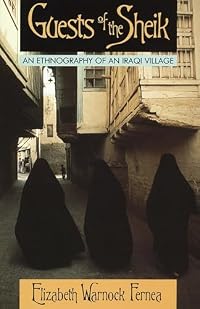
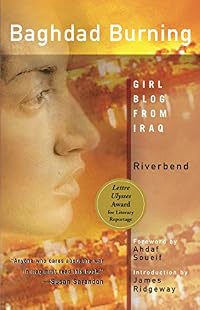
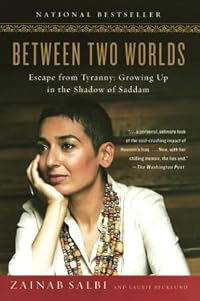

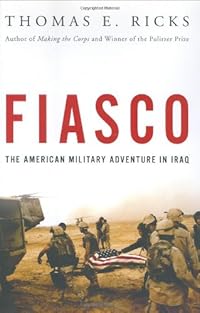
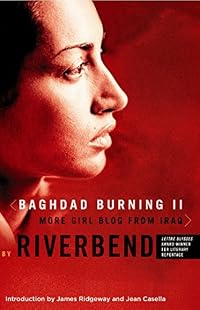


















Member Recommendations

jenrylee2004 If you like Sisters in War, than I think that you will like Nine Parts of Desire.
Member Reviews
One thing I don’t ever remember hearing the mainstream media talking about when the decision was made to invade Iraq in 2003 is what it would mean for the women and children of that country. In fact, to this day I have still not seen much explored about the lives of women in Iraq and whether they have improved or not since the war began – until I picked up Christina Asquith’s “Sisters in War.”
Asquith follows the stories of 4 different women from different backgrounds in Baghdad: Shia sisters Zia and Nunu; Heather, the white US Army reservist; and Manal, a devoutly Muslim feminist Arab-American aid worker. We begin following the sisters’ story before the invasion happens, and their hope for their future after Saddam is show more absolutely heart breaking.
I really don’t want to say too much about what these women experience. Obviously it is no secret what has been happening with the Iraq War (“Sisters in War” spans from 2003 to 2006), but it is something completely different to experience it through the eyes of these four women.
I was so completely invested in these women’s lives, I didn’t want to stop reading until I found out what happened to them! Asquith completely made all of them real to me. Of course they are real, but sometimes nonfiction writers don’t bring their subjects to life in the same way that authors of fiction do – not the case with “Sisters in War.” I also appreciated that Asquith did not include herself in the story she was telling. That seems to be quite the fad in narrative nonfiction right now and it often works quite well, but I think this story packed a much greater emotional punch for not including her, it read somewhat like a documentary, I felt as if I was simply a fly on the wall with all of these women.
Not always emotionally easy read, but endlessly compelling storytelling, great writing, and a fascinating subject make me highly recommend this book. show less
Asquith follows the stories of 4 different women from different backgrounds in Baghdad: Shia sisters Zia and Nunu; Heather, the white US Army reservist; and Manal, a devoutly Muslim feminist Arab-American aid worker. We begin following the sisters’ story before the invasion happens, and their hope for their future after Saddam is show more absolutely heart breaking.
I really don’t want to say too much about what these women experience. Obviously it is no secret what has been happening with the Iraq War (“Sisters in War” spans from 2003 to 2006), but it is something completely different to experience it through the eyes of these four women.
I was so completely invested in these women’s lives, I didn’t want to stop reading until I found out what happened to them! Asquith completely made all of them real to me. Of course they are real, but sometimes nonfiction writers don’t bring their subjects to life in the same way that authors of fiction do – not the case with “Sisters in War.” I also appreciated that Asquith did not include herself in the story she was telling. That seems to be quite the fad in narrative nonfiction right now and it often works quite well, but I think this story packed a much greater emotional punch for not including her, it read somewhat like a documentary, I felt as if I was simply a fly on the wall with all of these women.
Not always emotionally easy read, but endlessly compelling storytelling, great writing, and a fascinating subject make me highly recommend this book. show less
 This review was written for LibraryThing Early Reviewers.
This excellent and informative book offers a unique look at the war in Iraq from the often-neglected perspective of its effects on Iraqi women. It will inspire and infuriate you, but most of all, it will teach you things you will not read in treatments of the war by men.
Reporter Christina Asquith, who has written about women’s rights in Afghanistan, Oman, and Jordan, spent five years getting to know the women whose lives she chronicles in this book, which begins with the American invasion of Iraq. Zia and Nunu, young girls aged 21 and 19 at the time of the invasion, lived with their liberal parents in Baghdad. Manal Omar was an observant Muslim American woman in her late twenties who came to Iraq after the invasion to help establish show more women’s rights. Heather Coyne, an examiner in the White House’s Office of Management and Budget with a degree in Arabic from the Defense Language Institute, joined the army to be a part of the Iraqi liberation.
The author recounts in detail the mishandling of the invasion by the Americans: appointments were based on political loyalty to the Bush Administration rather than competence, experience, or facility with Arabic; emphasis was placed on establishing an immediate democracy without any consideration to groundwork or more pressing needs (Americans seemed oblivious to the fact that Iraqis were more concerned with safety, schools, medical care, and which form of Islam would be hegemonic rather than with forming “democratic” organizations); troop levels were too low to ensure order among the simmering tribal and religious rivalries that had been held in check by Saddam; and many hired contractors were lowlifes who needed to get out of the U.S.: they often built shoddy facilities knowing there was no rule of law to stop them, and they threw their weight around in an offensive manner with respect to the locals in general and woman in particular.
The repercussions of the war on women have been horrific. Much of it can be attributed to the breakdown of authority and subsequent sectarian violence between Shia and Sunni sects and the Islamic fundamentalists within those sects. Women had been used to a measure of freedom under Saddam. Now, those who went out without head scarves, who wore blue jeans, who studied at the university, or worst of all, who got jobs with the Americans, were considered fair game for rapes, kidnappings, beheadings, and vengeance on the rest of their families. Women became afraid to leave their homes. Programs for women emphasized teaching them democracy and getting them jobs. But it was more important to the women that their husbands have jobs first. Lynne Cheney, wife of the Vice-President, headed up an organization to help women in Iraq, but it would not even meet with any women who were considered left wing or critical of the United States. This practice omitted a great many women who were talented organizers and also sensitive to the needs of Iraqis.
A few women, like Manal and Heather, and some others who were reported on by Asquith but who were killed, lobbied extensively for just a small portion of financial support and security for centers for women, especially centers that could be safe havens from violence. The male-dominated American establishment for the most part left the women to sink or swim. In the case of the very few gains, they claimed credit for them even though they had left the women on their own.
Asquith laments that much of the Iraqi-on-Iraqi violence that targets women goes unreported in the American media. This not only has allowed the practice to continue without an international outcry, but also allowed the Bush Administration officials to interpret the situation for women in a very positive light, which just wasn’t justified.
By the book’s end in 2009, Zia (who once only narrowly escaped being beheaded in Iraq) has managed to survive largely intact by emigrating to the U.S.; Nunu almost had a nervous breakdown and considered suicide; Manal was almost killed; and Heather suffered from Post-Traumatic Stress Syndrome.
Evaluation: There are so many things I would want to report from this book, but in the interest of brevity, I will just say: if you are a woman, and you plan to read only one book on the lives of women under Islam fundamentalism, or if you want to see war from a whole new perspective than the usual one delivered by male (generally white, western) authors, this is an excellent choice. I should also add, this is not by any means an anti-American screed, nor is it an indictment of the Muslim religion. Rather, it seeks to point out abuses that can happen when lawlessness and politics govern a country, and emphasizes that in situations of war, women are often the first victims. show less
Reporter Christina Asquith, who has written about women’s rights in Afghanistan, Oman, and Jordan, spent five years getting to know the women whose lives she chronicles in this book, which begins with the American invasion of Iraq. Zia and Nunu, young girls aged 21 and 19 at the time of the invasion, lived with their liberal parents in Baghdad. Manal Omar was an observant Muslim American woman in her late twenties who came to Iraq after the invasion to help establish show more women’s rights. Heather Coyne, an examiner in the White House’s Office of Management and Budget with a degree in Arabic from the Defense Language Institute, joined the army to be a part of the Iraqi liberation.
The author recounts in detail the mishandling of the invasion by the Americans: appointments were based on political loyalty to the Bush Administration rather than competence, experience, or facility with Arabic; emphasis was placed on establishing an immediate democracy without any consideration to groundwork or more pressing needs (Americans seemed oblivious to the fact that Iraqis were more concerned with safety, schools, medical care, and which form of Islam would be hegemonic rather than with forming “democratic” organizations); troop levels were too low to ensure order among the simmering tribal and religious rivalries that had been held in check by Saddam; and many hired contractors were lowlifes who needed to get out of the U.S.: they often built shoddy facilities knowing there was no rule of law to stop them, and they threw their weight around in an offensive manner with respect to the locals in general and woman in particular.
The repercussions of the war on women have been horrific. Much of it can be attributed to the breakdown of authority and subsequent sectarian violence between Shia and Sunni sects and the Islamic fundamentalists within those sects. Women had been used to a measure of freedom under Saddam. Now, those who went out without head scarves, who wore blue jeans, who studied at the university, or worst of all, who got jobs with the Americans, were considered fair game for rapes, kidnappings, beheadings, and vengeance on the rest of their families. Women became afraid to leave their homes. Programs for women emphasized teaching them democracy and getting them jobs. But it was more important to the women that their husbands have jobs first. Lynne Cheney, wife of the Vice-President, headed up an organization to help women in Iraq, but it would not even meet with any women who were considered left wing or critical of the United States. This practice omitted a great many women who were talented organizers and also sensitive to the needs of Iraqis.
A few women, like Manal and Heather, and some others who were reported on by Asquith but who were killed, lobbied extensively for just a small portion of financial support and security for centers for women, especially centers that could be safe havens from violence. The male-dominated American establishment for the most part left the women to sink or swim. In the case of the very few gains, they claimed credit for them even though they had left the women on their own.
Asquith laments that much of the Iraqi-on-Iraqi violence that targets women goes unreported in the American media. This not only has allowed the practice to continue without an international outcry, but also allowed the Bush Administration officials to interpret the situation for women in a very positive light, which just wasn’t justified.
By the book’s end in 2009, Zia (who once only narrowly escaped being beheaded in Iraq) has managed to survive largely intact by emigrating to the U.S.; Nunu almost had a nervous breakdown and considered suicide; Manal was almost killed; and Heather suffered from Post-Traumatic Stress Syndrome.
Evaluation: There are so many things I would want to report from this book, but in the interest of brevity, I will just say: if you are a woman, and you plan to read only one book on the lives of women under Islam fundamentalism, or if you want to see war from a whole new perspective than the usual one delivered by male (generally white, western) authors, this is an excellent choice. I should also add, this is not by any means an anti-American screed, nor is it an indictment of the Muslim religion. Rather, it seeks to point out abuses that can happen when lawlessness and politics govern a country, and emphasizes that in situations of war, women are often the first victims. show less
This review was written for LibraryThing Early Reviewers.Sisters in War follows the struggles and accomplishments of three women during US-occupied Iraq following the Iraq War. Manal is an Iraqi ex-pat from the US who returns as an aid worker. Heather is a US Army reservist who arrives in Iraq believing that she can personally make a difference and that her country has Iraq's best interests at heart. The heart of the story, however, lies with Zia, a young, educated Iraqi woman who finds employment with the US headquarters in Baghdad. Despite the propaganda depicted in broadcasts outside Iraq, not everyone in the country is welcoming the American occupation with open arms. Zia experiences not only resentment from fellow Iraqis at her association with the Americans, but ultimately both her and show more her family's very lives are put at risk.
Although Zia's story was compelling, it's hard to imagine how many other young Iraqi women are in similar threatening or oppressive situations whose stories will never be told. I also found it nearly impossible to come away from the book without a continued feeling of dismay and hopelessness for the Iraq situation. Worth reading, but don't expect closure of any kind. show less
Although Zia's story was compelling, it's hard to imagine how many other young Iraqi women are in similar threatening or oppressive situations whose stories will never be told. I also found it nearly impossible to come away from the book without a continued feeling of dismay and hopelessness for the Iraq situation. Worth reading, but don't expect closure of any kind. show less
This review was written for LibraryThing Early Reviewers.Advancement of women’s rights was put forward by many as a justification for American intervention in Iraq. Ardent supporters of the war still find validation in the idea that Iraqi women profited from the occupation. But is this assertion justified? “Sisters in War”, written by a journalist who spent two years covering the Iraq War from Baghdad, is, in part, an answer to this question.
War reporter Christina Asquith chronicles the attempts made to bolster women’s rights during the American occupation by telling the stories of several women who were involved in the process. One of the strengths of the book lies in the diversity of her protagonists, which range from military personal that are devoted believers in the role of the show more war in freeing Iraqi women to civilian aid-workers who staunchly believe that war can only have a negative impact. While the experiences of these international players are extremely instructive, the heart of the book lies with the Iraqi sisters that must daily deal with the reality in the capital. The two sisters could hardly be more different; one jumps at the opportunity created by the occupation of Baghdad and becomes a successful employee of the Americans, while the other grows more and more isolated as escalating violence make it impossible for her to so much as leave her home.
Unhappily, all these disparate stories and perspectives agree on one point; the war did not improve the lives of Iraqi women. Asquith provides plenty of evidence outlining the haphazard way in which women’s rights were addressed by the military, a frustrating litany of prodigious resources being squandered due to a lack of training, planning, and support from the upper echelons. However, she makes it is clear that the real source of the disaster was the ever increasing violence that occurred after the quick overthrow of the government. While I paid attention to the new reports of the growing violence in Baghdad as it occurred, it was still shocking to read a cohesive account of the terrorist attacks that wracked the nation, often specifically targeting women and institutions that supported the rights of women. In a position of such vast civil unrest, women were more shackled than every before, with now both their lives and their liberty at the mercy of the most extreme factions.
As Asquith makes very clear, many, many people, both military and civilian, tried desperately to improve the lives of women in Iraq during the American occupation. The conclusion I drew from her reporting was that war is simply not an appropriate means to effect positive social change in the lives of women, a fact that cannot be eliminated by good intentions. Meaning well and doing well are not equivalent. show less
War reporter Christina Asquith chronicles the attempts made to bolster women’s rights during the American occupation by telling the stories of several women who were involved in the process. One of the strengths of the book lies in the diversity of her protagonists, which range from military personal that are devoted believers in the role of the show more war in freeing Iraqi women to civilian aid-workers who staunchly believe that war can only have a negative impact. While the experiences of these international players are extremely instructive, the heart of the book lies with the Iraqi sisters that must daily deal with the reality in the capital. The two sisters could hardly be more different; one jumps at the opportunity created by the occupation of Baghdad and becomes a successful employee of the Americans, while the other grows more and more isolated as escalating violence make it impossible for her to so much as leave her home.
Unhappily, all these disparate stories and perspectives agree on one point; the war did not improve the lives of Iraqi women. Asquith provides plenty of evidence outlining the haphazard way in which women’s rights were addressed by the military, a frustrating litany of prodigious resources being squandered due to a lack of training, planning, and support from the upper echelons. However, she makes it is clear that the real source of the disaster was the ever increasing violence that occurred after the quick overthrow of the government. While I paid attention to the new reports of the growing violence in Baghdad as it occurred, it was still shocking to read a cohesive account of the terrorist attacks that wracked the nation, often specifically targeting women and institutions that supported the rights of women. In a position of such vast civil unrest, women were more shackled than every before, with now both their lives and their liberty at the mercy of the most extreme factions.
As Asquith makes very clear, many, many people, both military and civilian, tried desperately to improve the lives of women in Iraq during the American occupation. The conclusion I drew from her reporting was that war is simply not an appropriate means to effect positive social change in the lives of women, a fact that cannot be eliminated by good intentions. Meaning well and doing well are not equivalent. show less
This review was written for LibraryThing Early Reviewers.A well-told story, hard to put down even though painful to read. Asquith does an excellent job of putting a very real face on the stories in the news. Some of the best and the worst of humanity are made closer and more immediate. Deeply disturbing, full of hopelessness and hope at the same time, not offering any easy answers, but urging us to ask the questions.
‘Christina Asquith’s description of the wild incompetence – and dedication – of early efforts in Iraq reads like a great novel but with the added weight of history’. This quote from Sebastian Junger (author of the Perfect Storm) can be found in the blurb at the back of Asquith’s new book. Mr Junger would have done the readers of this book a great service had he placed the full stop after the word novel and scrapped the remainder of the sentence.
The book tells the story of three women: Zia, an Iraqi English graduate who lands a lucrative job in the Green Zone, Heather, an American soldier who is given vast sums of money to set up Women’s Centres across Baghdad and Manal, a Palestinian-American who reluctantly helps Heather show more in her endeavour despite knowing in her heart that the setting up of Women’s Centres by the Americans is not the ideal way to help Iraqi women and that in fact it is nothing short of a publicity stunt to justify the occupation.
Much of the book, however, focuses on the story of Zia and her romance with an American contractor called Keith, who came to Iraq in order to make the kind of money he had no chance of earning back in the States. Asquith does not question for one moment whether Zia was right to take the job she did in the Green zone and effectively betraying her country by collaborating with its invaders.
Romance between occupiers and occupied is nothing new. It has now largely been forgotten that when the Germans invaded France, some French women went crazy for the tall, handsome, blond invaders. Particularly as the German officers did not set about raping the population as had been expected but instead tried to win ‘hearts and minds’ by handing out bread and tarts. All this has been documented by the author Patrick Buisson in his book 1940-1945: Annees erotiques (erotic years) which sadly has yet to be translated to English.
Keith, whom Asquith constantly contrasts favourably with Iraqi men, refuses to leave Iraq even though Zia wants him to marry her and take her to the USA. He refuses because the war has proved immensely lucrative to him.
Asquith describes how Iraqis like Zia became pariahs as far as the Americans were concerned once the resistance started to take shape and the privileged Green Zone came under attack. The Iraqis were given badges with the lowest level of security clearance which meant that effectively they were barred from entering many of the compounds of the Green Zone. A kind of apartheid began to take hold inside the Imperial enclave and Iraqis could not share the main dining halls with their masters despite of the fact their lives were much more in danger than the Americans.
Zia eventually is granted a visa to the States and ends up marrying Keith. She brings over her mother and sister to live with her and we are meant to celebrate all this in the implausibly happy ending that Asquith writes. The reality is that Zia and her family were tricked by all the US propaganda about freedom, democracy and human rights and in the process they have lost their country.
After WWII ended, the French executed many of the collaborators. Some think that that is the fate the Iraqi collaborators deserve. I do not subscribe to that idea. As Asquith shows in the book, Zia and her family were deeply disillusioned, for good reason, with Saddam Hussain and his government. Zia’s zeal for the American invasion is a direct result of Saddam’s betrayal of his people. This is why I think the analogy between France and Iraq has its limits. France did not have the complicating factor of a ruthless dictator oppressing his own people. Nevertheless, it has to be remembered that many Iraqis, despite hating Saddam to the utmost degree, refused to collaborate with the invaders. Their story is yet to be told and celebrated properly. Not all French women ended up romancing the Nazis. Had they all done so, France might be a Western province of Germany today and the vast bulk of Europeans would be subjects of the Third Reich.
Asquith’s book leads the reader to the conclusion that if only the war had been fought better, if only the Americans had better plans for the post-invasion period, things would have turned out differently. Yet she fails to tell us what could have been done differently to avert the disaster that unfolded in Iraq. Zia’s story is sad and tragic but not only for the reasons presented in this book. show less
The book tells the story of three women: Zia, an Iraqi English graduate who lands a lucrative job in the Green Zone, Heather, an American soldier who is given vast sums of money to set up Women’s Centres across Baghdad and Manal, a Palestinian-American who reluctantly helps Heather show more in her endeavour despite knowing in her heart that the setting up of Women’s Centres by the Americans is not the ideal way to help Iraqi women and that in fact it is nothing short of a publicity stunt to justify the occupation.
Much of the book, however, focuses on the story of Zia and her romance with an American contractor called Keith, who came to Iraq in order to make the kind of money he had no chance of earning back in the States. Asquith does not question for one moment whether Zia was right to take the job she did in the Green zone and effectively betraying her country by collaborating with its invaders.
Romance between occupiers and occupied is nothing new. It has now largely been forgotten that when the Germans invaded France, some French women went crazy for the tall, handsome, blond invaders. Particularly as the German officers did not set about raping the population as had been expected but instead tried to win ‘hearts and minds’ by handing out bread and tarts. All this has been documented by the author Patrick Buisson in his book 1940-1945: Annees erotiques (erotic years) which sadly has yet to be translated to English.
Keith, whom Asquith constantly contrasts favourably with Iraqi men, refuses to leave Iraq even though Zia wants him to marry her and take her to the USA. He refuses because the war has proved immensely lucrative to him.
Asquith describes how Iraqis like Zia became pariahs as far as the Americans were concerned once the resistance started to take shape and the privileged Green Zone came under attack. The Iraqis were given badges with the lowest level of security clearance which meant that effectively they were barred from entering many of the compounds of the Green Zone. A kind of apartheid began to take hold inside the Imperial enclave and Iraqis could not share the main dining halls with their masters despite of the fact their lives were much more in danger than the Americans.
Zia eventually is granted a visa to the States and ends up marrying Keith. She brings over her mother and sister to live with her and we are meant to celebrate all this in the implausibly happy ending that Asquith writes. The reality is that Zia and her family were tricked by all the US propaganda about freedom, democracy and human rights and in the process they have lost their country.
After WWII ended, the French executed many of the collaborators. Some think that that is the fate the Iraqi collaborators deserve. I do not subscribe to that idea. As Asquith shows in the book, Zia and her family were deeply disillusioned, for good reason, with Saddam Hussain and his government. Zia’s zeal for the American invasion is a direct result of Saddam’s betrayal of his people. This is why I think the analogy between France and Iraq has its limits. France did not have the complicating factor of a ruthless dictator oppressing his own people. Nevertheless, it has to be remembered that many Iraqis, despite hating Saddam to the utmost degree, refused to collaborate with the invaders. Their story is yet to be told and celebrated properly. Not all French women ended up romancing the Nazis. Had they all done so, France might be a Western province of Germany today and the vast bulk of Europeans would be subjects of the Third Reich.
Asquith’s book leads the reader to the conclusion that if only the war had been fought better, if only the Americans had better plans for the post-invasion period, things would have turned out differently. Yet she fails to tell us what could have been done differently to avert the disaster that unfolded in Iraq. Zia’s story is sad and tragic but not only for the reasons presented in this book. show less
Reporter Christina Asquith traces the history and impact of the ongoing Iraq War through the eyes of several women in this compelling work. We meet Zia and Nunu, young Iraqi women from a liberal Baghdad family as they seek work with American forces and contractors within the Green Zone and struggle to complete university studies amidst the chaos. Heather Coyne is an idealistic American soldier with a background in both government work and Arabic language skills. Palestinian – American Manal Omar is a skilled NGO organizer, arriving in Iraq to open an office for Women to Women International. Lives intersect as sectarian violence and Western interference escalate. Zia begins a friendship (later a romance and marriage) with a divorced show more American contractor as her career prospects brighten due to her English skills and education. Nunu struggles with anxiety as personal safety in the city deteriorates, particularly for women. Heather and Manal meet due to common objectives and face bureaucratic roadblocks and the efforts by American officials to propagandize the opening of their aid center while marginalizing entire groups within the unstable political process. This work is a testimony to the harm that a combination of cultural misunderstanding and poor advance planning can have when a military force is assigned the task of nation building as it engages in combat operations. Readers with no exposure to first- hand accounts of this war should find this an effective starting point. Highly recommended. show less
This review was written for LibraryThing Early Reviewers.Members
- Recently Added By
Author Information
2 Works 96 Members
Christina Asquith has twenty years of experience as a journalist and has written hundreds of articles published in the New York Times, Economist, Guardian, and Christian Science Monitor. She has appeared as an expert on education and the rights of girls in various media including NPR, ABC News, the BBC, PRI's The World, and Al Jazeera. Subsequent show more to teaching in Philadelphia, she reported on women's issues during the war in Iraq and wrote Sisters in War: A Story of Love, Family, and Survival in the New Iraq. Currently, she is head of communications for global women's health at Harvard School of Public Health and lives with her family in Cambridge, Massachusetts. show less
Common Knowledge
- Canonical title
- Sisters in War: A Story of Love, Family, and Survival in the New Iraq
- Original publication date
- 2009
- Important places
- Baghdad, Iraq
- Dedication
- To my sister, Nikki
- First words
- When the sisters heard the roar of U.S. military planes overhead, they clambered up the wooden steps onto the roof of their uncle's mud-brick farmhouse.
- Last words
- (Click to show. Warning: May contain spoilers.)"But I don't think so."
(Click to show. Warning: May contain spoilers.)In February 2009, with Zia, Mamina, and Keith by Nunu's side, they were married. (Epilogue)
Classifications
- Genres
- Nonfiction, General Nonfiction, Sexuality and Gender Studies, Biography & Memoir
- DDC/MDS
- 305.48 — Social sciences Social sciences, sociology & anthropology Groups of people Women Specific groups of women
- LCC
- HQ1735 .A627 — Social sciences The family. Marriage, Women and Sexuality The Family. Marriage. Women Women. Feminism
- BISAC
Statistics
- Members
- 53
- Popularity
- 571,453
- Reviews
- 11
- Rating
- (4.23)
- Languages
- English
- Media
- Paper, Ebook
- ISBNs
- 2
- ASINs
- 1