
Constance Little
Author of Great Black Kanba
About the Author
Disambiguation Notice:
Constance and Gwenyth Little wrote as a team using both of their names on all books.
Works by Constance Little
Associated Works
Tagged
Common Knowledge
- Legal name
- Little, Constance
Little, Gwenyth - Other names
- Little, Jessie Constance
Little, Norma Gwenyth
Little, Conyth (pseudonym) - Birthdate
- 1899 (Constance)
1903 (Gwenyth) - Date of death
- 1980 (Constance)
1985 (Gwenyth) - Gender
- female
- Short biography
- [from Goodreads website]
Jessie Constance Little (1899-1980) co-authored with her sister Gwenyth Little (1903-1985) mysteries in the screwball-comedy fashion. The Little sisters are referred to as "queens of the wacky cozy." They were sometimes published as Conyth Little, a portmanteau of their names.
Their youngest sister Iris wrote under the pseudonym Robert James.
Constance Little married Lawrence Baker, a men's clothing designer for the Dubois Uniform Company in New York City. - Birthplace
- Australia
- Place of death
- Newton, New Jersey, USA
- Disambiguation notice
- Constance and Gwenyth Little wrote as a team using both of their names on all books.
- Associated Place (for map)
- Newton, New Jersey, USA
Members
Reviews

A fun, screwball premise that should have worked, but didn’t.
Mary Fredon’s husband Homer has just run off with their next door neighbor, Betty Emerson. Mary plans to escape to her cottage in the country to recover, so she offers the use of her apartment to her friend, Eugenia Gates.
Eugenia is looking for somewhere to spend a quiet couple of weeks by herself, relaxing. Unfortunately, Eugenia doesn’t even get to spend one moment by herself because Mary has also invited furloughed Army show more soldier, Ken Smith, and vivacious, middle-aged, bon vivant chaperone, Lucy, to live in the apartment, too. Ken and Lucy immediately decide to throw a party, so Eugenia’s hopes for peace and quiet are soundly thwarted.
Yes, the apartment is definitely packed full of people, and there seems to be evidence that Homer has come back to roost, too; but, nobody actually manages to catch him in the flesh.
Before long, dead bodies begin showing up in the weirdest places throughout the apartment. Is Homer really the homicidal maniac he appears to be? Or is something more sinister going on? And just what is this black eye John Emerson keeps talking about? Eugenia tries hard to solve the mystery before her failed two-week vacation turns into a lifelong imprisonment in Mary’s increasingly crowded, yet immaculately clean, abode.
This story is rife with possibilities for humor and entertaining mystery-solving, but it falls seriously flat for two reasons.
First of all, Ken Smith is an absolutely odious character. Seconds after encroaching on Eugenia’s holiday, he demands to know when his dinner will be ready. Later on he puts his hand around her neck and chokes her, demanding that she give him a smile. As if that’s not bad enough, he then comments that he can’t wait to smack her around. Throughout the book, he orders Eugenia to: do the dishes, make her bed, go to a party, give him a place to stay on his next furlough, go on a date with him, etc., etc., etc. At one point, he claps his hand over her mouth and forcibly removes her from a room. And he also repeatedly tells her to shut up. Isn’t he a peach? And, unfortunately, he is a constant presence throughout the entire book. Although most of the story would have been a fun read, my teeth were perpetually clenched just because Ken was present.
Second, the ending was ludicrous. The murderer’s means and motivations were just downright stupid. There is no other way to put it. The reasons the victims were murdered did not make reasonable sense. And the way they were killed absolutely defied believability. Although it had the potential to be really good, the farfetched ending, coupled with the presence of that colossal creep Ken, made this book an absolutely painful experience.
As always, the Rue Morgue Press edition I read had its share of typographical errors. Having to slog through sentences like “the door dosed” instead of “the door closed” and “it yeas important” instead of “it was important” only succeeded in making this awful book even worse. Rue Morgue Press should be commended for making these old mystery titles available to newer generations of readers; Rue Morgue Press needs to be censured for having no quality control procedures whatsoever. show less
Mary Fredon’s husband Homer has just run off with their next door neighbor, Betty Emerson. Mary plans to escape to her cottage in the country to recover, so she offers the use of her apartment to her friend, Eugenia Gates.
Eugenia is looking for somewhere to spend a quiet couple of weeks by herself, relaxing. Unfortunately, Eugenia doesn’t even get to spend one moment by herself because Mary has also invited furloughed Army show more soldier, Ken Smith, and vivacious, middle-aged, bon vivant chaperone, Lucy, to live in the apartment, too. Ken and Lucy immediately decide to throw a party, so Eugenia’s hopes for peace and quiet are soundly thwarted.
Yes, the apartment is definitely packed full of people, and there seems to be evidence that Homer has come back to roost, too; but, nobody actually manages to catch him in the flesh.
Before long, dead bodies begin showing up in the weirdest places throughout the apartment. Is Homer really the homicidal maniac he appears to be? Or is something more sinister going on? And just what is this black eye John Emerson keeps talking about? Eugenia tries hard to solve the mystery before her failed two-week vacation turns into a lifelong imprisonment in Mary’s increasingly crowded, yet immaculately clean, abode.
This story is rife with possibilities for humor and entertaining mystery-solving, but it falls seriously flat for two reasons.
First of all, Ken Smith is an absolutely odious character. Seconds after encroaching on Eugenia’s holiday, he demands to know when his dinner will be ready. Later on he puts his hand around her neck and chokes her, demanding that she give him a smile. As if that’s not bad enough, he then comments that he can’t wait to smack her around. Throughout the book, he orders Eugenia to: do the dishes, make her bed, go to a party, give him a place to stay on his next furlough, go on a date with him, etc., etc., etc. At one point, he claps his hand over her mouth and forcibly removes her from a room. And he also repeatedly tells her to shut up. Isn’t he a peach? And, unfortunately, he is a constant presence throughout the entire book. Although most of the story would have been a fun read, my teeth were perpetually clenched just because Ken was present.
Second, the ending was ludicrous. The murderer’s means and motivations were just downright stupid. There is no other way to put it. The reasons the victims were murdered did not make reasonable sense. And the way they were killed absolutely defied believability. Although it had the potential to be really good, the farfetched ending, coupled with the presence of that colossal creep Ken, made this book an absolutely painful experience.
As always, the Rue Morgue Press edition I read had its share of typographical errors. Having to slog through sentences like “the door dosed” instead of “the door closed” and “it yeas important” instead of “it was important” only succeeded in making this awful book even worse. Rue Morgue Press should be commended for making these old mystery titles available to newer generations of readers; Rue Morgue Press needs to be censured for having no quality control procedures whatsoever. show less
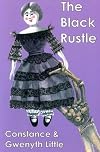
Marge Packett’s family gathers together every weekend at their house in the country. It is an eccentric lot who attend these weekly reunions, including: patriarchal siblings Aunt Delia, Aunt Lizzie, and Uncle George, who seem to delight in antagonizing each other and everybody else; Bruce Collyer, future Marine and obsessive compulsive handyman, who now owns the dilapidated family shack; Marge and her own two siblings, past-her-prime sister Elizabeth and snarky brother Randall; and Sonny show more Saunders, Aunt Lizzie’s mentally defective stepson.
This weekend the guest list also includes Elizabeth’s plump and loud-mouthed best friend Gert, and Marge’s friend, Marina Hayes, who quickly comes to regret her decision to attend the house party when she discovers that she has to sleep in the living room and that the family spends most of their time bickering…in the living room.
Something toxic is lurking in the atmosphere at this gathering of the clan, and it all seems to center around the fact that simpleton Sonny is set to inherit a fortune on the occasion of his 21st birthday on Sunday.
When an old-fashioned porcelain doll disappears from the mantelpiece and begins wandering around the house at night, it seems possible that nefarious plans are in the works. When two members of the household end up brutally murdered, those evil probabilities become a definite certainty.
Marina must wrestle with an uncooperative family, a bumbling police force, and two attempts on her own life before she finally succeeds in unmasking the killer.
The identity of the murderer is hard to pin down in this one, a factor which contributes greatly to the plot. All of the family members are so detestable, it is quite easy to believe that any one of them would be capable of committing the murders.
This is a fun cozy mystery romp that is hampered only by a failing common to the Little novels, an insipidly contrived romance. At the end, poor Marina finds herself facing an impending engagement to that colossal bore Bruce for no apparent reason, and it makes no logical sense. It certainly adds nothing to an otherwise delightful story. What popular, charming, and vivacious young woman like Marina is going to fall for a dull creep who treats her like a servant, mocks her, and is constantly calling her by the wrong name? Bruce is hardly a poster boy for inspiring devotion, yet Marina gets stuck with him even though she has no interest in him at all. I have often wondered if the Littles’ publishers coerced them into including romance in their books against their will. In this case, it is completely unnecessary and greatly hinders the pacing of the story.
Be prepared to endure errors in the Rue Morgue Press edition. show less
This weekend the guest list also includes Elizabeth’s plump and loud-mouthed best friend Gert, and Marge’s friend, Marina Hayes, who quickly comes to regret her decision to attend the house party when she discovers that she has to sleep in the living room and that the family spends most of their time bickering…in the living room.
Something toxic is lurking in the atmosphere at this gathering of the clan, and it all seems to center around the fact that simpleton Sonny is set to inherit a fortune on the occasion of his 21st birthday on Sunday.
When an old-fashioned porcelain doll disappears from the mantelpiece and begins wandering around the house at night, it seems possible that nefarious plans are in the works. When two members of the household end up brutally murdered, those evil probabilities become a definite certainty.
Marina must wrestle with an uncooperative family, a bumbling police force, and two attempts on her own life before she finally succeeds in unmasking the killer.
The identity of the murderer is hard to pin down in this one, a factor which contributes greatly to the plot. All of the family members are so detestable, it is quite easy to believe that any one of them would be capable of committing the murders.
This is a fun cozy mystery romp that is hampered only by a failing common to the Little novels, an insipidly contrived romance. At the end, poor Marina finds herself facing an impending engagement to that colossal bore Bruce for no apparent reason, and it makes no logical sense. It certainly adds nothing to an otherwise delightful story. What popular, charming, and vivacious young woman like Marina is going to fall for a dull creep who treats her like a servant, mocks her, and is constantly calling her by the wrong name? Bruce is hardly a poster boy for inspiring devotion, yet Marina gets stuck with him even though she has no interest in him at all. I have often wondered if the Littles’ publishers coerced them into including romance in their books against their will. In this case, it is completely unnecessary and greatly hinders the pacing of the story.
Be prepared to endure errors in the Rue Morgue Press edition. show less
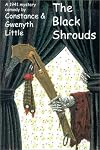
Once again, the Littles let themselves down by ruining a great story with an unnecessary train-wreck of a ‘romance’.
Diana Prescott is a strong-willed free spirit—sort of. She defied her pea-cannery owner, millionaire father and ran off to follow her dream of stardom on the Broadway stage. She now lives in a respectable boardinghouse while pursuing her studies in drama school. The boardinghouse is operated by Mrs. Lulu Markham and her aspiring-actress daughter Barbara, who rehearses show more with Diana in the drawing room whenever it is free.
The other inhabitants of the boardinghouse are a motley crew: schoolteachers Mary and Grace, thirty-something spinsters who still have high hopes; Camille, a washed up former actress with a slight drinking problem; Neville Ward, a milquetoast bank employee; Imogene and Opal, a couple of elderly sisters who have an insatiable appetite for library books; Barbara’s uncle, Alvin, a man of few words and even fewer interests; Dennis Livingstone, the handsome newcomer who has apparently been sent to lure Diana back home to her father; Kate, the irritable cook; Evie, the insolent maid; Miss Giddens, a dotty old lady who is no longer playing with a full deck; and Diana’s father, Quincy Prescott, a bombastic industrialist and bridge enthusiast who just wishes his pea-heiress daughter would take up sewing and stay home.
Life in the boardinghouse is running smoothly when some of its most innocuous residents suddenly begin disappearing…along with the draperies. When their dead bodies (& the curtains) start turning up under odd circumstances throughout the house, it becomes clear that a brutal killer is on the loose, but who could possibly want to kill such a harmless bunch of old pensioners, and why?
Diana and Barbara scour the house in search of clues and find way more than they can possibly handle. It is definitely an inscrutable puzzle. What could a burned topaz brooch, a missing library book, a bunch of old photos, a copy of Elsie Dinsmore, a battered hat, and experiments with garden peas possibly have to do with triple murder? When Diana finally succeeds in putting the pieces together and realizes the dismal truth, she finds herself fending off a deadly assault from the ruthless killer. Will help arrive in time, or will Diana become innocent murder victim #4?
With The Black Shrouds, the Littles are successful in creating a mystery chockfull of wacky characters and a plot that is clever and comes together nicely in the end. Unfortunately, it suffers from the same failing common to all of the Little mysteries I have read so far—a thoroughly tepid and unconvincing romance between our supposedly free-spirited heroine and some dumb cluck who is more dud than dreamboat.
Diana knows her own mind and is determined to fulfill her ambition of having a career on the stage. Dennis Livingstone appears on the scene, taunts her, pushes her around, and paws all over her every chance he gets; and, except within the context of getting her father’s goat, Diana has no more enthusiasm for him than she does for old Uncle Alvin. Yet, at the end of the story, Diana is meekly bundled off back home to her father with an engagement to that pompous buffoon Dennis looming over her head. It’s pointless and utterly infuriating.
This is one of my favorite Little mystery plots, but it is largely spoiled by an insufferable character who could just as easily been left out of the book entirely. show less
Diana Prescott is a strong-willed free spirit—sort of. She defied her pea-cannery owner, millionaire father and ran off to follow her dream of stardom on the Broadway stage. She now lives in a respectable boardinghouse while pursuing her studies in drama school. The boardinghouse is operated by Mrs. Lulu Markham and her aspiring-actress daughter Barbara, who rehearses show more with Diana in the drawing room whenever it is free.
The other inhabitants of the boardinghouse are a motley crew: schoolteachers Mary and Grace, thirty-something spinsters who still have high hopes; Camille, a washed up former actress with a slight drinking problem; Neville Ward, a milquetoast bank employee; Imogene and Opal, a couple of elderly sisters who have an insatiable appetite for library books; Barbara’s uncle, Alvin, a man of few words and even fewer interests; Dennis Livingstone, the handsome newcomer who has apparently been sent to lure Diana back home to her father; Kate, the irritable cook; Evie, the insolent maid; Miss Giddens, a dotty old lady who is no longer playing with a full deck; and Diana’s father, Quincy Prescott, a bombastic industrialist and bridge enthusiast who just wishes his pea-heiress daughter would take up sewing and stay home.
Life in the boardinghouse is running smoothly when some of its most innocuous residents suddenly begin disappearing…along with the draperies. When their dead bodies (& the curtains) start turning up under odd circumstances throughout the house, it becomes clear that a brutal killer is on the loose, but who could possibly want to kill such a harmless bunch of old pensioners, and why?
Diana and Barbara scour the house in search of clues and find way more than they can possibly handle. It is definitely an inscrutable puzzle. What could a burned topaz brooch, a missing library book, a bunch of old photos, a copy of Elsie Dinsmore, a battered hat, and experiments with garden peas possibly have to do with triple murder? When Diana finally succeeds in putting the pieces together and realizes the dismal truth, she finds herself fending off a deadly assault from the ruthless killer. Will help arrive in time, or will Diana become innocent murder victim #4?
With The Black Shrouds, the Littles are successful in creating a mystery chockfull of wacky characters and a plot that is clever and comes together nicely in the end. Unfortunately, it suffers from the same failing common to all of the Little mysteries I have read so far—a thoroughly tepid and unconvincing romance between our supposedly free-spirited heroine and some dumb cluck who is more dud than dreamboat.
Diana knows her own mind and is determined to fulfill her ambition of having a career on the stage. Dennis Livingstone appears on the scene, taunts her, pushes her around, and paws all over her every chance he gets; and, except within the context of getting her father’s goat, Diana has no more enthusiasm for him than she does for old Uncle Alvin. Yet, at the end of the story, Diana is meekly bundled off back home to her father with an engagement to that pompous buffoon Dennis looming over her head. It’s pointless and utterly infuriating.
This is one of my favorite Little mystery plots, but it is largely spoiled by an insufferable character who could just as easily been left out of the book entirely. show less
This is a quirky and entertaining mystery story that is marred by one especially irritating character and his implausible romance with the book’s ingénue.
Joe has amnesia and wants to remember what has happened and who he really is, but—although he has flashes of memories—he can’t quite seem to get a handle on his life or his identity. All he knows is that he has some connection to a ramshackle old house and its motley assortment of residents. Unable to resist the mysterious lure of show more this house, Joe applies for a job there and is hired.
The house is owned by a former prima ballerina, Madame Rose, who is now blind and dependent on the paltry allowance her late husband’s wealthy relatives grudgingly bestow upon her. She lives with her overworked, underpaid, and over opinionated maid, Aggie, and an over-the-hill, over-the-top theatrical couple who reside in the house as paying guests. Madame Rose’s daughter Colina, a new generation of ballerina, is also in residence between tours.
An unwanted houseguest quickly arrives in the person of Clyde Richard, Junior, who is ostensibly in town on business, but is actually a young attorney in the employ of Madame Rose’s wealthy in-laws to spy on her and discover the whereabouts of her missing companion, Lily, and thereby uncover a reason to terminate Madame Rose’s monthly stipend. In the course of spying, lying, and harassing poor Colina, Junior breaks his ankle; as a result of his injury, his distraught parents arrive on the scene to add to the mayhem.
All the while, Joe desperately wants to uncover the secrets of his past and Madame Rose desperately wants to conceal a few secrets of her own. While unraveling all the mysteries surrounding them, Colina inexplicably succumbs to Junior’s creepy stalking behavior and the two become engaged. And Joe learns the meaning of the old adage, “Be careful what you wish for…”
What would have been a delightful mystery is effectively ruined by the annoying and completely unnecessary romance clumsily contrived between Colina and the young jerk of an attorney…what a shame. show less
Joe has amnesia and wants to remember what has happened and who he really is, but—although he has flashes of memories—he can’t quite seem to get a handle on his life or his identity. All he knows is that he has some connection to a ramshackle old house and its motley assortment of residents. Unable to resist the mysterious lure of show more this house, Joe applies for a job there and is hired.
The house is owned by a former prima ballerina, Madame Rose, who is now blind and dependent on the paltry allowance her late husband’s wealthy relatives grudgingly bestow upon her. She lives with her overworked, underpaid, and over opinionated maid, Aggie, and an over-the-hill, over-the-top theatrical couple who reside in the house as paying guests. Madame Rose’s daughter Colina, a new generation of ballerina, is also in residence between tours.
An unwanted houseguest quickly arrives in the person of Clyde Richard, Junior, who is ostensibly in town on business, but is actually a young attorney in the employ of Madame Rose’s wealthy in-laws to spy on her and discover the whereabouts of her missing companion, Lily, and thereby uncover a reason to terminate Madame Rose’s monthly stipend. In the course of spying, lying, and harassing poor Colina, Junior breaks his ankle; as a result of his injury, his distraught parents arrive on the scene to add to the mayhem.
All the while, Joe desperately wants to uncover the secrets of his past and Madame Rose desperately wants to conceal a few secrets of her own. While unraveling all the mysteries surrounding them, Colina inexplicably succumbs to Junior’s creepy stalking behavior and the two become engaged. And Joe learns the meaning of the old adage, “Be careful what you wish for…”
What would have been a delightful mystery is effectively ruined by the annoying and completely unnecessary romance clumsily contrived between Colina and the young jerk of an attorney…what a shame. show less
Lists
You May Also Like


Associated Authors
Statistics
- Works
- 22
- Also by
- 2
- Members
- 649
- Popularity
- #38,890
- Rating
- 3.3
- Reviews
- 22
- ISBNs
- 23