
Bri Lee
Author of Eggshell Skull
Works by Bri Lee
Tagged
Common Knowledge
- Birthdate
- 1991-12-13
- Gender
- female
- Education
- University of Queensland, Brisbane, Australia
- Occupations
- judge's associate
- Nationality
- Australia
- Associated Place (for map)
- Australia
Members
Reviews
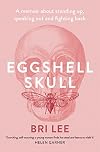
Brutal, unflinching, harrowing, brave. Bri Lee's memoir of being a law associate dealing with sexual assault cases and then becoming a complainant in her own case is an extraordinary tale. The amount of times Bri gets knocked down and then gets up again are truly remarkable and inspiring. And the amount of times the defendant and his legal team get to delay (and delay and delay) the legal proceedings are absolutely disgusting. No wonder many women never seek justice. Hopefully, Bri's example show more will give some courage and inspiration to other women dealing with the aftermath of sexual trauma. show less
In this searingly honest and revealing memoir, Bri Lee shares her personal journey as she pursues justice after reporting a childhood sexual assault.
After graduating from the University of Queensland with a degree in law, Bri is one of the lucky few to gain a year long position as an associate for a District Judge. The position involves the pair traveling between Brisbane and regional areas of Queensland to adjudicate cases in courts who do not have a full time Judge. Bri is excited for the show more opportunity, but with each case becomes increasingly disillusioned by the justice system which seems to be particularly weighted against women and children who are victims of sexual violence. The victims experiences resonate with Bri because she was molested as a child by a friend of her older brother.
Bri had never felt able to reveal the abuse, instead filtering her emotional pain and confusion through cutting, bulimia, and self-loathing, which increased during her time as an Associate. Despite witnessing the repeated failures of the system, Bri is infused with the courage to finally report her experience, in part recognising the advantages she holds as a complainant, a privilege she relates to the Eggshell Skull doctrine.
I’ve seen some criticism levelled at this book because of that privilege, however none of it negates her experience as a victim, or a survivor. Bri’s journey is intensely personal, as it is for all those who experience sexual violence, but she is in an unique position to highlight the justice system’s flaws and inequities, not only in relation to her own case, but also how that might translate into the cases of others.
I found Eggshell Skull compelling reading that stirred a range of emotions from fury, to despair, to hope, and admiration, and everything in between. There is still so much fighting to do.
“In Queensland an estimated 30,000 sexual assaults occur each year, yet in 2017, just 4751 sex crimes were officially reported to police. Around half that number proceeded to trial (2446 cases) but of them, only 835 resulted in a guilty verdict. Of the 835 perpetrators found guilty of sex offences in Queensland in 2017, roughly half — 44 per cent — were released straight back on to the streets with a mere slap on the wrist, such as a fine, a community service order or a suspended sentence....Perpetrators who did go to jail also received very brief sentences.” - Queensland is Australia’s worst state for sexual abuse survivors to find justice - Nina Funnell, News.com.au, December 13th 2018 show less
After graduating from the University of Queensland with a degree in law, Bri is one of the lucky few to gain a year long position as an associate for a District Judge. The position involves the pair traveling between Brisbane and regional areas of Queensland to adjudicate cases in courts who do not have a full time Judge. Bri is excited for the show more opportunity, but with each case becomes increasingly disillusioned by the justice system which seems to be particularly weighted against women and children who are victims of sexual violence. The victims experiences resonate with Bri because she was molested as a child by a friend of her older brother.
Bri had never felt able to reveal the abuse, instead filtering her emotional pain and confusion through cutting, bulimia, and self-loathing, which increased during her time as an Associate. Despite witnessing the repeated failures of the system, Bri is infused with the courage to finally report her experience, in part recognising the advantages she holds as a complainant, a privilege she relates to the Eggshell Skull doctrine.
I’ve seen some criticism levelled at this book because of that privilege, however none of it negates her experience as a victim, or a survivor. Bri’s journey is intensely personal, as it is for all those who experience sexual violence, but she is in an unique position to highlight the justice system’s flaws and inequities, not only in relation to her own case, but also how that might translate into the cases of others.
I found Eggshell Skull compelling reading that stirred a range of emotions from fury, to despair, to hope, and admiration, and everything in between. There is still so much fighting to do.
“In Queensland an estimated 30,000 sexual assaults occur each year, yet in 2017, just 4751 sex crimes were officially reported to police. Around half that number proceeded to trial (2446 cases) but of them, only 835 resulted in a guilty verdict. Of the 835 perpetrators found guilty of sex offences in Queensland in 2017, roughly half — 44 per cent — were released straight back on to the streets with a mere slap on the wrist, such as a fine, a community service order or a suspended sentence....Perpetrators who did go to jail also received very brief sentences.” - Queensland is Australia’s worst state for sexual abuse survivors to find justice - Nina Funnell, News.com.au, December 13th 2018 show less
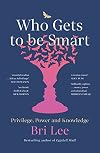
This has been sitting around in my 'read this soon' pile for a while and I was finally in the right mood to attack this one.
I did really like this book but in some ways I was hoping it would be better. It had a good mix of anecdotes and facts but it just still felt a bit 'light'. there were many things that I would have liked to have been explored in more depth. One example was a passing comment regarding alternative career pathways and standardisation of professional pathways. Covered in show more less than a paragraph. I recall when nursing training in Australia was moved to the universities, as the author had mentioned doctors around the same part of the book I'd be interested in mentioning this (around the time I was working night shifts in nursing homes while studying, I recall a fair few discussions from the nurse on duty about how she felt about this). This is just one example of a pathway changing that I am personally aware of, in this book it is mentioned about older barristers, what other professions have been affected? What is the background behind these imposed changes? What about 'hybrid' pathways (e.g. study at university for 6 months, work in the industry for 6 months). What is the cohort of people being accepted into these programs? Does this particular model once again only benefit those who wouldn't experience financial stress with full time study or does it open it up?
Another topic I would have been interested in would have been the extent to which 'exchange years' (so not to the level of a Rhodes scholarship, but getting the opportunity to study at an overseas university for a year or two and what advantages are granted with this model.
I came out of this with the feeling of having attended brunch when I really wanted dinner.
I feel that this is a really important topic that deserves attention (that privilege passes down generations). Perhaps too much was attempted to be covered in a single book, resulting in me feeling that the author was skipping from topic to topic against a checklist.
I definitely did enjoy this book though and am glad I read it, but still it will be passed onto a friend (as I don't think I'll re-read) show less
I did really like this book but in some ways I was hoping it would be better. It had a good mix of anecdotes and facts but it just still felt a bit 'light'. there were many things that I would have liked to have been explored in more depth. One example was a passing comment regarding alternative career pathways and standardisation of professional pathways. Covered in show more less than a paragraph. I recall when nursing training in Australia was moved to the universities, as the author had mentioned doctors around the same part of the book I'd be interested in mentioning this (around the time I was working night shifts in nursing homes while studying, I recall a fair few discussions from the nurse on duty about how she felt about this). This is just one example of a pathway changing that I am personally aware of, in this book it is mentioned about older barristers, what other professions have been affected? What is the background behind these imposed changes? What about 'hybrid' pathways (e.g. study at university for 6 months, work in the industry for 6 months). What is the cohort of people being accepted into these programs? Does this particular model once again only benefit those who wouldn't experience financial stress with full time study or does it open it up?
Another topic I would have been interested in would have been the extent to which 'exchange years' (so not to the level of a Rhodes scholarship, but getting the opportunity to study at an overseas university for a year or two and what advantages are granted with this model.
I came out of this with the feeling of having attended brunch when I really wanted dinner.
I feel that this is a really important topic that deserves attention (that privilege passes down generations). Perhaps too much was attempted to be covered in a single book, resulting in me feeling that the author was skipping from topic to topic against a checklist.
I definitely did enjoy this book though and am glad I read it, but still it will be passed onto a friend (as I don't think I'll re-read) show less
This book is at once a powerful self-reckoning memoir and a glimpse into the Australian legal system, particularly regarding sexual assault and women’s rights.
There were tears. Lots of snot-inducing tears.
It’s not an easy book to consume. Having said that, it’s so incredibly important to women the world over that I put it down as a must-must-must-read.
Trigger warning: this book deals with sexual assault, harassment and rape (including victims who are children).
There were tears. Lots of snot-inducing tears.
It’s not an easy book to consume. Having said that, it’s so incredibly important to women the world over that I put it down as a must-must-must-read.
Trigger warning: this book deals with sexual assault, harassment and rape (including victims who are children).
Lists
Awards


You May Also Like


Statistics
- Works
- 5
- Members
- 384
- Popularity
- #62,947
- Rating
- 4.1
- Reviews
- 12
- ISBNs
- 28