
Patrik Svensson (1) (1972–)
Author of The Book of Eels: Our Enduring Fascination with the Most Mysterious Creature in the Natural World
For other authors named Patrik Svensson, see the disambiguation page.
About the Author
Patrik Svensson is a writer and journalist. He lives with his family in Malm, Sweden. The Book of Eels is his first book.
Works by Patrik Svensson
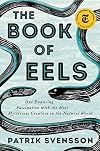
The Book of Eels: Our Enduring Fascination with the Most Mysterious Creature in the Natural World (2019) 890 copies, 34 reviews
Tagged
Common Knowledge
- Birthdate
- 1972-12-07
- Gender
- male
- Nationality
- Sweden
- Birthplace
- Kvidinge, Schweden
- Map Location
- Sweden
Members
Reviews
I live in New Zealand where eels hold a special place in Maori culture. I am not Maori or of Maori descent, I am an immigrant in this beautiful land. Whilst driving almost anywhere in NZ when one comes across new roads with cuttings and embankments, any concrete is often adorned with relief work of eels.
A while back I lived in a remote/weird settlement in an area surrounded by lakes, rivers and what are referred to as drainage ditches. In every lake or waterway in NZ there are eels. That show more particular place was an eel migration point from the local lake. The eels would gather round the seaward side of the lake until we had a huge southerly storm when the shingle bank would be wet, then the eels would slither out of the lake and over the shingle into the sea then off to who knew where to breed and die.
For a while I used to catch a few eels for food. I did that until I found out that the eels were anywhere from upwards of 45 years old. At that point I stopped because I felt that having lived so long who was I to take their life when I could easily get food anywhere, this was not a life or death struggle. I have seen eels here that were between 80 and 100 years old. People I have met who climb mountais tell me that wherever you find running water, no matter how high up there will be eels there.
In the Northern Hemisphere, the fantasy is that the eels migrate to the Sargasso Sea to breed and die. Even though the Sargasso Sea has no borders apart from 4 ocean currents and is a "sea within a sea", a gyre if you will, and not one single human being has ever seen a single eel in the Sargasso Sea.
The simple truth is that we know nothing of these creatures. I have seen that most people have a visceral reaction to them if seen up close. I also know that eel blood is a neurotoxin to humans. They seem to occupy a place nearer to our subconscious than our conscious selves.
Personally, they remind me that we are just trouble and if the virus were to kill every single one of us the eels would just carry on as before, they would shed no tears over us and sometimes I wonder if they even know we are here.
I loved this book because it takes us to their territory, which is really a very undefined place, and not them to us.
Throughout human history they have been an enigma, it's as if on a "need to know" basis we are not on the list of those that need to know. show less
A while back I lived in a remote/weird settlement in an area surrounded by lakes, rivers and what are referred to as drainage ditches. In every lake or waterway in NZ there are eels. That show more particular place was an eel migration point from the local lake. The eels would gather round the seaward side of the lake until we had a huge southerly storm when the shingle bank would be wet, then the eels would slither out of the lake and over the shingle into the sea then off to who knew where to breed and die.
For a while I used to catch a few eels for food. I did that until I found out that the eels were anywhere from upwards of 45 years old. At that point I stopped because I felt that having lived so long who was I to take their life when I could easily get food anywhere, this was not a life or death struggle. I have seen eels here that were between 80 and 100 years old. People I have met who climb mountais tell me that wherever you find running water, no matter how high up there will be eels there.
In the Northern Hemisphere, the fantasy is that the eels migrate to the Sargasso Sea to breed and die. Even though the Sargasso Sea has no borders apart from 4 ocean currents and is a "sea within a sea", a gyre if you will, and not one single human being has ever seen a single eel in the Sargasso Sea.
The simple truth is that we know nothing of these creatures. I have seen that most people have a visceral reaction to them if seen up close. I also know that eel blood is a neurotoxin to humans. They seem to occupy a place nearer to our subconscious than our conscious selves.
Personally, they remind me that we are just trouble and if the virus were to kill every single one of us the eels would just carry on as before, they would shed no tears over us and sometimes I wonder if they even know we are here.
I loved this book because it takes us to their territory, which is really a very undefined place, and not them to us.
Throughout human history they have been an enigma, it's as if on a "need to know" basis we are not on the list of those that need to know. show less

Hogy az angolnáknak is meg lehet írni a kultúrtörténetét - hát ezt már mégse hittem volna. Mert mi is az angolna? Egy hal, ami csak azért nem lett kígyó, mert mégis inkább hal akart maradni. Nyálkás, csupasz dögevő, az iszapban tengeti életét férgek után kutatva. Közben meg az angolna a birtokosa az utolsó titkok egyikének a természettudományban: a Sargasso-tengerben születik, de kóborló vágyak űzik egészen Európa partjaiig, ahová akár három évig is show more eltarthat az utazása. Ott aztán felúszik a folyókba, üvegszerű teste bronzszínt ölt, megvastagszik, és elkezdni élni a maga csúszómászó életét. De egyszer csak, nem tudni miért és mikor, tíz év múlva, harminc év múlva, vagy akár ötven év múlva bekattan neki valami, és újra felébred benne a kóborlás vágya, csak épp most visszafelé. Úgyhogy lecsorog a folyón, amin érkezett, ismét tengeri lény lesz belőle, bronzbarna színét ezüstre cseréli, emésztőszervei visszafejlődnek, hogy átadják helyüket az ivarszerveknek*, és hosszú-hosszú, hónapokig tartó utazás után eltűnik valahol a Sargasso környékén. Pontosan nem tudjuk, mi történik vele, de egy biztos: hogy bár ő eltűnik, de helyette megjelennek utódai, az aprócska, üvegszerű lények, akik újrakezdik a körforgást.
Svensson kötete sodró tanulmány erről a halról, amiből megtudhatjuk, amit tudni lehet életmódjáról, szaporodásáról, valamit az ember-angolna kapcsolatról, amit néha az undor, néha pedig a kíváncsiság jellemzett**. (Néha pedig az, hogy megettük őket.) Továbbá érzékeny szöveg egy pusztuló környezetről, amely érzékenységet csak kiemeli, hogy a szerző bátran beemeli a műbe személyes élményeit, így okolva meg kötődését a témához. Sok szempontból kapcsolódik egyik legkedvesebb tavalyi olvasmányomhoz, Strøksnes Tengerkönyv-éhez, ugyanaz a lelkesedés, az ismeretlen megismerése utáni olthatatlan vágy irányítja. Másképp nézünk majd utána az angolnára. Kevésbé látjuk majd nyálkásnak. És egy kis pajkos fényt is felfedezünk majd a szemében. Bár nem tudom, az jó-e bárkinek.
* Mert bizony a bronzangolnának nincsenek ivarszervei - nem csoda, ha a tudósok tanácstalanul álltak a kérdés előtt, hogy akkor mégis hogy a túróba lesz egy angolnából sok angolna. Odadörzsöli magát egy kőhöz, és a levált bőrdarabkákból születnek gyermekei? Vagy simán az iszapból mászik elő? Esetleg lufiból hajtogatja magát?
** Svensson szellemes fejezetekben tárgyaljai, hogy Freud is 19 éves korában szakmányban boncolta ezeket a jószágokat, maga is a hiányzó ivarszervek után kutatva. A hiányzó ivarszervek miatti frusztráció után pedig már csak egy lépés az elfojtott szexualitás túldimenzionálása a pszichoanalízis folyamatában. show less
Svensson kötete sodró tanulmány erről a halról, amiből megtudhatjuk, amit tudni lehet életmódjáról, szaporodásáról, valamit az ember-angolna kapcsolatról, amit néha az undor, néha pedig a kíváncsiság jellemzett**. (Néha pedig az, hogy megettük őket.) Továbbá érzékeny szöveg egy pusztuló környezetről, amely érzékenységet csak kiemeli, hogy a szerző bátran beemeli a műbe személyes élményeit, így okolva meg kötődését a témához. Sok szempontból kapcsolódik egyik legkedvesebb tavalyi olvasmányomhoz, Strøksnes Tengerkönyv-éhez, ugyanaz a lelkesedés, az ismeretlen megismerése utáni olthatatlan vágy irányítja. Másképp nézünk majd utána az angolnára. Kevésbé látjuk majd nyálkásnak. És egy kis pajkos fényt is felfedezünk majd a szemében. Bár nem tudom, az jó-e bárkinek.
* Mert bizony a bronzangolnának nincsenek ivarszervei - nem csoda, ha a tudósok tanácstalanul álltak a kérdés előtt, hogy akkor mégis hogy a túróba lesz egy angolnából sok angolna. Odadörzsöli magát egy kőhöz, és a levált bőrdarabkákból születnek gyermekei? Vagy simán az iszapból mászik elő? Esetleg lufiból hajtogatja magát?
** Svensson szellemes fejezetekben tárgyaljai, hogy Freud is 19 éves korában szakmányban boncolta ezeket a jószágokat, maga is a hiányzó ivarszervek után kutatva. A hiányzó ivarszervek miatti frusztráció után pedig már csak egy lépés az elfojtott szexualitás túldimenzionálása a pszichoanalízis folyamatában. show less
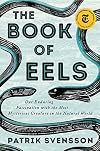
The Book of Eels: Our Enduring Fascination with the Most Mysterious Creature in the Natural World by Patrik Svensson
I really honestly thought I'd learn more about eels. And not just one kind of eel, but plural-eels.
I feel bad that I don't care about the author's relationship with his father but I wanted to read The Book of Eels, not The Book of a Man Reflecting on His Father and Mortality Via the Narrative Device of Eel-Fishing.
I also do not care about Freud and think it's really quite a stretch to think any of Freud's later theories came from his summer of eel science.
I found a LOT of the supposition in show more the supposedly scientific chapters of this book full of "well this COULD be true" handwaving, which is really horrible writing because people who haven't been taught to read scientific papers can easily read that as "this IS true." Because it's in a book that uses scientific language. I find it unprofessional and tantamount to fraud, and also intellectually lazy.
My kindle version of this book is full of a lot of all-caps outrage.
I think if Svensson had wanted to write a memoir about his father and share some eel/science facts and also muse on metaphysics, religion, and the meaning of life - he's welcome to do so. But it's vitally important to maintain scrupulous clarity regarding which of those things one is doing in any given piece of writing. And he blurs the line between "eel/science facts" and "muse on metaphysics; religion, and the meaning of life" far more than anyone should while still being taken seriously.
Thomas Nagel was also done dirty, by essentially dismissing "What Is It Like to Be a Bat?" by saying - this is a direct quote - "But it’s not enough, Nagel argued. When it comes to consciousness, there are states that are completely unknown to us and will remain so, even if the human species were to survive until the end of time. Some things will always remain out of our grasp, be they about bats or eels. We can learn where these creatures come from, how they move and navigate, we can get to know them, almost as humans, but we will never fully understand what it’s like to be them.
This is a logical approach to the world, and by all appearances correct. And yet it’s tempting to think Rachel Carson did manage to reach a kind of understanding that shouldn’t really be possible. Not through reductionism or empiricism or even science’s traditional belief in truth as it appears under the microscope, but by having faith in an ability that may in fact be unique to humans: imagination."
SO IF WE JUST USE OUR HUMAN MAGIC POWER OF IMAGINATION WE CAN KNOW WHAT IT'S LIKE TO BE ALL OTHER ANIMALS
This doesn't give bats OR eels enough credit. And it gives humans far too much. And shows a deep, fundamental misunderstanding of Nagel's work.
This is the exact kind of thing that makes me unable to overlook the memoir or comparisons of eels to Jesus to enjoy the eel facts in this book. It is trying to hard to make eels fit the author's theories and needs, rather than allowing eels to be exactly who and what they are.
I received a free electronic ARC of this book from the publisher in exchange for an honest review, which they may regret. show less
I feel bad that I don't care about the author's relationship with his father but I wanted to read The Book of Eels, not The Book of a Man Reflecting on His Father and Mortality Via the Narrative Device of Eel-Fishing.
I also do not care about Freud and think it's really quite a stretch to think any of Freud's later theories came from his summer of eel science.
I found a LOT of the supposition in show more the supposedly scientific chapters of this book full of "well this COULD be true" handwaving, which is really horrible writing because people who haven't been taught to read scientific papers can easily read that as "this IS true." Because it's in a book that uses scientific language. I find it unprofessional and tantamount to fraud, and also intellectually lazy.
My kindle version of this book is full of a lot of all-caps outrage.
I think if Svensson had wanted to write a memoir about his father and share some eel/science facts and also muse on metaphysics, religion, and the meaning of life - he's welcome to do so. But it's vitally important to maintain scrupulous clarity regarding which of those things one is doing in any given piece of writing. And he blurs the line between "eel/science facts" and "muse on metaphysics; religion, and the meaning of life" far more than anyone should while still being taken seriously.
Thomas Nagel was also done dirty, by essentially dismissing "What Is It Like to Be a Bat?" by saying - this is a direct quote - "But it’s not enough, Nagel argued. When it comes to consciousness, there are states that are completely unknown to us and will remain so, even if the human species were to survive until the end of time. Some things will always remain out of our grasp, be they about bats or eels. We can learn where these creatures come from, how they move and navigate, we can get to know them, almost as humans, but we will never fully understand what it’s like to be them.
This is a logical approach to the world, and by all appearances correct. And yet it’s tempting to think Rachel Carson did manage to reach a kind of understanding that shouldn’t really be possible. Not through reductionism or empiricism or even science’s traditional belief in truth as it appears under the microscope, but by having faith in an ability that may in fact be unique to humans: imagination."
SO IF WE JUST USE OUR HUMAN MAGIC POWER OF IMAGINATION WE CAN KNOW WHAT IT'S LIKE TO BE ALL OTHER ANIMALS
This doesn't give bats OR eels enough credit. And it gives humans far too much. And shows a deep, fundamental misunderstanding of Nagel's work.
This is the exact kind of thing that makes me unable to overlook the memoir or comparisons of eels to Jesus to enjoy the eel facts in this book. It is trying to hard to make eels fit the author's theories and needs, rather than allowing eels to be exactly who and what they are.
I received a free electronic ARC of this book from the publisher in exchange for an honest review, which they may regret. show less

An unusual, and very charming interdisciplinary look at eels, our relationship with them as objects of culinary, scientific, ecological, religious, literary, historical and philosophical interest, interleaved with the more personal story of the role of eel-related father-son bonding moments in the author's own life, and at what that tells us about recent Swedish social history.
At the centre of the story is the way that eels are in one sense quite familiar, everyday creatures — we may only show more rarely see them but we know they are around, or at least we think we do — and in another sense deeply mysterious, living important parts of their lives in ways that science has had great difficulties studying. We know, for instance, that eel larvae appear to migrate across the Atlantic from the Sargasso Sea, and that sexually mature eels have been seen heading towards it, so it seems to follow that that's where eels breed, but despite many attempts, no-one has actually seen any sign of them doing it (the Japanese eel is slightly less coy than its Atlantic cousins, apparently).
It almost seems too good to be true that Sigmund Freud had his first scientific job attempting to find an eel with male sex organs, in a marine science lab in Trieste. Svensson looks at this, and many other wonderful anecdotes from the history of great scientists struggling with "the eel question". And at eels in literature, with starring roles for Graham Swift and Günter Grass, as we would expect (but no mention of Arthur Ransome, sadly). There's a little bit about eels in various religions and popular beliefs, although this doesn't go quite as deep as the more zoological parts of the book. And quite a lot, as we would expect, about how eels now seem to be under threat from human activity, and how their obscure life-cycle complicates things (species are counted by numbers of breeding adults, but for the eel that's exactly the thing we know least about!).
The personal story of Svensson's relationship with his working-class father, as expressed through their night-time eel-fishing expeditions together, alternates with these more general sections of the book. And they are, like most fishing stories, much more about the fishermen than about the fish (or indeed the fishing). Quite moving at times, but also often touching and funny.
An interesting and lively book, even if ichthyology isn't your thing. show less
At the centre of the story is the way that eels are in one sense quite familiar, everyday creatures — we may only show more rarely see them but we know they are around, or at least we think we do — and in another sense deeply mysterious, living important parts of their lives in ways that science has had great difficulties studying. We know, for instance, that eel larvae appear to migrate across the Atlantic from the Sargasso Sea, and that sexually mature eels have been seen heading towards it, so it seems to follow that that's where eels breed, but despite many attempts, no-one has actually seen any sign of them doing it (the Japanese eel is slightly less coy than its Atlantic cousins, apparently).
It almost seems too good to be true that Sigmund Freud had his first scientific job attempting to find an eel with male sex organs, in a marine science lab in Trieste. Svensson looks at this, and many other wonderful anecdotes from the history of great scientists struggling with "the eel question". And at eels in literature, with starring roles for Graham Swift and Günter Grass, as we would expect (but no mention of Arthur Ransome, sadly). There's a little bit about eels in various religions and popular beliefs, although this doesn't go quite as deep as the more zoological parts of the book. And quite a lot, as we would expect, about how eels now seem to be under threat from human activity, and how their obscure life-cycle complicates things (species are counted by numbers of breeding adults, but for the eel that's exactly the thing we know least about!).
The personal story of Svensson's relationship with his working-class father, as expressed through their night-time eel-fishing expeditions together, alternates with these more general sections of the book. And they are, like most fishing stories, much more about the fishermen than about the fish (or indeed the fishing). Quite moving at times, but also often touching and funny.
An interesting and lively book, even if ichthyology isn't your thing. show less
Lists
Awards


You May Also Like


Associated Authors
Statistics
- Works
- 2
- Members
- 936
- Popularity
- #27,446
- Rating
- 3.9
- Reviews
- 34
- ISBNs
- 62
- Languages
- 11