
Anna Stuart
Author of The Midwife of Auschwitz
Series
Works by Anna Stuart
The War Orphan: An unputdownable and heart-wrenching WW2 historical fiction novel (Women of War) (2024) 17 copies, 2 reviews
The Bletchley Girls: Inspired by a heartbreaking true story, an emotional and gripping World War 2 novel (The Bletchley Park Girls) (2022) 10 copies, 1 review
De vroedvrouw van Auschwitz roman 4 copies
The English Wife: A completely gripping and inspirational World War 2 historical novel (Inspirational WW2 stories) 3 copies, 1 review
The Secret Message: A completely page-turning and tear-jerking WW2 historical fiction novel (Women of War) (2024) 3 copies
Tagged
Common Knowledge
- Legal name
- barnden, Joanna
- Other names
- Courtney, Joanna
- Birthdate
- 1948-05-02
- Gender
- female
- Nationality
- USA
- Associated Place (for map)
- USA
Members
Reviews
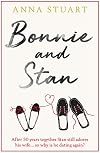
Absolutely adored Bonnie and Stan! Beautifully written, it is a tender and bittersweet celebration of the relationship between these endearing soulmates in their seventies and how they come to terms with Stan’s diagnosis. In alternating flashbacks we are transported back in time to the wonderful backdrop of Liverpool at the peak of its music scene when The Beatles are kings and everyone is trying to become the next big thing. This is the beginning of Bonnie And Stan’s love story. Bonnie, show more an architect student, is introduced to an upcoming band which Stan is a member of and until almost the very end you are kept guessing as to Stan’s identity and which of the bandmates Bonnie ultimately falls in love and builds a life with.
I’m glad I took a chance on this unfamiliar book and author. I laughed and I cried and I couldn’t help but reflect on my own fond memories and how I would handle similar circumstances. Despite the terrible diagnosis, Bonnie and Stan’s story was a joy to read and I loved every minute of it. show less
I’m glad I took a chance on this unfamiliar book and author. I laughed and I cried and I couldn’t help but reflect on my own fond memories and how I would handle similar circumstances. Despite the terrible diagnosis, Bonnie and Stan’s story was a joy to read and I loved every minute of it. show less
The Midwife of Auschwitz: Inspired by a heartbreaking true story, an emotional and gripping World War 2 historical novel (Women of War) by Anna Stuart
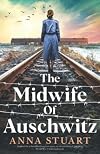
March 17, 2025 - Library Borrowed.
Starting this today, this is the first book for me by Anna Stuart and of the war.
Finished, April 16, 2025
___
It’s not just a war story—it’s a story about women, sisterhood, and resilience.
The way it centers female experience (especially around childbirth and caregiving in the most brutal circumstances) makes it stand out from a lot of other WWII fiction.
🧠 Based on Real History
While the characters are fictional, the story is inspired by real show more accounts of midwives in concentration camps. It touches on true Nazi policies, like the kidnapping of "Aryan-looking" babies to be raised in German families, and the way medical professionals were used (or exploited) in camps.
📖 Narrative Style
The story is told in third-person, mainly following Ana and Ester's perspectives, offering a deep emotional connection to their inner thoughts and experiences.
⚠️ Content warnings:
As expected, there are disturbing themes—death, separation, medical trauma, Nazi violence. It’s handled with sensitivity, but it’s intense.
• Holocaust atrocities – Including mass murder, forced labor, and systemic cruelty.
• Death and grief – Loss of family members, friends, and innocent lives.
• Medical trauma – Graphic childbirth scenes, medical experimentation, and lack of proper care.
• Infant death and child separation – A particularly heartbreaking aspect, as babies are taken from their mothers or perish due to conditions.
• Violence and abuse – Physical and psychological torment inflicted by Nazi officers.
• Sexual assault (implied but not graphic) – Some references to sexual violence, a harsh reality in the camps.
• Malnutrition and illness – Graphic descriptions of starvation and disease.
It’s all handled with care and sensitivity, but the realism makes it intense. Readers should be emotionally prepared for a difficult yet important read.
This book would be perfect for someone who is in the mood for something:
• Emotionally powerful – A story that tugs at your heart and stays with you long after you turn the last page.
• Historically rich – Deeply rooted in the real-life horrors and heroism of World War II, especially the lesser-known stories of women in Auschwitz.
• Inspiring and courageous – Focused on resilience, friendship, and hope in the darkest of times.
• Character-driven – With strong, compassionate female leads navigating impossible choices.
Thought-provoking – Ideal for readers who want to reflect on human strength, moral dilemmas, and the will to survive.
The pace of The Midwife of Auschwitz can be described as steady with moments of intensity. Here's a breakdown:
• Steady overall – The book takes time to develop the characters and their backstories, especially early on, which helps build emotional connection and historical context.
• Emotionally driven – It doesn’t rush through events; instead, it lingers on the emotional weight of the characters' experiences, which gives it a thoughtful, deliberate feel.
• Intense peaks – As the story moves deeper into life in Auschwitz and the midwifery role under Nazi cruelty, the tension and pace pick up. Certain scenes—especially involving childbirth, escape attempts, or Nazi brutality—are gripping and fast-moving.
• Reflective moments – Between action or suspenseful sections, there are quiet, introspective pauses that explore trauma, hope, and resilience.
The Midwife of Auschwitz is primarily character-driven, though the plot is certainly compelling. Here's how it breaks down:
• Character-Driven Aspects: The heart of the story lies in Ana and Ester’s relationship, their inner strength, and how they respond to the horrors around them.
• Much of the tension and emotion comes from the personal choices they make rather than external action.
• The novel gives rich internal perspectives—their fears, hopes, and moral dilemmas—which drive the emotional impact.
Plot Elements:
• The setting (Auschwitz, 1943) and events are intense and high-stakes, but the plot serves the development of the characters more than the other way around.
• There are key dramatic moments—escape attempts, tragic losses, childbirths under Nazi rule—but they’re meaningful because we’re so deeply connected to the characters experiencing them.
The Midwife of Auschwitz has very strong character development, especially when it comes to the two main characters, Ana and Ester. Here’s why it stands out:
1. Deep emotional arcs
• Both women start the novel with their own personal fears, traumas, and hopes, and by the end, they’ve been transformed by the horrors and small triumphs they experience in Auschwitz.
• You see them evolve in their strength, courage, and moral resolve as they face unthinkable situations.
2. Growth under pressure
• The extreme setting forces Ana and Ester to make impossible decisions, and how they handle those decisions reveals their growth.
• They go from being survivors to quiet resisters, finding ways to preserve life, dignity, and hope in a place designed to strip it away.
3. Nuanced portrayals
• The book doesn’t just show them as heroes—it shows their moments of fear, doubt, even despair. • That vulnerability makes their strength feel earned and real.
Many readers (and likely you will too) find the characters incredibly lovable, relatable, and deeply human, especially Ana and Ester. Here’s why they really resonate:
Ana Kaminski
• She’s compassionate and self-sacrificing, stepping up as a midwife not just to survive but to protect the most vulnerable in the camp: mothers and babies.
• Her quiet bravery and unwavering moral compass make her someone you root for and admire.
• She's not perfect, which makes her feel real—she struggles, doubts, grieves—but still chooses hope.
Ester Pasternak
• As a young Jewish woman, Ester brings a different kind of strength—emotional resilience, loyalty, and tenderness.
• Her bond with Ana is one of the most touching parts of the book, and her vulnerability makes her incredibly endearing.
Even many of the side characters, though not as developed, carry emotional weight and represent different facets of survival, resistance, and humanity. So while "loveable" might feel like an odd word for such a heavy setting, these characters are absolutely the kind that stay with you, in the best way—like people you’ll never forget after walking through something life-changing with them.
In terms of ethnic or cultural diversity, the cast in The Midwife of Auschwitz is somewhat limited, but historically appropriate for the setting. The main characters include Ana, a Catholic Polish woman, and Ester, a young Jewish woman. There are also other Jewish prisoners, some Romani characters, and Nazi officers—but the diversity is mostly within the context of Holocaust-era Europe.
In terms of personal stories, backgrounds, and emotional range, the cast is quite diverse. You meet characters who are mothers, nurses, survivors, collaborators, resistors—each with very different reactions to trauma and moral challenges. There’s a broad spectrum of courage, fear, and survival tactics, which adds richness even if the cultural diversity is naturally limited by the setting. So while it’s not “diverse” in a modern, global sense (and that’s fair, given the story’s time and place), it’s still a cast that feels multifaceted and emotionally wide-ranging.
The flaws of the main characters aren’t the central focus, but they’re definitely woven into the narrative in meaningful ways—which adds depth without overshadowing their courage.
• Ana is strong and compassionate, but she carries guilt, fear, and a fierce sense of responsibility that sometimes blinds her to her own limits. She struggles with the burden of saving lives when she can't save everyone, and that internal conflict is very humanizing.
• Ester is young, emotional, and sometimes impulsive, especially early on. Her fear and grief can feel overwhelming, but she grows into her strength, and those early vulnerabilities make her transformation feel earned.
Why it works, the book is more focused on resilience, loyalty, and survival, but the characters’ flaws are not ignored—they’re just treated with compassion, not as moral failings but as part of being human under impossible conditions. You see moments of doubt, helplessness, even quiet anger—and these flaws don’t detract from their heroism, they amplify it. So, while it’s not a deep character study centered on inner flaws, the story does a great job of balancing strength and vulnerability—which makes the characters feel real and relatable.
Based on its emotional impact, character depth, historical grounding, and writing quality, I’d give The Midwife of Auschwitz a solid:
⭐️⭐️⭐️⭐️(4 out of 5)
Here’s my breakdown:
+ Emotional power: It hits hard, and the humanity in the story really lingers.
+ Strong character development: Especially Ana and Ester—relatable, flawed, brave.
+ Well-researched historical context: You can feel the care taken to honor real experiences.
+ Uplifting themes in a dark setting: It balances horror with hope really well.
– Slightly predictable plot at times: Not a major downside, but if you read a lot of WWII fiction, you might see a few familiar beats.
🌟 Main Themes
• Survival and resilience – The power of the human spirit under unimaginable circumstances.
• Female friendship and solidarity – A central, beautiful bond between two women that carries the emotional core.
• Hope in darkness – Despite the brutality of Auschwitz, there are moments of compassion, courage, and quiet rebellion.
• Motherhood and birth – A unique angle on life and loss through the lens of midwifery in a death camp.
• Sacrifice and moral courage – The characters constantly face life-or-death decisions that test their ethics and strength.
📚 Key Topics
• The Holocaust / WWII
• Auschwitz concentration camp
• Jewish and Polish experiences during Nazi occupation
• Medical ethics and wartime caregiving
• Nazi policies (especially around forced labor and child abduction)
• Resistance through small act
🧩 Notable Tropes
• "Found family" in crisis – Ana and Ester form a deep, almost sister-like bond.
• "Quiet heroism" – Ana’s resistance is not loud or dramatic, but quietly powerful.
• "Tragedy and triumph" – Gut-wrenching lows are balanced by moments of unexpected hope.
• "Historical heroine based on real events" – Inspired by true stories of midwives in the camps.
• "The protector" – Ana steps into a caregiver/protector role at great risk to herself. show less
Starting this today, this is the first book for me by Anna Stuart and of the war.
Finished, April 16, 2025
___
It’s not just a war story—it’s a story about women, sisterhood, and resilience.
The way it centers female experience (especially around childbirth and caregiving in the most brutal circumstances) makes it stand out from a lot of other WWII fiction.
🧠 Based on Real History
While the characters are fictional, the story is inspired by real show more accounts of midwives in concentration camps. It touches on true Nazi policies, like the kidnapping of "Aryan-looking" babies to be raised in German families, and the way medical professionals were used (or exploited) in camps.
📖 Narrative Style
The story is told in third-person, mainly following Ana and Ester's perspectives, offering a deep emotional connection to their inner thoughts and experiences.
⚠️ Content warnings:
As expected, there are disturbing themes—death, separation, medical trauma, Nazi violence. It’s handled with sensitivity, but it’s intense.
• Holocaust atrocities – Including mass murder, forced labor, and systemic cruelty.
• Death and grief – Loss of family members, friends, and innocent lives.
• Medical trauma – Graphic childbirth scenes, medical experimentation, and lack of proper care.
• Infant death and child separation – A particularly heartbreaking aspect, as babies are taken from their mothers or perish due to conditions.
• Violence and abuse – Physical and psychological torment inflicted by Nazi officers.
• Sexual assault (implied but not graphic) – Some references to sexual violence, a harsh reality in the camps.
• Malnutrition and illness – Graphic descriptions of starvation and disease.
It’s all handled with care and sensitivity, but the realism makes it intense. Readers should be emotionally prepared for a difficult yet important read.
This book would be perfect for someone who is in the mood for something:
• Emotionally powerful – A story that tugs at your heart and stays with you long after you turn the last page.
• Historically rich – Deeply rooted in the real-life horrors and heroism of World War II, especially the lesser-known stories of women in Auschwitz.
• Inspiring and courageous – Focused on resilience, friendship, and hope in the darkest of times.
• Character-driven – With strong, compassionate female leads navigating impossible choices.
Thought-provoking – Ideal for readers who want to reflect on human strength, moral dilemmas, and the will to survive.
The pace of The Midwife of Auschwitz can be described as steady with moments of intensity. Here's a breakdown:
• Steady overall – The book takes time to develop the characters and their backstories, especially early on, which helps build emotional connection and historical context.
• Emotionally driven – It doesn’t rush through events; instead, it lingers on the emotional weight of the characters' experiences, which gives it a thoughtful, deliberate feel.
• Intense peaks – As the story moves deeper into life in Auschwitz and the midwifery role under Nazi cruelty, the tension and pace pick up. Certain scenes—especially involving childbirth, escape attempts, or Nazi brutality—are gripping and fast-moving.
• Reflective moments – Between action or suspenseful sections, there are quiet, introspective pauses that explore trauma, hope, and resilience.
The Midwife of Auschwitz is primarily character-driven, though the plot is certainly compelling. Here's how it breaks down:
• Character-Driven Aspects: The heart of the story lies in Ana and Ester’s relationship, their inner strength, and how they respond to the horrors around them.
• Much of the tension and emotion comes from the personal choices they make rather than external action.
• The novel gives rich internal perspectives—their fears, hopes, and moral dilemmas—which drive the emotional impact.
Plot Elements:
• The setting (Auschwitz, 1943) and events are intense and high-stakes, but the plot serves the development of the characters more than the other way around.
• There are key dramatic moments—escape attempts, tragic losses, childbirths under Nazi rule—but they’re meaningful because we’re so deeply connected to the characters experiencing them.
The Midwife of Auschwitz has very strong character development, especially when it comes to the two main characters, Ana and Ester. Here’s why it stands out:
1. Deep emotional arcs
• Both women start the novel with their own personal fears, traumas, and hopes, and by the end, they’ve been transformed by the horrors and small triumphs they experience in Auschwitz.
• You see them evolve in their strength, courage, and moral resolve as they face unthinkable situations.
2. Growth under pressure
• The extreme setting forces Ana and Ester to make impossible decisions, and how they handle those decisions reveals their growth.
• They go from being survivors to quiet resisters, finding ways to preserve life, dignity, and hope in a place designed to strip it away.
3. Nuanced portrayals
• The book doesn’t just show them as heroes—it shows their moments of fear, doubt, even despair. • That vulnerability makes their strength feel earned and real.
Many readers (and likely you will too) find the characters incredibly lovable, relatable, and deeply human, especially Ana and Ester. Here’s why they really resonate:
Ana Kaminski
• She’s compassionate and self-sacrificing, stepping up as a midwife not just to survive but to protect the most vulnerable in the camp: mothers and babies.
• Her quiet bravery and unwavering moral compass make her someone you root for and admire.
• She's not perfect, which makes her feel real—she struggles, doubts, grieves—but still chooses hope.
Ester Pasternak
• As a young Jewish woman, Ester brings a different kind of strength—emotional resilience, loyalty, and tenderness.
• Her bond with Ana is one of the most touching parts of the book, and her vulnerability makes her incredibly endearing.
Even many of the side characters, though not as developed, carry emotional weight and represent different facets of survival, resistance, and humanity. So while "loveable" might feel like an odd word for such a heavy setting, these characters are absolutely the kind that stay with you, in the best way—like people you’ll never forget after walking through something life-changing with them.
In terms of ethnic or cultural diversity, the cast in The Midwife of Auschwitz is somewhat limited, but historically appropriate for the setting. The main characters include Ana, a Catholic Polish woman, and Ester, a young Jewish woman. There are also other Jewish prisoners, some Romani characters, and Nazi officers—but the diversity is mostly within the context of Holocaust-era Europe.
In terms of personal stories, backgrounds, and emotional range, the cast is quite diverse. You meet characters who are mothers, nurses, survivors, collaborators, resistors—each with very different reactions to trauma and moral challenges. There’s a broad spectrum of courage, fear, and survival tactics, which adds richness even if the cultural diversity is naturally limited by the setting. So while it’s not “diverse” in a modern, global sense (and that’s fair, given the story’s time and place), it’s still a cast that feels multifaceted and emotionally wide-ranging.
The flaws of the main characters aren’t the central focus, but they’re definitely woven into the narrative in meaningful ways—which adds depth without overshadowing their courage.
• Ana is strong and compassionate, but she carries guilt, fear, and a fierce sense of responsibility that sometimes blinds her to her own limits. She struggles with the burden of saving lives when she can't save everyone, and that internal conflict is very humanizing.
• Ester is young, emotional, and sometimes impulsive, especially early on. Her fear and grief can feel overwhelming, but she grows into her strength, and those early vulnerabilities make her transformation feel earned.
Why it works, the book is more focused on resilience, loyalty, and survival, but the characters’ flaws are not ignored—they’re just treated with compassion, not as moral failings but as part of being human under impossible conditions. You see moments of doubt, helplessness, even quiet anger—and these flaws don’t detract from their heroism, they amplify it. So, while it’s not a deep character study centered on inner flaws, the story does a great job of balancing strength and vulnerability—which makes the characters feel real and relatable.
Based on its emotional impact, character depth, historical grounding, and writing quality, I’d give The Midwife of Auschwitz a solid:
⭐️⭐️⭐️⭐️(4 out of 5)
Here’s my breakdown:
+ Emotional power: It hits hard, and the humanity in the story really lingers.
+ Strong character development: Especially Ana and Ester—relatable, flawed, brave.
+ Well-researched historical context: You can feel the care taken to honor real experiences.
+ Uplifting themes in a dark setting: It balances horror with hope really well.
– Slightly predictable plot at times: Not a major downside, but if you read a lot of WWII fiction, you might see a few familiar beats.
🌟 Main Themes
• Survival and resilience – The power of the human spirit under unimaginable circumstances.
• Female friendship and solidarity – A central, beautiful bond between two women that carries the emotional core.
• Hope in darkness – Despite the brutality of Auschwitz, there are moments of compassion, courage, and quiet rebellion.
• Motherhood and birth – A unique angle on life and loss through the lens of midwifery in a death camp.
• Sacrifice and moral courage – The characters constantly face life-or-death decisions that test their ethics and strength.
📚 Key Topics
• The Holocaust / WWII
• Auschwitz concentration camp
• Jewish and Polish experiences during Nazi occupation
• Medical ethics and wartime caregiving
• Nazi policies (especially around forced labor and child abduction)
• Resistance through small act
🧩 Notable Tropes
• "Found family" in crisis – Ana and Ester form a deep, almost sister-like bond.
• "Quiet heroism" – Ana’s resistance is not loud or dramatic, but quietly powerful.
• "Tragedy and triumph" – Gut-wrenching lows are balanced by moments of unexpected hope.
• "Historical heroine based on real events" – Inspired by true stories of midwives in the camps.
• "The protector" – Ana steps into a caregiver/protector role at great risk to herself. show less

Many of us have read WWII historical fiction. We've seen the ordeal of those terrible times and how it impacted innocent citizens of the Allied nations or on the persecuted such as the Jews and the Poles. But hardly any time has a story focussed on the non-Jewish German civilians who were caught up in a conflict for no fault of theirs. Nor is there an account of what happens to places such as zoos during a war. That’s where such books make a huge difference. Albeit through fiction, they show more force us to ponder upon what hardly ever comes to our minds.
“The Berlin Zookeeper” comes to us from the perspectives of two strong ladies:
Bethany, England, 2019: On the day of her mother's death, eleven year old Bethan finds a list of names amid her mother’s jewellery. All the names are unknown to her and her father hushes away the matter sternly. Now grown up and working as a vet, Bethany finally finds a clue to the first name in the list, a lady who worked at the Berlin Zoo during the second World War. Capitalising on the opportunity to find out more about the family secret, Bethany picks up a one-year internship at the famous Berlin Zoo. Will she be able to solve the mystery of her past?
Katharina Heinroth, Germany, 1943-45: An expert on animals, Katharina works along with her much older husband Oskar in the Berlin Zoo. Being a woman, she cannot be listed on the zoo’s roster as an employee, but every member of the staff knows that “the one and only Katharina” is right at par with her husband in their knowledge about animals and their love for the zoo. However, with the Nazi party creating greater troubles for them every day and the news about the Russian army raids from the East, it appears that the future of the zoo and its dwellers (both human and otherwise) is at great stake. Will Katharina be able to safeguard her beloved zoo and her “Zoofamilie”, the other employees and their families who reside on the zoo grounds?
The books starts off a little slowly, and this pace is further hampered by the umpteen character names that keep coming up. But once you get a hang of who’s who, the story rushes ahead and you will be engrossed till the end. The alternating timelines help in keeping the interest high. Both the stories have a little bit of mystery to them that gets resolved only at the very end. While it is partly possible to guess the mystery (it’s not a thriller after all), the author throws enough curveballs to push you off course time and again.
What I enjoyed:
• For a multi-pov book to work, you must feel equally invested in all the perspectives. And that happened quite successfully. Both Bethany’s and Katharina’s stories suck you in emotionally.
• I preferred Katharina’s story for the obvious reason that it contains more drama. There were many segments that made me doubt the narrative, but to my great surprise, Katharina Heinroth was an actual person; so was her husband Oskar and some of the Nazi supporters such as Lutz. The stories of the zoo employees and their connection to Bethany’s narrative might be entirely fictional, but it blended seamlessly with the reality of Katharina’s life.
• The author has done her homework really well in portraying the German civilian life under the Nazis. I haven’t read any book about WWII that is set in Germany and still doesn’t mention the Jewish persecution. It was a nice change, though I do like reading Holocaust stories too.
What could have been better:
• I didn’t quite enjoy the clichéd romantic triangle between Bethany, Callum and Mark. It was so predictable. Callum was a stereotypical soon-to-be-ex-boyfriend in every sense of the word. It would have been nice to see a platonic friendship between Bethany and Mark. Why does every strong woman need to get the man in order for the book to have a happy ending?
• Some part of the zoo narrative seems a bit farfetched. I mean, elephants trumpeting in response when you talk to them and rhinos showing off their tricks to a captive audience? Works in children’s fiction maybe, not in historical fiction. Letting the human characters show a strong connect to the zoo animals is enough. The cutesy responses from the animals trivialises their lives under captivity.
In spite of these two factors, I did enjoy the story, if for nothing else, for the insight it gave me into life in the Berlin Zoo during the WWII era. I would definitely recommend this to those who enjoy historical fiction.
If you are a more aware person, you might have heard of the terrible damage inflicted on the famous Berlin Zoo during the Allied bombing. There is a movie based on this incident named “The Zookeeper’s Wife”, which, in turn, is based on a book of the same name by Diane Ackerman. I hadn’t heard/read/watched any of this. So to read all the trauma caused to animals and then realise that most of it is based on true incidents was enough to make my gut churn. There are many instances of animal deaths and torture mentioned in the Katharina narrative. So those sensitive about such topics, well, it actually happened, whether you choose to read or skip the book.
Thank you, NetGalley and Bookouture, for the Advanced Review Copy of the book in exchange for an honest review.
***********************
Join me on the Facebook group, Readers Forever!, for more reviews, book-related discussions and fun.
Follow me on Instagram: RoshReviews show less
“The Berlin Zookeeper” comes to us from the perspectives of two strong ladies:
Bethany, England, 2019: On the day of her mother's death, eleven year old Bethan finds a list of names amid her mother’s jewellery. All the names are unknown to her and her father hushes away the matter sternly. Now grown up and working as a vet, Bethany finally finds a clue to the first name in the list, a lady who worked at the Berlin Zoo during the second World War. Capitalising on the opportunity to find out more about the family secret, Bethany picks up a one-year internship at the famous Berlin Zoo. Will she be able to solve the mystery of her past?
Katharina Heinroth, Germany, 1943-45: An expert on animals, Katharina works along with her much older husband Oskar in the Berlin Zoo. Being a woman, she cannot be listed on the zoo’s roster as an employee, but every member of the staff knows that “the one and only Katharina” is right at par with her husband in their knowledge about animals and their love for the zoo. However, with the Nazi party creating greater troubles for them every day and the news about the Russian army raids from the East, it appears that the future of the zoo and its dwellers (both human and otherwise) is at great stake. Will Katharina be able to safeguard her beloved zoo and her “Zoofamilie”, the other employees and their families who reside on the zoo grounds?
The books starts off a little slowly, and this pace is further hampered by the umpteen character names that keep coming up. But once you get a hang of who’s who, the story rushes ahead and you will be engrossed till the end. The alternating timelines help in keeping the interest high. Both the stories have a little bit of mystery to them that gets resolved only at the very end. While it is partly possible to guess the mystery (it’s not a thriller after all), the author throws enough curveballs to push you off course time and again.
What I enjoyed:
• For a multi-pov book to work, you must feel equally invested in all the perspectives. And that happened quite successfully. Both Bethany’s and Katharina’s stories suck you in emotionally.
• I preferred Katharina’s story for the obvious reason that it contains more drama. There were many segments that made me doubt the narrative, but to my great surprise, Katharina Heinroth was an actual person; so was her husband Oskar and some of the Nazi supporters such as Lutz. The stories of the zoo employees and their connection to Bethany’s narrative might be entirely fictional, but it blended seamlessly with the reality of Katharina’s life.
• The author has done her homework really well in portraying the German civilian life under the Nazis. I haven’t read any book about WWII that is set in Germany and still doesn’t mention the Jewish persecution. It was a nice change, though I do like reading Holocaust stories too.
What could have been better:
• I didn’t quite enjoy the clichéd romantic triangle between Bethany, Callum and Mark. It was so predictable. Callum was a stereotypical soon-to-be-ex-boyfriend in every sense of the word. It would have been nice to see a platonic friendship between Bethany and Mark. Why does every strong woman need to get the man in order for the book to have a happy ending?
• Some part of the zoo narrative seems a bit farfetched. I mean, elephants trumpeting in response when you talk to them and rhinos showing off their tricks to a captive audience? Works in children’s fiction maybe, not in historical fiction. Letting the human characters show a strong connect to the zoo animals is enough. The cutesy responses from the animals trivialises their lives under captivity.
In spite of these two factors, I did enjoy the story, if for nothing else, for the insight it gave me into life in the Berlin Zoo during the WWII era. I would definitely recommend this to those who enjoy historical fiction.
If you are a more aware person, you might have heard of the terrible damage inflicted on the famous Berlin Zoo during the Allied bombing. There is a movie based on this incident named “The Zookeeper’s Wife”, which, in turn, is based on a book of the same name by Diane Ackerman. I hadn’t heard/read/watched any of this. So to read all the trauma caused to animals and then realise that most of it is based on true incidents was enough to make my gut churn. There are many instances of animal deaths and torture mentioned in the Katharina narrative. So those sensitive about such topics, well, it actually happened, whether you choose to read or skip the book.
Thank you, NetGalley and Bookouture, for the Advanced Review Copy of the book in exchange for an honest review.
***********************
Join me on the Facebook group, Readers Forever!, for more reviews, book-related discussions and fun.
Follow me on Instagram: RoshReviews show less
The English Wife: A completely gripping and inspirational World War 2 historical novel (Inspirational WW2 stories) by Anna Stuart
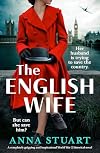
While Winston co-ordinates battles across Europe, Clementine finds herself in the spotlight for the first time. Her husband’s name may be on the lips of every soldier and politician but she knows as she visits hospitals and campaigns for better conditions in air raid shelters, that the ordinary people speak her name just as much. She realises she has the potential to make a difference–not as Winston’s shadow in the background but as Clementine Churchill…..AND WHAT A DIFFERENCE SHE show more MADE!
This story is very well researched and I loved Clementine from start to finish. I have read quite a lot about the Churchill family. Clementine has always been in the back ground. Well, this novel brings her front and center. And she was an amazing woman. She is so strong. And her courage and intelligence comes out in every page of this novel. And let me tell you…Winston would have been nowhere without her!
The narrator, Jane McDowell, has such a calming, smooth voice. I really enjoyed her!
Need a story about a great woman…THIS IS IT! Grab your copy today.
I received this novel from the publisher for a honest review. show less
This story is very well researched and I loved Clementine from start to finish. I have read quite a lot about the Churchill family. Clementine has always been in the back ground. Well, this novel brings her front and center. And she was an amazing woman. She is so strong. And her courage and intelligence comes out in every page of this novel. And let me tell you…Winston would have been nowhere without her!
The narrator, Jane McDowell, has such a calming, smooth voice. I really enjoyed her!
Need a story about a great woman…THIS IS IT! Grab your copy today.
I received this novel from the publisher for a honest review. show less
Lists
THE WAR ROOM (1)
You May Also Like
Associated Authors
Statistics
- Works
- 18
- Members
- 421
- Popularity
- #57,941
- Rating
- 4.3
- Reviews
- 21
- ISBNs
- 45
- Languages
- 4
- Favorited
- 1