
Juan Li (1979–)
Author of Winter Pasture: One Woman's Journey with China's Kazakh Herders
Juan Li is Li Juan (1). For other authors named Li Juan, see the disambiguation page.
Works by Juan Li
Tagged
Common Knowledge
Members
Reviews
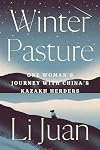
Recently I've been very intrigued by steppe cultures (especially the Kazakh people, but that's really just because I'm enamored with the language), so I couldn't pass checking this one out when I found it at the library. Even if this sort of nonfiction makes me a little wary—this kind of cultural tourism, as the author says—I was still surprised at how much I enjoyed reading it.
Content warnings:
- sexism
- colorism
- an annoying emphasis on thinness and traditional gender roles on the show more author's part/narration
In the Altai Mountains, Northwest China, writer Li Juan is encouraged to spend a winter with their town's Kazakh herders as they journey to the winter pastures with their 30 camels, 500 sheep, and 100 cows. The herders are being urged and compensated to settle due to overgrazing, so their nomadic lifestyle is coming to an end, with mixed feelings. Li spends her winter in a freezing desert that stretches from the Ulungur River to the Tien Shan Mountains with Cuma, the hilarious head of the family who has a soft heart and a weakness for drinking, his hard-working wife (just called "Sister-in-law"), and their bright daughter, Kama who had to drop out of school to help them on the pastures (but who still dreams of going to college).
I immediately felt a kinship with the Kazakh herders who have to settle due to overgrazing. My grandfather is góral, a people from the Polish Carpathian Mountains whose culture also has had centuries-old traditions of transhumance. There's lots of regulations now along the Carpathian Mountain chain for shepherds, and not many are allowed to do it anymore. I've always felt that mountain peoples are connected—if not literally, then through the development of similar beliefs toward their natural surroundings and their herds. (It's kind of the way that you'd think a mongoose and a polecat are related; that might be a weird example, but it came to mind.)
The author's style is beautiful, engaging, and fun. She has a lot of insightful points that surprised me (like mentioning that national parks are not always a force for good), even if those were balanced by a few ignorant thoughts (like becoming a bit defensive, even if only in writing, after one of the guests to the burrow asked her, "Have we Kazakhs not suffered enough for you yet?"). I will also forgive her for not really taking to Cuma, even though from what she's shown us he's obviously one of the funniest human beings on the planet:
"Although they were only calves, they were unbearably stubborn. With my hands on their rumps, I pushed with all my might but they barely budged a step—it was exhausting. Cuma offered a wry suggestion: 'Climb on. Mount it and it will listen.' He sounded totally serious—I almost fell for it."
—
"In the company of so many well-spoken and worldly guests, lonely Cuma was ecstatic. (…) The distant visitors, weary from their long journey, were exhausted, but they forced themselves to listen late into the night. (…) And after the lights went out, when everyone was curled up in their quilts, he continued to prattle in the dark, laughing at his own jokes. For a while, he even acted out two different characters, impersonating their dialects to great effect (…). To be polite, at the end of every story, one of the guests would say 'ye' in the dark ('ye' means something like 'uh-huh'). But gradually, even that came to an end. Sometime later, someone shouted in panic, 'Allah!' before mumbling a final 'ye.' He'd woken up startled."
One thing I've noticed, though, is that sometimes the author has an air of superiority that grates on me ("the clear black sky was only lit with a gradually waxing new moon and a light they called 'Chulpan' [even though it was the planet Venus]" and a feeling of entitlement ("Old Cuma sure knew how to cry poor…/Of course, under the current circumstances, his family wasn't exactly wealthy. But there was no need to keep so much from me. Didn't we already tell him that his debt would be canceled?"). This coming from a woman who wouldn't even eat leftovers before this trip, wondering why someone like Cuma would want to keep money or other things private, especially from her, whose family held him in debt for so long. She may be writing about his family and culture, but that doesn't mean she gets to know every single detail about his life. She would also lecture them about the way they wash themselves and about taking aspirin and painkillers (when their pain was so bad that they couldn't walk) in a patronizing tone, insisting that they get "proper treatment." Cuma responds, "Treatment? How? If we leave, what'll happen to the sheep? If we don't watch the sheep, where will the money come from for the treatment?" But instead of trying to understand, Li writes, "it was hopeless" and that "nearly every herder family maintains a large stock of these cheap drugs, much to my concern…"
Anyway, I'm nitpicking, like always.
But though the author's attitude does make certain aspects of the book less enjoyable, overall I think she does a great job bringing each of the people she lives with to life, capturing all of their flaws and heart. She also captures the landscape in beautiful prose and vivid imagery, as well as the harsh but intimate experience of living in an underground burrow made of sheep dung and covered in beautifully intricate tapestries (syrmak).
Overall I enjoyed this far more than I expected to. I've saved many passages from it, for the gorgeous writing and the feeling of warmth that the moments captured give me. Even though it's unlikely, and even though I know the experience is obviously difficult, I hope there can be found a medium between this nomadic lifestyle continuing as it is (and contributing to overgrazing) and being cut off completely. show less
Content warnings:
- sexism
- colorism
- an annoying emphasis on thinness and traditional gender roles on the show more author's part/narration
In the Altai Mountains, Northwest China, writer Li Juan is encouraged to spend a winter with their town's Kazakh herders as they journey to the winter pastures with their 30 camels, 500 sheep, and 100 cows. The herders are being urged and compensated to settle due to overgrazing, so their nomadic lifestyle is coming to an end, with mixed feelings. Li spends her winter in a freezing desert that stretches from the Ulungur River to the Tien Shan Mountains with Cuma, the hilarious head of the family who has a soft heart and a weakness for drinking, his hard-working wife (just called "Sister-in-law"), and their bright daughter, Kama who had to drop out of school to help them on the pastures (but who still dreams of going to college).
I immediately felt a kinship with the Kazakh herders who have to settle due to overgrazing. My grandfather is góral, a people from the Polish Carpathian Mountains whose culture also has had centuries-old traditions of transhumance. There's lots of regulations now along the Carpathian Mountain chain for shepherds, and not many are allowed to do it anymore. I've always felt that mountain peoples are connected—if not literally, then through the development of similar beliefs toward their natural surroundings and their herds. (It's kind of the way that you'd think a mongoose and a polecat are related; that might be a weird example, but it came to mind.)
The author's style is beautiful, engaging, and fun. She has a lot of insightful points that surprised me (like mentioning that national parks are not always a force for good), even if those were balanced by a few ignorant thoughts (like becoming a bit defensive, even if only in writing, after one of the guests to the burrow asked her, "Have we Kazakhs not suffered enough for you yet?"). I will also forgive her for not really taking to Cuma, even though from what she's shown us he's obviously one of the funniest human beings on the planet:
"Although they were only calves, they were unbearably stubborn. With my hands on their rumps, I pushed with all my might but they barely budged a step—it was exhausting. Cuma offered a wry suggestion: 'Climb on. Mount it and it will listen.' He sounded totally serious—I almost fell for it."
—
"In the company of so many well-spoken and worldly guests, lonely Cuma was ecstatic. (…) The distant visitors, weary from their long journey, were exhausted, but they forced themselves to listen late into the night. (…) And after the lights went out, when everyone was curled up in their quilts, he continued to prattle in the dark, laughing at his own jokes. For a while, he even acted out two different characters, impersonating their dialects to great effect (…). To be polite, at the end of every story, one of the guests would say 'ye' in the dark ('ye' means something like 'uh-huh'). But gradually, even that came to an end. Sometime later, someone shouted in panic, 'Allah!' before mumbling a final 'ye.' He'd woken up startled."
One thing I've noticed, though, is that sometimes the author has an air of superiority that grates on me ("the clear black sky was only lit with a gradually waxing new moon and a light they called 'Chulpan' [even though it was the planet Venus]" and a feeling of entitlement ("Old Cuma sure knew how to cry poor…/Of course, under the current circumstances, his family wasn't exactly wealthy. But there was no need to keep so much from me. Didn't we already tell him that his debt would be canceled?"). This coming from a woman who wouldn't even eat leftovers before this trip, wondering why someone like Cuma would want to keep money or other things private, especially from her, whose family held him in debt for so long. She may be writing about his family and culture, but that doesn't mean she gets to know every single detail about his life. She would also lecture them about the way they wash themselves and about taking aspirin and painkillers (when their pain was so bad that they couldn't walk) in a patronizing tone, insisting that they get "proper treatment." Cuma responds, "Treatment? How? If we leave, what'll happen to the sheep? If we don't watch the sheep, where will the money come from for the treatment?" But instead of trying to understand, Li writes, "it was hopeless" and that "nearly every herder family maintains a large stock of these cheap drugs, much to my concern…"
Anyway, I'm nitpicking, like always.
But though the author's attitude does make certain aspects of the book less enjoyable, overall I think she does a great job bringing each of the people she lives with to life, capturing all of their flaws and heart. She also captures the landscape in beautiful prose and vivid imagery, as well as the harsh but intimate experience of living in an underground burrow made of sheep dung and covered in beautifully intricate tapestries (syrmak).
Overall I enjoyed this far more than I expected to. I've saved many passages from it, for the gorgeous writing and the feeling of warmth that the moments captured give me. Even though it's unlikely, and even though I know the experience is obviously difficult, I hope there can be found a medium between this nomadic lifestyle continuing as it is (and contributing to overgrazing) and being cut off completely. show less

Li Juan works with her mother at their convenience store in the Altai Mountains. But she is also a journalist and non-fiction writer. One winter, she decided to go with a Kazakh family (and their camels, sheep, and cattle, and dog and cat) to their winter pasture.
It's a beautifully written and fascinating account of a way of life that is disappearing.
It's a beautifully written and fascinating account of a way of life that is disappearing.
Very interesting insight into two cultures I don't know that much about, in the narrator and the subject. This is a very casual slice-of-life sort of narrative, and the tone was sometimes a bit jarring, but overall that allowed me to feel familiar with an entire life. I ended up checking out the audio which, while not my favorite audio, was a better fit for how I wanted to explore this story.
Newly translated and now many more people can revel in the journey. I can see why this book has such a reputation and am glad it’s now available for more of us.
Li Juan spends a very rugged winter amongst the land and surrounded by nature that she brings to life as a painter with a brush might.
Deciding to do something bold and different Li joins with a traditional herding family as they move their horses, camels, sheep and cattle to winter pasture which is many days frozen trek from home. show more There Li works the land and overwinters in a setting unlike anything she’s encounters before and shares the experiences with the animals and the family with us lucky readers.
Definitely a perfect read for a cozy winter day. show less
Li Juan spends a very rugged winter amongst the land and surrounded by nature that she brings to life as a painter with a brush might.
Deciding to do something bold and different Li joins with a traditional herding family as they move their horses, camels, sheep and cattle to winter pasture which is many days frozen trek from home. show more There Li works the land and overwinters in a setting unlike anything she’s encounters before and shares the experiences with the animals and the family with us lucky readers.
Definitely a perfect read for a cozy winter day. show less
Awards


You May Also Like
Associated Authors
Statistics
- Works
- 3
- Members
- 68
- Popularity
- #253,410
- Rating
- 3.9
- Reviews
- 5
- ISBNs
- 13
- Languages
- 3