
Guy Burt
Author of The Hole
About the Author
Series
Works by Guy Burt
Tagged
Common Knowledge
- Canonical name
- Burt, Guy
- Birthdate
- 1972-07-14
- Gender
- male
- Education
- University of Oxford
- Occupations
- teacher
writer - Awards and honors
- W. H. Smith Young Writers Award (12 years old), Betty Trask Award (1994)
- Nationality
- UK
- Places of residence
- Oxford, Oxfordshire, England, UK
- Associated Place (for map)
- England, UK
Members
Reviews

In Series 1, Susan, a former codebreaker at Bletchley Park, has mostly settled into a comfortable life as a mother and a wife. However, part of her can't help but look for patterns everywhere, and she's convinced she's found one in a series of murders. The problem is convincing the police that the pattern she sees exists, especially since her first tip turns out to be wrong. She enlists the help of Millie, Lucy, and Jean, other former Bletchley Park codebreakers.
Series 2 includes two show more different mysteries. In the first, Alice, a former colleague of Jean's at Bletchley, has confessed to a murder that Jean is convinced she didn't commit. Jean enlists Lucy and Millie's help in proving her innocence. Susan occasionally joins in, but the events that brought their previous investigation to a close frightened her very badly. She doesn't want to risk that harm might come to her, her children, or her husband. In the second mystery, Alice suspects that Millie has been kidnapped, possibly due to her involvement in the post-war black market.
I loved the premise: former Bletchley Park codebreakers using their skills and wartime contacts to solve crimes, even as they tried to deal with their problems at home (Lucy's husband was abusive, Millie had problems staying employed and making enough money to live on, and Susan's husband had no idea, due to the Official Secrets Act, that she had been more than just a secretary during the war). Series 1 was excellent. It was fun watching the women accumulate and try to make sense of data, doing the kind of work they'd thrived on during the war and that, because they were women, few people in the postwar world seemed to think they were capable of. I was at the edge of my seat, waiting to see whether they could find a pattern and find the killer. Would they be able to get the cops to believe and help them, or would they go the riskier route and try to pin down the killer themselves? And would Susan's obsession with the case ruin her marriage?
Susan's marriage was a source of great anxiety for me. Susan's husband was a bit stiff, and I hated that he didn't seem to realize that she was slowly stagnating. It was unfair of me, because he didn't know about her past and she couldn't tell him without breaking the law, but I couldn't help it. However, I softened towards him when he misunderstood a particular incident and thought that the secret Susan had been keeping from him was that she'd been trying to help Lucy run away from her abusive husband. He forgave her for not telling him everything because she'd (he thought) been trying to do something good for a friend.
It was painful to see Susan so wary and afraid in Series 2 – after the end of Series 1, she knew very well the kind of danger she could inadvertently expose herself and her family to, and she wanted none of it. Millie, cat-like, seemed to have landed on her feet again, managing to find an interesting if somewhat strange (to her sensibilities as a wartime codebreaker) job as a translator for German businessmen. I also loved that Lucy was thriving now that sheno longer lived with her husband . Pretty much the only person whose life didn't seem to have changed in the slightest was Jean. I kind of wish that the show had included a little bit of what her life was like outside of her work at the library and her occasional collaborations with the former Bletchley women. She seemed to have maintained an awesome number of wartime contacts.
I really wantedSusan to stay with the group. Although I liked the developments that led to her leaving, the second mystery in Series 2 felt incomplete without her. Alice was nice and had her own personal issues (trying to find a job despite the negative reputation that the trial gave her, so that she could afford to pay for her daughter's teacher training), but it wasn't the same. Unfortunately, I don't think that there was a historically accurate way for four women of limited (or no) means to keep in touch with Susan while she was in another country.
The second mystery of Series 2 had more wrong with it than justthe lack of Susan . In Series 1, the women were well aware that they weren't cops and that, while they might be able to find a pattern in a series of murders, they weren't really equipped to take down a killer. In the second mystery of Series 2, they took horrific risks with barely a second thought. They were very, very lucky that everything worked out perfectly and that none of them died.
When I started this show, I thought that Susan, Millie, Jean, and Lucy would end up proving their crime-solving usefulness and end up as unofficial consultants for the police. I'm a little disappointed that it didn't turn out that way and that the group crumbled so quickly. Series 1 was definitely worth watching, but Series 2 wasn't nearly as good (aside from developments between Susan and her husband). Sadly, I'm not surprised it wasn't renewed for a third series.
(Original review posted on A Library Girl's Familiar Diversions.) show less
Series 2 includes two show more different mysteries. In the first, Alice, a former colleague of Jean's at Bletchley, has confessed to a murder that Jean is convinced she didn't commit. Jean enlists Lucy and Millie's help in proving her innocence. Susan occasionally joins in, but the events that brought their previous investigation to a close frightened her very badly. She doesn't want to risk that harm might come to her, her children, or her husband. In the second mystery, Alice suspects that Millie has been kidnapped, possibly due to her involvement in the post-war black market.
I loved the premise: former Bletchley Park codebreakers using their skills and wartime contacts to solve crimes, even as they tried to deal with their problems at home (Lucy's husband was abusive, Millie had problems staying employed and making enough money to live on, and Susan's husband had no idea, due to the Official Secrets Act, that she had been more than just a secretary during the war). Series 1 was excellent. It was fun watching the women accumulate and try to make sense of data, doing the kind of work they'd thrived on during the war and that, because they were women, few people in the postwar world seemed to think they were capable of. I was at the edge of my seat, waiting to see whether they could find a pattern and find the killer. Would they be able to get the cops to believe and help them, or would they go the riskier route and try to pin down the killer themselves? And would Susan's obsession with the case ruin her marriage?
Susan's marriage was a source of great anxiety for me. Susan's husband was a bit stiff, and I hated that he didn't seem to realize that she was slowly stagnating. It was unfair of me, because he didn't know about her past and she couldn't tell him without breaking the law, but I couldn't help it. However, I softened towards him when he misunderstood a particular incident and thought that the secret Susan had been keeping from him was that she'd been trying to help Lucy run away from her abusive husband. He forgave her for not telling him everything because she'd (he thought) been trying to do something good for a friend.
It was painful to see Susan so wary and afraid in Series 2 – after the end of Series 1, she knew very well the kind of danger she could inadvertently expose herself and her family to, and she wanted none of it. Millie, cat-like, seemed to have landed on her feet again, managing to find an interesting if somewhat strange (to her sensibilities as a wartime codebreaker) job as a translator for German businessmen. I also loved that Lucy was thriving now that she
I really wanted
The second mystery of Series 2 had more wrong with it than just
When I started this show, I thought that Susan, Millie, Jean, and Lucy would end up proving their crime-solving usefulness and end up as unofficial consultants for the police. I'm a little disappointed that it didn't turn out that way and that the group crumbled so quickly. Series 1 was definitely worth watching, but Series 2 wasn't nearly as good (aside from developments between Susan and her husband). Sadly, I'm not surprised it wasn't renewed for a third series.
(Original review posted on A Library Girl's Familiar Diversions.) show less
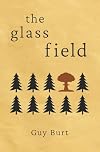
When I read The Glass Field, I noticed how well Burt describes how 15 year olds experience fear. Scott and Jody take on the threat of nuclear war and add it to their every thought. I have observed this same behavior among my own students as well. So when I read that, it felt disturbingly familiar.
I found myself going back to Scott. He holds onto his grief at an emotional distance. His daily routines are filled with distractions and he has no intention of acknowledging anything he has lost. show more The dinner scene halfway through the book is also a strong point, a rare display of affection; that makes the rest of the book feel cold by comparison.
Although I would have liked to see the adults play a larger role in the story, I can appreciate why Burt chose not to do so. This is primarily Scott and Jody's world and they do a great job creating an interesting world.
Relevant today. Relevant tomorrow. show less
I found myself going back to Scott. He holds onto his grief at an emotional distance. His daily routines are filled with distractions and he has no intention of acknowledging anything he has lost. show more The dinner scene halfway through the book is also a strong point, a rare display of affection; that makes the rest of the book feel cold by comparison.
Although I would have liked to see the adults play a larger role in the story, I can appreciate why Burt chose not to do so. This is primarily Scott and Jody's world and they do a great job creating an interesting world.
Relevant today. Relevant tomorrow. show less
 This review was written for LibraryThing Early Reviewers.
The Glass Field by Guy Burt presents an intriguing premise and a storyline with genuine potential.
The central plot is interesting, and there are moments where the underlying ideas hint at a much stronger novel. However, the execution significantly undermines what could have been a powerful narrative.
The most immediate challenge is the writing style. The prose often feels stilted and disjointed, with short, repetitive sentence structures that disrupt the flow and make sustained reading show more difficult. Scenes frequently unfold in a mechanical, step-by-step manner, which flattens tension rather than building it. This stylistic choice gives the impression of a draft that has not been fully developed or refined.
Dialogue presentation adds further confusion. The absence of speech marks means the reader is often left to guess whether a line is spoken aloud or internal thought. Combined with frequent and abrupt shifts in perspective, sometimes occurring between consecutive paragraphs without clear markers, this creates a disorienting reading experience.
The heavy reliance on pronouns rather than clearly identifying characters exacerbates this issue, making it unnecessarily difficult to track who is speaking or acting.
Perhaps the most significant weakness lies in the lack of emotional depth. Characters rarely express or process their feelings in a meaningful way. Instead, emotional intensity is often reduced to repeated the F-word, which substitutes for rather than conveys genuine emotion. As a result, key moments lack impact, leaving the narrative feeling emotionally underdeveloped.
This limitation is especially evident in scenes that call for sensitivity and insight. For example, early on Jodie experiences her first period and it feels superficial and unconvincing. The scene offers no meaningful exploration of her thoughts or reactions and appears detached and unrealistic. It adds nothing to the story line, so there’s no reason for it to be there, and honestly feels like a seen written by a tween boy with a weird fascination of something he doesn’t understand.
Overall, while The Glass Field has a strong conceptual foundation, its stylistic and structural issues make it a frustrating read. The novel earns credit for its underlying plot, but the writing itself falls short of delivering the depth, clarity, and emotional engagement the story deserves.
Rating: 2 stars for the storyline alone; but zero for the writing.
I could see it making a good movie, but it’s not a great book. show less
The central plot is interesting, and there are moments where the underlying ideas hint at a much stronger novel. However, the execution significantly undermines what could have been a powerful narrative.
The most immediate challenge is the writing style. The prose often feels stilted and disjointed, with short, repetitive sentence structures that disrupt the flow and make sustained reading show more difficult. Scenes frequently unfold in a mechanical, step-by-step manner, which flattens tension rather than building it. This stylistic choice gives the impression of a draft that has not been fully developed or refined.
Dialogue presentation adds further confusion. The absence of speech marks means the reader is often left to guess whether a line is spoken aloud or internal thought. Combined with frequent and abrupt shifts in perspective, sometimes occurring between consecutive paragraphs without clear markers, this creates a disorienting reading experience.
The heavy reliance on pronouns rather than clearly identifying characters exacerbates this issue, making it unnecessarily difficult to track who is speaking or acting.
Perhaps the most significant weakness lies in the lack of emotional depth. Characters rarely express or process their feelings in a meaningful way. Instead, emotional intensity is often reduced to repeated the F-word, which substitutes for rather than conveys genuine emotion. As a result, key moments lack impact, leaving the narrative feeling emotionally underdeveloped.
This limitation is especially evident in scenes that call for sensitivity and insight. For example, early on Jodie experiences her first period and it feels superficial and unconvincing. The scene offers no meaningful exploration of her thoughts or reactions and appears detached and unrealistic. It adds nothing to the story line, so there’s no reason for it to be there, and honestly feels like a seen written by a tween boy with a weird fascination of something he doesn’t understand.
Overall, while The Glass Field has a strong conceptual foundation, its stylistic and structural issues make it a frustrating read. The novel earns credit for its underlying plot, but the writing itself falls short of delivering the depth, clarity, and emotional engagement the story deserves.
Rating: 2 stars for the storyline alone; but zero for the writing.
I could see it making a good movie, but it’s not a great book. show less
This review was written for LibraryThing Early Reviewers.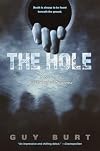
Solid first effort by a young author. Suspense with a twist. The story is told in alternating fashion between past and present about a group of students trapped by a supposed friend in a hole from which only one escapes. At least, that's the premise, but the story is far more complex. A bit predictable, but nicely told.
Awards


You May Also Like


Associated Authors
Statistics
- Works
- 12
- Members
- 498
- Popularity
- #49,659
- Rating
- 3.5
- Reviews
- 21
- ISBNs
- 40
- Languages
- 6
