
Rick Steber
Author of Women of the West, Vol. 5
Series
Works by Rick Steber
National Parks Trivia 1 copy
Indians 1 copy
A Cowboy to Love 1 copy
Last of the Pioneers 1 copy
Cowboys 1 copy
Tagged
Common Knowledge
Members
Reviews
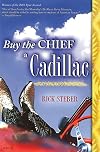
I have given this 5 stars but it was really very sad, with a redeeming ending....The "friendship" is between Pokey, Creek (half-brothers raised by Grandma) & Shasta.... Creek & Shasta come home to the rez from college because of the termination. Creek to claim his pay-off and Shasta to write a story about what "termination" will mean to the tribe & tribal tradition. When Creek & most of the tribe buy new cars and go on a drinking binge with their pay-off money...Pokey & Shasta renew their show more friendship and Shasta gets her story from Pokey & Grandma.
It is the fictionalized version about the actual "termination" of the Klamath/Chiloquin Indian Reservation & federal recognition of Tribal Status, which I read because a customer of mine told me it was about someone I knew.
The feds wanted the land...previously all the lumbar rights were owned by the Chiloquin Tribe in Oregon (where I have visited & made friends)....by the time the feds had finished the Natives became "regular" citizens, lost all titles to their land, lost all federal tribal benefits, lost all lumbar rights, their one time pay-out (most of whom never saw a penny of it due to lawyers, bankers & government bureaucracy) was wasted on booze & cars, and the rez died.
It's a well written story; some of the characters are miserable, most have redeeming qualities, some get what is coming to them, and others get lost in their own lives.
The ending is true to the life of (now passed) Chief Edison Chiloquin, who never "sold out" but fought the feds and won. It was so cool to recognize the grocery store, tribal land, and original traditional village I was fortunate to have visited. When I read the book I could actually see the town as it stands and the land Chief Edison worked so hard to save...I even remember him telling me about the sacred fire and his story. It's like "I Was There"! show less
It is the fictionalized version about the actual "termination" of the Klamath/Chiloquin Indian Reservation & federal recognition of Tribal Status, which I read because a customer of mine told me it was about someone I knew.
The feds wanted the land...previously all the lumbar rights were owned by the Chiloquin Tribe in Oregon (where I have visited & made friends)....by the time the feds had finished the Natives became "regular" citizens, lost all titles to their land, lost all federal tribal benefits, lost all lumbar rights, their one time pay-out (most of whom never saw a penny of it due to lawyers, bankers & government bureaucracy) was wasted on booze & cars, and the rez died.
It's a well written story; some of the characters are miserable, most have redeeming qualities, some get what is coming to them, and others get lost in their own lives.
The ending is true to the life of (now passed) Chief Edison Chiloquin, who never "sold out" but fought the feds and won. It was so cool to recognize the grocery store, tribal land, and original traditional village I was fortunate to have visited. When I read the book I could actually see the town as it stands and the land Chief Edison worked so hard to save...I even remember him telling me about the sacred fire and his story. It's like "I Was There"! show less

One-page vignettes of women who moved to the Pacific Northwest from the East. Each story is told in the woman voice.
I enjoyed hearing the woman's voices. Some were harrowing. Some funny. Some sad. I especially liked "Unrelenting Woman" which told of a woman searching the west for the husband that abandoned her and their children only to find him and discover he wasn't worthy of her. I also enjoyed "Nightcap" where a woman is thinking one thing and the men mean something else.
The women were show more strong and the men often did not cross them. They were cowgirls, saloon owners, farmer's wives, hotel owners, and store owners. Many did better than their husbands who often went to the California gold fields and returned to find their wives prosperous. I liked hearing the personal stories and the history we know so little about. show less
I enjoyed hearing the woman's voices. Some were harrowing. Some funny. Some sad. I especially liked "Unrelenting Woman" which told of a woman searching the west for the husband that abandoned her and their children only to find him and discover he wasn't worthy of her. I also enjoyed "Nightcap" where a woman is thinking one thing and the men mean something else.
The women were show more strong and the men often did not cross them. They were cowgirls, saloon owners, farmer's wives, hotel owners, and store owners. Many did better than their husbands who often went to the California gold fields and returned to find their wives prosperous. I liked hearing the personal stories and the history we know so little about. show less

Sadly what takes away from this book is the fact that you know these are tall tales upfront so it is like knowing the punch line of a joke before it is told. Otherwise they are clever and witty while there was one of them that I had already heard before but it didn't take away from its retelling.
What makes this book special to me is that Rick Steber was able to so richly capture what helps to make the stories what they are. You get the right accent and the right voice in your head as you show more read these stories so it like hearing the storyteller face-to-face instead of just reading it. And there is a rich variety since the storyteller isn't the same from one story to the next.
I would like to be able to get a chance to get the whole series and see how they all fit together, especially this one. In the meantime this is a good book to add to your Americana collection if you are one who likes to hear about the tall tales like Pecos Bill, Paul Bunyan, Johnny Appleseed, etc. or your Americana Classics such as "Rip Van Winkle" and "The Headless Horseman". show less
What makes this book special to me is that Rick Steber was able to so richly capture what helps to make the stories what they are. You get the right accent and the right voice in your head as you show more read these stories so it like hearing the storyteller face-to-face instead of just reading it. And there is a rich variety since the storyteller isn't the same from one story to the next.
I would like to be able to get a chance to get the whole series and see how they all fit together, especially this one. In the meantime this is a good book to add to your Americana collection if you are one who likes to hear about the tall tales like Pecos Bill, Paul Bunyan, Johnny Appleseed, etc. or your Americana Classics such as "Rip Van Winkle" and "The Headless Horseman". show less

Buckaroo Heart takes place in the far eastern corner of California, with a bit of Oregon thrown in for kicks; in an area of the state called Devil's Garden during the 1940s and 1950s. Herman and Betty Vowell are the focus of the story, but Ray, Herman's brother, also gets a large role in the story just as he did in Herman and Betty's lives. They ran a ranch with cattle and haying at a time when the buckaroo was king, the equipment was horse-drawn and wild horses ran free. It is most show more certainly a love story.
Rick Steber has done a good job picturing the flora, fauna and landscape of this area, which is not far from where I grew up. The details of how the hay was mown and put up were very interesting to me, because although my parents also did these things, by the time I came along in the 1960s, everything had turned mechanical and horses were more for pleasure than work.
I have been told that anyone who had much to do with horses knows about the Vowell brothers. This book would please those who knew them, loved horses, history of the west, or even just a good old-fashioned romance. show less
Rick Steber has done a good job picturing the flora, fauna and landscape of this area, which is not far from where I grew up. The details of how the hay was mown and put up were very interesting to me, because although my parents also did these things, by the time I came along in the 1960s, everything had turned mechanical and horses were more for pleasure than work.
I have been told that anyone who had much to do with horses knows about the Vowell brothers. This book would please those who knew them, loved horses, history of the west, or even just a good old-fashioned romance. show less
Awards


You May Also Like


Associated Authors
Statistics
- Works
- 50
- Members
- 942
- Popularity
- #27,278
- Rating
- 3.2
- Reviews
- 8
- ISBNs
- 66