
About the Author
Tony Hefner created the Bearing Precious Seed Ranch ministry in southern Texas for local Hispanic children while employed by the INS detention camp Port Isabel. After witnessing human rights abuses within the camp, he began a fight for justice that is still raising awareness about the treatment of show more detainees in America. Tony and his wife Barbara now live in northern Michigan. show less
Works by Tony Hefner
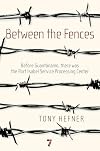
Between the Fences: Before Guantanamo, There Was the Port Isabel Service Processing Center (Seven Stories Press) (2010) 21 copies, 10 reviews
Tagged
Common Knowledge
- Gender
- male
- Occupations
- clergy
prison guard - Nationality
- USA
- Associated Place (for map)
- USA
Members
Reviews
Between the Fences: Before Guantanamo, There Was the Port Isabel Service Processing Center (Seven Stories Press) by Tony Hefner
An engaging, if frustrating, story of government corruption & abuse
(Full disclosure: I received a free copy of this book for review through Library Thing's Early Reviewer program.)
In BETWEEN THE FENCES, Tony Hefner tells a harrowing tale of corruption and human rights abuses, committed by both the United States government as well as contractors tasked with fulfilling governmental responsibilities (in this case, caring for detained, undocumented immigrants). Employed as a prison guard at the show more Port Isabel Service Processing Center – an immigrant detention center in the South Texas’s Rio Grande Valley – from 1983 to 1986 and again from 1988 to 1990, Hefner either witnessed personally or was privy to first-hand accounts of various crimes that took place at Port Isabel, including the sexual, physical and emotional abuse of detainees, both male and female (and sometimes, children); the sexual harassment, assault and rape of female guards; the physical and emotional abuse of male employees; drug trafficking; blackmail; nepotism and racism in hiring and firing decisions; and countless other illegal and immoral activities, including repeated cover-ups of these incidents, and the protection of those involved.
Hefner’s account of these human rights abuses is both engaging and enraging, but his constant digression into his own life history detracts from the story. For example, as a child Hefner himself endured physical and emotional abuse at the hands of his stepfather, who thought him worthless because of his Mexican parentage. Although I sympathize with his plight – no child should be bullied, hit, or made to feel worthless, and certainly not by adults – Hefner repeatedly points to this abuse as one reason (“excuse,” you might say) for his relative inaction on behalf of abused inmates. While Hefner’s power to intervene directly was no doubt limited, he also didn’t do much behind the scenes; for example, he might have clandestinely collected hard evidence in order to build a case against his superiors, and/or anonymously leaked this information to the media, thus remaining an inside whistleblower at Port Isabel – but he didn’t. While Hefner did record those abuses that took place out in the open (in a notebook, after the fact – not exactly irrefutable proof), he also didn’t go out of his way to uncover the hidden, more egregious cruelties that were kept from him and others. Too often, he seemed content to go about his own work, nose down, ears closed – see no evil, hear no evil.
Many guards and employees tolerated the abuse of both prisoners and, not uncommonly, their own persons because of financial hardship. In the 1980s, at least, Port Isabel was one of the largest employers in an economically strapped area. Far removed from the situation, it’s easy to sit in judgment of guards who refused to speak up in the interest of self-preservation. But this unfair at best; no one can really know how he or she would react in a similar situation without actually living it. Here, though, Hefner makes frustrating excuses as well; if he had simply chalked his lack of action up to poverty, I might be able to understand. But he claims to have stayed on at Port Isabel in order to keep his ministry, the Bearing Precious Seed Ranch, viable. In other words, he was content to proselytize to vulnerable children on the one hand, while utterly and spectacularly failing to live the actual tenets of his religious teachings on the other. “Do as I say, not as I do.” In the name of “caring for” some people’s children, he ignored the abuse of other people’s children (some of them, it’s worth noting, actual children – minor boys raped by fellow inmates while indifferent guards looked on, or underage girls forced to dance naked for the possibility of clemency).
The many, many pages Hefner devoted to writing his own autobiography would have been better spent, I think, placing the abuse at Port Isabel in context. According to the book’s promotional materials, 400,000 immigrants are detained by the U.S. government every year; these individuals are held in a number of jails across the country. How do the conditions at Port Isabel compare to those at other centers? What steps, if any, are the INS and the U.S. government taking to ensure that the individuals detained in these facilities – and the guards employed therein – are treated humanely and respectfully? How does the government justify its lack of action on the complaints lodged against Port Isabel officials? What steps do Hefner and his allies plan to take next? And how does our broken immigration policy, too often marred by racism, sexism and xenophobia, contribute to these horrific conditions?
http://www.easyvegan.info/2010/11/17/between-the-fences-by-tony-hefner/ show less
(Full disclosure: I received a free copy of this book for review through Library Thing's Early Reviewer program.)
In BETWEEN THE FENCES, Tony Hefner tells a harrowing tale of corruption and human rights abuses, committed by both the United States government as well as contractors tasked with fulfilling governmental responsibilities (in this case, caring for detained, undocumented immigrants). Employed as a prison guard at the show more Port Isabel Service Processing Center – an immigrant detention center in the South Texas’s Rio Grande Valley – from 1983 to 1986 and again from 1988 to 1990, Hefner either witnessed personally or was privy to first-hand accounts of various crimes that took place at Port Isabel, including the sexual, physical and emotional abuse of detainees, both male and female (and sometimes, children); the sexual harassment, assault and rape of female guards; the physical and emotional abuse of male employees; drug trafficking; blackmail; nepotism and racism in hiring and firing decisions; and countless other illegal and immoral activities, including repeated cover-ups of these incidents, and the protection of those involved.
Hefner’s account of these human rights abuses is both engaging and enraging, but his constant digression into his own life history detracts from the story. For example, as a child Hefner himself endured physical and emotional abuse at the hands of his stepfather, who thought him worthless because of his Mexican parentage. Although I sympathize with his plight – no child should be bullied, hit, or made to feel worthless, and certainly not by adults – Hefner repeatedly points to this abuse as one reason (“excuse,” you might say) for his relative inaction on behalf of abused inmates. While Hefner’s power to intervene directly was no doubt limited, he also didn’t do much behind the scenes; for example, he might have clandestinely collected hard evidence in order to build a case against his superiors, and/or anonymously leaked this information to the media, thus remaining an inside whistleblower at Port Isabel – but he didn’t. While Hefner did record those abuses that took place out in the open (in a notebook, after the fact – not exactly irrefutable proof), he also didn’t go out of his way to uncover the hidden, more egregious cruelties that were kept from him and others. Too often, he seemed content to go about his own work, nose down, ears closed – see no evil, hear no evil.
Many guards and employees tolerated the abuse of both prisoners and, not uncommonly, their own persons because of financial hardship. In the 1980s, at least, Port Isabel was one of the largest employers in an economically strapped area. Far removed from the situation, it’s easy to sit in judgment of guards who refused to speak up in the interest of self-preservation. But this unfair at best; no one can really know how he or she would react in a similar situation without actually living it. Here, though, Hefner makes frustrating excuses as well; if he had simply chalked his lack of action up to poverty, I might be able to understand. But he claims to have stayed on at Port Isabel in order to keep his ministry, the Bearing Precious Seed Ranch, viable. In other words, he was content to proselytize to vulnerable children on the one hand, while utterly and spectacularly failing to live the actual tenets of his religious teachings on the other. “Do as I say, not as I do.” In the name of “caring for” some people’s children, he ignored the abuse of other people’s children (some of them, it’s worth noting, actual children – minor boys raped by fellow inmates while indifferent guards looked on, or underage girls forced to dance naked for the possibility of clemency).
The many, many pages Hefner devoted to writing his own autobiography would have been better spent, I think, placing the abuse at Port Isabel in context. According to the book’s promotional materials, 400,000 immigrants are detained by the U.S. government every year; these individuals are held in a number of jails across the country. How do the conditions at Port Isabel compare to those at other centers? What steps, if any, are the INS and the U.S. government taking to ensure that the individuals detained in these facilities – and the guards employed therein – are treated humanely and respectfully? How does the government justify its lack of action on the complaints lodged against Port Isabel officials? What steps do Hefner and his allies plan to take next? And how does our broken immigration policy, too often marred by racism, sexism and xenophobia, contribute to these horrific conditions?
http://www.easyvegan.info/2010/11/17/between-the-fences-by-tony-hefner/ show less
 This review was written for LibraryThing Early Reviewers.
Between the Fences: Before Guantanamo, There Was the Port Isabel Service Processing Center (Seven Stories Press) by Tony Hefner
Between the Fences: Before Guantanamo, There Wast the Port Isabel Service Processing Center is the memoir of a man attempting to change conditions and bring justice for wrongdoings at this South Texas processing center for central and south american illegals since the early 1980's.
Tony Hefner, the author, writes in plain understandable terms about abusive treatment towards detainees and staff members alike. When I first picked up this book I thought I was going to read about actions centered show more around racism. I was very wrong. This book shows a focus of sexual abuse in this camp, fostered by those in charge of the camp. And due to the nature of these abuses it is very hard to prove - at least in such a way to break through the protective fence of a good ole' boys club!
Female detainees would be (are?) brought to offices and even homes of those in charge of the camp to "clean" at night. The women would be (are?) returned to their cells within the hour. Those that refused would be deported immediately or put into solitary for months at a time. Why such punishments for refusing to "clean" a house or office? Because the real reason they would be brought out at night was to entertain camp bosses in the area of sexual favors. Young boys were also expected to perform for some of the officers.
Women officers were also expected to perform. And if they did not would be given the worse shifts or fired. Male officers were given the same punishments if they tried to protect or speak up for the women.
These are hard charges to prove and even though Mr. Hefner began in the 1980's with his legal work against the perpetrators, he has not had full satisfaction up to today! This is an ongoing problem to which the American people, our justice system and our government officials seem to have given a blind eye.
No matter your political view concerning the movement of illegals across our borders, especially our southern borders, I hope you care about the safety and welfare of these people once they are in custody of and in our government detention centers. I also hope you care about those who work at these centers. This book will bring to you what happens to people who cannot protect themselves. I highly recommend this book to anyone who has any interest in our system once an illegal is caught and detained.
It is bitter sweet. show less
Tony Hefner, the author, writes in plain understandable terms about abusive treatment towards detainees and staff members alike. When I first picked up this book I thought I was going to read about actions centered show more around racism. I was very wrong. This book shows a focus of sexual abuse in this camp, fostered by those in charge of the camp. And due to the nature of these abuses it is very hard to prove - at least in such a way to break through the protective fence of a good ole' boys club!
Female detainees would be (are?) brought to offices and even homes of those in charge of the camp to "clean" at night. The women would be (are?) returned to their cells within the hour. Those that refused would be deported immediately or put into solitary for months at a time. Why such punishments for refusing to "clean" a house or office? Because the real reason they would be brought out at night was to entertain camp bosses in the area of sexual favors. Young boys were also expected to perform for some of the officers.
Women officers were also expected to perform. And if they did not would be given the worse shifts or fired. Male officers were given the same punishments if they tried to protect or speak up for the women.
These are hard charges to prove and even though Mr. Hefner began in the 1980's with his legal work against the perpetrators, he has not had full satisfaction up to today! This is an ongoing problem to which the American people, our justice system and our government officials seem to have given a blind eye.
No matter your political view concerning the movement of illegals across our borders, especially our southern borders, I hope you care about the safety and welfare of these people once they are in custody of and in our government detention centers. I also hope you care about those who work at these centers. This book will bring to you what happens to people who cannot protect themselves. I highly recommend this book to anyone who has any interest in our system once an illegal is caught and detained.
It is bitter sweet. show less
This review was written for LibraryThing Early Reviewers.Between the Fences: Before Guantanamo, There Was the Port Isabel Service Processing Center (Seven Stories Press) by Tony Hefner
Between the Fences… is not a report filed by serious journalist. Rather, it’s a personal account of a disturbing and transformative episode in Tony Hefner’s career. His stint as a guard for the Port Isabel Processing Center exposed him to the harsh realities of life in a federal detention center for illegal immigrants, awaiting various stages of the deportation process. Abuses of all varieties appear to be deeply rooted in the institution’s culture; clearly the system Hefner saw was show more not working.
This book provides important insights and information relevant to immigration reform initiatives. As any first person narrative will be, it is biased. Authorial bias alone is not necessarily disqualifying. It is the responsibility of the local and federal governments operating these facilities to investigate claims made by people like Mr. Hefner. We citizens are responsible for demanding change, based on the results of such investigations. Unfortunately for the non-citizen detainees, their rights are not advocated for as ardently as they could be.
Books like this push us toward awareness. And that is the first step up to action against the xenophobic, racist arrogance systematized by the federal detention centers. Such facilities are our shame to share.
Hefner’s active response is faith based, and will not appeal to many readers. He ministers to the people affected by the INS and their families. It’s an admirable response. I hope he continues to advocate for human dignity. show less
This book provides important insights and information relevant to immigration reform initiatives. As any first person narrative will be, it is biased. Authorial bias alone is not necessarily disqualifying. It is the responsibility of the local and federal governments operating these facilities to investigate claims made by people like Mr. Hefner. We citizens are responsible for demanding change, based on the results of such investigations. Unfortunately for the non-citizen detainees, their rights are not advocated for as ardently as they could be.
Books like this push us toward awareness. And that is the first step up to action against the xenophobic, racist arrogance systematized by the federal detention centers. Such facilities are our shame to share.
Hefner’s active response is faith based, and will not appeal to many readers. He ministers to the people affected by the INS and their families. It’s an admirable response. I hope he continues to advocate for human dignity. show less
This review was written for LibraryThing Early Reviewers.Between the Fences: Before Guantanamo, There Was the Port Isabel Service Processing Center (Seven Stories Press) by Tony Hefner
This book was written after the author spent years trying to get someone in Washington or INS/DHS to pay attention to the abuses he witnessed as a guard at Port Isabel Processing Center in Texas, and it has the sense of the author's last-ditch effort to have his story heard. This book is not a work of journalism, and it's not necessarily well-written. It lacks independent sources for the information it contains - it's really a memoir of the author's experiences at Port Isabel and his show more attempts to get someone to listen to him. On the one hand, it lacks the objective impact of investigative journalism, but, on the other hand, it has a first-hand immediacy that such journalism tends to lack. His description of the lack of supervision of the independent contractors the government hired to run the facility is disturbing, and I felt the author's frustration at the futility of his efforts to report the abuses and change the system.
The author also discusses his personal life and childhood, and how that impacted on his reaction to the things he saw and did at Port Isabel. This part of the book might have been less effective, in that it often seemed like an explanation for why the author failed to act sooner and allowed some of the abuses to occur under his watch.
The tragedy of this book is two-fold. First, that it is ultimately the story of how the author was dismissed and ignored by the authorities. Second, that no one else (particularly journalists) seems to care enough about the story to tell it in an objective, investigative form. Hopefully, the publication of the book will draw greater attention to this chapter of U.S. immigration policy, and create greater awareness that the abuses at Abu Ghraib and Guantanamo are not outliers, but only the latest effects of a system and policy that has been failing for decades. show less
The author also discusses his personal life and childhood, and how that impacted on his reaction to the things he saw and did at Port Isabel. This part of the book might have been less effective, in that it often seemed like an explanation for why the author failed to act sooner and allowed some of the abuses to occur under his watch.
The tragedy of this book is two-fold. First, that it is ultimately the story of how the author was dismissed and ignored by the authorities. Second, that no one else (particularly journalists) seems to care enough about the story to tell it in an objective, investigative form. Hopefully, the publication of the book will draw greater attention to this chapter of U.S. immigration policy, and create greater awareness that the abuses at Abu Ghraib and Guantanamo are not outliers, but only the latest effects of a system and policy that has been failing for decades. show less
This review was written for LibraryThing Early Reviewers.Statistics
- Works
- 1
- Members
- 21
- Popularity
- #570,575
- Rating
- 3.3
- Reviews
- 10
- ISBNs
- 3
