
Chester Aaron (1923–2019)
Author of The Great Garlic Book: A Guide with Recipes
Works by Chester Aaron
Tagged
Common Knowledge
- Canonical name
- Aaron, Chester
- Legal name
- Aaron, Chester Norman
- Birthdate
- 1923-05-09
- Date of death
- 2019-08-30
- Gender
- male
- Education
- University of California, Los Angeles
San Francisco State University - Occupations
- Garlic Farmer
Steel Worker
professor
X-ray Technician
author
children's book author - Organizations
- Authors Guild
Screenwriters Guild - Short biography
- Chester Aaron was a prolific American author for both children and adults, and wrote novels, stories, and memoirs. Born in 1923 in the coal-mining town of Butler, Pennsylvania, he was educated at Butler Senior High School, UCLA, UC Berkeley, and San Francisco State University. He saw combat in World War II, and was with the troops that liberated Dachau. Following publication of his first novel in 1967, he was an x-ray technician at Alta Bates Hospital in Berkeley, CA. He joined the faculty at Saint Mary’s College, retiring as a full professor in 1997. For twenty-five years he cultivated ninety varieties of exotic garlic on his farm in Sonoma County, becoming a world-renowned expert, and publishing a number of books on the subject. He died in 2019.
- Nationality
- USA
- Birthplace
- Butler, Pennsylvania, USA
- Places of residence
- Butler, Pennsylvania, USA
Sonoma County, California, USA - Map Location
- USA
Members
Reviews

I thought this book was wonderful. Being a self-appointed "foodie", I was drawn to this books cover which had pictures of several cloves of garlic. I'm always cooking with garlic so I immediately had to flip through the pages of this book. The book appeared to be a memoir. It also had recipes at the end as well as a list or Resources, and Suggested Reading. I bought the book.
Chester Aaron, author of this book, is a writer and teacher who didn't begin growing garlic until he was in his 60's. show more His choice of garlic species, oddly enough was highly influenced by his dead parents - his dad who came from Georgia (of the U.S.S.R) and his mom who was from Transylvania (Hungary).
The story of his garlic-growing years is sweet (There's a lot about family, colleagues, neighbors, and friends), educational (Who knew there were so many speciesof garlic, hardly any of which are available in American stores?), and humorous (This guy is funny!). I especially loved the ending and wish the author much success for the terrific book he wrote. I'll be looking for the garlic species he mentioned and will probably save this book so I can use his recipes if I indeed find those species of garlic.
On a very happy note, I'm proud to say that the CSA (community supported agriculture) to which I belong provides me (in season) with hardneck garlic. Hooray!! show less
Chester Aaron, author of this book, is a writer and teacher who didn't begin growing garlic until he was in his 60's. show more His choice of garlic species, oddly enough was highly influenced by his dead parents - his dad who came from Georgia (of the U.S.S.R) and his mom who was from Transylvania (Hungary).
The story of his garlic-growing years is sweet (There's a lot about family, colleagues, neighbors, and friends), educational (Who knew there were so many speciesof garlic, hardly any of which are available in American stores?), and humorous (This guy is funny!). I especially loved the ending and wish the author much success for the terrific book he wrote. I'll be looking for the garlic species he mentioned and will probably save this book so I can use his recipes if I indeed find those species of garlic.
On a very happy note, I'm proud to say that the CSA (community supported agriculture) to which I belong provides me (in season) with hardneck garlic. Hooray!! show less
Allan and Sam Collins run away from their home of worldly wealth and no love. They meet Horace, the elderly caretaker of the county dump, who shares with them his private world of cast-away treasures. Horace sends the boys home when he learns that they’ve run away. The boys agree to keep Horace’s identity a secret, but, when Mr. Collins confronts Sam about the gift that Horace gave him, Sam’s resolve melts in the face of his father’s anger. Mr. Collins seeks revenge against the old show more man. He even takes Allan and Sam to the dump so they can watch his handiwork. Risking their father's anger, the boys defy him and help Horace. show less

A weird and depressing book. (Spoilers abound, don't read this if you don't want to know the story) It starts with two boys, neglected (or at least feeling neglected) by their workaholic father and the mother supporting him, who decide to run away from home. A long bike-ride away, they come to a dump managed, and harvested, by an old man who has spent his life rescuing stuff - things from the years of his childhood. A whole bunch of weird interactions later (the man has been ignoring and show more warding off everyone for years; the younger boy has always been less courageous than his brother; the older boy has always been the strong and sensible one...and their interactions begin to change these. For no particular reason I can see), the man convinces them to call their parents and go back home. Where their parents can't handle and won't hear what the boys have to say. Then it turns out the father (a contractor) is actually working to clear the dump - except the old man is still there, and ready to ward off intruders. The boys are brought to convince him to go, but instead go in to help him, and then are caught in tear gas as the police clear out the defenders...which for some reason (after they're extracted) makes the father change his mind, he "quits" (what, this contract? His whole business? I have no idea what happened there, that was the end of the book). I'm sure this made sense to the author but I see a lot of action and no sense or underlying continuity to it. show less
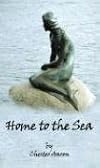
The book felt amateurish to me; I don't know why. SPOILER: A 12-year-old girl gradually turns into a mermaid, alternating between severe sickness and incredible feats of swimming and empathy towards sea mammals. It felt as if the story was meant to be an allegory: perhaps what we see as losing a loved one to illness is really a journey towards something more wonderful than we can comprehend? An "About Mermaids" section at the end has quotes from several sources and a description of show more Andersen's "The Little Mermaid," including the statue, which is shown on the cover. show less
Lists
Awards


You May Also Like


Associated Authors
Statistics
- Works
- 23
- Members
- 251
- Popularity
- #91,085
- Rating
- 2.9
- Reviews
- 15
- ISBNs
- 47
- Languages
- 3