
Thomas Merton (1915–1968)
Author of The Seven Storey Mountain
About the Author
Born in France, Thomas Merton was the son of an American artist and poet and her New Zealander husband, a painter. Merton lost both parents before he had finished high school, and his younger brother was killed in World War II. Something of the ephemeral character of human endeavor marked all his show more works, deepening the pathos of his writings and drawing him close to Eastern, especially Buddhist, forms of monasticism. After an initial education in the United States, France, and England, he completed his undergraduate degree at Columbia University. His parents, nominally friends, had given him little religious guidance, and in 1938, he converted to Roman Catholicism. The following year he received an M.A. from Columbia University and in 1941, he entered Gethsemani Abbey in Kentucky, where he remained until a short time before his death. His working life was spent as a Trappist monk. At Gethsemani, he wrote his famous autobiography, "The Seven Storey Mountain" (1948); there he labored and prayed through the days and years of a constant regimen that began with daily prayer at 2:00 a.m. As his contemplative life developed, he still maintained contact with the outside world, his many books and articles increasing steadily as the years went by. Reading them, it is hard to think of him as only a "guilty bystander," to use the title of one of his many collections of essays. He was vehement in his opposition to the Vietnam War, to the nuclear arms race, to racial oppression. Having received permission to leave his monastery, he went on a journey to confer with mystics of the Hindu and Buddhist traditions. He was accidentally electrocuted in a hotel in Bangkok, Thailand, on December 10, 1968. (Bowker Author Biography) show less
Series
Works by Thomas Merton
Run to the Mountain: The Story of a Vocation (The Journals of Thomas Merton, Volume One 1939-1941) (1995) 448 copies, 5 reviews
The Journals of Thomas Merton, Vol. 2, 1941-1952: Entering the Silence - Becoming a Monk & Writer (1996) 330 copies, 6 reviews
A Search for Solitude: Pursuing the Monk's True Life (The Journals of Thomas Merton, vol.3) (1996) 227 copies, 1 review
The Last of the Fathers: Saint Bernard of Clairvaux and the Encyclical Letter 'Doctor Mellifluus' (1954) 216 copies, 4 reviews
The hidden ground of love : the letters of Thomas Merton on religious experience and social concerns (1985) 203 copies
Learning to Love: Exploring Solitude and Freedom (The Journals of Thomas Merton Vol. 6) (1997) 184 copies, 1 review
Turning Toward the World: The Pivotal Years (The Journals of Thomas Merton, Volume 4: 1960-1963) (1996) 180 copies, 1 review
The Courage for Truth: The Letters of Thomas Merton to Writers (The Thomas Merton letters series) (1993) 141 copies
The School of Charity: The Letters of Thomas Merton on Religious Renewal and Spiritual Direction (1990) 125 copies
What Are These Wounds: The Life of a Cistercian Mystic, Saint Lutgarde of Aywières (2014) 107 copies
Thomas Merton: A Life in Letters: The Essential Collection (Merton, Thomas//Journal of Thomas Merton) (2008) 100 copies
Through the Year With Thomas Merton: Daily Meditations from His Writings (1985) — Author — 99 copies
Lent and Easter Wisdom from Thomas Merton: Daily Scripture and Prayers, Together with Thomas Merton's Own Words (2007) 74 copies
Exile ends in glory; the life of a Trappistine, Mother M. Berchmans, O.C.S.O (2010) 46 copies, 1 review
Pre-Benedictine Monasticism: Initiation into the Monastic Tradition 2 (Monastic Wisdom) (2007) 28 copies
An Introduction to Christian Mysticism: Initiation Into the Monastic Tradition, 3 (Monastic Wisdom series) (Bk. 3) (2008) 27 copies
The Rule Of Saint Benedict: Initiation into the Monastic Tradition (Monastic Wisdom Series) (2009) 24 copies
The Life of the Vows: Initiation into the Monastic Tradition (Volume 30) (Monastic Wisdom Series) (2012) 23 copies
Merton & Judaism: Holiness in Words: Recognition, Repentance, and Renewal (The Fons Vitae Thomas Merton series) (2003) 19 copies, 1 review
The Shining Wilderness: Daily Readings with Thomas Merton (Modern Spirituality Series) (1988) 13 copies
In the Valley of Wormwood: Cistercian Blessed and Saints of the Golden Age (Cistercian Studies) (2013) 12 copies
Charter, customs, and constitutions of the Cistercians : initiation into the monastic tradition 7 (2015) 9 copies
Letters from Tom : a selection of letters from Father Thomas Merton, monk of Gethsemani, to W.H. Ferry, 1961-1968 (1984) 9 copies
Merton & the Tao: Dialogues with John Wu and the Ancient Sages (The Fons Vitae Thomas Merton series) (2013) 7 copies, 1 review
Szukanie Boga 5 copies
The Merton Annual: Studies in Culture, Spirituality, and Social Concerns. Volume 9 (Merton Annual) (1997) 5 copies
Albert Camus' The plague;: Introduction and commentary (Religious dimensions in literature) (1968) 4 copies
Paz en tiempos de oscuridad : el testamento profético de Merton sobre la guerra y la paz (2006) 4 copies
Medieval Cistercian History: Initiation into the Monastic Tradition 9 (Monastic Wisdom Series) (2019) 4 copies
The Cistercian Fathers and their monastic theology : initiation into the monastic tradition 8 (2016) 4 copies
Meatyard / Merton: Photographing Thomas Merton (The Fons Vitae Thomas Merton Series) (2014) 3 copies
Diarios / Journals: 1960-1968. La Vida Intima De Un Gran Maestro Espiritual / the Intimate Life of a Great Spiritual Master (Spanish Edition) (2001) 3 copies
Weisheit der Stille : die Geistigkeit des Zen und ihre Bedeutung für die moderne christliche Welt (1983) 3 copies
Cistercian contemplatives / — Author — 3 copies
Zen, tao et nirvâna : esprit et contemplation en extrême-orient. préface par marco pallis. traduction de f. ledoux (2015) 3 copies, 1 review
Oplettende toeschouwer 3 copies
Overpeinzingen van een christen 3 copies
Life and Prayer: The Dessert Source 3 copies
Nueva semillas de contemplación. 2 copies
A Prayer of Cassiodorus. 2 copies
Loretto and Gethsemani, 1812-1962 2 copies
La Montée vers la Lumière 2 copies
Life and God's Love 2 copies
Life and Contemplation 2 copies
The Seven Storey Mountain 2 copies
Cuestiones discutidas 2 copies
Sacred Silence - Festival of Faiths, Pathway to Compassion (A Series on Compassion - May 14-19, 2013 - Louisville, Kentucky) (2013) 2 copies
Un' equilibrata vita di preghiera 2 copies
The Thomas Merton Studies Center (Volume One) — Contributor, some editions — 2 copies
Merton 2 copies
Life and Prayer: the Jesus Prayer 2 copies
Openness and Cloister 1 copy
The Council and Monasticism 1 copy
Notes on Art and Worship 1 copy
Tears of the Blind Lions 1 copy
Ascesa alla Verità 1 copy
Semillas de contemplación 1 copy
The Pocket Thomas Merton 1 copy
Peace of soul 1 copy
A wold of great stories 1 copy
Christ the life of soul 1 copy
Their finest hour 1 copy
Vita e santità 1 copy
L'uomo nuovo 1 copy
Problemi dello Spirito 1 copy
Poesie 1 copy
A Preliminary Warning 1 copy
Conference on Prayer 1 copy
Ślub konwersacji 1 copy
Fjellet med de syv trinn 1 copy
a igreja e o mundo sem deus 1 copy
Le Nuit Privée d'Étoiles 1 copy
Louterings berg 1 copy
The Seed of Contemplation 1 copy
Pierwotny ideał karmelu 1 copy
The Genesee Diary 1 copy
eremitas do saccidananda 1 copy
Merton Center Turns Twenty 1 copy
Living Prayer 1 copy
El ascenso a la verdad 1 copy
En compañía de Thomas Merton 1 copy
Siedmiopiętrowa góra 1 copy
The Desert fathers 1 copy
Il monaco 1 copy
The Camaldolese Way 1 copy
BERNARD DE CLAIRVAUX 1 copy
Life and the Holy Spirit 1 copy
Alone With God 1 copy
Hidden Ground of Love; The Letters of Thomas Merton on Religious Experience and Social Concerns 1 copy
Pensamientos en la soledad 1 copy
Cargo theology 1 copy
CONTEMPLATIVE LIFE 1 copy
Cassian: Trials and Belief 1 copy
Does God Hear Our Prayer? 1 copy
Love 1 copy
Duh 1 copy
Cablogrammi e profezie 1 copy
THE SOLITARY LIFE: A Letter of Guigo Introduced and Translated from the Latin by Thomas Merton (1963) 1 copy, 1 review
Luč nevidne resnice 1 copy
Il Papa di Maria Vergine 1 copy
Life and Prophecy 1 copy
In memory of Thomas Merton 1 copy
Marta,Maria e Lazaro 1 copy
A Life in Letters 1 copy
A Monastic Introduction to Sacred Scripture: Novitiate Conferences on Scripture and Liturgy 1 (2020) 1 copy
Poemas 1 copy
True Solitude 1 copy
Enneagram and Prayer 1 copy
Courage for Truth 1 copy
Wie der Mond stirbt. Das letzte Tagebuch des Thomas Merton ( Asian Journal): Sonderausgabe. (1985) 1 copy
Life and Truth 1 copy
Life and Community 1 copy
Life and Work 1 copy
Life and Celebration 1 copy
Words of Peace 1 copy
Natural Contemplation 1 copy
Associated Works
A Book of Luminous Things: An International Anthology of Poetry (1996) — Contributor — 941 copies, 12 reviews
Watch for the Light: Readings for Advent and Christmas (2004) — Contributor — 896 copies, 10 reviews
Gandhi on Non-Violence: A Selection From the Writings of Mahatma Gandi (1965) — Editor, some editions — 370 copies, 2 reviews
War No More: Three Centuries of American Antiwar and Peace Writing (2016) — Contributor — 108 copies, 2 reviews
A Controversy of Poets: An Anthology of Contemporary American Poetry, (1965) — Contributor — 83 copies
Antaeus No. 61, Autumn 1988 - Journals, Notebooks & Diaries (1988) — Contributor — 37 copies, 2 reviews
Merton & Buddhism: (The Fons Vitae Thomas Merton series) (2007) — Photographer, some editions — 34 copies
Merton & Hesychasm: The Prayer of the Heart & the Eastern Church (The Fons Vitae Thomas Merton series) (2003) — Contributor — 31 copies, 1 review
Clement of Alexandria Selections from the Protreptikos (1962) — Essay, some editions; Translator, some editions — 13 copies
Mansions of the Spirit Essays in Religion and Literature (1967) — Introduction, some editions — 7 copies
The Ethnic Image in Modern American Literature, 1900-1950, Volumes 1-2 (1984) — Contributor — 1 copy
Tagged
Common Knowledge
- Other names
- Fr. Louis
- Birthdate
- 1915-01-31
- Date of death
- 1968-12-10
- Gender
- male
- Education
- Lycée Ingres, Montauban
Ripley Court School, Ripley
Clare College, Cambridge
Columbia University (BA|1938|MA|1939) - Occupations
- monk (Trappist)
novelist
poet
college teacher - Organizations
- Order of Cistercians of the Strict Observance (Ordained, 1949)
- Cause of death
- heart failure (also allegations of accidental electrocution and assassination)
- Nationality
- France (birth)
USA - Birthplace
- Prades, Pyrénées-Orientales, France
- Places of residence
- New York, New York, USA
Saint-Antonin, Midi-Pyrénées, France
Montauban, Midi-Pyrénées, France
Ealing, Greater London, Middlesex, England, UK
Ripley, Surrey, England, UK
Olean, New York, USA (show all 8)
Bardstown, Kentucky, USA
Abbey of Our Lady of Gethsemani, Kentucky, USA - Place of death
- Mueang Samut Prakan, Thailand
- Burial location
- Gethsemani Abbey, Bardstown, Kentucky, USA
Members
Reviews
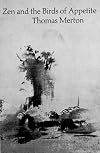
"Zen enriches no one," Thomas Merton provocatively writes in his opening statement to Zen and the Birds of Appetite—one of the last books to be published before his death in 1968. "There is no body to be found. The birds may come and circle for a while... but they soon go elsewhere. When they are gone, the 'nothing,' the 'no-body' that was there, suddenly appears. That is Zen. It was there all the time but the scavengers missed it, because it was not their kind of prey." This gets at the show more humor, paradox, and joy that one feels in Merton's discoveries of Zen during the last years of his life, a joy very much present in this collection of essays. Exploring the relationship between Christianity and Zen, especially through his dialogue with the great Zen teacher D.T. Suzuki, the book makes an excellent introduction to a comparative study of these two traditions, as well as giving the reader a strong taste of the mature Merton. Never does one feel him losing his own faith in these pages; rather one feels that faith getting deeply clarified and affirmed. Just as the body of "Zen" cannot be found by the scavengers, so too, Merton suggests, with the eternal truth of Christ. show less
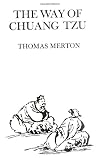
Let me start by saying that I admire Thomas Merton (1915-1968), a Catholic Priest who was open-minded enough to read about Taoism, the subject of this book, as well as other Asian philosophies and religions. Instead of being threatened by other paths to enlightenment, he found similarities to his own path, and embraced them.
As he says in the introduction, “the ‘way’ contained in these anecdotes, poems, and meditations, is characteristic of a certain mentality found everywhere in the show more world, a certain taste for simplicity, for humility, self-effacement, silence, and in general a refusal to take seriously the aggressivity, the ambition, the push, and the self-importance which one must display in order to get along in society. This other is a ‘way’ that prefers not to get anywhere in the world, or even in the field of some supposedly spiritual attainment.”
He was counter to what is wrong with so many religious figures, he was not dogmatic, and did not profess to have all the answers. Again, from his introduction: “In any event, the ‘way’ of Chuang Tzu is mysterious because it is so simple that it can get along without being a way at all. Least of all is it a ‘way out.’ Chuang Tzu would have agreed with St. John of the Cross, that you enter upon this kind of way when you leave all ways and, in some sense, get lost.”
What a refreshing outlook. The collection of passages here is quite nice, and with most of them fitting on one or two pages, it’s very easy to pick up and revisit my favorites, some of which I extract below.
Quotes:
On opinions:
“The wise man … sees that on both sides of every argument there is both right and wrong. He also sees that in the end they are reducible to the same thing, once they are related to the pivot of Tao.
When the wise man grasps this pivot, he is in the center of the circle, and there he stands while ‘Yes’ and ‘No’ pursue each other around the circumference.
The pivot of Tao passes through the center where all affirmations and denials converge. He who grasps the pivot is at the still-point from which all movements and oppositions can be seen in their right relationship. Hence he sees the limitless possibilities of both ‘Yes’ and ‘No’. Abandoning all thought of imposing a limit or taking sides, he rests in direct intuition.”
On sincerity:
“The greatest politeness
Is free of all formality.
Perfect conduct
Is free of concern.
Perfect wisdom
Is unplanned.
Perfect love
Is without demonstrations.
Perfect sincerity offers
No guarantee.”
On theft, calling to mind Dylan’s “steal a little and they throw you in jail, steal a lot and they make you king”:
“A poor man must swing
For stealing a belt buckle
But if a rich man steals a whole state
He is acclaimed
As statesman of the year.”
On the ‘true man’, or perhaps better put, on enlightenment:
“The true men of old were not afraid
When they stood alone in their views.
No great exploits. No plans.
If they failed, no sorrow.
No self-congratulations in success.
They scaled cliffs, never dizzy,
Plunged in water, never wet,
Walked through fire and were not burnt.
Thus their knowledge reached all the way
To Tao.
…
Minds free, thoughts gone
Brows clear, faces serene.
Were they cool? Only cool as autumn.
Were they hot? No hotter than spring.
All that came out of them
Came quiet, like the four seasons.”
And this one:
“The man in whom Tao
Acts without impediment
Harms no other being
By his actions
Yet he does not know himself
To be ‘kind,’ to be ‘gentle.’
The man in whom Tao
Acts without impediment
Does not bother with his own interests
And does not despise
Others who do.
He does not struggle to make money
And does not make a virtue of poverty.
He goes his way
Without relying on others
And does not pride himself
On walking alone.
While he does not follow the crowd
He won’t complain of those who do.
Rank and reward
Make no appeal to him;
Disgrace and shame
Do not deter him.
He is not always looking
For right and wrong
Always deciding ‘Yes’ or ‘No.’
The ancients said, therefore:
’The man of Tao
Remains unknown
Perfect virtue
Produces nothing
‘No-self’
Is ‘True-Self.’
And the greatest man
Is nobody.’”
Lastly, this parable:
“There was a man who was so disturbed by the sight of his own shadow and so displeased with his own footsteps that he determined to get rid of both. The method he hit upon was to run away from them.
So he got up and ran. But every time he put his foot down there was another step, while his shadow kept up with him without the slightest difficulty.
He attributed his failure to the fact that he was not running fast enough. So he ran faster and faster, without stopping, until he finally dropped dead.
He failed to realize that if he merely stepped into the shade, his shadow would vanish, and if he sat down and stayed still, there would be no more footsteps.” show less
As he says in the introduction, “the ‘way’ contained in these anecdotes, poems, and meditations, is characteristic of a certain mentality found everywhere in the show more world, a certain taste for simplicity, for humility, self-effacement, silence, and in general a refusal to take seriously the aggressivity, the ambition, the push, and the self-importance which one must display in order to get along in society. This other is a ‘way’ that prefers not to get anywhere in the world, or even in the field of some supposedly spiritual attainment.”
He was counter to what is wrong with so many religious figures, he was not dogmatic, and did not profess to have all the answers. Again, from his introduction: “In any event, the ‘way’ of Chuang Tzu is mysterious because it is so simple that it can get along without being a way at all. Least of all is it a ‘way out.’ Chuang Tzu would have agreed with St. John of the Cross, that you enter upon this kind of way when you leave all ways and, in some sense, get lost.”
What a refreshing outlook. The collection of passages here is quite nice, and with most of them fitting on one or two pages, it’s very easy to pick up and revisit my favorites, some of which I extract below.
Quotes:
On opinions:
“The wise man … sees that on both sides of every argument there is both right and wrong. He also sees that in the end they are reducible to the same thing, once they are related to the pivot of Tao.
When the wise man grasps this pivot, he is in the center of the circle, and there he stands while ‘Yes’ and ‘No’ pursue each other around the circumference.
The pivot of Tao passes through the center where all affirmations and denials converge. He who grasps the pivot is at the still-point from which all movements and oppositions can be seen in their right relationship. Hence he sees the limitless possibilities of both ‘Yes’ and ‘No’. Abandoning all thought of imposing a limit or taking sides, he rests in direct intuition.”
On sincerity:
“The greatest politeness
Is free of all formality.
Perfect conduct
Is free of concern.
Perfect wisdom
Is unplanned.
Perfect love
Is without demonstrations.
Perfect sincerity offers
No guarantee.”
On theft, calling to mind Dylan’s “steal a little and they throw you in jail, steal a lot and they make you king”:
“A poor man must swing
For stealing a belt buckle
But if a rich man steals a whole state
He is acclaimed
As statesman of the year.”
On the ‘true man’, or perhaps better put, on enlightenment:
“The true men of old were not afraid
When they stood alone in their views.
No great exploits. No plans.
If they failed, no sorrow.
No self-congratulations in success.
They scaled cliffs, never dizzy,
Plunged in water, never wet,
Walked through fire and were not burnt.
Thus their knowledge reached all the way
To Tao.
…
Minds free, thoughts gone
Brows clear, faces serene.
Were they cool? Only cool as autumn.
Were they hot? No hotter than spring.
All that came out of them
Came quiet, like the four seasons.”
And this one:
“The man in whom Tao
Acts without impediment
Harms no other being
By his actions
Yet he does not know himself
To be ‘kind,’ to be ‘gentle.’
The man in whom Tao
Acts without impediment
Does not bother with his own interests
And does not despise
Others who do.
He does not struggle to make money
And does not make a virtue of poverty.
He goes his way
Without relying on others
And does not pride himself
On walking alone.
While he does not follow the crowd
He won’t complain of those who do.
Rank and reward
Make no appeal to him;
Disgrace and shame
Do not deter him.
He is not always looking
For right and wrong
Always deciding ‘Yes’ or ‘No.’
The ancients said, therefore:
’The man of Tao
Remains unknown
Perfect virtue
Produces nothing
‘No-self’
Is ‘True-Self.’
And the greatest man
Is nobody.’”
Lastly, this parable:
“There was a man who was so disturbed by the sight of his own shadow and so displeased with his own footsteps that he determined to get rid of both. The method he hit upon was to run away from them.
So he got up and ran. But every time he put his foot down there was another step, while his shadow kept up with him without the slightest difficulty.
He attributed his failure to the fact that he was not running fast enough. So he ran faster and faster, without stopping, until he finally dropped dead.
He failed to realize that if he merely stepped into the shade, his shadow would vanish, and if he sat down and stayed still, there would be no more footsteps.” show less
Thoughtful and eloquent, as timely (or timeless) now as when it was originally published in 1956, Thoughts in Solitude addresses the pleasure of a solitary life, as well as the necessity for quiet reflection in an age when so little is private. Thomas Merton writes: "When society is made up of men who know no interior solitude it can no longer be held together by love: and consequently it is held together by a violent and abusive authority. But when men are violently deprived of the solitude show more and freedom which are their due, the society in which they live becomes putrid, it festers with servility, resentment and hate." show less
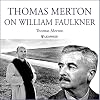
Merton's somewhat haphazard take on Faulkner is nevertheless quite interesting as he shows insights into Faulkner's work that would do Oliver Billingslea proud. While mentioning works that the doesn't think are appropriate for his audience of monks, Merton expresses his appreciation for Faulkner frankly and with humor, including many quotes from The Bear, The Wild Palms, and The Sound and the Fury, which are the subjects of these lectures. It makes no sense to look at Faulkner apart from the show more religion the South that infuses his stories, and Merton provides an excellent perspective. It's too bad he didn't live long enough to write the book on Faulkner he was contemplating. show less
Lists
Awards


You May Also Like


Associated Authors
Statistics
- Works
- 396
- Also by
- 37
- Members
- 37,968
- Popularity
- #475
- Rating
- 4.0
- Reviews
- 352
- ISBNs
- 747
- Languages
- 20
- Favorited
- 88


