
Bill Laws
Author of Fifty Plants That Changed the Course of History
About the Author
Bill Laws lives in Hereford, England. His other books include Fifty Plants that Changed the Course of History, Fifty Railroads that Changed the Course of History, and The Field Guide to Fields.
Image credit: Bill Laws
Works by Bill Laws
RHS Tales from the Tool Shed: The history and usage of fifty garden tools (2014) 14 copies, 1 review
Tagged
Common Knowledge
- Gender
- male
- Occupations
- writer
broadcaster - Nationality
- UK
- Places of residence
- Welsh Borders
Herefordshire, England, UK - Associated Place (for map)
- England, UK
Members
Reviews
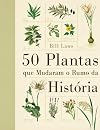
Um livro muito bacana que não se limita a falar dos aspectos biológicos e botânicos, mas principalmente do papel econômico, social e histórico de cada uma das plantas tratadas. Como historiador Bill Laws procura criar um contexto abrangente de como uma determinada cultura alterou muitas vezes decisivamente o destino dos povos que as cultivavam e comercializavam. Sendo uma tradução o livro muitas vezes peca por poucos detalhes sobre o impacto no Brasil, assim não temos o pau-brasil no show more livro e a importância do açúcar no Brasil é quase limitada ao programa de etanol para combustível; enquanto a cultura da cana baseada no escravagismo é apresentada mais como um fenômeno do caribe. Algumas histórias surpreendem como as que envolvem Benjamin Franklin e George Washington no capítulo sobre o cânhamo e a canabis sativa, sua irmã mais famosa. Também vemos nitidamente como os civilizações ameríndias pré-colombianas eram grandes domesticadores de plantas e proporcionaram aos europeus uma quantidade imensa do que temos hoje como alimentos campeões de audiência no mundo todo. Podemos listar o cacau, o milho, o tomate, a batata, o feijão, a baunilha, a abóbora e, não poderíamos deixar de citar a coca. Para quem quer aprender história pelas plantas, e entender melhor como o agronegócio hoje é fruto (trocadilho não intencional) de milhares de anos de história com grandes choques entre civilizações e que é um tema fundamental para o futuro da humanidade. show less
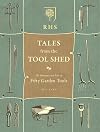
While this is a beautifully constructed, high-quality book that was a joy to hold and look at, it was ultimately disappointing. I suppose strictly speaking, it does what it sets out to do: share a history of gardening through 50 garden tools that the RHS has deemed pivotal to modern gardening. But I should have devoured this and instead I struggled to stay focussed. The layout is really attractive, and break-out boxes had interesting and useful tips about choosing, using or caring for show more specific tools, but the writing would have benefitted from stronger editing. The narratives lacked anything pulling them together and they often felt rambling and disjointed. More often than not I was skimming and left wanting more. show less
Fifty Plants that Changed the Course of History (Fifty Things That Changed the Course of History) by Bill Laws
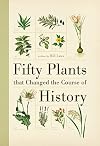
A wonderful view, peppered with illustrations and sidebarred factoids, into a selected set of important plants in human history. The ordering is alphabetical by genus, so it starts off with the tequila-producing agave plant (which I was surprised to read in a side note that it is similar but "unrelated" (???) to aloe vera), and goes on to the (only 5,000 years old!!?) onion (Allium cepa).
An excellent book to have lying around the house.
An excellent book to have lying around the house.

Easy book to pick up and put down as none of the sections are more than 5 pages and there is no connection between each chapter. While I enjoyed each chapter there was no overarching layout of the chapters or justification of choice of plants.
Lists
Awards

You May Also Like


Associated Authors
Statistics
- Works
- 24
- Members
- 806
- Popularity
- #31,649
- Rating
- 3.7
- Reviews
- 12
- ISBNs
- 71
- Languages
- 11
- Favorited
- 1
