
Kim Lock
Author of The Other Side of Beautiful
Works by Kim Lock
Associated Works
Tagged
Common Knowledge
There is no Common Knowledge data for this author yet. You can help.
Members
Reviews
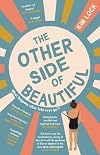
The Other Side of Beautiful is a wonderfully engaging contemporary novel from Kim Lock.
“It was almost midnight. It was the eve of Mercy’s thirty-sixth birthday. None of these things—not the orange flames nor the agog neighbours, not the birthday nor the deafly ringing ears—were Mercy’s biggest problem, either.”
Watching her home burn to the ground, her pet Dachshund, Wasabi, cradled in her arms, Mercy Blain fights to hold herself together. Panic attacks have prevented her show more venturing further than her driveway for two years, and now she is standing on the road, surrounded by neighbours and emergency service personnel, her sanctuary destroyed. Desperation forces her to turn to her not-quite ex-husband as a temporary refuge, but his new live-in boyfriend is not exactly welcoming, leading Mercy to impulsively purchase a vintage (read small and dingy) camper van. With no desire except to be anywhere else, Mercy impulsively decides to leave everything behind, and drive from Adelaide to Darwin.
“She wanted it to be over—she wanted to be on the other side of it all.”
While Mercy’s journey is an impulse, it’s a brave move to drive the 3000km+ from southern to northern Australia, anxiety or not. Having left Adelaide with not much more than the clothes on her a back, Wasabi, and, rather unexpectedly, the boxed cremains of a stranger, she has no choice but to endure the stress of interacting with strangers to source supplies. The route is also popular with ‘grey nomads’ and other travellers, and though the camper van, adorned with a message ‘Home is wherever you are’, provides Mercy with privacy, she’s rarely truly alone. Her road trip ‘companions’ are charming, kind and persistent, and eventually Mercy responds when they reach out.
“A panic attack was her body preparing to run for its life. Digestion halted, all rational cognitive function ceased and she became a helpless passenger in a runaway body.”
Panic disorders are often misunderstood. When not in the middle of an attack, Mercy, a doctor, is aware her fears are irrational but she feels powerless in its grip. her crippling ordeal with anxiety, triggered by three traumatic incidents which occurred in a single week, has an authenticity which is borne of the author’s own experience. I found Mercy to be a very sympathetic character, especially as I learned more about her circumstances, and I was invested in both her emotional and physical journey.
“Or she could find somewhere in that great in-between, that place of nuance and clarity and balance. That place where she could do her best, do what she needed to do, and not let the fear of pain and hurt, all the infinite what ifs, crowd her mind until she could do nothing….”
Written with heart, humour and compassion, I enjoyed being a passenger on this journey through Australia’s stunning interior landscape, alongside a character I really came to care about, and her sausage dog. The Other Side of Beautiful is genuine, gracious and entertaining. show less
“It was almost midnight. It was the eve of Mercy’s thirty-sixth birthday. None of these things—not the orange flames nor the agog neighbours, not the birthday nor the deafly ringing ears—were Mercy’s biggest problem, either.”
Watching her home burn to the ground, her pet Dachshund, Wasabi, cradled in her arms, Mercy Blain fights to hold herself together. Panic attacks have prevented her show more venturing further than her driveway for two years, and now she is standing on the road, surrounded by neighbours and emergency service personnel, her sanctuary destroyed. Desperation forces her to turn to her not-quite ex-husband as a temporary refuge, but his new live-in boyfriend is not exactly welcoming, leading Mercy to impulsively purchase a vintage (read small and dingy) camper van. With no desire except to be anywhere else, Mercy impulsively decides to leave everything behind, and drive from Adelaide to Darwin.
“She wanted it to be over—she wanted to be on the other side of it all.”
While Mercy’s journey is an impulse, it’s a brave move to drive the 3000km+ from southern to northern Australia, anxiety or not. Having left Adelaide with not much more than the clothes on her a back, Wasabi, and, rather unexpectedly, the boxed cremains of a stranger, she has no choice but to endure the stress of interacting with strangers to source supplies. The route is also popular with ‘grey nomads’ and other travellers, and though the camper van, adorned with a message ‘Home is wherever you are’, provides Mercy with privacy, she’s rarely truly alone. Her road trip ‘companions’ are charming, kind and persistent, and eventually Mercy responds when they reach out.
“A panic attack was her body preparing to run for its life. Digestion halted, all rational cognitive function ceased and she became a helpless passenger in a runaway body.”
Panic disorders are often misunderstood. When not in the middle of an attack, Mercy, a doctor, is aware her fears are irrational but she feels powerless in its grip. her crippling ordeal with anxiety, triggered by three traumatic incidents which occurred in a single week, has an authenticity which is borne of the author’s own experience. I found Mercy to be a very sympathetic character, especially as I learned more about her circumstances, and I was invested in both her emotional and physical journey.
“Or she could find somewhere in that great in-between, that place of nuance and clarity and balance. That place where she could do her best, do what she needed to do, and not let the fear of pain and hurt, all the infinite what ifs, crowd her mind until she could do nothing….”
Written with heart, humour and compassion, I enjoyed being a passenger on this journey through Australia’s stunning interior landscape, alongside a character I really came to care about, and her sausage dog. The Other Side of Beautiful is genuine, gracious and entertaining. show less
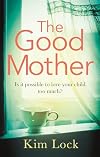
It's not often that a book leaves me so uncertain.
This was my Mother's Day gift from my little readers, which was received with pleasure and promoted to the very top of my TBR pile. As the title and blurb suggests, it's a book about motherhood (very definitely so: the fathers are mostly absent), and yet...it isn't. It's a book about depression and abuse and fear and desperation, and while motherhood is the catalyst for these feelings, there's much more going on than the occasionally show more mind-numbing erasing of self that can be one result of caring for a very small person.
So what is it about?
The blurb runs something like this:
When devoted wife and mother Jenna Rudolph kills herself, her best friend Fairlie Winter is shocked.
Then Fairlie receives a letter from Jenna, posted before she died.
This sends her on a journey to uncover the truth, which leads her to discover a tale of two desperate mothers and the terrible choices they made for their children.
Fairlie must ask herself: is there such a thing as loving your child too much?
What's it like?
Interesting. Sad. Frustrating.
I really liked the structure of this. The book opens with Fairlie learning about Jenna's death, then the narrative switches back and forth between 'now', which involves Fairlie discovering what happened to Jenna and Jenna's mother, and 'then', which gradually covers the period between Jenna meeting husband, Ark, and taking her own life. Because we already know WHAT happened, we can focus entirely on the WHY, which intensifies the frustration of missed opportunities.
'The Good Mother' offers a fascinating insight into the development of an unhealthy relationship. We witness Jenna's confusion as she wonders whether she is at fault in various scenarios, but we also witness her clearly addressing the problems...only to be laughed at. It's not surprising that she mostly learns to put up and shut up...or that this creates a barrage of self-loathing that brings its own problems. Her mixed feelings are one of the most disquieting insights Lock has to offer.
Similarly the presentation of early motherhood is skilfully done. Jenna's exhaustion, isolation and lack of enchantment with a screaming baby and a food launching toddler is presented in a way that makes the sacrifices motherhood demands extremely clear. This is a real strength of the book: the guilt many mothers feel is sparingly referenced but constantly lurks beneath the surface, ready to pull Jenna down.
So why was I frustrated?
In short, I wasn't always convinced by significant plot points.
I was surprised by the distance between the main characters.
Fairlie and Jenna were best friends. Why didn't Jenna confide in Fairlie about the falling-out with her mother? This just seems implausible. (Speaking of Jenna's mother - despite the implications of the blurb, what she does is not 'for her child' at all. It is for her and it is is devastatingly selfish.)
And how did Fairlie not notice things were so deeply amiss with her friend? She works as a nurse - aren't they trained in spotting depression? Of course, by the time the depression blooms, the two women are already estranged, to a degree, but Fairlie still has a key opportunity, and it's sad to see her miss it.
I'm also unsure about two key elements of the ending, which involve Ark's plans and Ark's fate. I can't say anymore without introducing major spoilers, but I found the first surprising verging on unconvincing and the second involved a major omission that ought to have been addressed, even if that was done very briefly.
And speaking of omissions...I can't decide if it's wonderfully chilling that Jenna is allowed one final secret (surely Ark knows? And the detective must know?) or whether it's a very very odd omission from the already shocking (but potentially even more shocking) story of her death.
Final thoughts
Despite the omissions and minor frustrations identified, I really did enjoy reading this. It was a genuinely interesting insight into Jenna's situation and I liked the structure of the narrative, Fairlie's search for clues and the presentation of motherhood. show less
This was my Mother's Day gift from my little readers, which was received with pleasure and promoted to the very top of my TBR pile. As the title and blurb suggests, it's a book about motherhood (very definitely so: the fathers are mostly absent), and yet...it isn't. It's a book about depression and abuse and fear and desperation, and while motherhood is the catalyst for these feelings, there's much more going on than the occasionally show more mind-numbing erasing of self that can be one result of caring for a very small person.
So what is it about?
The blurb runs something like this:
When devoted wife and mother Jenna Rudolph kills herself, her best friend Fairlie Winter is shocked.
Then Fairlie receives a letter from Jenna, posted before she died.
This sends her on a journey to uncover the truth, which leads her to discover a tale of two desperate mothers and the terrible choices they made for their children.
Fairlie must ask herself: is there such a thing as loving your child too much?
What's it like?
Interesting. Sad. Frustrating.
I really liked the structure of this. The book opens with Fairlie learning about Jenna's death, then the narrative switches back and forth between 'now', which involves Fairlie discovering what happened to Jenna and Jenna's mother, and 'then', which gradually covers the period between Jenna meeting husband, Ark, and taking her own life. Because we already know WHAT happened, we can focus entirely on the WHY, which intensifies the frustration of missed opportunities.
'The Good Mother' offers a fascinating insight into the development of an unhealthy relationship. We witness Jenna's confusion as she wonders whether she is at fault in various scenarios, but we also witness her clearly addressing the problems...only to be laughed at. It's not surprising that she mostly learns to put up and shut up...or that this creates a barrage of self-loathing that brings its own problems. Her mixed feelings are one of the most disquieting insights Lock has to offer.
Similarly the presentation of early motherhood is skilfully done. Jenna's exhaustion, isolation and lack of enchantment with a screaming baby and a food launching toddler is presented in a way that makes the sacrifices motherhood demands extremely clear. This is a real strength of the book: the guilt many mothers feel is sparingly referenced but constantly lurks beneath the surface, ready to pull Jenna down.
So why was I frustrated?
In short, I wasn't always convinced by significant plot points.
I was surprised by the distance between the main characters.
Fairlie and Jenna were best friends. Why didn't Jenna confide in Fairlie about the falling-out with her mother? This just seems implausible. (Speaking of Jenna's mother - despite the implications of the blurb, what she does is not 'for her child' at all. It is for her and it is is devastatingly selfish.)
And how did Fairlie not notice things were so deeply amiss with her friend? She works as a nurse - aren't they trained in spotting depression? Of course, by the time the depression blooms, the two women are already estranged, to a degree, but Fairlie still has a key opportunity, and it's sad to see her miss it.
I'm also unsure about two key elements of the ending, which involve Ark's plans and Ark's fate. I can't say anymore without introducing major spoilers, but I found the first surprising verging on unconvincing and the second involved a major omission that ought to have been addressed, even if that was done very briefly.
And speaking of omissions...I can't decide if it's wonderfully chilling that Jenna is allowed one final secret (surely Ark knows? And the detective must know?) or whether it's a very very odd omission from the already shocking (but potentially even more shocking) story of her death.
Final thoughts
Despite the omissions and minor frustrations identified, I really did enjoy reading this. It was a genuinely interesting insight into Jenna's situation and I liked the structure of the narrative, Fairlie's search for clues and the presentation of motherhood. show less
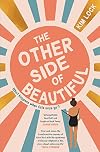
I may be a year late to the party, only now getting a chance to read Kim Lock’s breakout novel. But, I can certainly attest to why The Other Side of Beautiful earned spots on many readers’ Best Books of 2021 lists.
Who doesn’t love a fish-out-of-water story? Or a warm-hearted road trip to redemption with a gorgeous sausage dog as a sidekick? Yes, at first it seems Lock has simply selected her ingredients wisely. But then you come to realise it is the remarkable depth and raw show more authenticity she has achieved in lead Mercy Blain’s characterisation that elevate this novel to something truly special.
In a refreshing twist to the fish-out-of-water lead character trope, Mercy Blain is acutely aware of how her strange behaviour and at times dishevelled appearance will be judged by others. She knows from personal experience that beauty is often only skin-deep. She owns her flaws – people can like it or lump it. And, I think it is this attitude that gives readers genuine permission to laugh at some of the wonderful visual comedy and farcical situations she finds herself in along her journey. Continue reading: https://www.bookloverbookreviews.com/2022/07/the-other-side-of-beautiful-kim-loc... show less
Who doesn’t love a fish-out-of-water story? Or a warm-hearted road trip to redemption with a gorgeous sausage dog as a sidekick? Yes, at first it seems Lock has simply selected her ingredients wisely. But then you come to realise it is the remarkable depth and raw show more authenticity she has achieved in lead Mercy Blain’s characterisation that elevate this novel to something truly special.
In a refreshing twist to the fish-out-of-water lead character trope, Mercy Blain is acutely aware of how her strange behaviour and at times dishevelled appearance will be judged by others. She knows from personal experience that beauty is often only skin-deep. She owns her flaws – people can like it or lump it. And, I think it is this attitude that gives readers genuine permission to laugh at some of the wonderful visual comedy and farcical situations she finds herself in along her journey. Continue reading: https://www.bookloverbookreviews.com/2022/07/the-other-side-of-beautiful-kim-loc... show less
It is escapism, and it's often funny, but it's entertainment with a serious side in the sense that the author deftly portrays the disabling effects of anxiety and the pressure that can bedevil a high achiever.
I did like the portrayal of Wasabi. (I've had two Dachshunds, both of them imaginatively called Gretel.) But see how perceptively the author alludes to the punishing workload of medical interns here, and moves on to the character's loneliness and her need for love:
To read the rest of my review please visit https://anzlitlovers.com/2021/09/25/the-other-side-of-beautiful-by-kim-lock/ show less
I did like the portrayal of Wasabi. (I've had two Dachshunds, both of them imaginatively called Gretel.) But see how perceptively the author alludes to the punishing workload of medical interns here, and moves on to the character's loneliness and her need for love:
She'd bought himshow more
just before she started her internship, naïvely thinking that the end of med school signalled the beginning of control over her own life. Maybe a cat would have been a better choice, Mercy thought to herself in the early days, coming home in the bleary dawn after night shift to an avalanche of exploded paper up and down the hallway. Or even a goldfish, she had thought, walking an excitable, yapping, twisting Dachshund in the dark streets at two am before work.
But Mercy had gotten Wasabi for the same reason anyone gets a puppy: because they embody happiness. Their fuzzy little faces are gorgeous and irresistible. Their love is unconditional. And no matter how long Mercy was gone, no matter how wrecked she was when she came home, no matter how she had snapped at him or even ignored him, Wasabi was always there. He never blamed her, never criticised her, never expected her to actualise him. Always wagging his tail. Always happy to curl up on her lap and be petted for as long as Mercy needed. (p.178)
To read the rest of my review please visit https://anzlitlovers.com/2021/09/25/the-other-side-of-beautiful-by-kim-lock/ show less
You May Also Like
Associated Authors
Statistics
- Works
- 6
- Also by
- 1
- Members
- 108
- Popularity
- #179,296
- Rating
- 3.9
- Reviews
- 9
- ISBNs
- 36
- Languages
- 1