
Cooper Thompson
Author of White Men Challenging Racism: 35 Personal Stories
Works by Cooper Thompson
Associated Works
Race, Class, and Gender in the United States: An Integrated Study (1992) — Contributor, some editions — 561 copies
Tagged
Common Knowledge
- Birthdate
- 1950
- Gender
- male
- Organizations
- Integration Council in Nürnberg
Diversity Works - Nationality
- USA (birth)
Germany - Birthplace
- USA
- Places of residence
- Nürnberg, Germany
- Associated Place (for map)
- Nürnberg, Germany
Members
Reviews

Cooper Thompson is an American who had learned some French and Spanish, wanted to learn Italian, and could envision himself living in a Romance country. His life took a far different turn when he fell in love with a German woman. They subsequently married and moved to her native land. Thompson then began the task of learning a language that sounded harsh and that he (like many others) associated with Hitler and the Nazis.
He chronicles his emotions as he plunges into the work of learning a show more new language as an adult and finds himself in a similar position to a child acquiring language for the first time. At times he has tantrums because he cannot make himself understood. Sometimes he keeps silent because he doesn't have the words to convey his thoughts accurately. He feels helpless and dependent because he is unable to speak his mind. He feels a loss of identity and his self-esteem diminishes as a sense of loneliness and not belonging increase. He fears coming across as stupid or child-like. He feels impotent for having lost his adult voice as well as marginalized or ignored as someone who has nothing to contribute. He also must deal with the stress and physical effects of putting so much effort into what is for most of us the simple everyday activity of communicating. He regrets the loss of nuance in his speech and feels less himself than when speaking his native English.
Thompson also comments on the German culture and their treatment of immigrants. Social context is important as illustrated by the correct form of the word you: in most cases, du is used only with family and very close friends of many years. Sie is more commonly used but Thompson shocks his wife by suggesting that everyone from shopkeepers and neighbors to doctors use the familiar du with him. He finds that Germans are more willing to do this with him because he is American and the usage tends to decrease the social distance between them. He learns that immigrants from other countries such as Turkey often feel excluded. Many Germans appear overly formal and standoffish and are less than welcoming to immigrants. He also notes that Germans seem uncomfortable with compliments. In addition, there is the large difference between the standard German he is learning and the local dialect his wife speaks which he does not understand.
Eventually Thompson becomes more comfortable using German as he accepts that he will never understand everything that is said and that he will never achieve perfection in his own speaking. His outgoing personality helps and as he says, communication is more than words.
This is an easy to read account of learning a new language and culture in mid-life which covers the fears, stresses and successes that one can expect to encounter. References are included for those who wish to know more about learning a second language. show less
He chronicles his emotions as he plunges into the work of learning a show more new language as an adult and finds himself in a similar position to a child acquiring language for the first time. At times he has tantrums because he cannot make himself understood. Sometimes he keeps silent because he doesn't have the words to convey his thoughts accurately. He feels helpless and dependent because he is unable to speak his mind. He feels a loss of identity and his self-esteem diminishes as a sense of loneliness and not belonging increase. He fears coming across as stupid or child-like. He feels impotent for having lost his adult voice as well as marginalized or ignored as someone who has nothing to contribute. He also must deal with the stress and physical effects of putting so much effort into what is for most of us the simple everyday activity of communicating. He regrets the loss of nuance in his speech and feels less himself than when speaking his native English.
Thompson also comments on the German culture and their treatment of immigrants. Social context is important as illustrated by the correct form of the word you: in most cases, du is used only with family and very close friends of many years. Sie is more commonly used but Thompson shocks his wife by suggesting that everyone from shopkeepers and neighbors to doctors use the familiar du with him. He finds that Germans are more willing to do this with him because he is American and the usage tends to decrease the social distance between them. He learns that immigrants from other countries such as Turkey often feel excluded. Many Germans appear overly formal and standoffish and are less than welcoming to immigrants. He also notes that Germans seem uncomfortable with compliments. In addition, there is the large difference between the standard German he is learning and the local dialect his wife speaks which he does not understand.
Eventually Thompson becomes more comfortable using German as he accepts that he will never understand everything that is said and that he will never achieve perfection in his own speaking. His outgoing personality helps and as he says, communication is more than words.
This is an easy to read account of learning a new language and culture in mid-life which covers the fears, stresses and successes that one can expect to encounter. References are included for those who wish to know more about learning a second language. show less
 This review was written for LibraryThing Early Reviewers.
I moved as a child to a non-English speaking country, and also started learning German as a young adolescent. I live in Austria, not Germany, and my husband is also English mother tongue, so my situation is quite different from Cooper Thompson's. However, in many ways it is also similar.
I have read a lot of books about second language learning this year. This book is very different from the others. I think it will be useful for those learning a second language. I would recommend adding this show more to the reading lists of those aiming to teach adults a second language. Most of the others spend a lot of time on theory, on linguistics, and on comparitive language studies. Those are all important, but this book points out things that the other books ignore or side line.
1) Language is first and last about communication. It is not about grammar and vocabulary. Grammar, vocabulary, and everything else language classes teach are only important because they help the learners communicate.
2) Using a language that you don't feel competent in is a frustrating, exhausting, and emotional experience and takes a lot of courage.
3) There is a lot more to communication than just the words spoken.
Some of Cooper Thompson's emotions are common to all people using second (and furthier) languages. Some come from his personal history (but we all have histories that can bring up emotions). His ability to recognize what he is feeling and to sort out why is valuable. That should encourage other learners to try to understand how they can change their own reactions to situations.
Besides language learners and teachers, the third group of people who would profit from reading this book is those who deal frequently with immigrants. Very few immigrants are as fluent at explaining the conflicts, both internal and external that even the best situated immigrants go through.
I have lived in Vienna for most of the past 40 years. During the past four years my speed in reading German has gotten a lot better (practice). During the past year my abililty to express myself in written German has also improved - I have volunteered to translate texts from German into English, but have had to write e-mails about it in German. Austria has been my home for a long time, but 'langsam, langsam' (slowly slowly) I'm beginning to feel that I belong here.
One tip I have for him and others: Never apologise that your language skills aren't 'good enough'. Better psychologically for you and more effective in getting support from the other person is: 'I'm learning _____. ' show less
I have read a lot of books about second language learning this year. This book is very different from the others. I think it will be useful for those learning a second language. I would recommend adding this show more to the reading lists of those aiming to teach adults a second language. Most of the others spend a lot of time on theory, on linguistics, and on comparitive language studies. Those are all important, but this book points out things that the other books ignore or side line.
1) Language is first and last about communication. It is not about grammar and vocabulary. Grammar, vocabulary, and everything else language classes teach are only important because they help the learners communicate.
2) Using a language that you don't feel competent in is a frustrating, exhausting, and emotional experience and takes a lot of courage.
3) There is a lot more to communication than just the words spoken.
Some of Cooper Thompson's emotions are common to all people using second (and furthier) languages. Some come from his personal history (but we all have histories that can bring up emotions). His ability to recognize what he is feeling and to sort out why is valuable. That should encourage other learners to try to understand how they can change their own reactions to situations.
Besides language learners and teachers, the third group of people who would profit from reading this book is those who deal frequently with immigrants. Very few immigrants are as fluent at explaining the conflicts, both internal and external that even the best situated immigrants go through.
I have lived in Vienna for most of the past 40 years. During the past four years my speed in reading German has gotten a lot better (practice). During the past year my abililty to express myself in written German has also improved - I have volunteered to translate texts from German into English, but have had to write e-mails about it in German. Austria has been my home for a long time, but 'langsam, langsam' (slowly slowly) I'm beginning to feel that I belong here.
One tip I have for him and others: Never apologise that your language skills aren't 'good enough'. Better psychologically for you and more effective in getting support from the other person is: 'I'm learning _____. ' show less
This review was written for LibraryThing Early Reviewers.This is a very interesting and detailed look into something that most people in the US are never challenged to do - learn another language and live in a country where you have to speak that second language in order to communicate with those around you. While not providing an instruction manual (which is not the purpose of the book), the author details his struggles and how he came to be fluent in German, what being fluent means to him, and how he found ways to cope with the rigid language show more classes he attended. This book really makes me reflect on the inadequacy of being from a country where we expect everyone to speak English. It leaves myself and many other US-ians at a loss when we have to travel to other countries. show less
This review was written for LibraryThing Early Reviewers.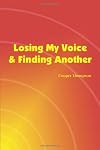
This book looks at the learning of a second language through the eyes of an American immigrant to Germany. This is a man with a solid background of psychology/sociology and an interest in the workings of his own mind. He takes us through all the non-technical difficulties of learning a second language, such as the frustration about not being able to express himself and the influence this has on his emotions, or having to work with a teacher or teaching method that does not fit. He also finds show more some very real opportunities in this process, such as realizing that often you can understand people better if you let them speak their own language, even if you don't speak this language yourself.
I thought it was a refreshing take on a complex problem, well worth reading. show less
I thought it was a refreshing take on a complex problem, well worth reading. show less
This review was written for LibraryThing Early Reviewers.Statistics
- Works
- 4
- Also by
- 1
- Members
- 57
- Popularity
- #287,972
- Rating
- 3.9
- Reviews
- 8
- ISBNs
- 5
