
Xiaolu Guo
Author of A Concise Chinese-English Dictionary for Lovers
About the Author
Xiaolu Guo is the author of Village of Stone, A Concise Chinese-English Dictionary for Lovers, Twenty Fragments of a Ravenous Youth, and I Am China. Guo has also directed several award-winning films including She, A Chinese and documentaries including Late at Night, and Five Men and a Caravaggio.
Image credit: Ian Oliver, July 1, 2007
Works by Xiaolu Guo
Dostoevsky and the Chickens 1 copy
She, a Chinese (2009 film) — Director — 1 copy
In her eyes : 1 copy
Associated Works
The Woman Warrior: Memoirs of a Girlhood Among Ghosts (1975) — Introduction, some editions — 5,456 copies, 75 reviews
Freedom: Stories Celebrating the Universal Declaration of Human Rights (2009) — Contributor — 88 copies, 2 reviews
BBC Proms 2019 : Prom 01 : First night of the Proms 2019 [programme] (2019) — Original text — 1 copy
Tagged
Common Knowledge
- Legal name
- 郭小橹
- Birthdate
- 1973
- Gender
- female
- Education
- Beijing Film Academy (B.A.)
Beijing Film Academy (M.A.)
National Film School, UK - Occupations
- filmmaker
novelist
screenwriter
playwright - Awards and honors
- Granta's Best of Young British Novelists (2013)
- Agent
- Rebecca Carter (Janklow & Nesbit) (UK)
- Nationality
- China (birth)
UK - Birthplace
- Wenling, Zhejiang, China
- Places of residence
- Wenling, Zhejiang, China
Shitang, Zhejiang, China
Beijing, China
Beaconsfield, Buckinghamshire, England, UK
Hackney, London, England, UK
Hamburg, Germany (show all 9)
Berlin, Germany
Paris, France
Zurich, Switzerland - Map Location
- UK
Members
Reviews
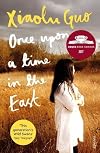
First, let me say that I love Xiaolu Guo and her writing so going into this, I was biased. But bias is not always a bad thing.
I loved reading this memoir, or collection of essays. Xiaolu was (and still is) such a curious, rebellious, tireless little spirit and it was a pleasure reading about her childhood, despite how difficult aspects of it were.
She speaks with a frankness and a boldness that almost creates a disconnect in her writing, except it doesn't, and her detachment is like that of show more a director looking through the lens, guiding, seeing, observing, crafting.
At times, I did feel like the writing was a little forced or cliched, but I found it so inoffensive that I didn't mind. There were a few instances where I wish the book had been longer and Xiaolu had gone into more detail about her life or elaborated on more of the events surrounding her life, but wishing a book was longer is hardly a bad thing.
For months, this book was the book I read when I didn't know what to read, when I wanted to be soothed to sleep, but it was only recently that I sank my teeth in and read the whole thing.
There were times, when reading this, where I feel like Xiaolu Guo called out into the universe and a little piece of my soul answered back. Her searing meditations on toxic masculinity and its affect on Chinese culture were incredible, and the way she spoke about her sexual assaults affected me really deeply as if she were speaking them into existence, because I don't think she'd ever really spoken about them before. They weren't particularly graphic depictions, but they felt graphic to me, because I'd been in similar situations before, and so when she spoke them into being on the page, so my soul spoke, and let go of everything.
If you've ever experienced sexual assault, you know this letting go is a life-long process, a constant and active effort.
"Silence was common in Chinese culture, it served a purpose. Never mention the tragedies, and never question them. Move on, get on with your life, since you couldn't change the fact of your birth."
I love her and knowing that she wrote books in English while learning English was so inspiring and stirring. Xiaolu Guo is one of those people who I think can bring something into being by sheer force of will.
Out of difficulty, out of darkness, comes a great triumph of the human spirit.
This is a great interview with Xiaolu Guo by Vintage Books.
https://soundcloud.com/vintagebookspodcast/xiaolu-guo-on-her-moving-memoir-once-...
tw: domestic violence, sexual assault, abortion, suicide show less
I loved reading this memoir, or collection of essays. Xiaolu was (and still is) such a curious, rebellious, tireless little spirit and it was a pleasure reading about her childhood, despite how difficult aspects of it were.
She speaks with a frankness and a boldness that almost creates a disconnect in her writing, except it doesn't, and her detachment is like that of show more a director looking through the lens, guiding, seeing, observing, crafting.
At times, I did feel like the writing was a little forced or cliched, but I found it so inoffensive that I didn't mind. There were a few instances where I wish the book had been longer and Xiaolu had gone into more detail about her life or elaborated on more of the events surrounding her life, but wishing a book was longer is hardly a bad thing.
For months, this book was the book I read when I didn't know what to read, when I wanted to be soothed to sleep, but it was only recently that I sank my teeth in and read the whole thing.
There were times, when reading this, where I feel like Xiaolu Guo called out into the universe and a little piece of my soul answered back. Her searing meditations on toxic masculinity and its affect on Chinese culture were incredible, and the way she spoke about her sexual assaults affected me really deeply as if she were speaking them into existence, because I don't think she'd ever really spoken about them before. They weren't particularly graphic depictions, but they felt graphic to me, because I'd been in similar situations before, and so when she spoke them into being on the page, so my soul spoke, and let go of everything.
If you've ever experienced sexual assault, you know this letting go is a life-long process, a constant and active effort.
"Silence was common in Chinese culture, it served a purpose. Never mention the tragedies, and never question them. Move on, get on with your life, since you couldn't change the fact of your birth."
I love her and knowing that she wrote books in English while learning English was so inspiring and stirring. Xiaolu Guo is one of those people who I think can bring something into being by sheer force of will.
Out of difficulty, out of darkness, comes a great triumph of the human spirit.
This is a great interview with Xiaolu Guo by Vintage Books.
https://soundcloud.com/vintagebookspodcast/xiaolu-guo-on-her-moving-memoir-once-...
tw: domestic violence, sexual assault, abortion, suicide show less
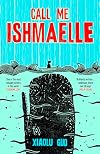
This is not a parody or homage to Melville’s “Moby Dick.” Instead, it seeks to insist on a female presence within that novel and perhaps an entire literary tradition that excluded women from epic narratives. Guo’s clear ambition and intelligent approach to interrogating who gets to tell stories and how mythologies are constructed are powerful. As such, her novel succeeds as a provocative and powerful counterpoint to “Moby Dick.”
By recasting Ishmael as Ishmaelle, a woman show more navigating both the literal dangers of life at sea and the structural violence of patriarchy, Guo turns the canonical adventure into a meditation on power and belonging. Ishmaelle is a compelling protagonist not because she is a dominant heroic figure but because she is intelligent, perceptive and quietly defiant. Guo pits her against a maritime culture that is exclusively masculine and pointedly authoritarian. Ishmaelle’s quiet negotiation with these forces to think, to speak and just to exist is the overriding source of tension in the novel. Guo achieves this elegantly by creating a mood that is primarily contemplative, yet unsettling. Despite moments of high drama chasing and killing whales, Guo chooses restraint and introspection over the grandiosity that marked the Melville original. show less
By recasting Ishmael as Ishmaelle, a woman show more navigating both the literal dangers of life at sea and the structural violence of patriarchy, Guo turns the canonical adventure into a meditation on power and belonging. Ishmaelle is a compelling protagonist not because she is a dominant heroic figure but because she is intelligent, perceptive and quietly defiant. Guo pits her against a maritime culture that is exclusively masculine and pointedly authoritarian. Ishmaelle’s quiet negotiation with these forces to think, to speak and just to exist is the overriding source of tension in the novel. Guo achieves this elegantly by creating a mood that is primarily contemplative, yet unsettling. Despite moments of high drama chasing and killing whales, Guo chooses restraint and introspection over the grandiosity that marked the Melville original. show less
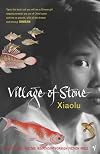
This short novel (about 180 pages) is blessed by exceptional writing, the more impressive considering the challenging subject matter. The story moves back and forth between Coral’s life with her boyfriend in Beijing now and her upbringing in the Village of Stone, a largely isolated, poverty-stricken fishing village on the South China Sea. Orphaned and raised by grandparents who did not speak to each other, Little Dog is not only scorned by the village but is raped, abused, and imprisoned show more by the village mute, then deals with an unwanted pregnancy followed by an abortion, and finds both herself and her grandmother ostracized within the village. Her resilience and fortitude in the face of her life are little short of extraordinary. I was very impressed with Xiaolu’s writing and dismayed to learn just how much of the story may be autobiographical. Notwithstanding a horrendous childhood, she not only survived but prospered. She moved from China to Britain at the age of 29 and published her first novel written in English a mere five years later. (She has written at least six other novels, a couple memoirs, essays, a short story collection and directed nearly a dozen films, picking up prizes in both mediums frequently along the way.) This particular book was shortlisted for both the Independent Foreign Fiction Prize (forerunner to the Booker) as well as the International IMPAC Dublin Literary Award and it’s easy to see why. Highly recommended. show less
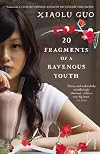
At 17, Fenfang leaves her boring little village, intent on making it big in Beijing. With no practical plan to speak of, she finds herself sitting literally on the side of the road, wondering just where she'd spend her first night. Against all odds, the universe actually helps her out, if in a bizarrely morbid way. The rest of the book is an array of seemingly random episodes from our heroine's life in the big city.
Far more than the life and times of a young woman trying to make it in the show more big city, I was left with an intriguingly bleak impression of life in modern-day Beijing. The heroine's transition from the incredibly repetitive life in a small village to a similarly repetitive hustle and bustle in the big city, held my attention from the beginning to the very last word of the book. Often times it felt like life in Beijing and life in general were two separate concepts, that would rarely intersect:
- one stubbornly stagnating, predictable and generally bleak,
- while the other was rather more vibrant and colorful, but somehow not very... realistic.
Initially, the stories left me, I hesitate to say unimpressed, but definitely confused. Two short stories and 40 pages in, the book didn't seem to be about anything in particular, or maybe there was so much it tried to tell me, that my brain just short-circuited itself. Still, with a little over 100 pages in total, I figured I could finish it quickly enough, and go on to spend a month pondering a polite way to phrase "Beijing was bleak and I just didn't GET it".
Little by little, I got more and more interested in Fenfang's progressively weird life:
- living in a one-room apartment with several people
- dealing with a violent ex-boyfriend
- getting arrested because her neighbors disliked her
... made my sentiments constantly oscillate between pity and admiration.
On the one hand, she was always alone, constantly putting up with a barrage of increasingly worse problems. On the other hand, in spite of the objective bleakness of her situation, Fenfang would always move stoically ahead, never cursing, crying, or otherwise despairing.
Score: 4/5 stars
As a "slice of life" from modern day China, this was a fascinating book. On occasion, it even made me wonder whether this is what my life would have looked today, had my country continued under a communist regime.
While I wouldn't consciously pick such a bleak book for enjoyment, there was just some je ne sais quoi to it. Objectively speaking nothing in it made me say "I enjoyed that", but if this is how all Xiaolu Guo's books feel, then I'll definitely read them.
All in all: an excellent end to my 2019 reading year. show less
Far more than the life and times of a young woman trying to make it in the show more big city, I was left with an intriguingly bleak impression of life in modern-day Beijing. The heroine's transition from the incredibly repetitive life in a small village to a similarly repetitive hustle and bustle in the big city, held my attention from the beginning to the very last word of the book. Often times it felt like life in Beijing and life in general were two separate concepts, that would rarely intersect:
- one stubbornly stagnating, predictable and generally bleak,
- while the other was rather more vibrant and colorful, but somehow not very... realistic.
Initially, the stories left me, I hesitate to say unimpressed, but definitely confused. Two short stories and 40 pages in, the book didn't seem to be about anything in particular, or maybe there was so much it tried to tell me, that my brain just short-circuited itself. Still, with a little over 100 pages in total, I figured I could finish it quickly enough, and go on to spend a month pondering a polite way to phrase "Beijing was bleak and I just didn't GET it".
Little by little, I got more and more interested in Fenfang's progressively weird life:
- living in a one-room apartment with several people
- dealing with a violent ex-boyfriend
- getting arrested because her neighbors disliked her
... made my sentiments constantly oscillate between pity and admiration.
On the one hand, she was always alone, constantly putting up with a barrage of increasingly worse problems. On the other hand, in spite of the objective bleakness of her situation, Fenfang would always move stoically ahead, never cursing, crying, or otherwise despairing.
Score: 4/5 stars
As a "slice of life" from modern day China, this was a fascinating book. On occasion, it even made me wonder whether this is what my life would have looked today, had my country continued under a communist regime.
While I wouldn't consciously pick such a bleak book for enjoyment, there was just some je ne sais quoi to it. Objectively speaking nothing in it made me say "I enjoyed that", but if this is how all Xiaolu Guo's books feel, then I'll definitely read them.
All in all: an excellent end to my 2019 reading year. show less
Lists
Awards


You May Also Like


Associated Authors
Statistics
- Works
- 18
- Also by
- 6
- Members
- 2,603
- Popularity
- #9,868
- Rating
- 3.7
- Reviews
- 142
- ISBNs
- 122
- Languages
- 12
- Favorited
- 8