
Carlo Ludovico Ragghianti (1910–1987)
Author of Great Museums of the World: Louvre, Paris
About the Author
Series
Works by Carlo Ludovico Ragghianti
Great Museums of the World: National Museum of Anthropology, Mexico City (1970) 132 copies, 1 review
Giacomo Manzu: Sculptor 4 copies
Arti della Visione 3 copies
Enciclopédia dos museus 2 copies
UFFIZZI 1 copy
L'opera di Corrado Cagli 1 copy
Per salvare la Repubblica 1 copy
The Splendors of Dresden 1 copy
Studi lucchesi 1 copy
L'arte in Italia. vol. II (dal secolo V al secolo XI); vol, III (dal secolo XII al secolo XIII) 1 copy
PradoMadrid 1 copy
Impressionismo 1 copy
Critica d'Arte 1 copy
Commenti di critica d'arte 1 copy
L'arte e la critica 1 copy
Commenti di Critica d'arte 1 copy
Associated Works
Tagged
Common Knowledge
- Birthdate
- 1910-03-18
- Date of death
- 1987-08-02
- Gender
- male
- Occupations
- art historian
- Relationships
- Ragghianti, Licia Collobi (spouse)
- Nationality
- Italy
- Birthplace
- Lucca, Italy
- Place of death
- Florence, Italy
- Associated Place (for map)
- Italy
Members
Reviews

If you enjoy art, then the Metropolitan Art Museum in New York, NY is the place to visit. The largest museum of art in the Western Hemisphere, containing more than two million works of arts spanning five thousand years from prehistory to the present. Each and every part of the globe is represented.
Located at 1000 5th Ave, climbing the steps to the entrance of pillared columns, sets the stage for an exciting experience. Impossible to due justice if visiting only one day, each part of the show more museum can hold interest for hours upon hours.
I am fortunate to live only an hour and 1/2 from there. And while I have visited often, I am always amazed! Claiming a specific section as favorite is difficult.
While it snowed this weekend, I comfortably sat in a large chair, and took hours to pay attention to the description of the history and some of the collections. However, one of my favorite places in the museum is the costume institute. Throughout the year various collections are on display, giving attention to specific designers, the Met sets the tone not only for fashion of the past, but also for present.
Estimated to have been painted sometime between 1620-1626, Georges De LaTour, The Fortune Teller held and aura of mystery as experts believed that the authenticity was not correct. With today's technological advances, there is no doubt that the painting was indeed painted by LaTour.
With a large collection of flemish paintings, one of my favorite is titled The Harvesters. Approximately painted in 1526 by Peter Bruegel The Elder this is one in a series of five that have survived.
During the day various tours are held at the museum. Starting at the bottom of the lavish marble stairs on the ground floor, I often try to join a tour narrated by volunteers who guide the group through some of their favorite works of art. During one of the tours someone asked what was the most significant painting acquired. While the answer to this question is of course subjective, the tour guide noted the acquisition of Jean de Pareja painted by Velasquez in 1650
While I could continue for hours, I'll end by saying if you are in New York City, truly it is a must to spend time at the Metropolitan Art Museum. show less
Located at 1000 5th Ave, climbing the steps to the entrance of pillared columns, sets the stage for an exciting experience. Impossible to due justice if visiting only one day, each part of the show more museum can hold interest for hours upon hours.
I am fortunate to live only an hour and 1/2 from there. And while I have visited often, I am always amazed! Claiming a specific section as favorite is difficult.
While it snowed this weekend, I comfortably sat in a large chair, and took hours to pay attention to the description of the history and some of the collections. However, one of my favorite places in the museum is the costume institute. Throughout the year various collections are on display, giving attention to specific designers, the Met sets the tone not only for fashion of the past, but also for present.
Estimated to have been painted sometime between 1620-1626, Georges De LaTour, The Fortune Teller held and aura of mystery as experts believed that the authenticity was not correct. With today's technological advances, there is no doubt that the painting was indeed painted by LaTour.
With a large collection of flemish paintings, one of my favorite is titled The Harvesters. Approximately painted in 1526 by Peter Bruegel The Elder this is one in a series of five that have survived.
During the day various tours are held at the museum. Starting at the bottom of the lavish marble stairs on the ground floor, I often try to join a tour narrated by volunteers who guide the group through some of their favorite works of art. During one of the tours someone asked what was the most significant painting acquired. While the answer to this question is of course subjective, the tour guide noted the acquisition of Jean de Pareja painted by Velasquez in 1650
While I could continue for hours, I'll end by saying if you are in New York City, truly it is a must to spend time at the Metropolitan Art Museum. show less
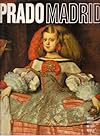
Another wonderful volume of the Great Museums series. Though, the El Prado's collection is not a favorite of mine; I guess a year in Rome my have prejudiced me to quantrocentro Italian art.

[This book was reviewed by Kimberly Weatherston, a volunteer with the Idaho Art Lab.]
This looks like a wonderful series of books - the pictures are all large, full color and glossy, a pleasure to look at.
A wide variety of artworks are presented, from paintings to sculptures to tapestries.
The interesting thing about this book in particular is that pieces from many museums, and also from locations that are not museums, are presented. I know that I personally will never in my life have a show more chance to go to Yugoslavia, so this is a chance to get a look at some pieces I would never get to see.
With that said, though, although I did enjoy flipping through the book, it is not one I think I would look at again. Almost half of the book is religious-themed art which is, to me, a bit repetitive after a while. It's not that I didn't enjoy it, just that I got tired of it after about 30 pages of it.
My personal favorite artworks shown in the book can be found on pages 47, 57, 72, 83, 93, 103, 125, 143, 145 and 155. show less
This looks like a wonderful series of books - the pictures are all large, full color and glossy, a pleasure to look at.
A wide variety of artworks are presented, from paintings to sculptures to tapestries.
The interesting thing about this book in particular is that pieces from many museums, and also from locations that are not museums, are presented. I know that I personally will never in my life have a show more chance to go to Yugoslavia, so this is a chance to get a look at some pieces I would never get to see.
With that said, though, although I did enjoy flipping through the book, it is not one I think I would look at again. Almost half of the book is religious-themed art which is, to me, a bit repetitive after a while. It's not that I didn't enjoy it, just that I got tired of it after about 30 pages of it.
My personal favorite artworks shown in the book can be found on pages 47, 57, 72, 83, 93, 103, 125, 143, 145 and 155. show less
Una serie di lettere, interventi, scritti che ben testimoniano tutta la vis polemica di Ragghianti sul tema patrimonio / beni culturali. Rappresentativo di un'epoca (interessanti per esempio le considerazioni sul nascente ministero dei b.c.) ma alla lunga un po' ripetitivo e senza dubbio letto oggi spesso datato.
Lists
You May Also Like


Associated Authors
Statistics
- Works
- 85
- Also by
- 1
- Members
- 3,009
- Popularity
- #8,477
- Rating
- 4.0
- Reviews
- 23
- ISBNs
- 72
- Languages
- 6