
Jane Yang
Author of The Lotus Shoes
Works by Jane Yang
Winter of the Bride 1 copy
Tagged
Common Knowledge
- Gender
- female
- Birthplace
- Saigon, Vietnam
Members
Reviews
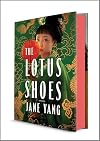
A Stunning Tale of Sisterhood, Betrayal, and Triumph
An empowering and deeply moving historical novel, this story follows two women from vastly different backgrounds in 1800s China as they navigate betrayal, privilege, and resilience.
Born into a peasant family, Little Flower’s mother bound her feet at a young age, hoping it would secure her a prosperous marriage. But when her father dies, she is sold as a muizai (bonded servant) to Linjing, the spoiled daughter of the wealthy Fong family. show more Unlike most servants, Little Flower has bound feet—a symbol of high status—and an extraordinary talent for embroidery, making her a target for Linjing’s jealousy and cruelty.
As years pass, their relationship oscillates between bitter rivalry and reluctant dependence. But when scandal destroys the Fong family’s reputation, both women are cast into a Celibate Sisterhood, where they must fight for survival. Little Flower’s artistic gifts catch the eye of a nobleman, but defying the Sisterhood’s strict rules could cost her life. Will Linjing use this as an opportunity to sabotage her former servant, or will she finally stand by her side?
This novel masterfully explores the oppressive traditions that confined women, from foot-binding to the rigid social hierarchy that kept them powerless. It delves into the painful realities of privilege, class divisions, and the female hierarchy, where women, despite being bound by the same limitations, often became each other’s worst oppressors. The transformation of both Little Flower and Linjing is deeply compelling—one fighting for dignity and freedom, the other struggling with the loss of status and self-worth.
With stunning prose, intricate historical details, and unforgettable characters, this book is an emotional journey of perseverance, sacrifice, and the enduring power of hope. A must-read for historical fiction lovers! show less
An empowering and deeply moving historical novel, this story follows two women from vastly different backgrounds in 1800s China as they navigate betrayal, privilege, and resilience.
Born into a peasant family, Little Flower’s mother bound her feet at a young age, hoping it would secure her a prosperous marriage. But when her father dies, she is sold as a muizai (bonded servant) to Linjing, the spoiled daughter of the wealthy Fong family. show more Unlike most servants, Little Flower has bound feet—a symbol of high status—and an extraordinary talent for embroidery, making her a target for Linjing’s jealousy and cruelty.
As years pass, their relationship oscillates between bitter rivalry and reluctant dependence. But when scandal destroys the Fong family’s reputation, both women are cast into a Celibate Sisterhood, where they must fight for survival. Little Flower’s artistic gifts catch the eye of a nobleman, but defying the Sisterhood’s strict rules could cost her life. Will Linjing use this as an opportunity to sabotage her former servant, or will she finally stand by her side?
This novel masterfully explores the oppressive traditions that confined women, from foot-binding to the rigid social hierarchy that kept them powerless. It delves into the painful realities of privilege, class divisions, and the female hierarchy, where women, despite being bound by the same limitations, often became each other’s worst oppressors. The transformation of both Little Flower and Linjing is deeply compelling—one fighting for dignity and freedom, the other struggling with the loss of status and self-worth.
With stunning prose, intricate historical details, and unforgettable characters, this book is an emotional journey of perseverance, sacrifice, and the enduring power of hope. A must-read for historical fiction lovers! show less
The Lotus Shoes: A Captivating Historical Fiction of Women's Struggles and Triumphs in Imperial China by Jane Yang
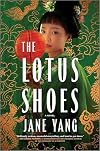
This historical novel, set in 19th-century China, has two narrators, Little Flower and Linjing, from very different backgrounds whose lives become intertwined.
When she is six years old, Little Flower is sold as a maidservant to Linjing, the daughter of the prominent Fong family. Little Flower is an unusual servant: she has bound feet, a sign of her good character, which should also improve her chances of a good marriage. She is also extraordinarily gifted at embroidery, a skill associated show more with the highest class. Little Flower hopes her bound feet (golden lilies) and her skill might lead her out of slavery, but Linjing does all she can to keep her by her side. When scandal strikes the Fong family, Little Flower sees opportunities to improve her status, but Linjing is determined to prevent her chances of advancement.
The reader will learn a great deal about Chinese culture in the 1800s. For example, foot binding, the importance of marriage and child-bearing for women, social hierarchy, and filial responsibilities are detailed. What is also significant is that Christianity and Westernization are making inroads so there is a clash between Chinese traditions and Western ideas and values.
Little Flower is a likeable character. She is intelligent and compassionate and determined. She wants freedom but her attempts are thwarted by Linjing so Little Flower learns that “promises from the genteel class were not to be relied upon if my safety clashed with their self-interest.” Linjing is less likeable. She’s a privileged girl whose father spoils her so she is accustomed to getting what she wants. Selfishness is her dominant trait; Little Flower’s comment that Linjing’s selfishness “had cost me everything” is definitely not exaggeration. Linjing becomes jealous of Little Flower’s embroidery talent and so treats her cruelly. She sees Little Flower not as a person but as her property.
Linjing, because of her upbringing, has difficulty growing and changing. For instance, though she pretends to be Little Flower’s friend, Linjing admits, “I couldn’t alter my sentiment, but I would change my conduct: outwardly. I would treat her as an equal – surely the latter mattered more.” Only much later does she acknowledge her flaws: “I had been too attached to privilege to stand on my own feet. All my life, I had enjoyed these advantages of class without sparing a thought for the women who had forfeited their freedom, and often their dignity, to serve ladies like me.”
Little Flower describes the difference between her status and that of Linjing: “She lived in a world of boundless streams and rivers, each waterway feeding into another until they converged in a vast ocean of opportunity. I inhabited a shallow, fenced-in pond.” Later, however, Little Flower comes to understand that “in this world only men had the freedom to act, to roam, to live.” Linjing also realizes “we lived in a hierarchy that favored men” because, though she is of high status, her life is shaped by the decisions of men like her father.
The novel explores the complexities of female relationships in a male-dominated society. Women are often cruel to each other but that behaviour is understandable given women’s constrained lives. Linjing mentions, “Women, be it peasant or lady, first wife or minor wives, were pitched against each other, fighting among themselves for scraps of power and security.”
I enjoyed this novel, quickly becoming emotionally invested in Little Flower’s fate. The pace is sometimes slow, but my interest was maintained. I recommend the book to those who enjoy the novels of Lisa See, especially her Snow Flower and the Secret Fan.
Note: Please check out my reader's blog (https://schatjesshelves.blogspot.com/) or substack (https://doreenyakabuski.substack.com/) for over 1,100 of my book reviews. show less
When she is six years old, Little Flower is sold as a maidservant to Linjing, the daughter of the prominent Fong family. Little Flower is an unusual servant: she has bound feet, a sign of her good character, which should also improve her chances of a good marriage. She is also extraordinarily gifted at embroidery, a skill associated show more with the highest class. Little Flower hopes her bound feet (golden lilies) and her skill might lead her out of slavery, but Linjing does all she can to keep her by her side. When scandal strikes the Fong family, Little Flower sees opportunities to improve her status, but Linjing is determined to prevent her chances of advancement.
The reader will learn a great deal about Chinese culture in the 1800s. For example, foot binding, the importance of marriage and child-bearing for women, social hierarchy, and filial responsibilities are detailed. What is also significant is that Christianity and Westernization are making inroads so there is a clash between Chinese traditions and Western ideas and values.
Little Flower is a likeable character. She is intelligent and compassionate and determined. She wants freedom but her attempts are thwarted by Linjing so Little Flower learns that “promises from the genteel class were not to be relied upon if my safety clashed with their self-interest.” Linjing is less likeable. She’s a privileged girl whose father spoils her so she is accustomed to getting what she wants. Selfishness is her dominant trait; Little Flower’s comment that Linjing’s selfishness “had cost me everything” is definitely not exaggeration. Linjing becomes jealous of Little Flower’s embroidery talent and so treats her cruelly. She sees Little Flower not as a person but as her property.
Linjing, because of her upbringing, has difficulty growing and changing. For instance, though she pretends to be Little Flower’s friend, Linjing admits, “I couldn’t alter my sentiment, but I would change my conduct: outwardly. I would treat her as an equal – surely the latter mattered more.” Only much later does she acknowledge her flaws: “I had been too attached to privilege to stand on my own feet. All my life, I had enjoyed these advantages of class without sparing a thought for the women who had forfeited their freedom, and often their dignity, to serve ladies like me.”
Little Flower describes the difference between her status and that of Linjing: “She lived in a world of boundless streams and rivers, each waterway feeding into another until they converged in a vast ocean of opportunity. I inhabited a shallow, fenced-in pond.” Later, however, Little Flower comes to understand that “in this world only men had the freedom to act, to roam, to live.” Linjing also realizes “we lived in a hierarchy that favored men” because, though she is of high status, her life is shaped by the decisions of men like her father.
The novel explores the complexities of female relationships in a male-dominated society. Women are often cruel to each other but that behaviour is understandable given women’s constrained lives. Linjing mentions, “Women, be it peasant or lady, first wife or minor wives, were pitched against each other, fighting among themselves for scraps of power and security.”
I enjoyed this novel, quickly becoming emotionally invested in Little Flower’s fate. The pace is sometimes slow, but my interest was maintained. I recommend the book to those who enjoy the novels of Lisa See, especially her Snow Flower and the Secret Fan.
Note: Please check out my reader's blog (https://schatjesshelves.blogspot.com/) or substack (https://doreenyakabuski.substack.com/) for over 1,100 of my book reviews. show less

When Little Flower’s father dies, her mother must take the terrible step of selling her into slavery to survive. Linjing is her father’s favorite child, and he convinces her mother not to bind her feet although it runs against tradition in 1800s China. Little Flower becomes Linjing’s servant, and the two begin a lifelong relationship fraught with issues and hardships. Lotus Shoes by Jane Yang tells the story of women’s difficult place in 19th-century China no matter their social show more class. Yang’s writing left me wanting a lot more, but the story was interesting and entertaining. show less
Awards

Statistics
- Works
- 2
- Members
- 192
- Popularity
- #113,796
- Rating
- 4.3
- Reviews
- 14
- ISBNs
- 17
- Languages
- 3