
Simon Singh
Author of The Code Book: The Science of Secrecy from Ancient Egypt to Quantum Cryptography
About the Author
Simon Singh was born in Great Britain in 1964 and educated at Imperial College and the University of Cambridge (where he received a Ph. D. in particle physics). He worked at the European Centre for Particle Physics and the BBC's science department. At the BBC, he worked on Tomorrow's World. Singh show more and John Lynch produced and directed an award-winning documentary on Fermat's Last Theory. He later published a book on the same topic. (Bowker Author Biography) show less
Image credit: Credit: Steve Trigg, 2005, Brisbane
Works by Simon Singh
The Code Book: The Science of Secrecy from Ancient Egypt to Quantum Cryptography (1999) — Author — 6,565 copies, 80 reviews
Fermat's Enigma: The Epic Quest to Solve the World's Greatest Mathematical Problem (1997) 5,244 copies, 66 reviews
Trick or Treatment: The Undeniable Facts about Alternative Medicine (2008) — Author — 600 copies, 21 reviews
The science of secrecy: The secret history of codes and codebreaking / [Simon Singh] (2000) 98 copies
המשפט האחרון של פרמה 1 copy
סודות ההצפנה 1 copy
Hieroglyphs 1 copy
Associated Works
Tagged
Common Knowledge
- Legal name
- Singh, Simon Lehna
- Birthdate
- 1964-09-19
- Gender
- male
- Education
- Imperial College London (BSc)
University of Cambridge (Ph.D | 1989 - Emmanuel College) - Occupations
- BBC producer
physicist
documentary film maker - Organizations
- BBC
- Awards and honors
- Order of the British Empire (Member ∙ 2003)
Leelavati Prize (2010)
Fellow, Committee for Skeptical Inquiry (2011)
Kelvin Medal (2008) - Agent
- Patrick Walsh
- Relationships
- Anand, Anita (wife)
- Nationality
- UK
- Birthplace
- Somerset, England, UK
- Places of residence
- Wellington, Somerset, England, UK
- Map Location
- England, UK
Members
Reviews
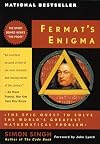
Cuando estaba en la secundaria cometí la avivada de escribir en el pizarrón "Maths are useless" en el recreo que venía justo antes de la clase de matemática. Cuando la profesora entró, se calvó frente al pizarrón, lo miró, y procedió a explicar para qué servían. Habló de ordenar la lógica, pero sobre todo de la exploración por la exploración misma. Del desafío que hay en la búsqueda de entender, incluso estrucutras que no sabemos cuánto nos inventamos. En definitiva, me show more cerró el orto y evitó que en adelante hiciera esos chistes del tipo "otro año yendo a la carnicería sin usar el trinomio cuadrado perfecto".
Este libro es una novela matemática. La crónica de un descubrimiento que desarrolla sus muchísimos personajes. Una historia que se arrastra desde la antigua grecia hasta el final del siglo XX con desafíos humanos, políticos y, sobre todo, del razonamiento. Hace que reflotes lo que aprendiste en la escuela para seguir una línea de acontecimientos que jamás hubieras pensado que podrían ser así de fascinantes.
Mi profesora de no me acuerdo qué año dio la clase con el cartelito en el pizarrón, y se fue del aula sin borrarlo, como dejando en el responsable la tarea de decidir si por fin estaba lo suficientemente convencido como para acercarse con el borrador a enmendar el exabrupto. Este libro está repleto de episodios así, y te deja con la misma sensación. show less
Este libro es una novela matemática. La crónica de un descubrimiento que desarrolla sus muchísimos personajes. Una historia que se arrastra desde la antigua grecia hasta el final del siglo XX con desafíos humanos, políticos y, sobre todo, del razonamiento. Hace que reflotes lo que aprendiste en la escuela para seguir una línea de acontecimientos que jamás hubieras pensado que podrían ser así de fascinantes.
Mi profesora de no me acuerdo qué año dio la clase con el cartelito en el pizarrón, y se fue del aula sin borrarlo, como dejando en el responsable la tarea de decidir si por fin estaba lo suficientemente convencido como para acercarse con el borrador a enmendar el exabrupto. Este libro está repleto de episodios así, y te deja con la misma sensación. show less
Как препарат, в котором уже нет действующего вещества, выделенного из сердца и печени одной-единственной уточки, может приносить $20 млн прибыли? Задумайтесь об этом, когда в следующий раз будете покупать «Оциллококцинум» от простуды. Популяризатор науки Саймон Сингх и show more его соавтор, первый в мире профессор комплементарной медицины, 15 лет разбирались, какие альтернативные методы действительно работают, а какие нет, и для гомеопатических средств лестных слов они нашли мало. Под пристальным вниманием также акупунктура, хиропрактика и траволечение, а бонусом идет научная оценка многих других методов. Что помогает, а что нет? Как отличить тайну от лжи? Что заслуживает доверия, а где на вас цинично зарабатывают? Ответы находятся на пятистах страницах самого «честного и тщательного исследования нетрадиционной медицины», результатов которого мы, признаться, заждались. show less
Anyone with their wit still about them would, of course, be sceptical when it comes to 'alternative' medicine. What does 'alternative' means indeed in the face of science that is, an objective reality, substantiated by facts and predictable? In matter of health, then, either a treatment is 'medical', or it's not. Wiggling around through semantic manipulation and linguistic tricks (as in 'alternative history', 'alternative reality'...) is just trying to evade the obvious: there's nothing show more scientific about such treatments (read: they aren't reliable), and, if there aren't scientific, then what's their point in the first place?
Nobody could be better placed to tackle such 'alternative' ways to deal with medical issues than the two authors here. One is a scientific journalist, the other a medical professional who integrated (and, even, taught) some of such 'alternative' treatments. So, what about them?
In our post-truth era plagued as much by anti-intellectualism as by rampant conspiracy theories of all sort (isn't 'Big Pharma' conspiring to hurt you?), and when celebrities' gung-ho gets as much echo as that of various healing lobbyists, 'alternative medicine' has established itself as a powerful industry indeed, and very profitable at that. The overall ignorance (among our policy makers as much as among our mass medias, let alone the general public at large) of what the scientific method truly entails hasn't help, as these are now taught in some university curriculum, financed by the taxpayers, sold over the counter, and offered by the NHS (personal opinion: if this doesn't reflect the overall collapse of our educational and health systems, then what does?). Ha! But why should I (or anyone sharing my opinion) be so derogatory and contemptuous?
Anyone with their wit still about them could, here of course, reply that such 'alternative' understanding has gained such credibility precisely because it, in fact, works; and that people like me are just arrogant jerks, close-minded, and whose staunch scientism gets in the way of curing the many ailments and diseases afflicting us all. The point is: here would be a battle of opinions, and science is not about opinion, but about methodology. And, when it comes to methodology, as the authors insist time and again, such treatments 1/ do not work, 2/ are no better than a placebo when they do, 3/ work only on ailment which are minor and could be cured otherwise anyway, 4/ are therefore unethical, yet draining public resources that could be better spent on otherwise real medical treatment and research. As such, this book is highly relevant and recommended to anyone having even the slightest interest in health matters, or, no less concerning, what our taxes are being used for.
Theirs, though, is not only about outlining the research available when it comes to what they mainly focus upon here -acupuncture, homeopathy, chiropractic therapy/ reflexology, herbal medicine. Most readers may see such 'treatments' being debunked mercilessly, yet the authors are in fact tackling them very fairly e.g. they acknowledge the benefits of chiropractic treatment for some back issues; they don't reject outright herbal remedies, but are concerned about how they can (dangerously) interfere with other medicines... Theirs is, also, a reminder of what medical science is all about in the first place; from how clinical trials came to prominence to the importance of blinding and control groups, and from the benefits brought about by medicine and scientific medical discoveries versus that of our past reliance on traditional methods of healing, which were everything but 'healing' (it's a strange paradox indeed that, the partisans of many such forms of 'alternative' treatments defend them for being 'natural', when 'natural' has in fact mostly been harmful to us...).
In the end, this book is a must-read for anyone concerned about pseudo-science, the giving up of rational/ scientific thinking in the face of superstitions of all sorts, and the impact it all has upon society at large. Most importantly, this is not an 'opinion'; but an impartial, scientifically grounded outlook, a approach which has become obsolete perhaps, but which is desperately needed. show less
Nobody could be better placed to tackle such 'alternative' ways to deal with medical issues than the two authors here. One is a scientific journalist, the other a medical professional who integrated (and, even, taught) some of such 'alternative' treatments. So, what about them?
In our post-truth era plagued as much by anti-intellectualism as by rampant conspiracy theories of all sort (isn't 'Big Pharma' conspiring to hurt you?), and when celebrities' gung-ho gets as much echo as that of various healing lobbyists, 'alternative medicine' has established itself as a powerful industry indeed, and very profitable at that. The overall ignorance (among our policy makers as much as among our mass medias, let alone the general public at large) of what the scientific method truly entails hasn't help, as these are now taught in some university curriculum, financed by the taxpayers, sold over the counter, and offered by the NHS (personal opinion: if this doesn't reflect the overall collapse of our educational and health systems, then what does?). Ha! But why should I (or anyone sharing my opinion) be so derogatory and contemptuous?
Anyone with their wit still about them could, here of course, reply that such 'alternative' understanding has gained such credibility precisely because it, in fact, works; and that people like me are just arrogant jerks, close-minded, and whose staunch scientism gets in the way of curing the many ailments and diseases afflicting us all. The point is: here would be a battle of opinions, and science is not about opinion, but about methodology. And, when it comes to methodology, as the authors insist time and again, such treatments 1/ do not work, 2/ are no better than a placebo when they do, 3/ work only on ailment which are minor and could be cured otherwise anyway, 4/ are therefore unethical, yet draining public resources that could be better spent on otherwise real medical treatment and research. As such, this book is highly relevant and recommended to anyone having even the slightest interest in health matters, or, no less concerning, what our taxes are being used for.
Theirs, though, is not only about outlining the research available when it comes to what they mainly focus upon here -acupuncture, homeopathy, chiropractic therapy/ reflexology, herbal medicine. Most readers may see such 'treatments' being debunked mercilessly, yet the authors are in fact tackling them very fairly e.g. they acknowledge the benefits of chiropractic treatment for some back issues; they don't reject outright herbal remedies, but are concerned about how they can (dangerously) interfere with other medicines... Theirs is, also, a reminder of what medical science is all about in the first place; from how clinical trials came to prominence to the importance of blinding and control groups, and from the benefits brought about by medicine and scientific medical discoveries versus that of our past reliance on traditional methods of healing, which were everything but 'healing' (it's a strange paradox indeed that, the partisans of many such forms of 'alternative' treatments defend them for being 'natural', when 'natural' has in fact mostly been harmful to us...).
In the end, this book is a must-read for anyone concerned about pseudo-science, the giving up of rational/ scientific thinking in the face of superstitions of all sorts, and the impact it all has upon society at large. Most importantly, this is not an 'opinion'; but an impartial, scientifically grounded outlook, a approach which has become obsolete perhaps, but which is desperately needed. show less
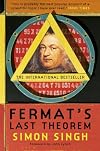
The fascinating story of one of the biggest riddles of mathematics that had confounded the community for three and a half centuries and eventually solved by Sir Andrew Wiles after an almost eight year long struggle. Ever since his childhood, Sir Wiles had dreamed of proving Fermat's Last Theorem and it was by no means an easy dream to accomplish. The final proof was a culmination of all the milestone events in the history of mathematics right from Pythagoras to the recent Taniyama-Shimura show more Conjecture which had to be proven true to establish the proof of Fermat's Last Theorem.
Simon Singh does a great job of uncovering all these events to give us the bigger picture from a mathematical perspective. I was aware of the profoundly simple statement of the titular theorem but being a math student, I was a little bit more than aware having studied abstract algebra and number theory. I was starting to feel my love for math disappearing but reading this book reminded me of the profound beauty of math. To the non-mathematical mind this may have been a meaningless pursuit, but the proof of the theorem and the other doors it opened is promising for the future of math in respect to the grand unification theory which as the name suggests would unify various branches of mathematics. show less
Simon Singh does a great job of uncovering all these events to give us the bigger picture from a mathematical perspective. I was aware of the profoundly simple statement of the titular theorem but being a math student, I was a little bit more than aware having studied abstract algebra and number theory. I was starting to feel my love for math disappearing but reading this book reminded me of the profound beauty of math. To the non-mathematical mind this may have been a meaningless pursuit, but the proof of the theorem and the other doors it opened is promising for the future of math in respect to the grand unification theory which as the name suggests would unify various branches of mathematics. show less
Lists
Awards


You May Also Like


Associated Authors
Statistics
- Works
- 18
- Also by
- 1
- Members
- 15,464
- Popularity
- #1,466
- Rating
- 4.1
- Reviews
- 219
- ISBNs
- 242
- Languages
- 24
- Favorited
- 38
