
Fernand Pouillon (1912–1986)
Author of The Stones of the Abbey
About the Author
Works by Fernand Pouillon
Singende Steine - Die Aufzeichnungen des Wilhelm Balz, Baumeister des ZisterzienserklostersLe Thoronet (1999) 2 copies
Aix en Provence. Inventaire et Monographie suivis des releves de bastides de residences provencales 1 copy
Associated Works
Tagged
Common Knowledge
- Birthdate
- 1912-05-14
- Date of death
- 1986-07-24
- Gender
- male
- Nationality
- France
Members
Reviews
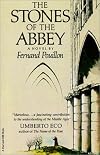
Les Pierres Sauvages (The Stones of the Abbey) is by French architect Fernand Pouillon. He wrote the novel while in jail, in 1964, making it a modern specimen of the ancient genre of prison literature popularized by Boethius pondering lady fortune. Pouillon was known for constructing large cheap housing complexes, and was jailed on charges related to his work as a building contractor. He also restored some castles, and while in prison it was an inward imaginative turn to the Medieval that show more led to this curious novel about the construction of a 12th century Abbey in Provence (based on a real Abbey and people). Somewhat reminiscent of The Name of the Rose, Umberto Eco is blurbed on the front cover, it's more contemplative and realistic.
While not a page turner, there is no mystery driving it forward, there are settings and descriptions that offer insight into the period, and the process of building a large stone Abbey. The bottleneck to building a stone structure is the laborious nature of cutting and transporting the stone itself, each block being a major piece of work whose production is limited by the number of workers, mules to carry it and distance from quarry. The novel is told in diary format by the master builder (the contractor) who has to deal with management issues - getting supplies, motivating monks to work, resolving disputes, health and food. The nature of the writing and vocabulary demands slow reading, monkish even, one has the impression of stepping back into another era. The book has a classic feel and will be just as interesting in 100 years time, though its audience will likely remain limited to those with an academic interest in the Middle Ages. show less
While not a page turner, there is no mystery driving it forward, there are settings and descriptions that offer insight into the period, and the process of building a large stone Abbey. The bottleneck to building a stone structure is the laborious nature of cutting and transporting the stone itself, each block being a major piece of work whose production is limited by the number of workers, mules to carry it and distance from quarry. The novel is told in diary format by the master builder (the contractor) who has to deal with management issues - getting supplies, motivating monks to work, resolving disputes, health and food. The nature of the writing and vocabulary demands slow reading, monkish even, one has the impression of stepping back into another era. The book has a classic feel and will be just as interesting in 100 years time, though its audience will likely remain limited to those with an academic interest in the Middle Ages. show less
Au cours d'entretiens réunis pour la première fois ici, Fernand Pouillon aborde les thèmes qui lui sont chers : l'architecture, la ville, l'histoire, l'Islam, la maîtrise de l'ouvrage, avec toujours son franc-parler et jamais trace de rancoeur.
Est-ce la singularité de sa démarche, totalement à l'écart du courant moderne et du courant traditionnel ? La force de caratère nécessaire pour maintenir un cap aussi personnel ? Ou tout simplement la pertinenced de son jugement ? Toujours show more est-il que ses réflexions, ses appréciations, ses critiques sont d'une pertinence qui les rend toujours actuelles.
Recueil d'extraits choisis par Bernard Marrey d'entretiens, interviews et conférences de Fernand Pouillon" [Publication reprise par les éditions Picard] show less
Est-ce la singularité de sa démarche, totalement à l'écart du courant moderne et du courant traditionnel ? La force de caratère nécessaire pour maintenir un cap aussi personnel ? Ou tout simplement la pertinenced de son jugement ? Toujours show more est-il que ses réflexions, ses appréciations, ses critiques sont d'une pertinence qui les rend toujours actuelles.
Recueil d'extraits choisis par Bernard Marrey d'entretiens, interviews et conférences de Fernand Pouillon" [Publication reprise par les éditions Picard] show less
Recreates the building of the twelfth-century abbey of Le Thoronet from the viewpoint of the master builder, describing how he overcomes political troubles, spiritual self-doubt, injury, and disease to raise his monument to God, his Order, and himself.
Good, but for some reason I lost momentum. One to return to...
Awards

You May Also Like
Associated Authors
Statistics
- Works
- 9
- Also by
- 1
- Members
- 144
- Popularity
- #143,280
- Rating
- 3.6
- Reviews
- 5
- ISBNs
- 16
- Languages
- 4