
Agnes Ravatn
Author of The Bird Tribunal
About the Author
Image credit: Agnes Ravatn
Photo: Birksrp
Photo: Birksrp
Works by Agnes Ravatn
Tagged
Common Knowledge
- Birthdate
- 1983-02-08
- Gender
- female
- Awards and honors
- Arne Hestenes’ journalistpris (2013)
Språkprisen (2011)
Sokneprest Alfred Andersson-Ryssts fond (2008)
Rogaland Fylkeskommunes litteraturstipend (2008) - Nationality
- Norway
- Birthplace
- Ølen, Rogaland, Norway
- Associated Place (for map)
- Rogaland, Norway
Members
Reviews
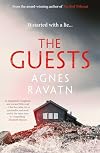
This psychological drama reminds us ““Oh, what a tangled web we weave, when first we practice to deceive.”
Quite by chance, Karin encounters Iris Vilden, her childhood nemesis, to whom she hasn’t spoken in 25 years. That meeting later leads to an offer for Karin and her husband Kai to spend a week in Iris’ luxurious holiday home in the Norwegian fjords. While there, Karin meets a neighbour, Per Sinding, and, believing she has been treated disparagingly, she implies that the holiday show more home belongs to her and Kai. Then Kai joins in the charade and the lies are compounded thereby creating further problems and a domino structure of complications.
In many ways, this book is a character study of a person who is resentful and envious. I was reminded of the words in “Desiderata” which warn “If you compare yourself with others, you may become vain or bitter, for always there will be greater and lesser persons than yourself.” Karin is very bitter. She admits that “The dissatisfaction that comes from comparing myself with others was more my cup of tea.” Always she feels inadequate and worthless. Meeting Iris who is a well-known actress just increases Karin’s insecurity. She has much for which to be grateful: a loving and supportive husband, two children who are doing well, a house in a nice neighbourhood, and a stable job as a legal consultant for the municipal government. But this is not enough.
Kai is Karin’s foil. She acknowledges, “He wasn’t prone to envy, unlike me; he didn’t instinctively compare himself with others” and “I was insecure and neurotic, Kai was calm and confident” and he “compensated for all my weaknesses. Offset my inferiority complex with his poised sense of calm. It’s not that Kai lacked introspection, but it never sent him into a negative spiral.” At the holiday home, he’s happy to embrace and enjoy the opportunity, whereas Karin can’t relax because her surroundings remind her of what she doesn’t and won’t ever have.
Karin is aware of some of her flaws, but she just doesn’t seem to be able to do anything about them. She knows she needs to “pull myself out of this spiral, to rise above it.” She admits to being “prone to destructive patterns of thinking at the earliest opportunity, my negative assumptions ran away with me.” She thinks of herself as damaged, superficial, and trivial. She even worries about negatively influencing her children, that she’d “turn them into victims of never-ending self-scrutiny, I’d infect them with my solipsism.”
Though she sometimes seems self-aware, there are times when it’s obvious that she’s not totally honest with herself. Since Karin is the sole narrator, we are given only her perspective and I certainly had doubts about her reliability. For instance, she describes what happened when she and Iris were in school together. Though Iris behaved appallingly if Karin’s version is accurate, it is Karin’s reaction that seems extreme and irrational. Later, when she learned Iris lived two blocks away, Karin moved! And she blames Iris for her own underachievement: “I could have been someone else, I thought to myself, if it hadn’t been for Iris holding me back, or worse: causing me to hold myself back.” She has such an obsessive hatred for someone she hasn’t seen in 25 years? As I read, I kept wishing Karin had taken to heart the words of the Greek philosopher Epictetus who said, “It’s not what happens to you, but how you react to it that matters.”
Karin is also implacably judgmental of anyone who seems to have a better life than she does. Of course she questions Iris’ motives in giving them a week’s retreat: is she just showing off or trying to humiliate Karin or “To make sure my holiday is spent in the maximum amount of misery”? She assumes there is an ulterior motive. A statement by Per has Karin jumping to the conclusion that she has been “well and truly dismissed” instead of thinking that maybe what he says is “a straightforward statement, not an attempt to strip me of my humanity.” She asks Hilma Ekhult, Kai's wife, "purposely puerile questions," but then judges her for her "condescending and terse responses"? Eventually Karin even starts to question Kai’s motives. Ironically, she sees others as judgmental when she herself is. Isn’t this called projection?
Though this is not a conventional suspense novel, there is a lot of tension. The book is an uncomfortable read; I kept silently screaming at her to just tell the truth. The false reality that she and Kai create is not sustainable so tension ramps up. It’s only a matter of time before the dominoes will come crashing down.
Besides being angry and frustrated with her, I also felt so sad for Karin. She is a lawyer, apparently good at her job, and Kai is a master carpenter. Because of their knowledge and skills, both are able to help Kai and Hilma. Karin has so much, but she doesn’t appreciate her blessings and so can’t be happy. Because of her deceptions, Karin deprives herself of an honest conversation with Hilma, her favourite author. She and Hilma even have similar opinions about the property search engine developed by Iris’ husband, so the two could well have become friends.
This book is brief, really more a novella, but it is dense and powerful. I could go on and on because there is so much to analyze and admire. The author has an insightful understanding of human psychology. I was left in awe, and I think others will be too.
I’ve read Ravatn’s previous novels, The Bird Tribunal (https://schatjesshelves.blogspot.com/2018/02/review-of-bird-tribunal-by-agnes-ravatn.html) and The Seven Doors (https://schatjesshelves.blogspot.com/2021/07/review-of-seven-doors-by-agnes-ravatn.html), and I highly recommend these as well.
Note: Please check out my reader's blog (https://schatjesshelves.blogspot.com/) and follow me on Twitter (https://twitter.com/DCYakabuski). show less
Quite by chance, Karin encounters Iris Vilden, her childhood nemesis, to whom she hasn’t spoken in 25 years. That meeting later leads to an offer for Karin and her husband Kai to spend a week in Iris’ luxurious holiday home in the Norwegian fjords. While there, Karin meets a neighbour, Per Sinding, and, believing she has been treated disparagingly, she implies that the holiday show more home belongs to her and Kai. Then Kai joins in the charade and the lies are compounded thereby creating further problems and a domino structure of complications.
In many ways, this book is a character study of a person who is resentful and envious. I was reminded of the words in “Desiderata” which warn “If you compare yourself with others, you may become vain or bitter, for always there will be greater and lesser persons than yourself.” Karin is very bitter. She admits that “The dissatisfaction that comes from comparing myself with others was more my cup of tea.” Always she feels inadequate and worthless. Meeting Iris who is a well-known actress just increases Karin’s insecurity. She has much for which to be grateful: a loving and supportive husband, two children who are doing well, a house in a nice neighbourhood, and a stable job as a legal consultant for the municipal government. But this is not enough.
Kai is Karin’s foil. She acknowledges, “He wasn’t prone to envy, unlike me; he didn’t instinctively compare himself with others” and “I was insecure and neurotic, Kai was calm and confident” and he “compensated for all my weaknesses. Offset my inferiority complex with his poised sense of calm. It’s not that Kai lacked introspection, but it never sent him into a negative spiral.” At the holiday home, he’s happy to embrace and enjoy the opportunity, whereas Karin can’t relax because her surroundings remind her of what she doesn’t and won’t ever have.
Karin is aware of some of her flaws, but she just doesn’t seem to be able to do anything about them. She knows she needs to “pull myself out of this spiral, to rise above it.” She admits to being “prone to destructive patterns of thinking at the earliest opportunity, my negative assumptions ran away with me.” She thinks of herself as damaged, superficial, and trivial. She even worries about negatively influencing her children, that she’d “turn them into victims of never-ending self-scrutiny, I’d infect them with my solipsism.”
Though she sometimes seems self-aware, there are times when it’s obvious that she’s not totally honest with herself. Since Karin is the sole narrator, we are given only her perspective and I certainly had doubts about her reliability. For instance, she describes what happened when she and Iris were in school together. Though Iris behaved appallingly if Karin’s version is accurate, it is Karin’s reaction that seems extreme and irrational. Later, when she learned Iris lived two blocks away, Karin moved! And she blames Iris for her own underachievement: “I could have been someone else, I thought to myself, if it hadn’t been for Iris holding me back, or worse: causing me to hold myself back.” She has such an obsessive hatred for someone she hasn’t seen in 25 years? As I read, I kept wishing Karin had taken to heart the words of the Greek philosopher Epictetus who said, “It’s not what happens to you, but how you react to it that matters.”
Karin is also implacably judgmental of anyone who seems to have a better life than she does. Of course she questions Iris’ motives in giving them a week’s retreat: is she just showing off or trying to humiliate Karin or “To make sure my holiday is spent in the maximum amount of misery”? She assumes there is an ulterior motive. A statement by Per has Karin jumping to the conclusion that she has been “well and truly dismissed” instead of thinking that maybe what he says is “a straightforward statement, not an attempt to strip me of my humanity.” She asks Hilma Ekhult, Kai's wife, "purposely puerile questions," but then judges her for her "condescending and terse responses"? Eventually Karin even starts to question Kai’s motives. Ironically, she sees others as judgmental when she herself is. Isn’t this called projection?
Though this is not a conventional suspense novel, there is a lot of tension. The book is an uncomfortable read; I kept silently screaming at her to just tell the truth. The false reality that she and Kai create is not sustainable so tension ramps up. It’s only a matter of time before the dominoes will come crashing down.
Besides being angry and frustrated with her, I also felt so sad for Karin. She is a lawyer, apparently good at her job, and Kai is a master carpenter. Because of their knowledge and skills, both are able to help Kai and Hilma. Karin has so much, but she doesn’t appreciate her blessings and so can’t be happy. Because of her deceptions, Karin deprives herself of an honest conversation with Hilma, her favourite author. She and Hilma even have similar opinions about the property search engine developed by Iris’ husband, so the two could well have become friends.
This book is brief, really more a novella, but it is dense and powerful. I could go on and on because there is so much to analyze and admire. The author has an insightful understanding of human psychology. I was left in awe, and I think others will be too.
I’ve read Ravatn’s previous novels, The Bird Tribunal (https://schatjesshelves.blogspot.com/2018/02/review-of-bird-tribunal-by-agnes-ravatn.html) and The Seven Doors (https://schatjesshelves.blogspot.com/2021/07/review-of-seven-doors-by-agnes-ravatn.html), and I highly recommend these as well.
Note: Please check out my reader's blog (https://schatjesshelves.blogspot.com/) and follow me on Twitter (https://twitter.com/DCYakabuski). show less

Three years ago I was very impressed by Agnes Ravatn’s debut novel The Bird Tribunal (https://schatjesshelves.blogspot.com/2018/02/review-of-bird-tribunal-by-agnes-ravatn.html), so I was excited to discover that she’d written a second book. The Seven Doors is as immersive and compelling as her first novel.
Nina Wisløff is a classic literature professor nearing retirement and facing the loss of her childhood home because it is going to be expropriated for an infrastructure project. At the show more same time, her daughter Ingeborg is looking for a larger house. Nina’s husband Mads inherited a house which he has rented to a tenant, but Ingeborg thinks it might be perfect for her family so she and Nina visit the current tenant, a single mother named Mari Nilsen. Ingeborg bluntly tells Mari that she and her son will have to move out. A few days later, Nina learns that Mari has gone missing after leaving her son with his grandparents. Feeling guilty that Ingeborg’s abrasiveness may have played a role in Mari’s disappearance, Nina starts to investigate what might have happened to her.
Characterization is excellent. Nina is at a crossroads; she is dissatisfied at work and the loss of her home is emotionally devastating. Feeling restless, she focuses on trying to discover what happened to Mari. Once she begins, she refuses to give up, even when she is proven incorrect more than once. There is much to admire about her; for example, she is caring and compassionate. What appeals is that she is very relatable in her flaws. Her relationship with her granddaughter will certainly make readers smile.
Ingeborg is another interesting character. She is like a human bulldozer who will manipulate anyone to get what she wants. She is impatient, persistent, and aggressive. Nina finds her daughter’s behaviour cringeworthy, but she knows what to expect from Ingeborg, and the reader does too. Even Mari is well developed, though she is physically present only in one scene. Indirect characterization, especially the comments of others, leaves the reader with a complex portrayal of Mari.
Dialogue is not punctuated so the reader must concentrate. That need for focus is a good thing because the writing is so precise that nothing is superfluous. Near the beginning Nina gives a lecture on Greek tragedy. Her students are largely inattentive, but a reader who skims will miss so much that is relevant. In fact, the main points of her lecture serve as a blueprint for reading the novel.
Not just Oedipus Rex but Aesop’s fables and the “Bluebeard” folktale offer foreshadowing, symbolism, and thematic depth. I guessed the truth long before the ending, but I think that Ravatn wants the reader to know, as evidenced by the numerous examples of dramatic irony. The focus is not what happened to Mari so much as Nina’s investigation and her refusal to give up. Even suspecting the truth, the reader will undoubtedly feel the powerful impact of the last page.
This book is a domestic thriller with psychological overtones. It begins slowly but suspense builds, and the Norwegian winter adds atmosphere. But the novel is also literary fiction at its best because it enriches as it entertains. I strongly recommend it to anyone looking for a unique read; actually, I think I’m going to re-read it, knowing I will find even more to admire in the elegant layering of the narrative.
Note: Please check out my reader's blog (https://schatjesshelves.blogspot.com/) and follow me on Twitter (@DCYakabuski). show less
Nina Wisløff is a classic literature professor nearing retirement and facing the loss of her childhood home because it is going to be expropriated for an infrastructure project. At the show more same time, her daughter Ingeborg is looking for a larger house. Nina’s husband Mads inherited a house which he has rented to a tenant, but Ingeborg thinks it might be perfect for her family so she and Nina visit the current tenant, a single mother named Mari Nilsen. Ingeborg bluntly tells Mari that she and her son will have to move out. A few days later, Nina learns that Mari has gone missing after leaving her son with his grandparents. Feeling guilty that Ingeborg’s abrasiveness may have played a role in Mari’s disappearance, Nina starts to investigate what might have happened to her.
Characterization is excellent. Nina is at a crossroads; she is dissatisfied at work and the loss of her home is emotionally devastating. Feeling restless, she focuses on trying to discover what happened to Mari. Once she begins, she refuses to give up, even when she is proven incorrect more than once. There is much to admire about her; for example, she is caring and compassionate. What appeals is that she is very relatable in her flaws. Her relationship with her granddaughter will certainly make readers smile.
Ingeborg is another interesting character. She is like a human bulldozer who will manipulate anyone to get what she wants. She is impatient, persistent, and aggressive. Nina finds her daughter’s behaviour cringeworthy, but she knows what to expect from Ingeborg, and the reader does too. Even Mari is well developed, though she is physically present only in one scene. Indirect characterization, especially the comments of others, leaves the reader with a complex portrayal of Mari.
Dialogue is not punctuated so the reader must concentrate. That need for focus is a good thing because the writing is so precise that nothing is superfluous. Near the beginning Nina gives a lecture on Greek tragedy. Her students are largely inattentive, but a reader who skims will miss so much that is relevant. In fact, the main points of her lecture serve as a blueprint for reading the novel.
Not just Oedipus Rex but Aesop’s fables and the “Bluebeard” folktale offer foreshadowing, symbolism, and thematic depth. I guessed the truth long before the ending, but I think that Ravatn wants the reader to know, as evidenced by the numerous examples of dramatic irony. The focus is not what happened to Mari so much as Nina’s investigation and her refusal to give up. Even suspecting the truth, the reader will undoubtedly feel the powerful impact of the last page.
This book is a domestic thriller with psychological overtones. It begins slowly but suspense builds, and the Norwegian winter adds atmosphere. But the novel is also literary fiction at its best because it enriches as it entertains. I strongly recommend it to anyone looking for a unique read; actually, I think I’m going to re-read it, knowing I will find even more to admire in the elegant layering of the narrative.
Note: Please check out my reader's blog (https://schatjesshelves.blogspot.com/) and follow me on Twitter (@DCYakabuski). show less
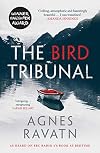
I kept coming across rave reviews for this book after it was translated from Norwegian so I decided to check it out. I am not sorry to have read it.
Allis Hagtorn takes a job as a live-in cook and gardener for Sigurd Bagge. Wanting to escape her life which involved some type of public scandal, she is happy to retreat to an isolated house (“liberated from the watchful gaze of others, free from their idle chit-chat”) where she has virtually no interaction with anyone other than her show more employer. And initially, there is even very little communication with him; he is a taciturn man who barely acknowledges her existence. Slowly, however, an awkward relationship develops between them, but though they make revelations, both keep secrets. The mysteries surrounding her boss fascinate Allis but they also leave her discomfited.
There is a mounting, pervasive sense of dread throughout. Allis is largely cut off from the world; other than Sigurd, she speaks only to a surly shopkeeper who makes cryptic and sneering comments that unsettle Allis. Sigurd’s wife is away but no explanation is given for her extended absence. There’s a locked room. And there’s the brooding, mercurial Sigurd whose abrupt mood swings create a sense of danger. Even nature (a silent forest, dead grass and shrubbery, malevolent gulls, invading mice, a sky the colour of blood) seems menacing.
The two characters are complex. Sigurd is obviously enigmatic and volatile, but he also seems manipulative. He pulls Allis closer by engaging her in conversation but then pushes her away, as if trying to keep her confused and unsettled: “His expression . . . always scrutinizing, as if to demonstrate that I was his, that he could decide where I could and couldn’t go.” And some of his behaviour and statements can easily be interpreted as threatening: “There’s no guarantee of anything” and “She won’t be troubling you anymore.” Why does he say that there were “quite a few” responses to his job posting and later suggest Allis was the only applicant? Though Allis becomes obsessed with him, there is little that makes Sigurd an attractive person.
Allis, however, is also not an admirable person. She describes herself as some who “always started with the same unbridled enthusiasm before swiftly giving up. I possessed no sense of perseverance, no will to accomplish anything in full.” She believes she has something within her “that prevented me from being faithful.” She mentions, “my irrational pride prevented me from ever taking the initiative when it came to reconciliation, ever.” When she learns that a man is a manual labourer, his lower status matters to her; she even admits her shallowness: “Did he realize just how superficial I was?” She acknowledges that she was “willing to reduce to rubble” the life of someone “who had never been anything but good to me.” Like Sigurd, she also seems manipulative. She is desperate for male attention and does what she can to entice Sigurd. Furthermore, she sees the job as a chance at a new life; she wants to transform herself: “There was salvation to be found, I could create a sense of self, mould a congruous identity in which none of the old parts of me could be found.” She is not beyond using the situation for her own ulterior motives.
Allis is the narrator but she is hardly reliable. She claims that Sigurd doesn’t make eye contact: “He didn’t look me in the eye but instead stared past me” and “He didn’t seem particularly bothered about making eye contact with me as he spoke.” Later, however, she says to her, “You’ve never looked me in the eye. . . . You don’t look me in the eye, you just gaze straight past me.” So who doesn’t make eye contact? Is Sigurd strange or is she? At one point, Sigurd says, “If I were as strange as you are . . . You’re not normal.” Then there’s the discussion about swimming. Early on, Allis insists, “I can swim” but on two other occasions, she repeats, “I don’t swim.”
Then there are some thoughts that she mentions that are downright strange: “I could play any role, it was my greatest talent” and “Did [Sigurd’s wife] have to come back? She did, of course. But no, she couldn’t” and “As long as I thought of her as no more than a shopkeeper – not as an individual, but as part of some vague, hostile force – then it would be easier to kill her, I thought” and “[mundane tasks] anchor the stream of thoughts that otherwise drifted so easily to darker places.”
I enjoyed the references to Norse mythology which unify the novel and clarify the ending. When Allis first meets Sigurd, she is reminded of Balder, but it seems she sees herself as this Norse god who “brings about the destruction of the world, but that allows for a newer, better world to emerge.” She seems to see Sigurd as Loki “who has no one” and she says, like Loki’s wife, she would help Sigurd atone if he were somehow being punished. In a third discussion of the legend, she mentions that “Old guilt is destroyed by fire and swallowed by the sea. . . . Perhaps . . . guilt requires atonement, perhaps it needs to be wiped out if a new world is to emerge.” It is not coincidental that the phrase “corpses nestled among its feathers” is repeated at the end with its implication that “Maybe . . . even in the new world there is potential for evil.” (And surely it is not by chance that a dress of “shimmering, blue-green material almost the colour of a mallard’s head” fits Allis perfectly and reminds the reader of Sigurd’s dream of a tribunal which featured a woman with a mallard’s head of “astonishingly beautiful shimmering green”?)
This is not your average run-of-the-mill psychological thriller. Its layers actually invite a second reading.
Note: Please check out my reader's blog (https://schatjesshelves.blogspot.ca/) and follow me on Twitter (@DCYakabuski). show less
Allis Hagtorn takes a job as a live-in cook and gardener for Sigurd Bagge. Wanting to escape her life which involved some type of public scandal, she is happy to retreat to an isolated house (“liberated from the watchful gaze of others, free from their idle chit-chat”) where she has virtually no interaction with anyone other than her show more employer. And initially, there is even very little communication with him; he is a taciturn man who barely acknowledges her existence. Slowly, however, an awkward relationship develops between them, but though they make revelations, both keep secrets. The mysteries surrounding her boss fascinate Allis but they also leave her discomfited.
There is a mounting, pervasive sense of dread throughout. Allis is largely cut off from the world; other than Sigurd, she speaks only to a surly shopkeeper who makes cryptic and sneering comments that unsettle Allis. Sigurd’s wife is away but no explanation is given for her extended absence. There’s a locked room. And there’s the brooding, mercurial Sigurd whose abrupt mood swings create a sense of danger. Even nature (a silent forest, dead grass and shrubbery, malevolent gulls, invading mice, a sky the colour of blood) seems menacing.
The two characters are complex. Sigurd is obviously enigmatic and volatile, but he also seems manipulative. He pulls Allis closer by engaging her in conversation but then pushes her away, as if trying to keep her confused and unsettled: “His expression . . . always scrutinizing, as if to demonstrate that I was his, that he could decide where I could and couldn’t go.” And some of his behaviour and statements can easily be interpreted as threatening: “There’s no guarantee of anything” and “She won’t be troubling you anymore.” Why does he say that there were “quite a few” responses to his job posting and later suggest Allis was the only applicant? Though Allis becomes obsessed with him, there is little that makes Sigurd an attractive person.
Allis, however, is also not an admirable person. She describes herself as some who “always started with the same unbridled enthusiasm before swiftly giving up. I possessed no sense of perseverance, no will to accomplish anything in full.” She believes she has something within her “that prevented me from being faithful.” She mentions, “my irrational pride prevented me from ever taking the initiative when it came to reconciliation, ever.” When she learns that a man is a manual labourer, his lower status matters to her; she even admits her shallowness: “Did he realize just how superficial I was?” She acknowledges that she was “willing to reduce to rubble” the life of someone “who had never been anything but good to me.” Like Sigurd, she also seems manipulative. She is desperate for male attention and does what she can to entice Sigurd. Furthermore, she sees the job as a chance at a new life; she wants to transform herself: “There was salvation to be found, I could create a sense of self, mould a congruous identity in which none of the old parts of me could be found.” She is not beyond using the situation for her own ulterior motives.
Allis is the narrator but she is hardly reliable. She claims that Sigurd doesn’t make eye contact: “He didn’t look me in the eye but instead stared past me” and “He didn’t seem particularly bothered about making eye contact with me as he spoke.” Later, however, she says to her, “You’ve never looked me in the eye. . . . You don’t look me in the eye, you just gaze straight past me.” So who doesn’t make eye contact? Is Sigurd strange or is she? At one point, Sigurd says, “If I were as strange as you are . . . You’re not normal.” Then there’s the discussion about swimming. Early on, Allis insists, “I can swim” but on two other occasions, she repeats, “I don’t swim.”
Then there are some thoughts that she mentions that are downright strange: “I could play any role, it was my greatest talent” and “Did [Sigurd’s wife] have to come back? She did, of course. But no, she couldn’t” and “As long as I thought of her as no more than a shopkeeper – not as an individual, but as part of some vague, hostile force – then it would be easier to kill her, I thought” and “[mundane tasks] anchor the stream of thoughts that otherwise drifted so easily to darker places.”
I enjoyed the references to Norse mythology which unify the novel and clarify the ending. When Allis first meets Sigurd, she is reminded of Balder, but it seems she sees herself as this Norse god who “brings about the destruction of the world, but that allows for a newer, better world to emerge.” She seems to see Sigurd as Loki “who has no one” and she says, like Loki’s wife, she would help Sigurd atone if he were somehow being punished. In a third discussion of the legend, she mentions that “Old guilt is destroyed by fire and swallowed by the sea. . . . Perhaps . . . guilt requires atonement, perhaps it needs to be wiped out if a new world is to emerge.” It is not coincidental that the phrase “corpses nestled among its feathers” is repeated at the end with its implication that “Maybe . . . even in the new world there is potential for evil.” (And surely it is not by chance that a dress of “shimmering, blue-green material almost the colour of a mallard’s head” fits Allis perfectly and reminds the reader of Sigurd’s dream of a tribunal which featured a woman with a mallard’s head of “astonishingly beautiful shimmering green”?)
This is not your average run-of-the-mill psychological thriller. Its layers actually invite a second reading.
Note: Please check out my reader's blog (https://schatjesshelves.blogspot.ca/) and follow me on Twitter (@DCYakabuski). show less
The Bird Tribunal – A haunting tale
The Bird Tribunal from Norwegian writer Agnes Ravatn is a stunning introduction to the writer who has delivered a breath-taking book. This may be a short story and a winner of the English Pen award, but it delivers massive punches throughout the book for the reader and with a structured build up completely gets under your skin.
TV presenter Allis Hagtorn leaves her partner and career, she is running away from things, and decides to go in to voluntary exile show more as a housekeeper in a remote house on an isolated fjord. Her job does not just include being the housekeeper and gardener, but she is also taking care of Sigurd Bagge. He is not an old person as she was expecting but a man if 44 years old, who is married, who rarely talks to Allis.
All Allis knows that Sigurd’s wife is away touring and that he is awaiting her return, and then what happens to her she has no idea. But there is something strange and unsettling about Sigurd, she can tell he his keeping a secret but no idea as to what it is. Allis comes across, at first, as very self-centred especially as she is acting as the story narrator.
As Allis gets to grips with her new life looking after Sigurd, strange things to do happen but nothing that will cause concern. At times Allis comes across as maddening as she is not conventional and not easily likable and it is as if Sigurd is the male version of her.
Both know they are keeping secrets from each other, especially as Sigurd has a habit of disappearing, sometimes for hours other times for days. Allis has been told she is not welcome to enter Sigurd bedroom or workroom, and the curiosity drives her crazy. As the story progresses we see a formation of a relationship develop, but there are some serious questions raised as the reader is being psychologically teased throughout.
This is a deeply compelling, and at the same time quite unusual story that will keep you gripped throughout. The reader is not sure what will happen but you are drawn in and Allis is a compelling character and Sigurd comes across as eccentric at best, weird at worst. The story and ending is intriguing as you really do not know how this will end, this is truly Norwegian Noir at its eerie best. It can be unsettling, and the translation bring out the best of the haunting prose. This really is a masterclass of suspense and psychological thriller at its best, that will send chills down your spine. show less
The Bird Tribunal from Norwegian writer Agnes Ravatn is a stunning introduction to the writer who has delivered a breath-taking book. This may be a short story and a winner of the English Pen award, but it delivers massive punches throughout the book for the reader and with a structured build up completely gets under your skin.
TV presenter Allis Hagtorn leaves her partner and career, she is running away from things, and decides to go in to voluntary exile show more as a housekeeper in a remote house on an isolated fjord. Her job does not just include being the housekeeper and gardener, but she is also taking care of Sigurd Bagge. He is not an old person as she was expecting but a man if 44 years old, who is married, who rarely talks to Allis.
All Allis knows that Sigurd’s wife is away touring and that he is awaiting her return, and then what happens to her she has no idea. But there is something strange and unsettling about Sigurd, she can tell he his keeping a secret but no idea as to what it is. Allis comes across, at first, as very self-centred especially as she is acting as the story narrator.
As Allis gets to grips with her new life looking after Sigurd, strange things to do happen but nothing that will cause concern. At times Allis comes across as maddening as she is not conventional and not easily likable and it is as if Sigurd is the male version of her.
Both know they are keeping secrets from each other, especially as Sigurd has a habit of disappearing, sometimes for hours other times for days. Allis has been told she is not welcome to enter Sigurd bedroom or workroom, and the curiosity drives her crazy. As the story progresses we see a formation of a relationship develop, but there are some serious questions raised as the reader is being psychologically teased throughout.
This is a deeply compelling, and at the same time quite unusual story that will keep you gripped throughout. The reader is not sure what will happen but you are drawn in and Allis is a compelling character and Sigurd comes across as eccentric at best, weird at worst. The story and ending is intriguing as you really do not know how this will end, this is truly Norwegian Noir at its eerie best. It can be unsettling, and the translation bring out the best of the haunting prose. This really is a masterclass of suspense and psychological thriller at its best, that will send chills down your spine. show less
Lists
Awards


You May Also Like


Associated Authors
Statistics
- Works
- 13
- Members
- 400
- Popularity
- #60,684
- Rating
- 3.7
- Reviews
- 21
- ISBNs
- 59
- Languages
- 10
- Favorited
- 1