The 2021 Nonfiction Challenge Part II: Minority Live Matter
Talk 75 Books Challenge for 2021
Join LibraryThing to post.
1Chatterbox
It's Black History Month here in the USA, and the whole world grapples with how to address questions of equity, whether dealing with Black, indigenous/aboriginal peoples, immigrants, Hispanic communities or any group that is deemed to be the "other" because of some visible characteristic.
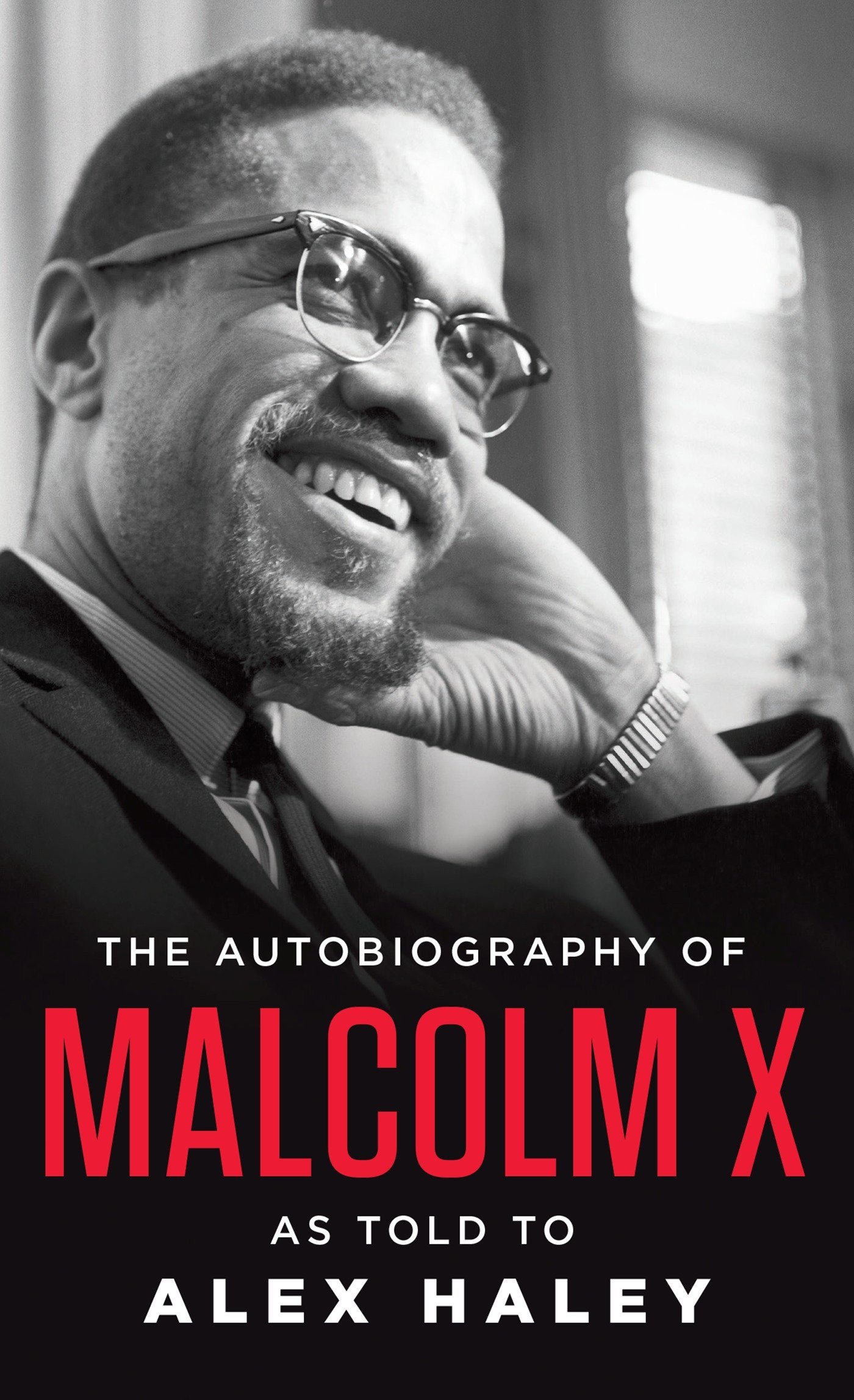
Here's a month to spend reading about these people and the issues they confront or have confronted over time. Read Malcolm X's autobiography, or a book about what it's like be Arab/Muslim in the banlieues of Paris. Read about policy affecting these lives, about land rights battles involving indigenous peoples. Read about the question of "power", and who wields it over whom.
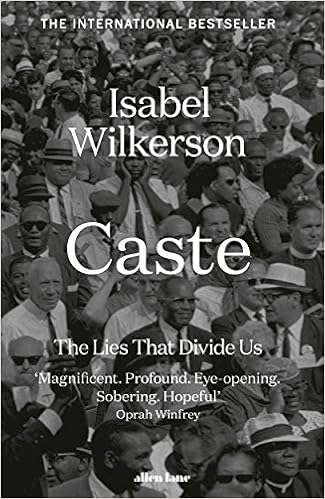
I look forward to seeing what you'll read! I'm going to keep on with Caste by Isabel Wilkerson, which captures this in terms of its theme and examples.
Here's a month to spend reading about these people and the issues they confront or have confronted over time. Read Malcolm X's autobiography, or a book about what it's like be Arab/Muslim in the banlieues of Paris. Read about policy affecting these lives, about land rights battles involving indigenous peoples. Read about the question of "power", and who wields it over whom.
I look forward to seeing what you'll read! I'm going to keep on with Caste by Isabel Wilkerson, which captures this in terms of its theme and examples.
2Chatterbox
What we're reading:








3Chatterbox
On the horizon: planning the rest of your reading year for this challenge!
MARCH: COMFORT READING
Kinda self-explanatory. We all need a place of refuge, especially these days. Dial down the intensity. Read a book about walking, about philosophy, about cooking, about gardening. Whatever helps you cope with the stress.
APRIL: THE ANCIENT WORLD
A new category. Read a book about any ancient civilization. Now, ancient will come up for debate. In Western Europe, I'll set this as the year of Rome's sacking by the Ostrogoths in 546 A.D. In the Americas, any pre-Colombian civilization, from the Incas to the Iroquois (in the historical context, not looking at their lives today...) In China -- well, I'm open for ideas? Before 1000 CE? You can read biographies, history, sweeping looks at civilizations and so on.
MAY: ANIMAL, VEGETABLE, MINERAL
A repeat category. Your choice of reading material has to fall into one of these categories. You can read a book by Gerald Durrell about his animal collecting adventures (animal) or a book about the energy industry (mineral). You can read that book about the history of the tomato (vegetable).
JUNE: DISCOVERIES
New for 2021. People make all kinds of discoveries all the time. Some are scientific. Some are philosophical. Others (the most contested kind, historically speaking) are geographic. Did Europeans "discover" the Americas? The continent was new to them but obviously not to its prior inhabitants. You can read a book about what geographic discoveries shouldn't carry that label, or about Captain Cook's voyages of exploration. Because discoveries can be personal journeys, as well.
JULY: CITIES
Another new category. Read a book about any specific city, large or small (eg Maximum City, about Mumbai) by Suketu Mehta, or read a book about a group of cities or about city life in general, in history or in the present. There's a new book by James and Deborah Fallows called Our Towns, for instance.
AUGUST: TRANSPORTATION
Yet another new entrant! As suggested by Benita. Planes, trains, automobiles, boats, on foot. How do we get from point A to point B and why? You can read a book by someone walking the length of Scotland and England, or a book about flying planes (like Beryl Markham's tome) or something about how self-driving cars will change the world. Or about shipping routes and trade.
SEPTEMBER: CREATIVITY
Coming back in 2021... Focus on anything that involves creativity or creators. Read about Shakespeare's plays and how they have been performed worldwide. Read about how novelists get their ideas or musicians are inspired.
OCTOBER: HEROES & VILLAINS
Another comeback category, and it's really a closeted biography category. Instead of just reading any bio, though, read a bio or memoir about someone who inspires you (RBG?) or someone you loathe (Hitler? Stalin?) Or someone you think you know about but want to be sure they qualify for your pantheon of heroes or your list of villains.
NOVEMBER: BUSINESS, THE ECONOMY AND BIG POLICY QUESTIONS
Kind of a catch-all category. By this point in 2021, we should have some idea of what the post-pandemic economy will look like. So, read any book about economic or business issues, and the policy questions that they create for politicians and citizens. From data security to minimum living wages, to the stock market.
DECEMBER: GO ANYWHERE!
A perennial. And a great place for that quirky, one-of-a-kind nonfiction book that simply doesn't fit anywhere else.
MARCH: COMFORT READING
Kinda self-explanatory. We all need a place of refuge, especially these days. Dial down the intensity. Read a book about walking, about philosophy, about cooking, about gardening. Whatever helps you cope with the stress.
APRIL: THE ANCIENT WORLD
A new category. Read a book about any ancient civilization. Now, ancient will come up for debate. In Western Europe, I'll set this as the year of Rome's sacking by the Ostrogoths in 546 A.D. In the Americas, any pre-Colombian civilization, from the Incas to the Iroquois (in the historical context, not looking at their lives today...) In China -- well, I'm open for ideas? Before 1000 CE? You can read biographies, history, sweeping looks at civilizations and so on.
MAY: ANIMAL, VEGETABLE, MINERAL
A repeat category. Your choice of reading material has to fall into one of these categories. You can read a book by Gerald Durrell about his animal collecting adventures (animal) or a book about the energy industry (mineral). You can read that book about the history of the tomato (vegetable).
JUNE: DISCOVERIES
New for 2021. People make all kinds of discoveries all the time. Some are scientific. Some are philosophical. Others (the most contested kind, historically speaking) are geographic. Did Europeans "discover" the Americas? The continent was new to them but obviously not to its prior inhabitants. You can read a book about what geographic discoveries shouldn't carry that label, or about Captain Cook's voyages of exploration. Because discoveries can be personal journeys, as well.
JULY: CITIES
Another new category. Read a book about any specific city, large or small (eg Maximum City, about Mumbai) by Suketu Mehta, or read a book about a group of cities or about city life in general, in history or in the present. There's a new book by James and Deborah Fallows called Our Towns, for instance.
AUGUST: TRANSPORTATION
Yet another new entrant! As suggested by Benita. Planes, trains, automobiles, boats, on foot. How do we get from point A to point B and why? You can read a book by someone walking the length of Scotland and England, or a book about flying planes (like Beryl Markham's tome) or something about how self-driving cars will change the world. Or about shipping routes and trade.
SEPTEMBER: CREATIVITY
Coming back in 2021... Focus on anything that involves creativity or creators. Read about Shakespeare's plays and how they have been performed worldwide. Read about how novelists get their ideas or musicians are inspired.
OCTOBER: HEROES & VILLAINS
Another comeback category, and it's really a closeted biography category. Instead of just reading any bio, though, read a bio or memoir about someone who inspires you (RBG?) or someone you loathe (Hitler? Stalin?) Or someone you think you know about but want to be sure they qualify for your pantheon of heroes or your list of villains.
NOVEMBER: BUSINESS, THE ECONOMY AND BIG POLICY QUESTIONS
Kind of a catch-all category. By this point in 2021, we should have some idea of what the post-pandemic economy will look like. So, read any book about economic or business issues, and the policy questions that they create for politicians and citizens. From data security to minimum living wages, to the stock market.
DECEMBER: GO ANYWHERE!
A perennial. And a great place for that quirky, one-of-a-kind nonfiction book that simply doesn't fit anywhere else.
4cbl_tn
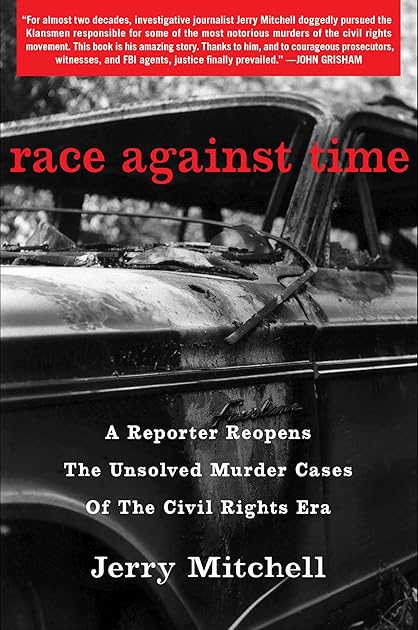
I had another book in mind for February, but I recently read a review of Race Against Time: A Reporter Reopens the Unsolved Murder Cases of the Civil Rights Era and immediately put a hold on it. I'm not sure if it's pushing the boundaries for this month's theme, but it's the book that I'm drawn to right now.
6benitastrnad
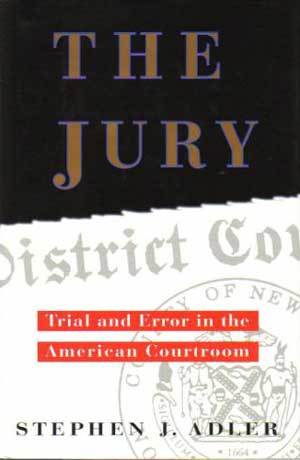
I am going to continue my study of law and how it affects all of us. I am going to finish reading Jury: Trial and Error in the American Courtroom by Stephen J. Adler. On the surface this book doesn't appear to be about minorities, but it is. This book was written back in 1994 and is about how the jury system functions in our courts. Since minorities are who fills out prison system how jury trials work or don't work is an important issue in equality before the law. The book discusses what is working with the jury system and what doesn't work, and how it should be reformed. This is a book that was listed in Bryan Stevenson's book Just Mercy and it is one that caught my eye. I have started it and already read the first section which discusses how juries work in deliberating death sentence trials. I can already see some of the issues that Stevenson raised in his book being delved into in the first section of this book.
7benitastrnad
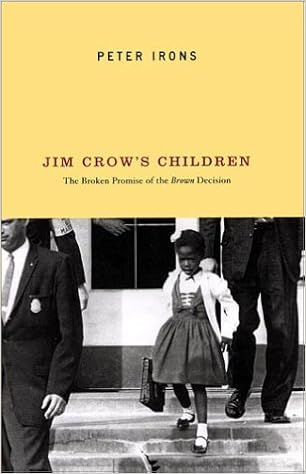
I haven't decided on what I will read for my second book this month. I have narrowed it down to two titles. Jim Crow's Children: The Broken Promise of the Brown Decision by Peter Irons or True American: Murder and Mercy in Texas by Anand Giridharadas. Both books have been on my reading list for a long time for different reasons.
Jim Crow's Children was written in 2002 and came to my attention because of the resegregation of the schools here in Tuscaloosa. True American is about an attempted murder in Texas of a muslim immigrant who was maimed and nearly died when he was shot by an avowed American Terrorists. Ten years later Giridharadas works to have his attacker spared from the death penalty. When I finish my first book I will decide which of these I will read next.
Jim Crow's Children was written in 2002 and came to my attention because of the resegregation of the schools here in Tuscaloosa. True American is about an attempted murder in Texas of a muslim immigrant who was maimed and nearly died when he was shot by an avowed American Terrorists. Ten years later Giridharadas works to have his attacker spared from the death penalty. When I finish my first book I will decide which of these I will read next.
8Chatterbox
Don't forget to star the new page so you can circle back to it more easily!!
>4 cbl_tn: No worries, that's right squarely on target.
>4 cbl_tn: No worries, that's right squarely on target.
9Familyhistorian
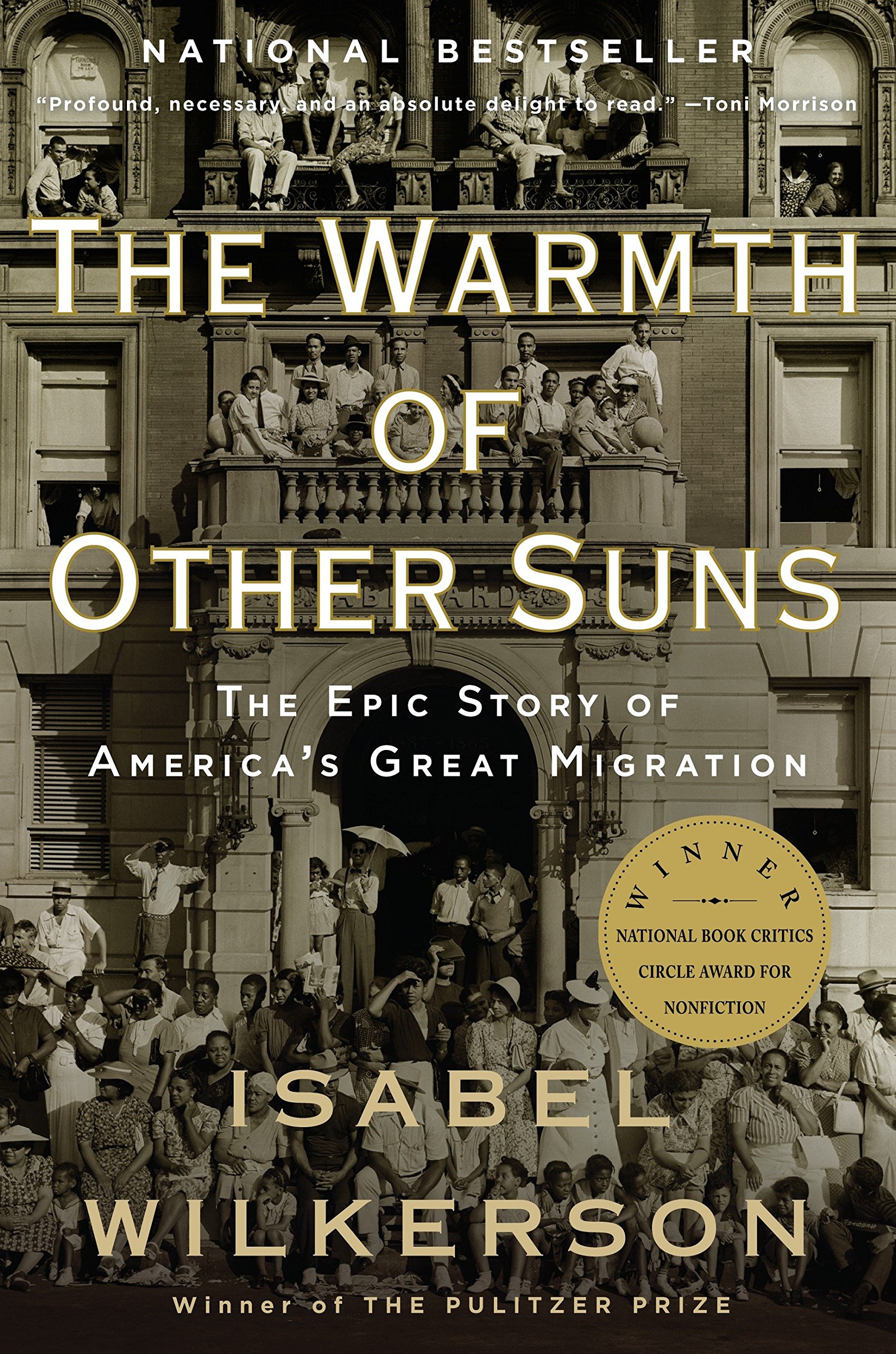
I have The Warmth of Other Suns on tap for February. I think that should fit the challenge.
10rosalita
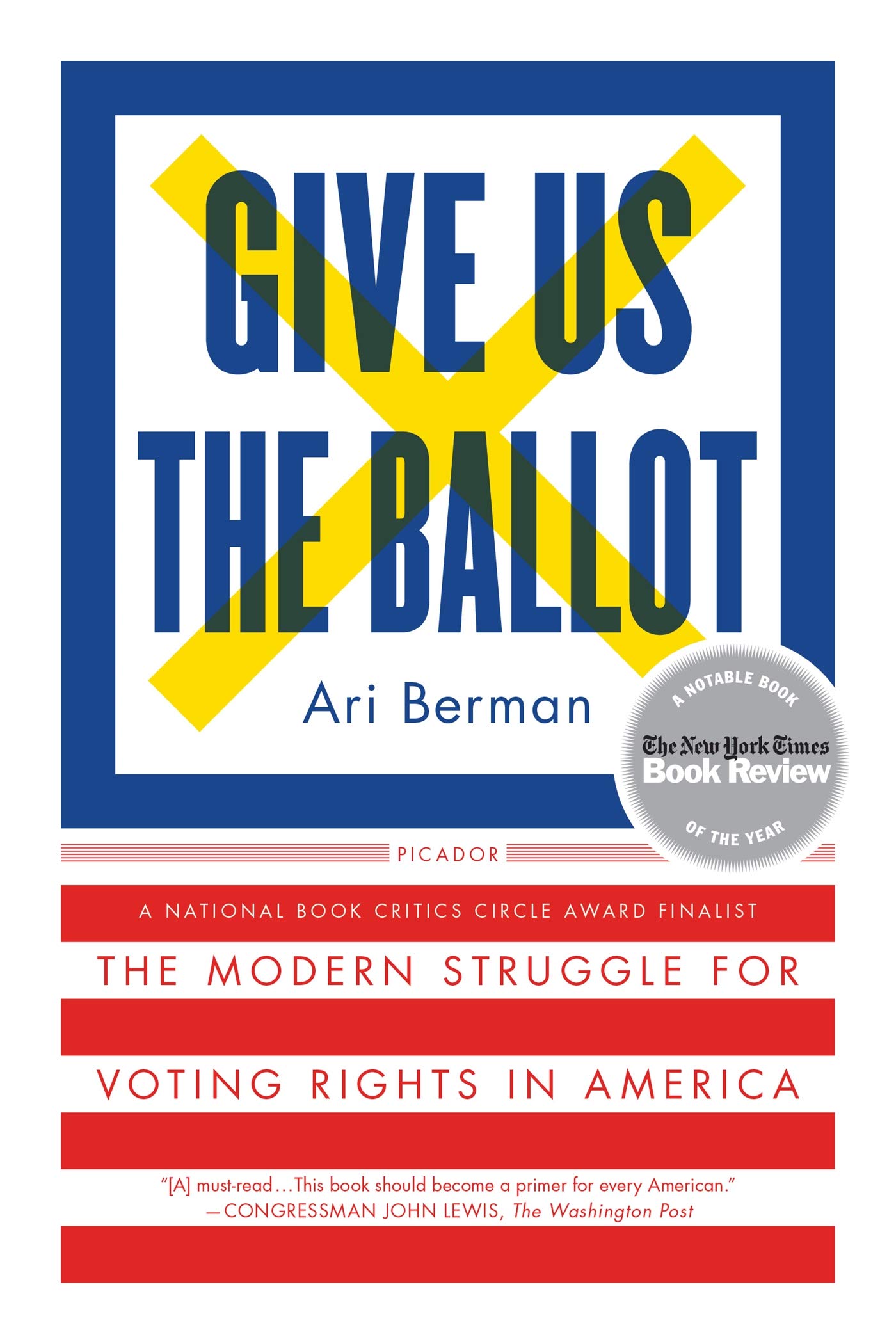
I'm planning to read Give Us the Ballot by Ari Berman, which details the long struggle to secure voting rights for everyone, but especially BIPOC. It's a book that is still all too relevant today, unfortunately.
11jessibud2
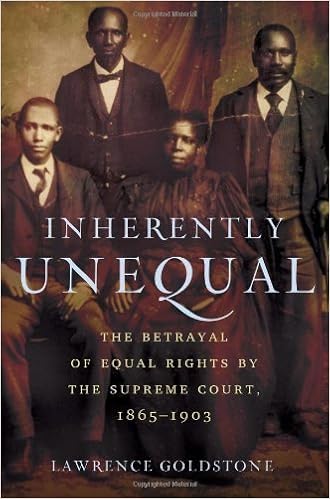
I have pulled a book off my shelf that has been there for awhile. It's called Inherently Unequal. I hope I will be able to get through it, as the print seems rather small to my aging eyes. That might speak to how long it has been on my shelf. I would never buy a book nowadays with such small print. But I will give it a try.
12cbl_tn
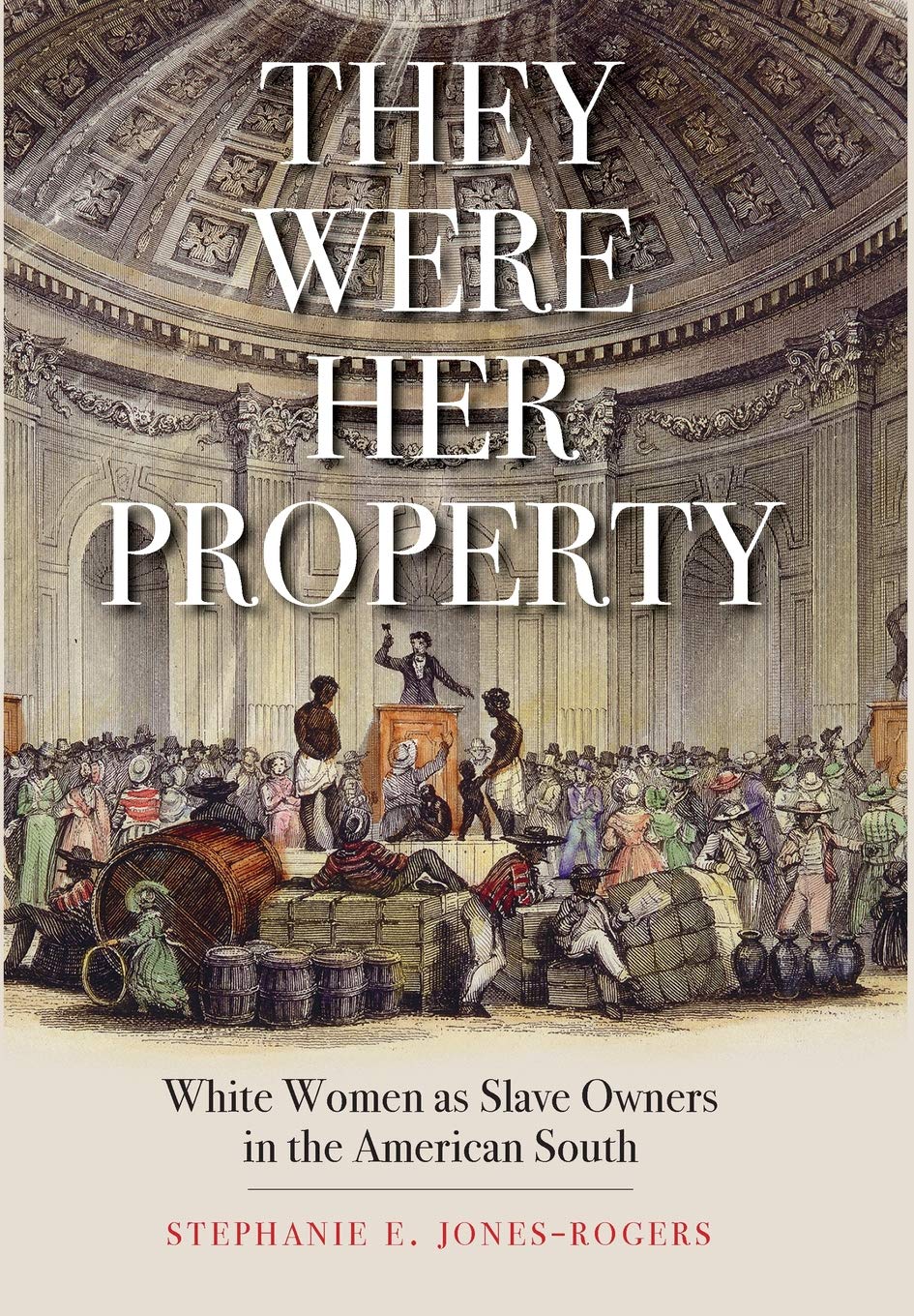
>8 Chatterbox: Wonderful! The book I started for January and haven't finished is a likely fit, too - They Were Her Property: White Women as Slave Owners in the American South. I have to finish it in the next 3 weeks for a book club discussion.
13AnneDC
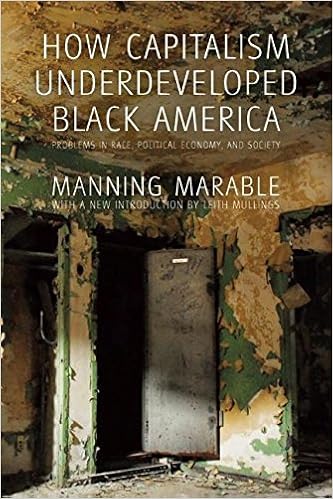
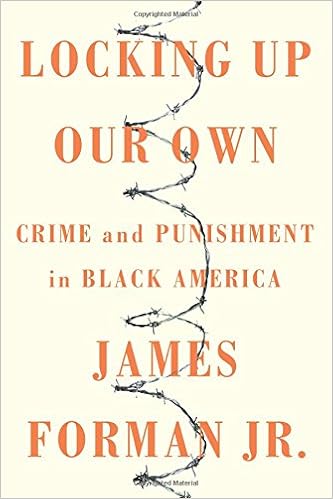
I'll be reading Locking Up Our Own: Crime and Punishment in Black America by James Forman, Jr. and One Person No Vote: How Voter Suppression is Destroying Our Democracy by Carol Anderson. I am also eyeing How Capitalism Underdeveloped Black America by Manning Marable. I'm hoping to clear some shelves as well as stick to a plan to read only Black authors in February. This month's challenge dovetails perfectly!
14kac522
I'm looking forward to Hidden in Plain View: A Secret Story of Quilts and the Underground Railroad by Jacqueline Tobin, which has been on the TBR for a few years.
15libraryperilous
>10 rosalita: He's such a fabulous voting rights reporter: careful, measured, and good at explaining how damaging voter suppression is.
16jessibud2
>14 kac522: - I read that one a few years ago, Kathy. I think I may have even read it for one of the NF challenge themes.
17rosalita
>15 libraryperilous: Agree about Berman, for sure. I've read him for years, first at The Nation and now at Mother Jones. And I've had the book for a while so I'm glad to have a good reason to finally read it.
18kac522
>16 jessibud2: I've had it for so long, Shelley, just want to get down to reading it. I'm not a quilter, but I love quilts.
19jessibud2
>18 kac522: - I'm not a quilter either but I am fascinated by them. I had heard that there was some controversy about this book and though it wasn't high literature, I still did find the story very interesting. I also have (or had; I may have unloaded it, can't remember) another book by this author, possibly a sequel. I did not read the second one, though, but I did some googling after reading this one to find out more.
I just had a peek and I did write a review on the book page from your link to it.
I just had a peek and I did write a review on the book page from your link to it.
20kac522
>19 jessibud2: Thanks, just read your review and some of the reviews that explore the controversy of the book. I think it will be an interesting project to read the book and read a little bit more about the controversy, to get a better sense of how valid it is. Will be a good lesson in critical thinking!
21Matke
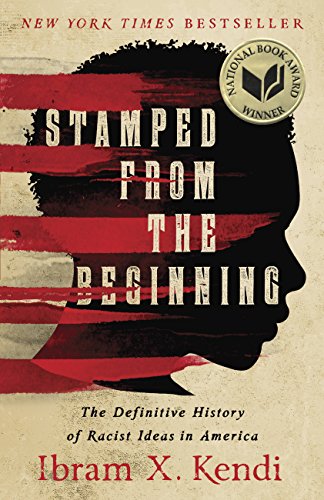
I’m taking Suzanne’s suggestion and reading The Autobiography of Malcolm X, and also Stamped from the Beginning.
I’m trying to read within my own library this year, but this topic is pressing enough for me to buy those two books.
I’m trying to read within my own library this year, but this topic is pressing enough for me to buy those two books.
22m.belljackson
I'm finishing up W.E.B. Du Bois'THE SOULS OF BLACK FOLK with its harrowing descriptions of Georgia
in vivid contrast with the changes now electrifying Georgia.
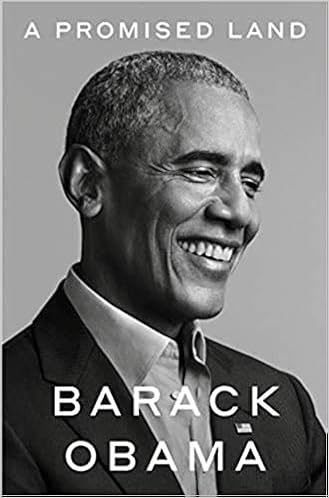
My daughter and I plan to read A PROMISED LAND this week.
in vivid contrast with the changes now electrifying Georgia.
My daughter and I plan to read A PROMISED LAND this week.
23SandDune
I’m going to read Natives: Race and Class in the Ruins of Empire by Akala.
24Crazymamie
I have The Autobiography of Malcolm X on audio, narrated by Laurence Fishburne, and also The Souls of Black Folk narrated by Mirron Willis in the stacks.
25Jackie_K
>23 SandDune: That's the book I'm planning on reading for this challenge too.
26LoisB
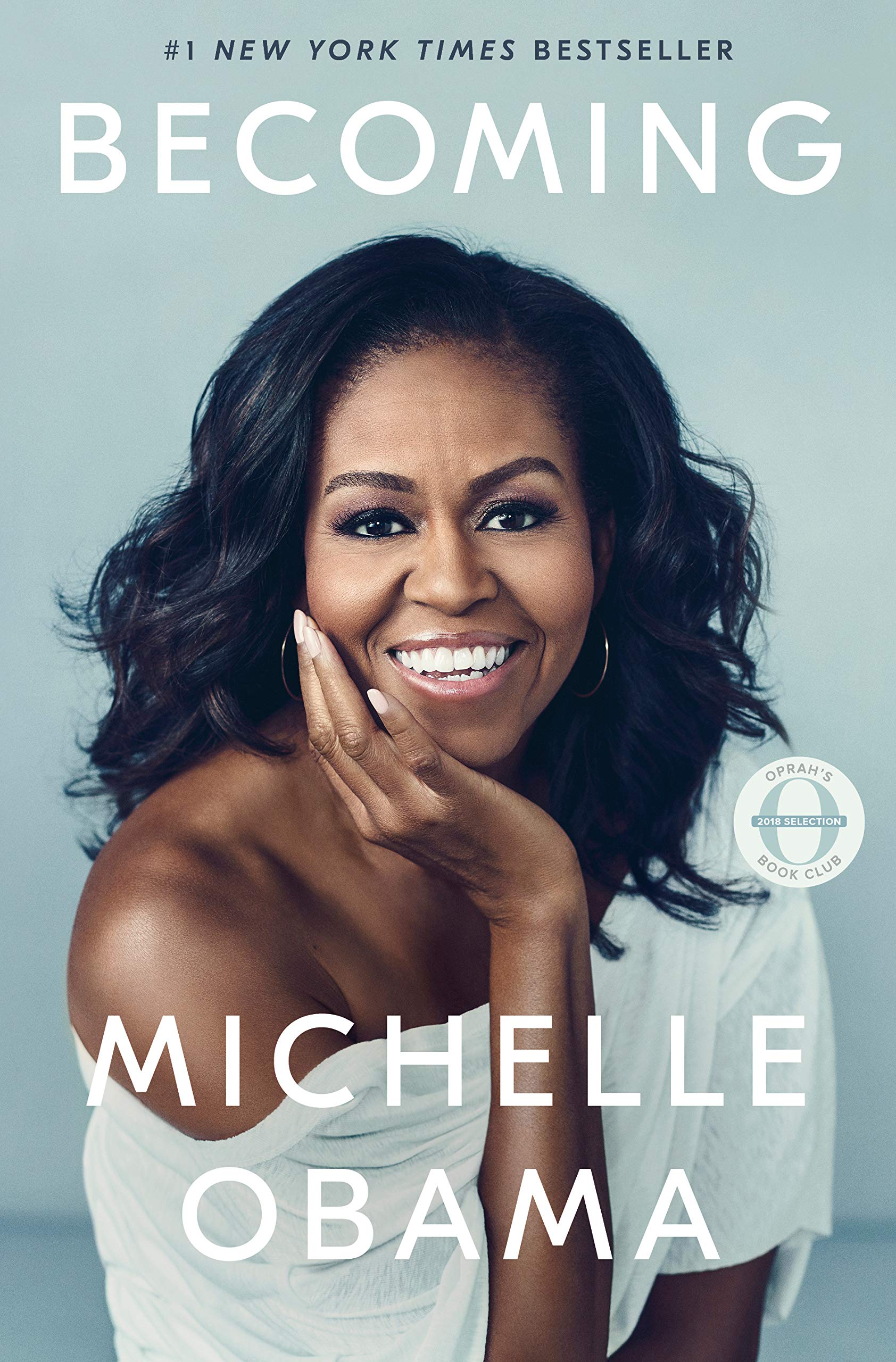
I am reading Becoming by Michelle Obama and will be reading Caste by Isabel Wilkerson as well.
27Chatterbox
Phew, third time lucky -- I finished posting the covers!
I've started off reading (well, listening to) The Kidnapping Club, about New York City in the decades leading up to the Civil War, when Wall Street funded the efforts to "catch" escaped slaves.
Thinking about wording/language (which is definitely one of the issues raised by reading for this challenge, I think), I am noticing both some oxymorons (the author refers repeatedly to the concepts of civil rights and human rights, not really part of the linguistic mix in early 19th century America) and some interesting turns of phrase. Rather than referring to those who fled slavery as escapees, Wells refers to them as having "self liberated". That's the upside of reading a book written from a POV that is outside what has until now been your "mainstream" -- you see and get to evaluate things from a different perspectives, from language to history itself.
I've started off reading (well, listening to) The Kidnapping Club, about New York City in the decades leading up to the Civil War, when Wall Street funded the efforts to "catch" escaped slaves.
Thinking about wording/language (which is definitely one of the issues raised by reading for this challenge, I think), I am noticing both some oxymorons (the author refers repeatedly to the concepts of civil rights and human rights, not really part of the linguistic mix in early 19th century America) and some interesting turns of phrase. Rather than referring to those who fled slavery as escapees, Wells refers to them as having "self liberated". That's the upside of reading a book written from a POV that is outside what has until now been your "mainstream" -- you see and get to evaluate things from a different perspectives, from language to history itself.
28katiekrug
I started reading When They Call You a Terrorist this morning.
29benitastrnad
I finished reading Jury: Trial and Error in the American Courtroom by Stephen J. Adler. This was written in 1994 in the aftermath of the Rodney King trial in Los Angeles where all the white officers that beat him were acquited. This happened even though there was video tape evidence that was very clear about what happened, leaving the public dumbfounded about the verdict. This verdict then became a touchpoint for some serious talk about the inadequacies of juries and how the jury system was producing inequities in the judicial system.
Trial by jury is one of the few rights that is specifically named in the American Constitution and it is in danger because judges and lawyers don't think it works very well. Often the American public doesn't think it works well either. The author analysis four different types of trials and walks the reader through them. Social science research is brought into the picture as well as post trial interviews with the jurors. The author lets the reader see what the jurors were thinking and why they voted the way they did. In the end, the conclusion is that the jurors did not fail the system. The judges and lawyers fail the jurors.
The last two chapters of the book are filled with potential solutions to the problem. I ended up marking entire pages with sticky notes. The author proposes that courts should be more jury friendly. Instructions given to the jury should be given at the beginning of the trial rather than the end - that way it would not be so easy for lawyers to confuse jurors and jurors would be able to sift out what is superfluous and concentrate on what is important. Jurors should be allowed to take notes. They should be able to ask Judges questions about points of law.
Perhaps the most important thing the author recommends is that jurors not be excused for mundane reasons. The idea of a jury is to have a cross section of people and that is not happening in the current legal setup. Juries are overwhelmingly made of people who have little education and the research shows that they are easily overwhelmed in a court room setting. Jury rooms should be made more comfortable. Instead of stuffing them into small over crowded anterooms, Juries should have rooms that are nicely appointed and are comfortable with adequate heating, cooling, and ventilation. (Most jury deliberation rooms don't have this.)
In many ways this was an amazing book and should be read by everyone who is a citizen of the U. S. If I ever serve on a jury I will know much more about what my rights as a juror are and will know to ask for the ability to take notes, ask for written transcripts of important testimony, and ask the judge questions about points of law.
I highly recommend this book. It isn't long and it is written in accessible language. The author takes the time to explain legal terms and procedures. Sometimes he even goes back deep into English history to explain judicial customs and law.
Trial by jury is one of the few rights that is specifically named in the American Constitution and it is in danger because judges and lawyers don't think it works very well. Often the American public doesn't think it works well either. The author analysis four different types of trials and walks the reader through them. Social science research is brought into the picture as well as post trial interviews with the jurors. The author lets the reader see what the jurors were thinking and why they voted the way they did. In the end, the conclusion is that the jurors did not fail the system. The judges and lawyers fail the jurors.
The last two chapters of the book are filled with potential solutions to the problem. I ended up marking entire pages with sticky notes. The author proposes that courts should be more jury friendly. Instructions given to the jury should be given at the beginning of the trial rather than the end - that way it would not be so easy for lawyers to confuse jurors and jurors would be able to sift out what is superfluous and concentrate on what is important. Jurors should be allowed to take notes. They should be able to ask Judges questions about points of law.
Perhaps the most important thing the author recommends is that jurors not be excused for mundane reasons. The idea of a jury is to have a cross section of people and that is not happening in the current legal setup. Juries are overwhelmingly made of people who have little education and the research shows that they are easily overwhelmed in a court room setting. Jury rooms should be made more comfortable. Instead of stuffing them into small over crowded anterooms, Juries should have rooms that are nicely appointed and are comfortable with adequate heating, cooling, and ventilation. (Most jury deliberation rooms don't have this.)
In many ways this was an amazing book and should be read by everyone who is a citizen of the U. S. If I ever serve on a jury I will know much more about what my rights as a juror are and will know to ask for the ability to take notes, ask for written transcripts of important testimony, and ask the judge questions about points of law.
I highly recommend this book. It isn't long and it is written in accessible language. The author takes the time to explain legal terms and procedures. Sometimes he even goes back deep into English history to explain judicial customs and law.
30benitastrnad
I am going to start Jim Crow's Children tomorrow. This is a lengthy book and I doubt I will finish it this month, but I can hang it over to next month if need be.
31cbl_tn
I finished They Were Her Property yesterday. It is an important book that should change the narrative about the active participation of white women in the slave system in the antebellum South. However, the dry academic writing may put off readers who don't have a scholarly interest in the subject. I stuck with it because it's a book club read.
32Chatterbox
>31 cbl_tn: It's interesting, because we have come to see many white women as also being "owned" by white men, having to look the other way in the face of the abuses of slavery -- so demonstrating that women weren't just tacit but active supporters of the institution of slavery is important. It's bad enough to be racist, but to be willing to go beyond that to buying and selling humans as property... I did run across a reference in the book I'm finishing, The Kidnapping Club, to a woman slaveowner/trader who came to New York to reclaim her "stolen property".
33cbl_tn
>32 Chatterbox: Yes, that's the narrative being challenged in the book! If I were an editor at the Atlantic or Smithsonian Magazine or the like, I'd be trying to contact the author to see if she would write a long piece for a more general audience. This material deserves a wider readership than I'm afraid it's going to get.
34LoisB
I'm slowly reading my way through Caste: The Origins of our Discontents by Isabel Wilkerson. I'm finding it a tough read - more like a college reading assignment than my normal fare. But, I am determined to finish it because it seems like a worthwhile read. I have set myself a goal of 50 pages per day with a minimum of 25 pages per day.
35Chatterbox
>34 LoisB: Yes, I stalled on it as well. I think perhaps it's a contrast with The Warmth of Other Suns, which was driven/propelled by compelling individual narratives, and this is (so far) more conceptual.
I've almost finished The Kidnapping Club, by Jonathan Daniel Wells. It's a fascinating story (about New York City in the decades leading up to the Civil War and the way the city's financial elite, police, etc. were very tied to the cotton interests in the South and thus were draconian in pursuing runaways, whether real or alleged.) But it's also frustrating: it desperately needs a good copy-edit (the author frequently uses the incorrect preposition) and sometimes the evils of slavery are drawn in purple prose. Also, there are too many sweeping statements (eg a politician is corrupt) without any evidence. It's not that I disbelieve those, it's just that I want to understand how/why the author reached those conclusions (eg, this politician was frequently accused of graft, or he accumulated a fortune of X on a salary of only Y). It's also repetitive in parts. Out of curiosity, I looked to see who the publisher was, and it's a joint venture with Hachette called Bold Type Books, "challenging power one book at a time." I embrace that as a mission -- but this is an important story that is too little known, and deserved a more thoughtful/rounded exploration. On the plus side? I've been doing much better with this since I switched from the audiobook (the narrator had a weird habit of pausing in between words so I would think the sentence had ended and was incomplete, and of emphasizing syllables that I'm not accustomed to hearing emphasized -- the latter may be a regional accent, but over time forced me to think more about the narration than the story.)
So, a mixed result.
I've almost finished The Kidnapping Club, by Jonathan Daniel Wells. It's a fascinating story (about New York City in the decades leading up to the Civil War and the way the city's financial elite, police, etc. were very tied to the cotton interests in the South and thus were draconian in pursuing runaways, whether real or alleged.) But it's also frustrating: it desperately needs a good copy-edit (the author frequently uses the incorrect preposition) and sometimes the evils of slavery are drawn in purple prose. Also, there are too many sweeping statements (eg a politician is corrupt) without any evidence. It's not that I disbelieve those, it's just that I want to understand how/why the author reached those conclusions (eg, this politician was frequently accused of graft, or he accumulated a fortune of X on a salary of only Y). It's also repetitive in parts. Out of curiosity, I looked to see who the publisher was, and it's a joint venture with Hachette called Bold Type Books, "challenging power one book at a time." I embrace that as a mission -- but this is an important story that is too little known, and deserved a more thoughtful/rounded exploration. On the plus side? I've been doing much better with this since I switched from the audiobook (the narrator had a weird habit of pausing in between words so I would think the sentence had ended and was incomplete, and of emphasizing syllables that I'm not accustomed to hearing emphasized -- the latter may be a regional accent, but over time forced me to think more about the narration than the story.)
So, a mixed result.
36katiekrug
I finished When They Call You a Terrorist yesterday.
An important and illuminating read.
My comments are on my thread: https://www.librarything.com/topic/329599#7417700
An important and illuminating read.
My comments are on my thread: https://www.librarything.com/topic/329599#7417700
37benitastrnad
>35 Chatterbox:
I would bet that the weridness in the narration that you describe is due to poor editing. Producing a good sound recording of a book is not something that every publisher can do. I tend to trust the publishers that have been doing it for a long time. Books on Tape is a good example of a sound recorded publisher that does a quality job almost every time. Of course, the BOT people have been around since the 1960's so they know how to edit narrations so that they are seamless and easy on the ears.
I would bet that the weridness in the narration that you describe is due to poor editing. Producing a good sound recording of a book is not something that every publisher can do. I tend to trust the publishers that have been doing it for a long time. Books on Tape is a good example of a sound recorded publisher that does a quality job almost every time. Of course, the BOT people have been around since the 1960's so they know how to edit narrations so that they are seamless and easy on the ears.
38benitastrnad
>35 Chatterbox:
You comments about The Kidnapping Club remind me of a little know part of Wall Street and Alabama history. Lehman Brothers - the great big huge investment bank, insurance company, and Wall Street Big Bank, was founded in 1847 in Montgomery, Alabama. It soon became one of the cotton brokers in the area, and then became a big player in the cotton industry all across the deep South. It did not leave the South until it was moved to New York City in 1870. Soon after that Lehman Brothers helped found the Cotton Exchange. By the 1920's it was one of the big players in banks on Wall Street, but its roots were in the South - in cotton. Given those roots and that history, it would follow that their contacts on Wall Street - even up to the 1860's would not want to disrupt the market and so would be sympathetic to the return of "property." The company was family owned until the 1980's when it was purchased by Shearson/American Express.
Back in the Big Meltdown of 2007-08 I was curious about this particular firm and so did a small amount of reading about it and was shocked to learn of its Alabama history. Someday I want to read a complete history of this enterprise because I bet it would be fascinating. Mostly, I would like to know why the moved out of Alabama in 1870? Did somebody have ambitions to broaden the base of the company and move out of the commodities markets? I know that they had offices in New York City prior to the Civil War, but didn't make it their home base until 1870.
Anyway, all of this history made me less sympathetic to Lehman Brothers when the bank went broke in 2008. It was that bankruptcy that lead to the Wall Street meltdown and the financial crisis of 2008. There are just too many ties to the Old South on Wall Street that remain covered up - or at least not talked about in an open transparent way.
You comments about The Kidnapping Club remind me of a little know part of Wall Street and Alabama history. Lehman Brothers - the great big huge investment bank, insurance company, and Wall Street Big Bank, was founded in 1847 in Montgomery, Alabama. It soon became one of the cotton brokers in the area, and then became a big player in the cotton industry all across the deep South. It did not leave the South until it was moved to New York City in 1870. Soon after that Lehman Brothers helped found the Cotton Exchange. By the 1920's it was one of the big players in banks on Wall Street, but its roots were in the South - in cotton. Given those roots and that history, it would follow that their contacts on Wall Street - even up to the 1860's would not want to disrupt the market and so would be sympathetic to the return of "property." The company was family owned until the 1980's when it was purchased by Shearson/American Express.
Back in the Big Meltdown of 2007-08 I was curious about this particular firm and so did a small amount of reading about it and was shocked to learn of its Alabama history. Someday I want to read a complete history of this enterprise because I bet it would be fascinating. Mostly, I would like to know why the moved out of Alabama in 1870? Did somebody have ambitions to broaden the base of the company and move out of the commodities markets? I know that they had offices in New York City prior to the Civil War, but didn't make it their home base until 1870.
Anyway, all of this history made me less sympathetic to Lehman Brothers when the bank went broke in 2008. It was that bankruptcy that lead to the Wall Street meltdown and the financial crisis of 2008. There are just too many ties to the Old South on Wall Street that remain covered up - or at least not talked about in an open transparent way.
39Chatterbox
>39 Chatterbox: Your comments are interesting because Lehman wasn't really involved in commodities at all by the 1990s, when I started writing about those markets. Goldman, yes; JP Morgan; Merrill Lynch (in some areas). Salomon Bros (as it was then) in energy markets. And some of the banks, which financed mining, energy, agriculture etc and used the markets to hedge the risks associated with that financing. I remember that they moved north when the financing markets became more centralized (although there was a big cotton market in Memphis in the late 1990s), mebbe around the time of the Civil War or just after? The firm's real transformation came in the 20th century though when Lehman first got involved in IPOs; by 2007/8 it was one of the biggest players in government debt.
40benitastrnad
>39 Chatterbox:
Wikipedia says that Lehman Brothers was the 4th largest investment bank on Wall Street when it went broke. It also says that it did not make the switch from a commodities house to a house of issue until 1906. Anyway, the past history of many of the modern big companies is fascinating on many levels.
Wikipedia says that Lehman Brothers was the 4th largest investment bank on Wall Street when it went broke. It also says that it did not make the switch from a commodities house to a house of issue until 1906. Anyway, the past history of many of the modern big companies is fascinating on many levels.
41thornton37814
>31 cbl_tn: I fell a day behind yesterday because I just didn't have time to get to it. I should still finish this week, but it will be Saturday instead of Friday.
42benitastrnad
I started reading Jim Crow's Children last night. This is going to be a good follow-up to all the books about law and its consequences. This is a big hefty book and I probably won't finish it this month. But that's OK. I can hang it over to next month.
43annushka
I finished They Were Her Property today. The book was a bit more like a school book and I wished there were a bit more stories following people that were mentioned in the book. Overall, this was a good book because I learned a lot from it. My home state was mentioned and it prompted me to do some research to learn more.
44thornton37814
>43 annushka: I finished They Were Her Property last night. It was definitely a bit dense to read, but the author established some points which will likely be discussed for years to come.
45annushka
>44 thornton37814: I agree! The book made me re-evaluate what I previously read about the period.
46cbl_tn
Race Against Time was my first 5 star book of the year. The author was an investigative reporter for the Clarion-Ledger in Jackson, MS. His work contributed to long-delayed convictions in four high-profile Civil Rights cases: the murder of Medgar Evers; the murder of Vernon Dahmer, Jr. ;the 16th Street Church bombing that killed four young girls in Birmingham, AL; and the "Mississippi Burning" murders of three Civil Rights workers.
I had a hard time putting the book down once I started. At the same time, it was difficult to read because the people Mitchell was investigating were thoroughly evil. In addition to their racist views, they were criminals who stole, cheated, lied, assaulted, raped, and molested. On the other hand, the victims and their families are inspirational, and justice prevails in the end.
I had a hard time putting the book down once I started. At the same time, it was difficult to read because the people Mitchell was investigating were thoroughly evil. In addition to their racist views, they were criminals who stole, cheated, lied, assaulted, raped, and molested. On the other hand, the victims and their families are inspirational, and justice prevails in the end.
47AnneDC
I just started reading Locking Up Our Own: Crime and Punishment in Black America. The subject matter is a little different than what I had been expecting, which is all to the good. I have a slight professional connection to the author, James Forman, Jr., as he co-founded a DC charter school for youths who have been involved with the criminal justice system, and my work is with DC's charter schools--probably why I picked the book up in the first place.
I had assumed this would be another look at the problem of mass incarceration in the US, and it is, but it is much more narrowly focused on how this has played out in Washington, DC, where I live. That's immediately moving it from "interesting" to "fascinating" in my book.
And, the question he is specifically exploring is how did a majority black jurisdiction (with a black leadership) end up incarcerating so many of its residents?
In Chapter 1, he looks at a failed city effort to decriminalize marijuana in 1975. Here's what I learned: We associate the beginning of the war on drugs with Nixon, but Nixon-era policies were more concerned with hard drugs and paralleled a national movement to decriminalize marijuana. Decriminalization then enjoyed broad support and was supported by individuals from President Jimmy Carter to William F. Buckley, Jr. A decriminalization effort in DC seemed to have momentum but was thwarted by black activists, clergy, and city councilmembers, who, concerned about the devastating impact of heroin on black communities, extended their prohibitionist approach to marijuana as well. (Some opposed both methadone maintenance clinics and decriminalization of marijuana, partly suspecting a white conspiracy to keep black people addicted and passive. They were not interested in, and were suspicious of, what we would now call a harm reduction approach.) Additionally, opponents of decriminalization downplayed the harms of continued criminalization, since at the time, although police relentlessly enforced marijuana laws, especially against black residents, most did not end up with convictions and few went to prison. No one in 1975 could foresee how this would change.
The writing is clear and the explanations logical and easy to follow--I am so looking forward to reading the rest!
I had assumed this would be another look at the problem of mass incarceration in the US, and it is, but it is much more narrowly focused on how this has played out in Washington, DC, where I live. That's immediately moving it from "interesting" to "fascinating" in my book.
And, the question he is specifically exploring is how did a majority black jurisdiction (with a black leadership) end up incarcerating so many of its residents?
In Chapter 1, he looks at a failed city effort to decriminalize marijuana in 1975. Here's what I learned: We associate the beginning of the war on drugs with Nixon, but Nixon-era policies were more concerned with hard drugs and paralleled a national movement to decriminalize marijuana. Decriminalization then enjoyed broad support and was supported by individuals from President Jimmy Carter to William F. Buckley, Jr. A decriminalization effort in DC seemed to have momentum but was thwarted by black activists, clergy, and city councilmembers, who, concerned about the devastating impact of heroin on black communities, extended their prohibitionist approach to marijuana as well. (Some opposed both methadone maintenance clinics and decriminalization of marijuana, partly suspecting a white conspiracy to keep black people addicted and passive. They were not interested in, and were suspicious of, what we would now call a harm reduction approach.) Additionally, opponents of decriminalization downplayed the harms of continued criminalization, since at the time, although police relentlessly enforced marijuana laws, especially against black residents, most did not end up with convictions and few went to prison. No one in 1975 could foresee how this would change.
The writing is clear and the explanations logical and easy to follow--I am so looking forward to reading the rest!
48Jackie_K
I've finished Akala's Natives: Race and Class in the Ruins of Empire and thought it was excellent. Part memoir, part polemic, always an impressive and sobering read.
49LoisB
Caste: The Origins of Our Discontents ****
I struggled to read this book and to rate it. Isabel Wilkerson's The Warmth of Other Suns was an excellent book. The topic was important and she told the stories of those involved in the Great Migration very well. This book was so different. The first third of the book is about as compelling as a graduate dissertation on a sociological topic. But, I was determined to finish it, even if it meant skimming some sections in the middle of the book. In the final third of the book, Wilkerson did what she does best - she told stories of people.
Wilkerson addresses the topic of a caste system and makes the case that we have such a system in the United States. For this reason, I gave the book a 4 star rating. It is too important to put aside.
I struggled to read this book and to rate it. Isabel Wilkerson's The Warmth of Other Suns was an excellent book. The topic was important and she told the stories of those involved in the Great Migration very well. This book was so different. The first third of the book is about as compelling as a graduate dissertation on a sociological topic. But, I was determined to finish it, even if it meant skimming some sections in the middle of the book. In the final third of the book, Wilkerson did what she does best - she told stories of people.
Wilkerson addresses the topic of a caste system and makes the case that we have such a system in the United States. For this reason, I gave the book a 4 star rating. It is too important to put aside.
50drneutron
I’m a couple of chapters into Ghosts of Gold Mountain, about the Chinese who built the Transcontinental Railroad. So far very interesting, quite well written.
51benitastrnad
I am about 100 pages into Jim Crow's Children and am finding this book be a great read. It is mostly history of the school desegregation movement from the legal case point-of-view, when I thought it would be more legal than storytelling. It isn't. It is storytelling. I have read about 3 of the 5 school desecration cases that the NAACP prosecuted during the late 1940's and into the 1950's that finally culminated in the Brown v. Board of Topeka case. This is really fascinating history and very well written. I had noticed on Amazon and in a few of the reviews here in LT that Irons has been criticized for not having well written books that are edited and free of spelling and punctuation errors. I have not found that to be the case in this book. It is edited and well written. It won the American Bar Association Silver Gavel Award back in 2003, so the criticism of Peter Irons work seemed odd to me. The ABA wouldn't give this award to a poorly written book, or to an author who didn't know how to write. So far this has not been the case, so I will have to write a review and post it here on LT to refute those critiques.
52katiekrug
I read another one that fits this month's theme:

The Blood of Emmett Till by Timothy B. Tyson
I knew, of course, the bare facts of the lynching of Emmett Till in Mississippi in 1955: a 14-year old black boy from Chicago, visiting relatives in the Delta, supposedly offended a white woman at a store, and a group of men kidnapped him in the middle of the night and killed him, dumping his body in a river. Till's mother insisted on an open casket funeral so the world could see what had been done to her child, and the reality of it helped to galvanize the civil rights movement. To this bare outline, Tyson has added a lot of rich and disturbing detail, including an interview with the white woman - Carolyn Bryant - decades later, an interview in which she admits nothing that Emmett Till did justified his murder.
The strength of this book is in the connections Tyson makes between the Till case, the early fights for voting rights and school desegregation, and the importance of the case for drawing national (and international) attention to the horrors taking place in the South. It's a terrible story, one with wide implications, but it's also a heartbreakingly personal one, and the sections of the book about Emmett's early life and the bravery of his mother, were some of the best parts. I also appreciated the ending, in which Tyson draws a direct line from the Till case to the continued devaluation and destruction of black bodies in the United States today, saying, "We are still killing black youth because we have not yet killed white supremacy." Recent American history is a clear indication of the continued hold white supremacy has in America, despite the lies we tell ourselves about the progress made.
4 stars
(The Blood of Emmett Till is currently available for just $3.99 on Kindle, for those interested in reading it.)

The Blood of Emmett Till by Timothy B. Tyson
I knew, of course, the bare facts of the lynching of Emmett Till in Mississippi in 1955: a 14-year old black boy from Chicago, visiting relatives in the Delta, supposedly offended a white woman at a store, and a group of men kidnapped him in the middle of the night and killed him, dumping his body in a river. Till's mother insisted on an open casket funeral so the world could see what had been done to her child, and the reality of it helped to galvanize the civil rights movement. To this bare outline, Tyson has added a lot of rich and disturbing detail, including an interview with the white woman - Carolyn Bryant - decades later, an interview in which she admits nothing that Emmett Till did justified his murder.
The strength of this book is in the connections Tyson makes between the Till case, the early fights for voting rights and school desegregation, and the importance of the case for drawing national (and international) attention to the horrors taking place in the South. It's a terrible story, one with wide implications, but it's also a heartbreakingly personal one, and the sections of the book about Emmett's early life and the bravery of his mother, were some of the best parts. I also appreciated the ending, in which Tyson draws a direct line from the Till case to the continued devaluation and destruction of black bodies in the United States today, saying, "We are still killing black youth because we have not yet killed white supremacy." Recent American history is a clear indication of the continued hold white supremacy has in America, despite the lies we tell ourselves about the progress made.
4 stars
(The Blood of Emmett Till is currently available for just $3.99 on Kindle, for those interested in reading it.)
53Familyhistorian
I won't finish The Warmth of Other Suns by the end of the month. It's a good read and I appreciate the diversity of the migrants she covered. The book is just so big to lug around.
54benitastrnad
I probably won’t finish Jim Crow’s Children by Peter Irons but I am within a 100 page of getting it done. I will post here when I do finish it.
So far it has been really interesting and worth the time I have spent reading it. More details to follow.
So far it has been really interesting and worth the time I have spent reading it. More details to follow.
55Chatterbox
Well, I've done a rather poor job this month, of reading in general and of tackling this challenge in particular. I did find an interesting book sitting on shelf, Unworthy Republic, but since I found it yesterday (the 27th) I won't be reading it for the February challenge. And so it goes.
Here, however, is the link to the March challenge!
https://www.librarything.com/topic/330193
Don't forget to drop a star on it, so you can find it again...
Here, however, is the link to the March challenge!
https://www.librarything.com/topic/330193
Don't forget to drop a star on it, so you can find it again...
56benitastrnad
I finished reading Jim Crow's Children: The Broken Promise of the Brown Decision by Peter Irons and really liked this book. It was the winner of the American Bar Association's Silver Gavel Award in 2003. It deserved it. It is a powerful book.
Two thirds of the book is a concise history of each of the five school desegregation cases that went to the U. S. Supreme Court in the years 1951 - 1953, the arguments made to the court, and the immediate aftermath of the decision. The last third of the book is devoted to the subsequent decisions made by the Supreme Court in the years 1973 - to the present, and the results of those decisions - resegregated schools. This book was not an eye-opener for me. As an educator I already know the results of these decisions, but it did show a light back to the past illuminating the trail of how we got to now. It is a sad tale.
There are tragic heroes in this book. Thurgood Marshall lived and served long enough on the Court to see all of the work he and other reformers had done come to naught. Nixon is also a tragic hero. Nixon sold the Republican party to the reactionary segregationists of the South and the U. S. is still paying that price. I am not sure that we will every manage to move that rock. Nixon is also a tragic hero - he was so wrong in his philosophy and so right about implementing it.
At the end of this book the author revisits each of the school districts that filed those cases. Only one, has any semblance of an integrated school system. That is the school district in South Carolina where the public high school is closest resembles the population of the area and the white school is the shabby run-down building with dropping enrollment. The other four schools are resegregated. The author makes the case that the fight over busing is what killed the idea of integration and he delves a bit into the politics of Nixon and Ford and why they would not stand up to the anti-bussing polemists. He also points out that Eisenhower did not make a move to support the court ordered desegregation until he was sure that he had popular support to do so. If some of the Northern states had voiced opposition to what was going on in Little Rock, he would never have ordered troops into the city. In fact, he didn't the first time students tried to enter the school. He waited until he was forced to do so by public opinion.
The author of this book has been criticized in the past for producing poorly written and poorly edited books. I did not find that to be the case with this book. It was very readable with only the last three or four chapters harder to get through due to the dense amount of statistics the author brings to bear on his conclusions.
I am sure that Ronald Regan rued the day that he nominated Sandra O'Conner to the Court, just as Eisenhower did when he appointed Warren as Chief Justice. She wasn't as conservative as Regan thought she was and in the later desegregation cases she found herself squarely in the middle of the Court. In many ways this book backed up what I have thought for a long time - the U. S. Supreme Court had one bright shining moment in the liberal sun while it was under the guideship of Earl Warren, and since the election of Nixon we have been totally in the dark clutches of conservatism. This book, and other reading about the Supreme Court this year, has made me wonder how the judges on the Supreme Court from 1950 to 1970 had the courage to make the decisions that they did? These men were legal and moral giants, who often had feet of clay. Nevertheless, they persisted and we are the better for it.
Two thirds of the book is a concise history of each of the five school desegregation cases that went to the U. S. Supreme Court in the years 1951 - 1953, the arguments made to the court, and the immediate aftermath of the decision. The last third of the book is devoted to the subsequent decisions made by the Supreme Court in the years 1973 - to the present, and the results of those decisions - resegregated schools. This book was not an eye-opener for me. As an educator I already know the results of these decisions, but it did show a light back to the past illuminating the trail of how we got to now. It is a sad tale.
There are tragic heroes in this book. Thurgood Marshall lived and served long enough on the Court to see all of the work he and other reformers had done come to naught. Nixon is also a tragic hero. Nixon sold the Republican party to the reactionary segregationists of the South and the U. S. is still paying that price. I am not sure that we will every manage to move that rock. Nixon is also a tragic hero - he was so wrong in his philosophy and so right about implementing it.
At the end of this book the author revisits each of the school districts that filed those cases. Only one, has any semblance of an integrated school system. That is the school district in South Carolina where the public high school is closest resembles the population of the area and the white school is the shabby run-down building with dropping enrollment. The other four schools are resegregated. The author makes the case that the fight over busing is what killed the idea of integration and he delves a bit into the politics of Nixon and Ford and why they would not stand up to the anti-bussing polemists. He also points out that Eisenhower did not make a move to support the court ordered desegregation until he was sure that he had popular support to do so. If some of the Northern states had voiced opposition to what was going on in Little Rock, he would never have ordered troops into the city. In fact, he didn't the first time students tried to enter the school. He waited until he was forced to do so by public opinion.
The author of this book has been criticized in the past for producing poorly written and poorly edited books. I did not find that to be the case with this book. It was very readable with only the last three or four chapters harder to get through due to the dense amount of statistics the author brings to bear on his conclusions.
I am sure that Ronald Regan rued the day that he nominated Sandra O'Conner to the Court, just as Eisenhower did when he appointed Warren as Chief Justice. She wasn't as conservative as Regan thought she was and in the later desegregation cases she found herself squarely in the middle of the Court. In many ways this book backed up what I have thought for a long time - the U. S. Supreme Court had one bright shining moment in the liberal sun while it was under the guideship of Earl Warren, and since the election of Nixon we have been totally in the dark clutches of conservatism. This book, and other reading about the Supreme Court this year, has made me wonder how the judges on the Supreme Court from 1950 to 1970 had the courage to make the decisions that they did? These men were legal and moral giants, who often had feet of clay. Nevertheless, they persisted and we are the better for it.
57kac522
Very late, but finally finished Hidden in Plain View: A Secret Story of Quilts and the Underground Railroad by Jacqueline Tobin and Raymond Dobard (1999). The book's premise is that quilts contained a symbolic "code" which was used to direct slaves on their paths on the Underground Railroad.
Based on Shelley's note in >19 jessibud2:, I did some research and found quite a bit of reviews that most current scholarship finds no evidence to support the claims of the book, which was based on the testimony of a single South Carolina quilter. So I went into this book with lots of skepticism.
On the positive side, the book gives a basic overview of African cultural symbols, music and traditions brought to America, as well as background in African American quilt-making. However, the authors' premise that quilts were sewn in a "code" is based on just one woman, and there appears to be no other corroboration, written or oral, to her stories. There are lots of sentences in this book that begin "We think...", "We assume" "could be used...", "It is our conjecture...", etc. There were just too many leaps of faith to make the book credible, which is unfortunate, since the background material is quite interesting and well-documented.
Based on Shelley's note in >19 jessibud2:, I did some research and found quite a bit of reviews that most current scholarship finds no evidence to support the claims of the book, which was based on the testimony of a single South Carolina quilter. So I went into this book with lots of skepticism.
On the positive side, the book gives a basic overview of African cultural symbols, music and traditions brought to America, as well as background in African American quilt-making. However, the authors' premise that quilts were sewn in a "code" is based on just one woman, and there appears to be no other corroboration, written or oral, to her stories. There are lots of sentences in this book that begin "We think...", "We assume" "could be used...", "It is our conjecture...", etc. There were just too many leaps of faith to make the book credible, which is unfortunate, since the background material is quite interesting and well-documented.

