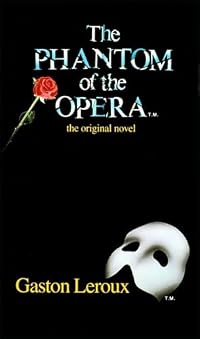
The Phantom of the Opera
by Gaston Leroux
On This Page
Description
Christine is brought up by her itinerant musician father, whose death she mourns endlessly. She achieves a singing position in the Paris Opera line, where a mysterious voice teaches her to unleash her musical potential. The voice belongs to Erik, a deformed musical genius who lives in the opera house. As Christine's singing career takes off, her childhood friend Raoul begins to court her, and he and Erik fight jealously for Christine's hand..
Tags
Recommendations
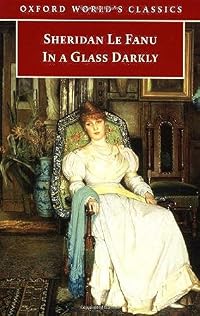
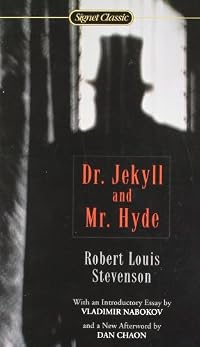



Member Recommendations
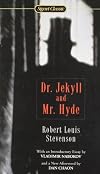
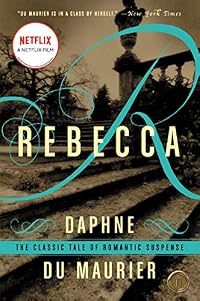
ncgraham Another great Victorian horror novel.
110
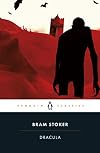
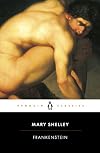

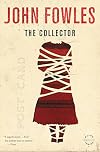
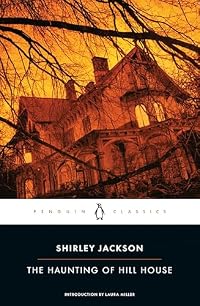
anonymous user Both have "monsters" holding the object of their affection captive
12
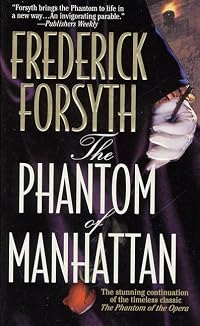
anonymous user Those Rosy Hours takes a few brief mentions of a minor character in The Phantom of the Opera and turns it into a whole, enthralling story of desire and death.
01
Member Reviews
O fantasma da Ópera de Gaston Leroux ficou mais eternizado como um dos monstros da Universal no cinema do que propriamente como um verdadeiro clássico literário.
Em sua primeira adaptação em 1925 o Leroux ainda estava vivo e viu seu Erick ser transformado em puro vilão, mas no seu livro original a personagem tem um arco redentor de que a sociedade o transformara em vilão por ser feio desde a rejeição de seus pais, passando por ser atração de feiras, até a derradeira rejeição como Fantasma da Ópera por Christine. Em certo sentido me lembrou o Frankenstein de Mary Shelley e entendo o porquê Del Toro dizer que também gostaria de adaptar O Fantasma da Ópera, já que o cineasta é bastante afeito à personagens à margem da show more sociedade que de alguma forma são consideradas monstros por sua aparência. show less
Em sua primeira adaptação em 1925 o Leroux ainda estava vivo e viu seu Erick ser transformado em puro vilão, mas no seu livro original a personagem tem um arco redentor de que a sociedade o transformara em vilão por ser feio desde a rejeição de seus pais, passando por ser atração de feiras, até a derradeira rejeição como Fantasma da Ópera por Christine. Em certo sentido me lembrou o Frankenstein de Mary Shelley e entendo o porquê Del Toro dizer que também gostaria de adaptar O Fantasma da Ópera, já que o cineasta é bastante afeito à personagens à margem da show more sociedade que de alguma forma são consideradas monstros por sua aparência. show less
this was fun, well written, and engaging. and a thousand times better and less offensive than the musical production. all of the romanticizing of stalking that the musical does is gone here - he's described as a monster, and while some characters have compassion for him, that's because it's realistic. he's evil because of his past and how his experiences have made him that way, and that's worth feeling compassionate about. and it doesn't excuse his kidnapping of the woman, which is made into some kind of romantic gesture in the play. definitely a good read, and one that exceeded my expectations.
A classic filled with absolutely ridiculous things.
I love looking through the touchstones of horror and seeing what people have forgotten or never used. That's why I enjoyed my read-through of Dracula so much. Having seen the musical, I was equally surprised and delighted by going through the novel and viewing its craziness.
The musical sets the plot pretty quick as "young opera singer is pursued by masked, deformed genius." The novel takes a different tack. Our singer Christine, her would-be boy toy Raoul the lovestruck noble, and Erik the Phantom quickly learn of the dark triangle that involves them all, even if it takes Raoul a while more than most to figure out what's going on. The rest of the cast?
Almost everyone else in this damn show more book thinks it's a romantic comedy.
Imagine an 80's sex comedy where two people know that Jason Voorhees is out there while the rest do pratfalls, gossip, and vaudeville humor. Even as the bodies pile up, the denizens of the Paris Opera House act in entertainingly ludicrous ways.
Well, mostly. Something amazing and horrifying happens on stage halfway through the book. Surprise! Alarm! Then the next chapter focuses on people who heard from fourth-hand sources that one of the managers barricaded themselves in their office and screamed for a safety pin. Murder, magic, and kidnapping are all around, but everyone ignores that because they must get to the bottom of this safety pin shit.
Erik, the deformed man who lives in the secret parts of the Opera House, is fascinating. He's got a ridiculously detailed globe-trotting origin and the ingenuity of a homicidal Wile E. Coyote. Still, there's one figure he fears in the labyrinth below the Opera House. There's a cloaked shadow in a felt hat whom Erik avoids, a man with arrest powers who directly aids the managers, someone's whose identity is a state secret.
We never learn anything else about this guy, so get used to disappointment.
Also, the Phantom of the Opera goes grocery shopping
A classic gothic romance filled with absolutely ridiculous things.
I love looking through the touchstones of horror and seeing what people have forgotten or never used. That's why I enjoyed my read-through of Dracula so much. Having seen the musical, I was equally surprised and delighted by going through the novel and viewing its craziness.
The musical sets the plot pretty quick as "young opera singer is pursued by masked, deformed genius." The novel takes a different tack. Our singer Christine, her would-be boy toy Raoul the lovestruck noble, and Erik the Phantom quickly learn of the dark triangle that involves them all, even if it takes Raoul a while more than most to figure out what's going on. The rest of the cast?
Almost everyone else in this damn book thinks it's a romantic comedy.
Imagine an 80's sex comedy where two people know that Jason Voorhees is out there while the rest do pratfalls, gossip, and vaudeville humor. Even as the bodies pile up, the denizens of the Paris Opera House act in entertainingly ludicrous ways.
Well, mostly. Something amazing and horrifying happens on stage halfway through the book. Surprise! Alarm! Then the next chapter focuses on people who heard from fourth-hand sources that one of the managers barricaded themselves in their office and screamed for a safety pin. Murder, magic, and kidnapping are all around, but everyone ignores that because they must get to the bottom of this safety pin shit.
Erik, the deformed man who lives in the secret parts of the Opera House, is fascinating. He's got a ridiculously detailed globe-trotting origin and the ingenuity of a homicidal Wile E. Coyote.
Still, there's one figure he fears in the labyrinth below the Opera House. There's a cloaked shadow in a felt hat whom Erik avoids, a man with arrest powers who directly aids the managers, someone's whose identity is a state secret.
We never learn anything else about that guy, so get used to disappointment.
Also, the Phantom of the Opera goes grocery shopping in broad daylight wearing Groucho glasses. This is a Thing That Happens.
Every the narrator doesn't stay serious. Sometimes you get scenes that are chilling, such as when Christine pours out her heart to Raoul about how the Phantom terrifies her and you know for a fact that Mr. Opera Ghost is listening. Other times, the narration snarks like a French Douglas Adams.
And it's fun.
I really enjoyed going through this. It's a whole lot of crazy things, but (with the exception of the safety pin mishagosh, it is never boring. show less
I love looking through the touchstones of horror and seeing what people have forgotten or never used. That's why I enjoyed my read-through of Dracula so much. Having seen the musical, I was equally surprised and delighted by going through the novel and viewing its craziness.
The musical sets the plot pretty quick as "young opera singer is pursued by masked, deformed genius." The novel takes a different tack. Our singer Christine, her would-be boy toy Raoul the lovestruck noble, and Erik the Phantom quickly learn of the dark triangle that involves them all, even if it takes Raoul a while more than most to figure out what's going on. The rest of the cast?
Almost everyone else in this damn show more book thinks it's a romantic comedy.
Imagine an 80's sex comedy where two people know that Jason Voorhees is out there while the rest do pratfalls, gossip, and vaudeville humor. Even as the bodies pile up, the denizens of the Paris Opera House act in entertainingly ludicrous ways.
Well, mostly. Something amazing and horrifying happens on stage halfway through the book. Surprise! Alarm! Then the next chapter focuses on people who heard from fourth-hand sources that one of the managers barricaded themselves in their office and screamed for a safety pin. Murder, magic, and kidnapping are all around, but everyone ignores that because they must get to the bottom of this safety pin shit.
Erik, the deformed man who lives in the secret parts of the Opera House, is fascinating. He's got a ridiculously detailed globe-trotting origin and the ingenuity of a homicidal Wile E. Coyote. Still, there's one figure he fears in the labyrinth below the Opera House. There's a cloaked shadow in a felt hat whom Erik avoids, a man with arrest powers who directly aids the managers, someone's whose identity is a state secret.
We never learn anything else about this guy, so get used to disappointment.
Also, the Phantom of the Opera goes grocery shopping
A classic gothic romance filled with absolutely ridiculous things.
I love looking through the touchstones of horror and seeing what people have forgotten or never used. That's why I enjoyed my read-through of Dracula so much. Having seen the musical, I was equally surprised and delighted by going through the novel and viewing its craziness.
The musical sets the plot pretty quick as "young opera singer is pursued by masked, deformed genius." The novel takes a different tack. Our singer Christine, her would-be boy toy Raoul the lovestruck noble, and Erik the Phantom quickly learn of the dark triangle that involves them all, even if it takes Raoul a while more than most to figure out what's going on. The rest of the cast?
Almost everyone else in this damn book thinks it's a romantic comedy.
Imagine an 80's sex comedy where two people know that Jason Voorhees is out there while the rest do pratfalls, gossip, and vaudeville humor. Even as the bodies pile up, the denizens of the Paris Opera House act in entertainingly ludicrous ways.
Well, mostly. Something amazing and horrifying happens on stage halfway through the book. Surprise! Alarm! Then the next chapter focuses on people who heard from fourth-hand sources that one of the managers barricaded themselves in their office and screamed for a safety pin. Murder, magic, and kidnapping are all around, but everyone ignores that because they must get to the bottom of this safety pin shit.
Erik, the deformed man who lives in the secret parts of the Opera House, is fascinating. He's got a ridiculously detailed globe-trotting origin and the ingenuity of a homicidal Wile E. Coyote.
Still, there's one figure he fears in the labyrinth below the Opera House. There's a cloaked shadow in a felt hat whom Erik avoids, a man with arrest powers who directly aids the managers, someone's whose identity is a state secret.
We never learn anything else about that guy, so get used to disappointment.
Also, the Phantom of the Opera goes grocery shopping in broad daylight wearing Groucho glasses. This is a Thing That Happens.
Every the narrator doesn't stay serious. Sometimes you get scenes that are chilling, such as when Christine pours out her heart to Raoul about how the Phantom terrifies her and you know for a fact that Mr. Opera Ghost is listening. Other times, the narration snarks like a French Douglas Adams.
And it's fun.
I really enjoyed going through this. It's a whole lot of crazy things, but (with the exception of the safety pin mishagosh, it is never boring. show less
Gaston Leroux’s 1910 gothic horror tale The Phantom of the Opera is a twisted tale of obsessive love. The characterization of Erik is the most notable aspect of this classic melodrama. Simultaneously abhorrent and sympathetic, his loveless, tortured soul is reflected in his torture chamber; his monstrous disfigurement condemns him to winning his love Christine only by force. His halting, emotional soliloquy at the end is simply heartbreaking. The fantastic settings are also quite memorable: the grand Paris Opera House, the torture chamber, and the fantastic subterranean waterway. I found Leroux’s narrative in the middle third quite dense, and a bit of a slog to get through. Overall, an interesting read, if only to compare the show more original to the screen and stage adaptations. show less
Although this is definitely a rollicking good story, a romance set in the gothic underworld of the glamorous Paris Opera, Andrew Lloyd Webber and various film adaptations have rather spoiled the suspense! I thought that reading the novel might add to the theatrical mythology, but Gaston Leroux's playful melodrama did not bring the characters to life for me, sad to say. I will never understand the appeal of Erik, or to give him his stage name, the Phantom - he's not a 'bad boy', he's just a manipulative headcase with a box of tricks. 'If you loved me, I would be as gentle as a lamb' - where's the tortured hero in that? If anyone were to rewrite Leroux's novel in a modern setting, Erik would be an abusive, controlling husband, or a show more stalker, or maybe both - 'I didn't want to hurt you, but you drove me to it!' Then again, Christine and Raoul are also straight out of stock character casting - the pure, fair heroine, who is far too trusting for her own good, and the spoilt aristocratic suitor who blindly charges headlong into danger for the love of his life.
The real star of this story is the Paris Opera, with its fantastic construction and lavish interiors, hiding a labyrinth of secret tunnels, traps and underground lakes - the history alone is enough to bring this magnificent building to life, and Leroux works with the details to create an architectural legend. show less
The real star of this story is the Paris Opera, with its fantastic construction and lavish interiors, hiding a labyrinth of secret tunnels, traps and underground lakes - the history alone is enough to bring this magnificent building to life, and Leroux works with the details to create an architectural legend. show less
Esta maravillosa historia que ocurre entre el misterio, el terror, lo gótico, la intriga, se cuenta la historia de Erik, un hombre atormentado, maldito, malvado y terrorífico, mejor conocido entre bastidores como el Fantasma de la ópera.
Todos conocemos mas o menos la historia gracias a Andrew Lloyd Webber, sin embargo, aunque la obra es magnifica y con una música maravillosa, lo cierto es que el libro cuenta una historia mas profunda, que explica muchas de las razones y motivaciones del fantasma, que sin duda es un personaje del que uno no puede evitar enamorarse.
La historia narrada por un periodista que se ha avocado a desvelar el secreto de lo sucedido una noche en el teatro donde ha desaparecido la cantante Christine y donde show more además habían pasado ya muchas cosas, acude a un personaje que ha vivido todo como espectador primero y como actor al final y que además conoce a Erik y su pasado, este personaje llamado "El Persa", que aparece hasta casi el final del libro, es tan importante como Chistine y Raoul.
Una historia de amor, trágica y romántica, a veces empalagosa, una historia de infortunio y de congoja, una historia de terror y de misterio, una historia gótica del mas puro Edgar Allan Poe.
Y si, lo digo porque es inevitable notar la enorme influencia de Poe en Leroux.
He disfrutado enormemente este libro y para quien crea (como yo lo había hecho y lo reconozco) que por conocer la historia por que ha visto la o las películas y mejor aún la obra de teatro, les digo que no hay nada como el libro, que a pesar de ser en ocasiones una historia algo empalagosa en su prosa (y esto no estoy muy segura porque lo he leído en una traducción y a veces los traductores son los culpables de muchas cosas que reclamamos al autor y no es justo), no deja de ser original, maravillosa y completamente subyugante.
Por supuesto el personaje del fantasma es el mejor de todos, complejo, trágico, malévolo, terrible, feo e inteligente como nadie, no pude evitar caer rendida a sus pies.
Christine y Raoul... en fin son unos personajes bastante insulsos y hasta tontos, lo siento, pero es que no pude evitar que me cayeran mal, inmerecidos para la personalidad tan fuerte del mismo fantasma o de El Persa y aún y cuando al final Christine se salva por los pelos en cuanto a heroína de drama trágico, Raoul no, al menos no para mi.
Por lo demás, uno de los imperdibles show less
Todos conocemos mas o menos la historia gracias a Andrew Lloyd Webber, sin embargo, aunque la obra es magnifica y con una música maravillosa, lo cierto es que el libro cuenta una historia mas profunda, que explica muchas de las razones y motivaciones del fantasma, que sin duda es un personaje del que uno no puede evitar enamorarse.
La historia narrada por un periodista que se ha avocado a desvelar el secreto de lo sucedido una noche en el teatro donde ha desaparecido la cantante Christine y donde show more además habían pasado ya muchas cosas, acude a un personaje que ha vivido todo como espectador primero y como actor al final y que además conoce a Erik y su pasado, este personaje llamado "El Persa", que aparece hasta casi el final del libro, es tan importante como Chistine y Raoul.
Una historia de amor, trágica y romántica, a veces empalagosa, una historia de infortunio y de congoja, una historia de terror y de misterio, una historia gótica del mas puro Edgar Allan Poe.
Y si, lo digo porque es inevitable notar la enorme influencia de Poe en Leroux.
He disfrutado enormemente este libro y para quien crea (como yo lo había hecho y lo reconozco) que por conocer la historia por que ha visto la o las películas y mejor aún la obra de teatro, les digo que no hay nada como el libro, que a pesar de ser en ocasiones una historia algo empalagosa en su prosa (y esto no estoy muy segura porque lo he leído en una traducción y a veces los traductores son los culpables de muchas cosas que reclamamos al autor y no es justo), no deja de ser original, maravillosa y completamente subyugante.
Por supuesto el personaje del fantasma es el mejor de todos, complejo, trágico, malévolo, terrible, feo e inteligente como nadie, no pude evitar caer rendida a sus pies.
Christine y Raoul... en fin son unos personajes bastante insulsos y hasta tontos, lo siento, pero es que no pude evitar que me cayeran mal, inmerecidos para la personalidad tan fuerte del mismo fantasma o de El Persa y aún y cuando al final Christine se salva por los pelos en cuanto a heroína de drama trágico, Raoul no, al menos no para mi.
Por lo demás, uno de los imperdibles show less
I love the musical but had never read this book before. So I downloaded it to my Kindle for free. The formatting was okay on the Kindle version but all of the color plates were missing with an insert stating (color plate here). Overall the story itself was wonderful and really added to my understanding of the musical.
I think just about everyone should be familiar with this story. It is the story of an Opera Ghost who is mentoring Christine Daae to become a great opera singer. Of course when the Opera Ghost's wishes are not met by the new managers who run the opera house a series of disasters befall the opera company. Christine becomes increasingly entangled with the Opera Ghost and her childhood sweetheart, Raoul, tries his best to save show more her.
The book starts out a bit slow. It is told from the point of view of an investigator who is trying to piece together the whole story behind the Phantom of the Opera. Things really pick up as the Opera Ghost starts to torment people and Christine and Raoul start their false engagement.
My favorite part was the last third of the book when Raoul and the Persian are trying to navigate the area beneath the theater.
This book fills out some major parts of the story that you don't get in the musical. There is a lot more background on Raoul and Christine's childhood. More time is spent explaining the past of the Opera Ghost, Eric, and what made him the way he is. At the very end the investigator details how all of the ghostly things that happened in the story were done. Also the scenes under the opera house are much more vicious, involving a incredibly unique torture chamber, threats to flatten a few blocks of Paris, and more.
I was surprised at how engaging the writing style was. This was not a tough book to read at all, it was incredibly engaging and easy to read. There is a sly sense of humor in parts of the book and I found myself laughing out loud a couple times. I really enjoyed it.
My only complaint (and my husband's complaint) is that I kept humming parts of the musical as I read the book! If you are a fan of The Phantom and the Opera musical definitely check out this book; it makes parts of the musical make a lot more sense. It is much more interesting and creative and engaging than the musical too! The first third of the book is kind of slow but if you can make it though that, the rest of the book is definitely worth it! show less
I think just about everyone should be familiar with this story. It is the story of an Opera Ghost who is mentoring Christine Daae to become a great opera singer. Of course when the Opera Ghost's wishes are not met by the new managers who run the opera house a series of disasters befall the opera company. Christine becomes increasingly entangled with the Opera Ghost and her childhood sweetheart, Raoul, tries his best to save show more her.
The book starts out a bit slow. It is told from the point of view of an investigator who is trying to piece together the whole story behind the Phantom of the Opera. Things really pick up as the Opera Ghost starts to torment people and Christine and Raoul start their false engagement.
My favorite part was the last third of the book when Raoul and the Persian are trying to navigate the area beneath the theater.
This book fills out some major parts of the story that you don't get in the musical. There is a lot more background on Raoul and Christine's childhood. More time is spent explaining the past of the Opera Ghost, Eric, and what made him the way he is. At the very end the investigator details how all of the ghostly things that happened in the story were done. Also the scenes under the opera house are much more vicious, involving a incredibly unique torture chamber, threats to flatten a few blocks of Paris, and more.
I was surprised at how engaging the writing style was. This was not a tough book to read at all, it was incredibly engaging and easy to read. There is a sly sense of humor in parts of the book and I found myself laughing out loud a couple times. I really enjoyed it.
My only complaint (and my husband's complaint) is that I kept humming parts of the musical as I read the book! If you are a fan of The Phantom and the Opera musical definitely check out this book; it makes parts of the musical make a lot more sense. It is much more interesting and creative and engaging than the musical too! The first third of the book is kind of slow but if you can make it though that, the rest of the book is definitely worth it! show less
Members
- Recently Added By
Lists

Classics you know you should have read but probably haven't
421 works; 407 members

Read the book and saw the movie
1,170 works; 192 members

Best Gothic Fiction
110 works; 31 members

Best of French Literature
138 works; 27 members

Best Horror Books
281 works; 84 members

Unread books
1,063 works; 82 members

20th Century Literature
1,161 works; 55 members

Survey of Classic Fantastic Fiction
36 works; 9 members

1900s (Decade, not century)
73 works; 17 members

1910s
90 works; 16 members

Favourite Books
1,817 works; 308 members

Fictional Characters With Disabilities
43 works; 9 members

music to my eyes
86 works; 12 members

Out of Copyright
244 works; 14 members

Watched the Movie, Probably Won't Read the Book
185 works; 34 members

Blue Pyramid 1,276 Best Books of All Time
1,248 works; 32 members

Best Antiheroes and Antiheroines
119 works; 6 members

Jones and Newman's Horror: Another 100 Best Books
100 works; 7 members

Books Read in 2015
3,298 works; 126 members

Opera Themed Books
4 works; 1 member

Books where the women deserved better
6 works; 2 members
BingoDOG 2015 Challenge
49 works; 3 members

Books Read in 2023
5,547 works; 145 members

Paris, City of Lights
103 works; 17 members

Literature in Translation
113 works; 5 members

hideous creatures
18 works; 3 members

Best Horror Mega-List
342 works; 6 members

mstrust's scary list
34 works; 1 member

Books Read in 2017
4,248 works; 130 members
Overdue Podcast
800 works; 9 members

Books Read in 2020
4,379 works; 124 members

Literature which inspired Pop songs
85 works; 9 members

Horror: Page & Screen
27 works; 3 members
Kate & Cheyanne's Horror Extravaganza
144 works; 6 members

Recommended Reading : 600 Classics Reviewed, Editors of Salem Press, 2015
634 works; 6 members

Favorite Books in Translation
320 works; 133 members

el
1,139 works; 1 member
The Phantom of the Opera: Sequels, Spin-Offs, and Reimaginings
41 works; 2 members

Books Read in 2019
4,052 works; 108 members

Troublesome bodies
110 works; 7 members

The League of Extraordinary Gentlemen
87 works; 4 members

Biggest Disappointments
606 works; 168 members

Opera in fiction
15 works; 6 members

Books translated from Romance Languages into English
102 works; 7 members

Books referenced in the Astral Library
60 works; 1 member
Talk Discussions
Past Discussions
Phantom of the Opera By Gaston Leroux Sep 2021 LTER in Reviews of Early Reviewers Books (September 2021)
Author Information

Gaston Leroux is best known as the creator of the 1911 novel, The Phantom of the Opera, about a masked figure who haunts the hidden parts of the Paris Opera House. The novel appeared first in serial installments a year before publication, ultimately grew into several movie versions, and later became an Tony Award-winning Andrew Lloyd Webber show more musical. Leroux was born in Paris in 1868. The only child of financially well-off parents, he moved easily into a clerk job in a law office. While working there, he wrote essays and short stories, many of which were accepted by publishers. This fired his enthusiasm, and he became a full-time reporter/writer in 1890. Law experience covering famous cases and theater reviews fueled his writing career, but it was his news reporter job that took him around the world at the turn of the century, providing details for his novels. Leroux wrote several mystery and fantasy novels, including the well-received The Mystery of the Yellow Room (1907) and The Man Who Came Back from the Dead (1912). Leroux also helped pioneer the character of the amateur detective who solves crime, so commonly seen today in movies and television. Gaston Leroux continued to write until his death on April 16, 1927. (Bowker Author Biography) show less
Some Editions
Awards and Honors
Series
Belongs to Publisher Series
Geração Público (10)
dtv phantastica (1868)
Dell Mystery (24)
El País Aventuras (30)
Grandes Novelas de Aventuras (XIII)
Tus libros (138)
Ediciones de bolsillo (318)
Zwarte Beertjes (596/597)
dtv (10953)
Work Relationships
Is contained in
Is retold in
Has the adaptation
Is abridged in
Is parodied in
Was inspired by
Inspired
Common Knowledge
- Canonical title
- The Phantom of the Opera
- Original title
- Le Fantôme de l'Opéra
- Original publication date
- 1910-02
- People/Characters
- Erik [The Phantom]; Christine Daaé; Raoul, Vicomte de Chagny; La Carlotta; Madame Giry; Meg Giry (show all 52); The Persian; Firmin Richard; Armand Moncharmin; Philippe de Chagny (Count); Mifroid (Police Commissary); Madame Valerius; Cécile Jammes ("Little Jammes" | a dancer); Madame Jammes; La Sorelli (ballerina); Joseph Buquet; Faure (magistrate); General D.; Mercier (the Administrator); Gabriel (chorus master); Debienne (former Director); Poligny (former Director); The Phantom of the Opera; G. L. (narrator); Papin (fireman); Pedro Gailhard (mentioned as a source); Charles Gounod; Ernest Reyer; Camille Saint-Saëns; Jules Massenet; Ernest Guiraud; Léo Delibes; Jean-Baptiste Faure; Denise Bloch; Gabrielle Krauss; P. de St.-V. (critic); André Messager (mentioned as a source); Marius Gabion (mentioned as a source); Jean-Louis Croze (mentioned as a source); Rémy (Directors' secretary); X. Y. Z. (critic); Gustave Daaé; Professor Valerius; Madame Tricard; Carolus Fonta; Lachenal (head groom); Gioachino Rossini (quoted); Caesar (horse); Darius (servant); Mauclair (chief lighting engineer); Eugène Dujardin-Beaumetz (mentioned in footnotes); Mohammed-Ali Bey (mentioned as a source)
- Important places
- Paris, France; Paris Opera, Paris, France; Palais Garnier, Paris, France; Perros-Guirec, Brittany, France; Setting Sun Inn, Perros-Guirec, Brittany, France (fictitious)
- Important events
- Bal de l'Opera; Descente de la Courtille
- Related movies
- Phantom of the Opera (1943 | IMDb); The Phantom of the Opera (2004 | IMDb); The Phantom of the Opera (1925 | IMDb); The Phantom of the Opera (1962 | IMDb)
- Dedication
- TO MY BROTHER JO
Who, though he is not at all ghostly, is nevertheless,
like Erik, an Angel of Music
Affectionately,
Gaston Leroux - First words
- The opera ghost really existed.
- Quotations
- None will ever be a true Parisian who has not learned to wear a mask of gaiety over his sorrows and one of sadness, boredom or indifference over his inward joy.
- Last words
- (Click to show. Warning: May contain spoilers.)I maintain that the skeleton of the Opera ghost belongs in the archives of the National Academy of Music; it is no ordinary skeleton.
- Original language
- French
- Canonical DDC/MDS
- 843'.912-dc19; 843.912; 843; [Fic]
- Canonical LCC
- PQ2623.E6F213
- Disambiguation notice
- This work refers to full text unabridged versions of The Phantom of the Opera (including translations).
Abridged or early reader versions which do not contain the full text should not be combined here.
Classifications
Statistics
- Members
- 15,437
- Popularity
- 448
- Reviews
- 225
- Rating
- (3.76)
- Languages
- 24 — Chinese, Czech, Danish, Dutch, English, Estonian, Finnish, French, German, Galician, Greek, Hungarian, Indonesian, Italian, Japanese, Korean, Polish, Portuguese, Romanian, Russian, Serbian, Spanish, Swedish, Turkish
- Media
- Paper, Audiobook, Ebook
- ISBNs
- 630
- UPCs
- 12
- ASINs
- 197
