On This Page
Description
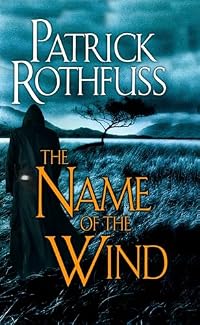
The tale of Kvothe, from his childhood in a troupe of traveling players to years spent as a near-feral orphan in a crime-riddled city to his daringly brazen yet successful bid to enter a difficult and dangerous school of magic. In these pages, you will come to know Kvothe as a notorious magician, an accomplished thief, a masterful musician, and an infamous assassin. But this book is so much more, for the story it tells reveals the truth behind Kvothe's legend.Tags
Recommendations
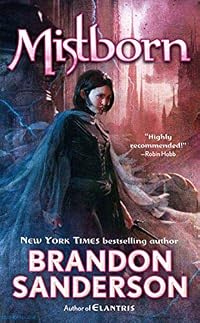
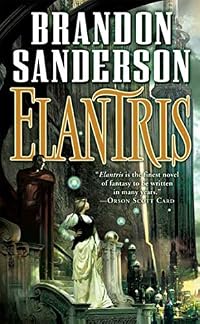
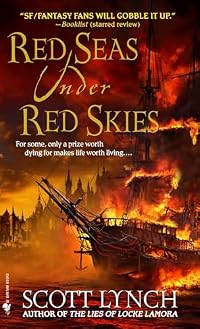
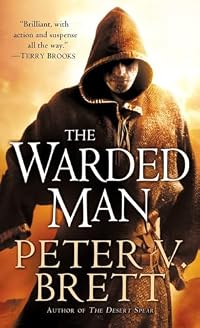
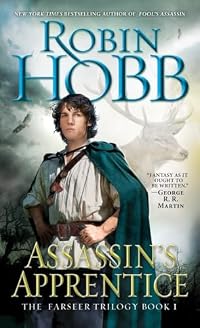
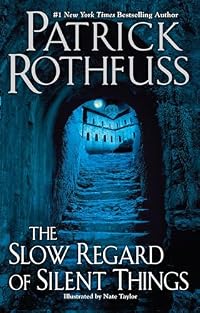
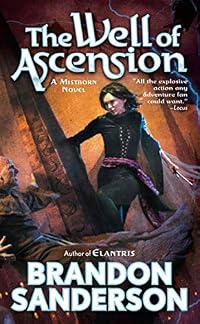
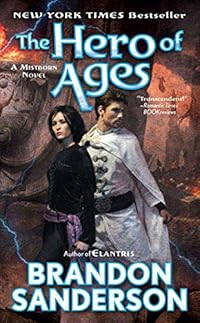
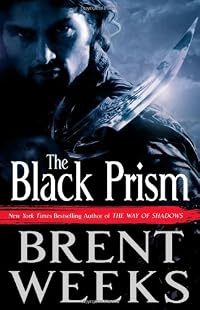
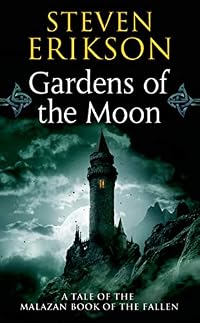
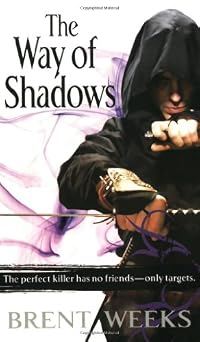
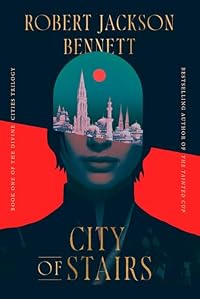
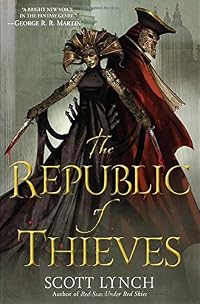
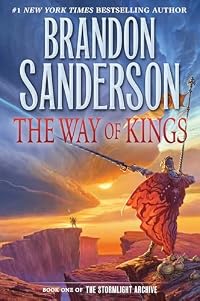
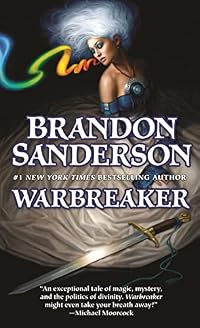
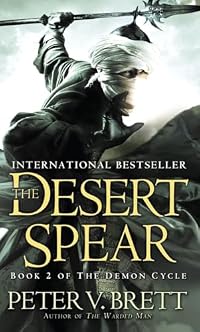
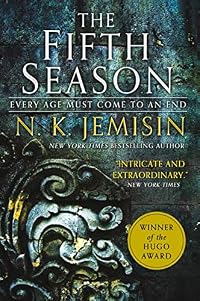
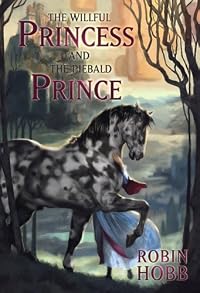
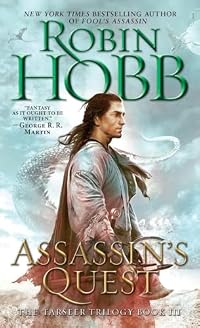
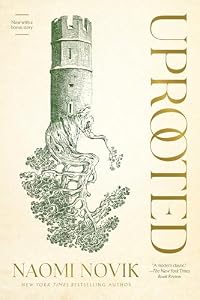
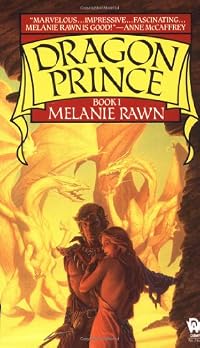
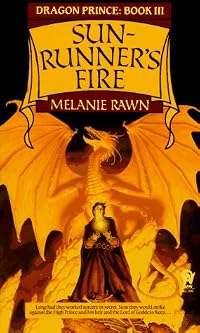

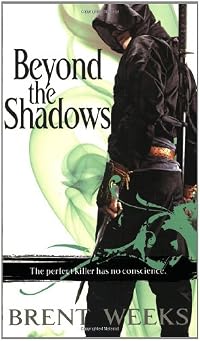
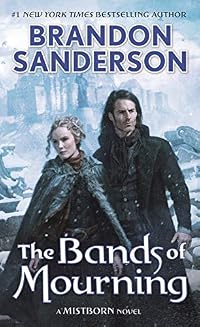
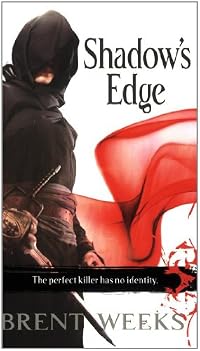
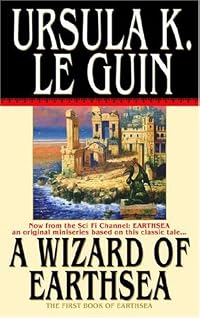
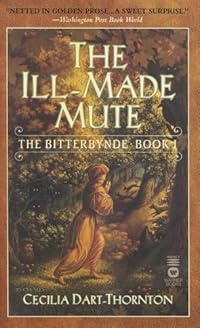
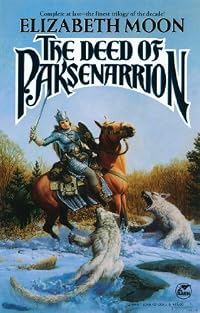

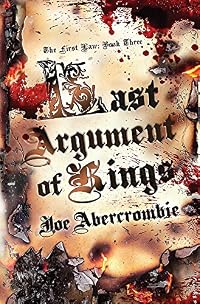
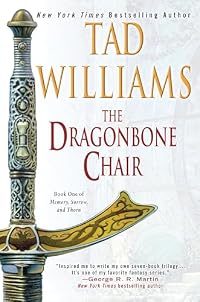
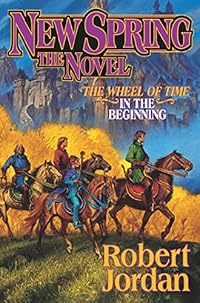
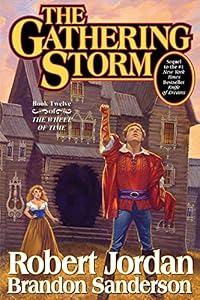
Member Recommendations
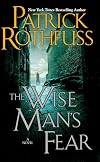
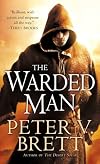
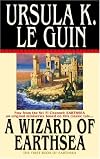
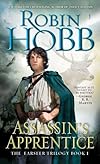
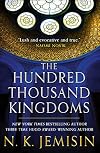
LiddyGally Both fascinating first-person accounts of a boy growing up with strong magical powers. Both find loyal friends and face a teacher with a vendetta against them.
299
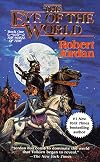
aulandez Both are strong first person narrated adventures of out-of-place heroes, and take familiar fantasy tropes and deconstruct them with intelligence and some wit.
42
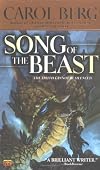
sandstone78 A gifted bard, and a dark and twisty story with magic, music, and dragons
The First Journey of Agatha Heterodyne: Book One: Agatha Heterodyne and the Beetleburg Clank by Phil Foglio
leahsimone These comics (online version) are ridiculously fun. Found out about them from Pat's Blog. I love them and I don't even read comics!
25
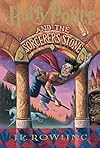
Vonini Both accounts of a boy growing up and studying magic. And both excellent books.
16
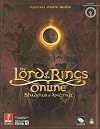
Littlewitch This book is excellently written. It is one of those books that you pick up and do not want to put down until the last page.
The author too several years to release his second book, because he wanted to make sure that the public received a book worthy to be following his first one.
010
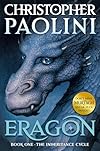
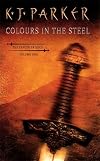

Dariah both about maturing mages, kind of anti-heroes, complex world-building, tavern/stories/music and poems as part of the plot
Member Reviews
First things first: I’d like to discourage you from reading this novel because the trilogy as planned by Rothfuss is still unfinished and Kvothe’s amazing story remains untold in large parts. I got this book as a gift from a colleague and despite having been similarly warned by him, I devoured it!
Rothfuss has masterfully crafted a world that is both rich in detail and vivid in imagination, making it impossible for me to put down.
The story centres around the life of Kvothe, an almost legendary wizard, musician and Kingkiller who is now living in obscurity as an innkeeper. The plot weaves together Kvothe's past and present, with each chapter revealing more about his past and how it has shaped the person he has become. The characters show more in the book are beautifully crafted, with each one having their own unique personality that adds depth and colour to the story.
One of the things I loved most about "The Name of the Wind" was Rothfuss' writing style. His prose is lyrical and poetic, making even the most mundane scenes come alive with vivid imagery. This style of writing, coupled with the intricate world-building, drew me in from the very first page and kept me invested in the story until the very end. (Which made the fact that it’s only the end of the book all the more aggravating!)
Another aspect of the book that I found particularly impressive was the magic system. The way in which magic works in this world is both complex and fascinating, with different types of magic being tied to music and other creative expressions.
Overall, I would highly recommend "The Name of the Wind" to anyone who enjoys fantasy - if only it were finished. The second instalment in the trilogy is similarly great compared to this one, albeit a bit more “explicit” in some aspects…
I just hope I’ll live to see the infamous “Doors of Stone”, the final novel in the trilogy, published. In contrast to, let’s say George R. R. Martin, whom I’ve written off as a complete and unredeemable loss, I fully intend to read Rothfuss one last time.
NB: If you read this and think “this author owes you nothing”, you’d generally be right but Rothfuss actually told us, the trilogy was completely finished several times and promised yearly releases, e. g. here: https://fantasyhotlist.blogspot.com/2007/03/patrick-rothfuss-interview.html
Even his editor is disillusioned to say the least: https://www.newsweek.com/kingkiller-chronicle-editor-believes-author-hasnt-writt...
Nevertheless, for what Rothfuss gave us with “The Name of the Wind” I cannot help but grudgingly award five stars out of five.
Blog | Facebook | Twitter | Mastodon | Instagram | Pinterest | Medium | Matrix | Tumblr
Ceterum censeo Putin esse delendam show less
Rothfuss has masterfully crafted a world that is both rich in detail and vivid in imagination, making it impossible for me to put down.
The story centres around the life of Kvothe, an almost legendary wizard, musician and Kingkiller who is now living in obscurity as an innkeeper. The plot weaves together Kvothe's past and present, with each chapter revealing more about his past and how it has shaped the person he has become. The characters show more in the book are beautifully crafted, with each one having their own unique personality that adds depth and colour to the story.
One of the things I loved most about "The Name of the Wind" was Rothfuss' writing style. His prose is lyrical and poetic, making even the most mundane scenes come alive with vivid imagery. This style of writing, coupled with the intricate world-building, drew me in from the very first page and kept me invested in the story until the very end. (Which made the fact that it’s only the end of the book all the more aggravating!)
Another aspect of the book that I found particularly impressive was the magic system. The way in which magic works in this world is both complex and fascinating, with different types of magic being tied to music and other creative expressions.
Overall, I would highly recommend "The Name of the Wind" to anyone who enjoys fantasy - if only it were finished. The second instalment in the trilogy is similarly great compared to this one, albeit a bit more “explicit” in some aspects…
I just hope I’ll live to see the infamous “Doors of Stone”, the final novel in the trilogy, published. In contrast to, let’s say George R. R. Martin, whom I’ve written off as a complete and unredeemable loss, I fully intend to read Rothfuss one last time.
NB: If you read this and think “this author owes you nothing”, you’d generally be right but Rothfuss actually told us, the trilogy was completely finished several times and promised yearly releases, e. g. here: https://fantasyhotlist.blogspot.com/2007/03/patrick-rothfuss-interview.html
Even his editor is disillusioned to say the least: https://www.newsweek.com/kingkiller-chronicle-editor-believes-author-hasnt-writt...
Nevertheless, for what Rothfuss gave us with “The Name of the Wind” I cannot help but grudgingly award five stars out of five.
Blog | Facebook | Twitter | Mastodon | Instagram | Pinterest | Medium | Matrix | Tumblr
Ceterum censeo Putin esse delendam show less
Este es uno de los libros más sobrevalorados que existen. ¿Es entretenido? Sí, cuando no está siendo repetitivo (No, no me interesa leer 200 páginas donde lo único que vemos es como Kothve vive en las calles y no pasa absolutamente NADA) . ¿Es una "genial obra maestra"?:
Leí varias reseñas donde la gente incluso compara a Rothfuss con [a:J.R.R. Tolkien|656983|J.R.R. Tolkien|https://d.gr-assets.com/authors/1383526938p2/656983.jpg] o con [a:George R.R. Martin|346732|George R.R. Martin|https://d.gr-assets.com/authors/1351944410p2/346732.jpg].
Queridos Goodreaders, Tolkien y Martín escriben historias únicas con docenas de personajes complejos!!! Rothfuss escribe un retelling de Oliver Twist, con un poco de magia y un protagonista show more perfecto, literalmente. Es taaan perfecto que hasta el mismo lo sabe:
Obviamente el pobrecito no tiene idea de lo que significa "baja autoestima" o "modestia":
Es muy fácil escribir un personaje likeable si todo lo que hace, lo hace bien. Lo difícil es escribir un personaje lleno de defectos y aún así lograr que los lectores encuentren en él cualidades para redimirlo. Así que, perdónenme si lo que hizo Rothfuss no me parece ningún gran logro. Sobretodo tomando en cuenta que se tardó 10 años escribiéndolo.
Obviamente soy minoría aquí, pero llevando esto hasta los estereotipos iría tan lejos como para decir que esto no es más que el equivalente de un chick-lit para hombres —¿Boy-lit? ¿Guy-lit?—; literatura hueca que está bien para entretenerse un poco y pasar el rato. Nada más. show less
Leí varias reseñas donde la gente incluso compara a Rothfuss con [a:J.R.R. Tolkien|656983|J.R.R. Tolkien|https://d.gr-assets.com/authors/1383526938p2/656983.jpg] o con [a:George R.R. Martin|346732|George R.R. Martin|https://d.gr-assets.com/authors/1351944410p2/346732.jpg].
Queridos Goodreaders, Tolkien y Martín escriben historias únicas con docenas de personajes complejos!!! Rothfuss escribe un retelling de Oliver Twist, con un poco de magia y un protagonista show more perfecto, literalmente. Es taaan perfecto que hasta el mismo lo sabe:
"Admitiré que soy mejor. Aprendo más deprisa. Trabajo más. Mis manos son más diestras. Mi mente es más curiosa. Sin embargo, también espero que eso lo sepa usted sin necesidad de que se lo diga yo".
Obviamente el pobrecito no tiene idea de lo que significa "baja autoestima" o "modestia":
"Yo era un chico muy listo, un héroe en ciernes".
Es muy fácil escribir un personaje likeable si todo lo que hace, lo hace bien. Lo difícil es escribir un personaje lleno de defectos y aún así lograr que los lectores encuentren en él cualidades para redimirlo. Así que, perdónenme si lo que hizo Rothfuss no me parece ningún gran logro. Sobretodo tomando en cuenta que se tardó 10 años escribiéndolo.
Obviamente soy minoría aquí, pero llevando esto hasta los estereotipos iría tan lejos como para decir que esto no es más que el equivalente de un chick-lit para hombres —¿Boy-lit? ¿Guy-lit?—; literatura hueca que está bien para entretenerse un poco y pasar el rato. Nada más. show less
At the unassuming and immaculate inn just out of town, you’d never expect to find a contemporary legend in the quiet, red-haired, green-eyed innkeeper. But he is Kvothe, and when he finally tells his true story for the first time, it is one of love and loss, childhood inquisitiveness and hard-knock-life resilience, boarding school pranks and events that will change the course of the world. You don’t believe in magic? You’ve never heard Kvothe tell his own story.
You’ve all felt it at one point or another. The desire. The craving. The urge to go to bed with a book. The new hardcover whose jacket you’ve taken off for safekeeping; falling asleep with one hand splayed over its naked, embossed cover. An old favorite, its edges worn show more and soft to the touch; it fits perfectly in the space beside you on your wrinkled sheets.
At around 700 pages, THE NAME OF THE WIND is the perfect shape and story to sleep with.
(At least, I assume it would be, as I read this on an e-reader.)
Even without the tangible reassurance of a physical copy, THE NAME OF THE WIND easily slid into its position as my new favorite book. Somewhere in an alternate universe, J. K. Rowling and George R. R. Martin had a literary lovechild, who somehow stowed away on a ship bound for Earth, assumed the human name of Patrick Rothfuss, and, after wandering, bard-like, through many years of higher education, discovered the secret to turning words and ideas into gold.
Remember those sleepaway camps and public library programs you attended when you were young, the ones where the performer would gather you and the other kids round the sleepy campfire or colorful hand-sewn rug? Remember how, at first, you were suspicious of this stranger with the odd hair or scruffy beard or clothing that audibly ruffled whenever he shifted positions? Remember how his voice sounded unfamiliar at first, unlike the dulcet tones of your own parents telling you bedtime stories? And then remember how, before you knew it, you were so far immersed into the story you forgot who was telling it and found yourself leaning forward, hanging on to his every mesmerizing word?
That’s kind of how THE NAME OF THE WIND was for me. The third-person beginning section was a little awkward, as I wasn’t sure how I was supposed to feel about this Kote/Kvothe character. But as Kvothe stretched out his long-unused storytelling muscles and the book eased its loving way into first-person narration, I found myself as entranced as Chronicler and Bast were, sitting in that inn and listening to the never-before-told story of a contemporary legend.
He has a sexy voice, what can I say?
I could mention some minor quibbles I had with the book, like Kvothe’s unfortunate near-“perfect-ness,” or how Denna skirts the edge of geeky-adolescent-boy’s MPDG wet dream, but it totally and completely doesn’t even matter because don’t you know that the greatest artists can break all the rules? THE NAME OF THE WIND is an epic novel, part memoir, part boarding school tale, part wild adventure, and I just know that Kvothe’s world is only going to expand from here in future installments. Recommended for anyone and everyone anywhere—except for maybe that hipster classmate of yours with the I-just-got-out-of-bed-no-really-I-just-did messy hair and black Free Trade coffee perpetually in hand who refuses to read anything that hasn’t won the Nobel, Pulitzer, or Man Booker Prize. But who wants to be reading buddies with them anyway? show less
You’ve all felt it at one point or another. The desire. The craving. The urge to go to bed with a book. The new hardcover whose jacket you’ve taken off for safekeeping; falling asleep with one hand splayed over its naked, embossed cover. An old favorite, its edges worn show more and soft to the touch; it fits perfectly in the space beside you on your wrinkled sheets.
At around 700 pages, THE NAME OF THE WIND is the perfect shape and story to sleep with.
(At least, I assume it would be, as I read this on an e-reader.)
Even without the tangible reassurance of a physical copy, THE NAME OF THE WIND easily slid into its position as my new favorite book. Somewhere in an alternate universe, J. K. Rowling and George R. R. Martin had a literary lovechild, who somehow stowed away on a ship bound for Earth, assumed the human name of Patrick Rothfuss, and, after wandering, bard-like, through many years of higher education, discovered the secret to turning words and ideas into gold.
Remember those sleepaway camps and public library programs you attended when you were young, the ones where the performer would gather you and the other kids round the sleepy campfire or colorful hand-sewn rug? Remember how, at first, you were suspicious of this stranger with the odd hair or scruffy beard or clothing that audibly ruffled whenever he shifted positions? Remember how his voice sounded unfamiliar at first, unlike the dulcet tones of your own parents telling you bedtime stories? And then remember how, before you knew it, you were so far immersed into the story you forgot who was telling it and found yourself leaning forward, hanging on to his every mesmerizing word?
That’s kind of how THE NAME OF THE WIND was for me. The third-person beginning section was a little awkward, as I wasn’t sure how I was supposed to feel about this Kote/Kvothe character. But as Kvothe stretched out his long-unused storytelling muscles and the book eased its loving way into first-person narration, I found myself as entranced as Chronicler and Bast were, sitting in that inn and listening to the never-before-told story of a contemporary legend.
He has a sexy voice, what can I say?
I could mention some minor quibbles I had with the book, like Kvothe’s unfortunate near-“perfect-ness,” or how Denna skirts the edge of geeky-adolescent-boy’s MPDG wet dream, but it totally and completely doesn’t even matter because don’t you know that the greatest artists can break all the rules? THE NAME OF THE WIND is an epic novel, part memoir, part boarding school tale, part wild adventure, and I just know that Kvothe’s world is only going to expand from here in future installments. Recommended for anyone and everyone anywhere—except for maybe that hipster classmate of yours with the I-just-got-out-of-bed-no-really-I-just-did messy hair and black Free Trade coffee perpetually in hand who refuses to read anything that hasn’t won the Nobel, Pulitzer, or Man Booker Prize. But who wants to be reading buddies with them anyway? show less
You know what you’ve got the moment you catch sight of Patrick Rothfuss’s debut novel, The Name of the Wind. There it is, your standard, big, fat, epic fantasy. If you’re an experienced fantasy reader, you can tell from the cover of the guy with the lute (one of two dust jackets with which the book was published) that it’s heroic fantasy in a world with magic, Faery, fighting and words of power. And, in fact, upon reading the novel you will find that all the tropes are here, from the university where magic is taught to mysterious beasts to the power of cold iron.
However comfortable the tropes are, though, this book offers something new within a familiar framework. For one thing, The Name of the Wind is so well-written that you show more will reach page 662 wishing this weren’t the first of an unfinished trilogy. It is written with far greater skill than the usual massive fantasy tome, the interchangeable Lackeys, Brookses and Goodkinds. According to his website, Rothfuss has lived with his hero, Kvothe, for seven years, and the effort is obvious. The prose is largely transparent, allowing the story to leap to the forefront, seemingly unhindered by the words. Yet every now and then, a passage is told with sufficient poetry to stick in your memory:
Kote tried to relax, failed, fidgeted, sighed, shifted in his seat, and without willing it his eyes fell on the chest at the foot of the bed.
It was made of roah, a rare, heavy wood, dark as coal and smooth as polished glass. Prized by perfumers and alchemists, a piece the size of your thumb was easily worth gold. To have a chest made of it went far beyond extravagance.
The chest was sealed three times. It had a lock of iron, a lock of copper, and a lock that could not be seen. Tonight the wood filled the room with the almost imperceptible aroma of citrus and quenching iron.
Who can wait to find out what’s in that chest, and where it came from? And why it’s locked three times, once with an invisible lock? Nearly a week after finishing the book, I’m still wondering about that chest.
This sort of writing is combined with good, understandable explanations of the mechanics of magic, sharp action writing and strong dialogue. Rothfuss can write.
Framing devices are rarely truly necessary, but the one used here works. Kote is an innkeeper in a tiny town in The Four Corners of Civilization. The Four Corners feels like the medieval England that serves as home for most epic fantasies, no matter what the carefully drawn maps always included in such books call the towns and countries. Unbeknown to his regular customers, he is not really Kote, but Kvothe, a hero of song and story who has “been called Shadicar, Lightfinger, and Six-String …. Kvothe the Bloodless, Kvothe the Arcane, and Kvothe Kingkiller.” As a hero he is larger than life; as a man, he is smaller than his legend, but still an incredibly gifted man, strong, smart, and good.
A man known as Chronicler, a scribe who makes it his life’s work to record histories is looking for Kvothe to take down his story when he comes upon Kvothe in the woods one night. The two are almost immediately attacked by vile creatures whose tale is yet to be told; Kvothe saves Chronicler’s life. In return, Chronicler almost immediately identifies Kvothe after they’ve returned to the inn – he’s had hints in other taverns in other small towns. He works to persuade Kvothe to tell his tale, but little persuasion is necessary once Chronicler agrees to take down every word, for as long as it takes for Kvothe to tell his tale.
The bulk of the novel, then, is Kvothe’s story of his childhood to his mid-teen years. The tale is familiar to most fantasies: a boy bright beyond his years, one who learns so quickly that everyone is unbelieving and, forcing him to prove himself many times over. Kvothe tells Chronicler of his childhood among the Edema Ruh, a troupe of players who roamed the land, and of his early learning at the knee of an arcanist named Abenthy. He portrays the terror and dire poverty of his feral years, when he lived on the streets of a ruthless and ugly harbor town called Tarbean. He hits his stride when he tells of arriving at last at the University, where one who gains admission can study chemistry, mathematics, rhetoric, sympathy (the name for magic here) and the art of naming.
It’s all familiar, yet all new. For instance, Rothfuss formulates a magic that is akin to science, with laws and equations as useful and dangerous as E=mc2. Chemistry in this world is more closely aligned with alchemy than chemistry in our world, though magic seems to follow similar rules, based on the bonding of different forms of matter one to another, or a smaller piece to a larger. While some few fantasy writers have attempted to systematize their magic, Rothfuss is the first I know of to have worked out a system that makes a sort of scientific sense. It is not usual to read about the law of conservation of energy in a work of fantasy, but here it is essential to the plot.
Another difference between this tale and the typical fantasy is that Kvothe carefully demythologizes himself. Why is he Kvothe the Bloodless? He explains how he prevented bleeding with a vasoconstrictor when he was whipped at the University for malfeasance. Did he really kill a dragon? The appearance of this creature will initially disappoint the reader; it jars her right out of Rothfuss’s carefully constructed original fantasy and makes her start thinking about Piers Anthony. But Rothfuss immediately saves his tale by having Kvothe explain to his listeners that it wasn’t a dragon at all. Instead, it was a rare creature native to the Four Corners with its own biology; he even offers a possible scientific explanation, based on the creature’s diet and the nature of the digestive process, for why it breathes fire.
And Kvothe neither gets the girl nor loses her tragically. He is her friend. Friendship between men and women is rarely explored in fantasy unless romance is totally out of the question. Kvothe adores Denna, but her circumstances and his poverty make it impossible for them to be lovers, at least during these years. Instead, they talk and laugh and have adventures – not adventures in which Kvothe is always rushing to the rescue of a fainting Denna, but adventures in which she is a full participant. Denna is a creature of her world and her time, not an Amazon who daringly wears pants and wields a sword, but within her framework she is extraordinary while remaining outwardly typical.
These sorts of invention take this book beyond the ordinary. Rothfuss attempts something imaginative while remaining within genre conventions, and he succeeds.
Nevertheless, one wishes that Rothfuss had taken China Mieville, Steph Swainston or Neal Stephenson as his role models, rather than Robin Hobb, Tad Williams and Kate Elliott. I enjoy books written by the latter three writers, and have spent many happy hours immersed in their meticulously crafted worlds. But Mieville, Swainston and Stephenson take fantasy and stand it on its head, producing stories that are strange and exciting – that obliterate the framework, rather than merely seeking to manipulate the framework in new ways. As Steph Swainston said in a recent interview at UK SF Book News, “If more writers didn't write 'fantasy' so self-consciously and follow imagined 'rules' of the genre then the whole thing might not be so hidebound and repetitive. It should be the most creative writing around but is frequently the most conservative.”
Writers like Swainston make Rothfuss’s imagination look caged, even strangled by convention. Mieville gives us a world previously unimaginable to anyone but him, one that is neither past nor present, this world or another, fantasy or science fiction. Is there any analog anywhere in fantasy literature to Lin, the woman with a human-like body and the head of a scarab, who extrudes the material she molds into art from the back of her head? Where can one find a character like Steph Swainston’s winged antihero Jant, or creatures like the Insects that are destroying Jant’s world? Is Tim Lebbon’s Noreela like any other place you can find on the page? Call it institial, call it New Weird, call it whatever you like, but these sorts of books are the true future of fantasy.
I want to read Rothfuss’s New Weird novel. I want to read the novel where he sets his imagination off to places that I’ve never visited in my worst nightmare or my wildest imaginings. I want something so new that I have to struggle with it, that I am mesmerized by it. I want fiction that makes me no longer recognize my own home for a moment after I stop reading. I long for Rothfuss to set himself free. show less
However comfortable the tropes are, though, this book offers something new within a familiar framework. For one thing, The Name of the Wind is so well-written that you show more will reach page 662 wishing this weren’t the first of an unfinished trilogy. It is written with far greater skill than the usual massive fantasy tome, the interchangeable Lackeys, Brookses and Goodkinds. According to his website, Rothfuss has lived with his hero, Kvothe, for seven years, and the effort is obvious. The prose is largely transparent, allowing the story to leap to the forefront, seemingly unhindered by the words. Yet every now and then, a passage is told with sufficient poetry to stick in your memory:
Kote tried to relax, failed, fidgeted, sighed, shifted in his seat, and without willing it his eyes fell on the chest at the foot of the bed.
It was made of roah, a rare, heavy wood, dark as coal and smooth as polished glass. Prized by perfumers and alchemists, a piece the size of your thumb was easily worth gold. To have a chest made of it went far beyond extravagance.
The chest was sealed three times. It had a lock of iron, a lock of copper, and a lock that could not be seen. Tonight the wood filled the room with the almost imperceptible aroma of citrus and quenching iron.
Who can wait to find out what’s in that chest, and where it came from? And why it’s locked three times, once with an invisible lock? Nearly a week after finishing the book, I’m still wondering about that chest.
This sort of writing is combined with good, understandable explanations of the mechanics of magic, sharp action writing and strong dialogue. Rothfuss can write.
Framing devices are rarely truly necessary, but the one used here works. Kote is an innkeeper in a tiny town in The Four Corners of Civilization. The Four Corners feels like the medieval England that serves as home for most epic fantasies, no matter what the carefully drawn maps always included in such books call the towns and countries. Unbeknown to his regular customers, he is not really Kote, but Kvothe, a hero of song and story who has “been called Shadicar, Lightfinger, and Six-String …. Kvothe the Bloodless, Kvothe the Arcane, and Kvothe Kingkiller.” As a hero he is larger than life; as a man, he is smaller than his legend, but still an incredibly gifted man, strong, smart, and good.
A man known as Chronicler, a scribe who makes it his life’s work to record histories is looking for Kvothe to take down his story when he comes upon Kvothe in the woods one night. The two are almost immediately attacked by vile creatures whose tale is yet to be told; Kvothe saves Chronicler’s life. In return, Chronicler almost immediately identifies Kvothe after they’ve returned to the inn – he’s had hints in other taverns in other small towns. He works to persuade Kvothe to tell his tale, but little persuasion is necessary once Chronicler agrees to take down every word, for as long as it takes for Kvothe to tell his tale.
The bulk of the novel, then, is Kvothe’s story of his childhood to his mid-teen years. The tale is familiar to most fantasies: a boy bright beyond his years, one who learns so quickly that everyone is unbelieving and, forcing him to prove himself many times over. Kvothe tells Chronicler of his childhood among the Edema Ruh, a troupe of players who roamed the land, and of his early learning at the knee of an arcanist named Abenthy. He portrays the terror and dire poverty of his feral years, when he lived on the streets of a ruthless and ugly harbor town called Tarbean. He hits his stride when he tells of arriving at last at the University, where one who gains admission can study chemistry, mathematics, rhetoric, sympathy (the name for magic here) and the art of naming.
It’s all familiar, yet all new. For instance, Rothfuss formulates a magic that is akin to science, with laws and equations as useful and dangerous as E=mc2. Chemistry in this world is more closely aligned with alchemy than chemistry in our world, though magic seems to follow similar rules, based on the bonding of different forms of matter one to another, or a smaller piece to a larger. While some few fantasy writers have attempted to systematize their magic, Rothfuss is the first I know of to have worked out a system that makes a sort of scientific sense. It is not usual to read about the law of conservation of energy in a work of fantasy, but here it is essential to the plot.
Another difference between this tale and the typical fantasy is that Kvothe carefully demythologizes himself. Why is he Kvothe the Bloodless? He explains how he prevented bleeding with a vasoconstrictor when he was whipped at the University for malfeasance. Did he really kill a dragon? The appearance of this creature will initially disappoint the reader; it jars her right out of Rothfuss’s carefully constructed original fantasy and makes her start thinking about Piers Anthony. But Rothfuss immediately saves his tale by having Kvothe explain to his listeners that it wasn’t a dragon at all. Instead, it was a rare creature native to the Four Corners with its own biology; he even offers a possible scientific explanation, based on the creature’s diet and the nature of the digestive process, for why it breathes fire.
And Kvothe neither gets the girl nor loses her tragically. He is her friend. Friendship between men and women is rarely explored in fantasy unless romance is totally out of the question. Kvothe adores Denna, but her circumstances and his poverty make it impossible for them to be lovers, at least during these years. Instead, they talk and laugh and have adventures – not adventures in which Kvothe is always rushing to the rescue of a fainting Denna, but adventures in which she is a full participant. Denna is a creature of her world and her time, not an Amazon who daringly wears pants and wields a sword, but within her framework she is extraordinary while remaining outwardly typical.
These sorts of invention take this book beyond the ordinary. Rothfuss attempts something imaginative while remaining within genre conventions, and he succeeds.
Nevertheless, one wishes that Rothfuss had taken China Mieville, Steph Swainston or Neal Stephenson as his role models, rather than Robin Hobb, Tad Williams and Kate Elliott. I enjoy books written by the latter three writers, and have spent many happy hours immersed in their meticulously crafted worlds. But Mieville, Swainston and Stephenson take fantasy and stand it on its head, producing stories that are strange and exciting – that obliterate the framework, rather than merely seeking to manipulate the framework in new ways. As Steph Swainston said in a recent interview at UK SF Book News, “If more writers didn't write 'fantasy' so self-consciously and follow imagined 'rules' of the genre then the whole thing might not be so hidebound and repetitive. It should be the most creative writing around but is frequently the most conservative.”
Writers like Swainston make Rothfuss’s imagination look caged, even strangled by convention. Mieville gives us a world previously unimaginable to anyone but him, one that is neither past nor present, this world or another, fantasy or science fiction. Is there any analog anywhere in fantasy literature to Lin, the woman with a human-like body and the head of a scarab, who extrudes the material she molds into art from the back of her head? Where can one find a character like Steph Swainston’s winged antihero Jant, or creatures like the Insects that are destroying Jant’s world? Is Tim Lebbon’s Noreela like any other place you can find on the page? Call it institial, call it New Weird, call it whatever you like, but these sorts of books are the true future of fantasy.
I want to read Rothfuss’s New Weird novel. I want to read the novel where he sets his imagination off to places that I’ve never visited in my worst nightmare or my wildest imaginings. I want something so new that I have to struggle with it, that I am mesmerized by it. I want fiction that makes me no longer recognize my own home for a moment after I stop reading. I long for Rothfuss to set himself free. show less
Reading THE NAME OF THE WIND by Patrick Rothfuss was another attempt on my part to read other, well-established fantasy authors. Given the high praise in all of the reviews I read, I expected to be blown out of the water by the novel. Instead, as my husband asked after listening to the audiobook with me for a few minutes, I did not understand what the point of the book was about.
For one thing, we don’t know who Kvothe is when he starts his story. We don’t know why someone wants his story or what he has done to warrant such attention. All we know is that he is an innkeeper in some remote town who knows a little more about things beyond the town’s border than he lets on to others and has an apprentice for some reason.
Then, he show more starts explaining how intelligent he was as a child, how quick to learn anything new, and how formative his experiences within his parents’ troupe were. Again, we still don’t know why his story is so important or what it all means. By the time we get to Kvothe’s 16th birthday, we do have some hints as to where his story is going, but they are only hints and theories. And they remain only hints and theories by the time the story ends.
So, yeah, I don’t quite see the point of a story where you don’t know why the main character is important because we haven’t seen him do anything that would warrant fame and attention or a reason to hide away in a remote inn. It would help if we knew something about his exploits ahead of time. Anything is more than we have at both the beginning and the end of THE NAME OF THE WIND. It’s really difficult to get behind a hero when you don’t know his heroics.
There is no doubt Kvothe has a unique but tragic childhood, one that left him with trauma and an array of unusual skills that serve him well in his teenage years. And his story is a good one for all intents and purposes. It’s just that there is nothing that gets me vested into his story. I don’t know Kvothe beyond what he is telling the chronicler, so there is nothing that indicates we can believe his story.
There is no doubt THE NAME OF THE WIND is well-written. I could see Kvothe’s antics as he narrates them as clearly as I could a film. Kvothe (and Mr. Rothfuss) is a good storyteller, and I found myself more interested in continuing the book the farther I progressed in it. But all I could think as I finished it, with a story that is very much incomplete, is that there was no point to any of it. Without that knowledge of just who Kvothe the adult is before he becomes an innkeeper, I don’t see any. show less
For one thing, we don’t know who Kvothe is when he starts his story. We don’t know why someone wants his story or what he has done to warrant such attention. All we know is that he is an innkeeper in some remote town who knows a little more about things beyond the town’s border than he lets on to others and has an apprentice for some reason.
Then, he show more starts explaining how intelligent he was as a child, how quick to learn anything new, and how formative his experiences within his parents’ troupe were. Again, we still don’t know why his story is so important or what it all means. By the time we get to Kvothe’s 16th birthday, we do have some hints as to where his story is going, but they are only hints and theories. And they remain only hints and theories by the time the story ends.
So, yeah, I don’t quite see the point of a story where you don’t know why the main character is important because we haven’t seen him do anything that would warrant fame and attention or a reason to hide away in a remote inn. It would help if we knew something about his exploits ahead of time. Anything is more than we have at both the beginning and the end of THE NAME OF THE WIND. It’s really difficult to get behind a hero when you don’t know his heroics.
There is no doubt Kvothe has a unique but tragic childhood, one that left him with trauma and an array of unusual skills that serve him well in his teenage years. And his story is a good one for all intents and purposes. It’s just that there is nothing that gets me vested into his story. I don’t know Kvothe beyond what he is telling the chronicler, so there is nothing that indicates we can believe his story.
There is no doubt THE NAME OF THE WIND is well-written. I could see Kvothe’s antics as he narrates them as clearly as I could a film. Kvothe (and Mr. Rothfuss) is a good storyteller, and I found myself more interested in continuing the book the farther I progressed in it. But all I could think as I finished it, with a story that is very much incomplete, is that there was no point to any of it. Without that knowledge of just who Kvothe the adult is before he becomes an innkeeper, I don’t see any. show less
The kind of book that ruins other books for you.
Where do I even start? This is not just a book I read. This is a book I lived in for days. And weeks after finishing it, I'm still mentally wandering around the Waystone Inn, still hearing the silences of Kvothe, still wanting to believe that someday Doors of Stone will arrive.
The Name of the Wind is the first book in the Kingkiller Chronicle, and it's told in that rare, beautiful frame narrative: a legendary hero—Kvothe, now hiding as a simple innkeeper—tells his own story to a chronicler over three days. This book is Day One.
The prose is the star. Patrick Rothfuss writes like a poet who secretly hates poetry but loves music. Every sentence breathes. There's a rhythm to his words that show more I've only ever found in Ursula Le Guin or the original Persian poets I grew up reading. Descriptions of music, of silence, of a boy learning to survive on the streets—they don't just describe; they become. I've highlighted half the book.
The story: Kvothe grows up in a traveling troupe of performers, loses everything to a mythical evil (the Chandrian), and claws his way through poverty, prejudice, and a magical university to seek revenge and answers. Along the way, he learns sympathy (a beautifully scientific magic system), plays music that moves the gods, makes friends and enemies, and somehow remains both arrogant and heartbreakingly vulnerable.
Why it's a favorite: Kvothe is not a bland hero. He's brilliant, proud, stupid, kind, cruel, and deeply scarred. I love him and want to shake him at the same time.
The magic: Sympathy, naming, alchemy—it's rule-bound yet mysterious. Learning it alongside Kvothe is pure joy.
The university setting feels like Hogwarts for adults, complete with tuition debt, politics, and a library that forbids fire. (I would die for Auri.)
The romance is frustrating and perfect. Denna is not a prize; she's a mirror. Their dance of miscommunication hurts so good.
The flaws (I have to mention them): The plot meanders. This is not a tight, action-packed thriller. It's a memoir. Some readers find the middle slow (the Trebon arc, the draccus). I found it cozy.
The frame story advances slowly. We're still waiting for Day Three. And yes, it's been over a decade. That hurts.
Kvothe is a Mary Sue to some. To me, he's an unreliable narrator telling his own legend. That's the point.
Final verdict: The Name of the Wind is not for everyone. It's for people who love language, who want to sit with a character until they feel like a friend, who don't mind a slow burn if the fire is beautiful. It's my comfort read. I return to it every year. And I will wait, patiently and impatiently, for the doors to open.
Bottom line: Five stars isn't enough. It's a flawed, wandering, breathtaking masterpiece. Read it slowly. Savor the sentences. Then join the rest of us in staring at an empty release calendar. show less
Where do I even start? This is not just a book I read. This is a book I lived in for days. And weeks after finishing it, I'm still mentally wandering around the Waystone Inn, still hearing the silences of Kvothe, still wanting to believe that someday Doors of Stone will arrive.
The Name of the Wind is the first book in the Kingkiller Chronicle, and it's told in that rare, beautiful frame narrative: a legendary hero—Kvothe, now hiding as a simple innkeeper—tells his own story to a chronicler over three days. This book is Day One.
The prose is the star. Patrick Rothfuss writes like a poet who secretly hates poetry but loves music. Every sentence breathes. There's a rhythm to his words that show more I've only ever found in Ursula Le Guin or the original Persian poets I grew up reading. Descriptions of music, of silence, of a boy learning to survive on the streets—they don't just describe; they become. I've highlighted half the book.
The story: Kvothe grows up in a traveling troupe of performers, loses everything to a mythical evil (the Chandrian), and claws his way through poverty, prejudice, and a magical university to seek revenge and answers. Along the way, he learns sympathy (a beautifully scientific magic system), plays music that moves the gods, makes friends and enemies, and somehow remains both arrogant and heartbreakingly vulnerable.
Why it's a favorite: Kvothe is not a bland hero. He's brilliant, proud, stupid, kind, cruel, and deeply scarred. I love him and want to shake him at the same time.
The magic: Sympathy, naming, alchemy—it's rule-bound yet mysterious. Learning it alongside Kvothe is pure joy.
The university setting feels like Hogwarts for adults, complete with tuition debt, politics, and a library that forbids fire. (I would die for Auri.)
The romance is frustrating and perfect. Denna is not a prize; she's a mirror. Their dance of miscommunication hurts so good.
The flaws (I have to mention them): The plot meanders. This is not a tight, action-packed thriller. It's a memoir. Some readers find the middle slow (the Trebon arc, the draccus). I found it cozy.
The frame story advances slowly. We're still waiting for Day Three. And yes, it's been over a decade. That hurts.
Kvothe is a Mary Sue to some. To me, he's an unreliable narrator telling his own legend. That's the point.
Final verdict: The Name of the Wind is not for everyone. It's for people who love language, who want to sit with a character until they feel like a friend, who don't mind a slow burn if the fire is beautiful. It's my comfort read. I return to it every year. And I will wait, patiently and impatiently, for the doors to open.
Bottom line: Five stars isn't enough. It's a flawed, wandering, breathtaking masterpiece. Read it slowly. Savor the sentences. Then join the rest of us in staring at an empty release calendar. show less
The story of Kvothe is told it two parts, both presently while he is hiding as an innkeeper with his ‘assistant’ Bast and within the frame story as the tale of his life that he is telling The Chronicler. The story is intricate, careful woven, and musical. It plays with language as Kvothe plays with language, and is filled with everything from children’s rhymes to songs to threats uttered so eloquently you go back to read them again. Kvothe, a legendary figure by the time of the frame story, was part of the Edem Ruh, talented and well-educated traveling players. An exceptional child, he was desperate for knowledge and was provided all he could ask for until the deaths of everyone in his caravan. At that point his tale changes, show more moving to a wandering orphan living off the streets and then a young teen who makes his way to the University and eventually is kicked out at a younger age than most people are accepted in. He is too clever by half, he is driven and proud, he is a talented musician, a well-trained actor, and often favored by fortune. The answers he seeks lie in parts of history that have faded to myth and with the monsters of children’s rhymes and campfire stories. Always, as he searches, he learns more, he grows, and he leaves his own stories behind. I lack the words to properly describe this-- I was half tempted to simply re-write Kvothe’s introduction to his own story-- so I will simply say that it is a story that should be read. It was crafted lovingly and is filled with an elegance of language rarely seen in an author’s first novel. show less
Members
- Recently Added By
Lists

Best Fantasy Novels
821 works; 361 members

1001 Books You Must Read Before You Die
1,448 works; 1,131 members

Top-Rated Books on LibraryThing
272 works; 117 members

NPRs your picks: top 100 Sci-Fi/Fantasy books
297 works; 78 members

Favorite Series
238 works; 94 members

Top Five Books of 2013
1,564 works; 722 members
Favourite High Fantasy Books
113 works; 23 members

Recommend the 20 best books you've read in the last five years
2,167 works; 605 members

Favourite Fantasy Books of the 21st Century
51 works; 6 members

ALA The Reading List
490 works; 28 members

Amazon's 100 Science Fiction & Fantasy Books to Read in a Lifetime
87 works; 23 members

Stories About Other Worlds
145 works; 13 members
Favourite Books
1,817 works; 316 members

Books tagged favorites
390 works; 30 members

Magic schools
51 works; 8 members

Epic Fantasy
12 works; 7 members

The 100 Best Fantasy Books of All Time
100 works; 15 members

Top Five Books of 2019
387 works; 111 members
Speculative Fiction to Read
706 works; 32 members
Mind Expanding Books by hackerkid
581 works; 8 members

Best 21st Century Books (So Far)
670 works; 85 members

PASTE magazine The 50 Best Fantasy Books of the 21st Century (So Far)
15 works; 1 member

Top 100 Science-Fiction, Fantasy Books
18 works; 4 members

SantaThing 2014 Gifts
299 works; 17 members
Teen Sci-Fi Fantasy Male Lead
47 works; 1 member

Top Five Books of 2018
802 works; 265 members
LibraryThingers' 1001 Books You Must Read Before You Die
442 works; 30 members

Plan to Listen Audiobooks
63 works; 1 member

Top Five Books of 2016
795 works; 229 members

Saiyuki Reload Best Summer Reads
159 works; 2 members

Allie's 2015 Reading List
33 works; 1 member

Unreliable Narrators
170 works; 43 members

Recommend Fantasy Books
100 works; 1 member

Recommended Fantasy Books
77 works; 5 members

DWI Members Recommendations
25 works; 1 member
Neuro Pride Book Club Book Shares
98 works; 1 member

um actually
76 works; 3 members

Requests
19 works; 1 member
Books We Love to Reread
688 works; 296 members

Reading Glasses Podcast
410 works; 3 members

Other Wizard Fiction
32 works; 1 member
Books That Made Us Cry
278 works; 145 members
Book Worlds We'd Like To Visit
322 works; 158 members

.
184 works; 1 member
Books We Couldn't Put Down
443 works; 197 members

Wishlist
99 works; 1 member
Vlogbrothers Book Recommendations
307 works; 4 members

Books We Want To Read Again For The First Time
384 works; 160 members

Elaina's
183 works; 1 member

Unread books
1,063 works; 83 members

Books Read in 2013
1,629 works; 51 members

BookTok Adult
115 works; 2 members

Bustle: 10 Addictive Book Trilogies To Read This Year
10 works; 1 member

New Authors to Read
21 works; 3 members

Best Antiheroes and Antiheroines
119 works; 6 members

Books Read in 2015
3,298 works; 126 members

Books read in 2015
213 works; 5 members
Top Five Books of 2015
811 works; 241 members
Books Read in 2016
4,666 works; 197 members
Five star books
1,755 works; 108 members

Favourite Books
50 works; 1 member

Phi Beta Kappa reading list
260 works; 8 members

ORCID Book list
27 works; 1 member

KayStJ's to-read list
1,616 works; 11 members
Overdue Podcast
800 works; 9 members

S.F. Masterworks (Complete)
229 works; 15 members

al.vick-series
381 works; 2 members

My TBR Challenge Leftovers
22 works; 1 member

Best books read in 2011
200 works; 51 members
First Novels
373 works; 17 members

What are your favourite books?
121 works; 11 members

The Five Books That Represent Us
389 works; 146 members
Talk Discussions
Past Discussions
I'm Calling the Wind Frank in Book talk (September 2022)
Summer Group Read: The Name of the Wind (Patrick Rothfuss) in 75 Books Challenge for 2016 (October 2016)
Book Discussion: The Name of the Wind ~CAUTION ~ Contains SPOILERS in The Green Dragon (September 2011)
Book Discussion: The Name of the Wind - SPOILER FREE Thread in The Green Dragon (November 2008)
Author Information

31+ Works 45,146 Members
Patrick Rothfuss was born in Madison, Wisconsin on June 6, 1973. He received a B.A. in English from the University of Wisconsin, Stevens Point and M. A. from Washington State University. He teaches at the University of Wisconsin, Stevens Point. In 2002, his short story, The Road to Levinshir, won first place in the Writers of the Future contest. show more He writes The Kingkiller Chronicles. The first book in the series, The Name of the Wind, won the 2007 Quill Award for best sci-fi/fantasy. The third book in the series, The Slow Regard of Silent Things, made the New York Times bestseller list in 2014. (Bowker Author Biography) show less

Patrick Rothfuss is a LibraryThing Author, an author who lists their personal library on LibraryThing.
Some Editions
Awards and Honors
Series
Belongs to Publisher Series
Work Relationships
Is contained in
Contains
Has as a supplement
Common Knowledge
- Canonical title*
- Der Name des Windes
- Original title
- The Name of the Wind
- Original publication date
- 2007-03-27
- People/Characters
- Kvothe; Denna; Bast; Chronicler
- Important places*
- Imre; Posada Roca de Guía; Tarbean; Newarre; Trebon
- Related movies*
- The Kingkiller Chronicle: The Name of the Wind (IMDb)
- Dedication
- To my mother, who taught me to love books. Who opened the door to Narnia, Pern, and Middle Earth.
And to my father, who taught me that if I was going to do something, I should take my time and do it right the firs... (show all)t time. - First words
- It was night again.
- Quotations*
- Du kennst nicht einmal den ersten Ton der Musik, die mich zum Tanzen bringt.
- Last words
- (Click to show. Warning: May contain spoilers.)It was the patient, cut-flower sound of a man who is waiting to die.
- Blurbers*
- Le Guin, Ursula K.; Brooks, Terry; Anderson, Kevin J.; Sawyer, Robert J.; Hobb, Robin; Williams, Sean (show all 12); Walton, Jo; Williams, Tad; McCaffrey, Anne; Card, Orson Scott; Pearl, Nancy; Mitchell, Betsy
- Original language
- English
*Some information comes from Common Knowledge in other languages. Click "Edit" for more information.
Classifications
Statistics
- Members
- 24,044
- Popularity
- 199
- Reviews
- 851
- Rating
- (4.35)
- Languages
- 24 — Catalan, Czech, Danish, Dutch, English, Estonian, Finnish, French, German, Greek, Hungarian, Italian, Japanese, Latvian, Lithuanian, Norwegian (Bokmål), Polish, Romanian, Russian, Slovak, Spanish, Swedish, Turkish, Portuguese (Portugal)
- Media
- Paper, Audiobook, Ebook
- ISBNs
- 113
- UPCs
- 2
- ASINs
- 75