On This Page
Description
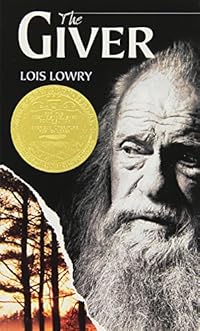
Given his lifetime assignment at the Ceremony of Twelve, Jonas becomes the receiver of memories shared by only one other in his community and discovers the terrible truth about the society in which he lives.Tags
Recommendations
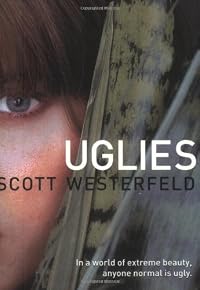
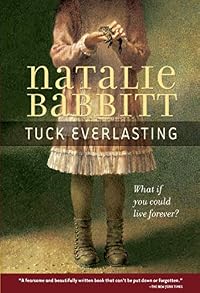
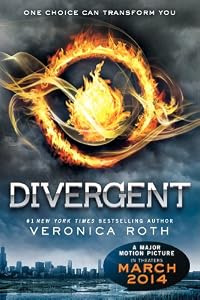
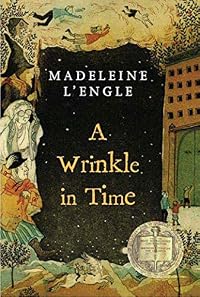

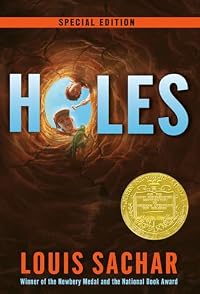
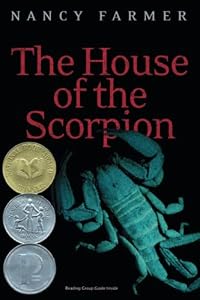
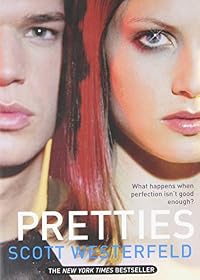
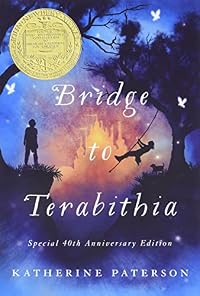
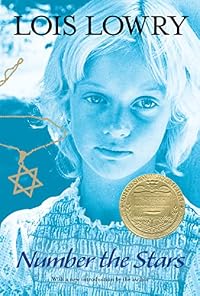
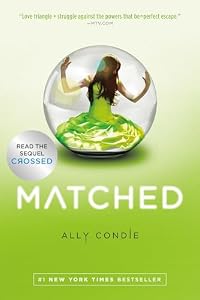
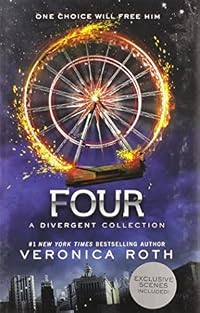
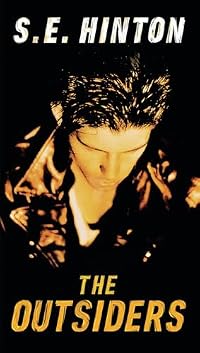

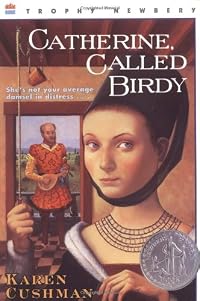
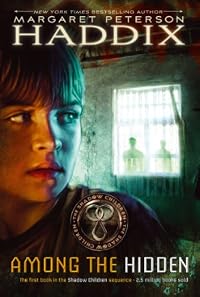
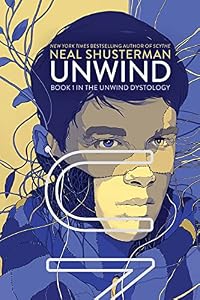
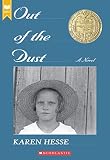
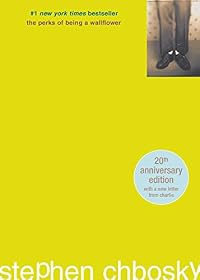
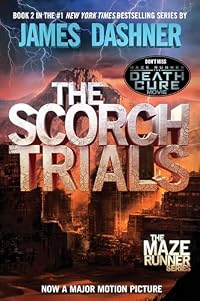
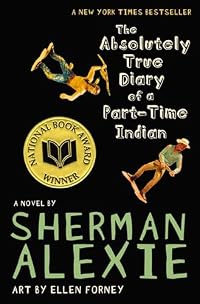
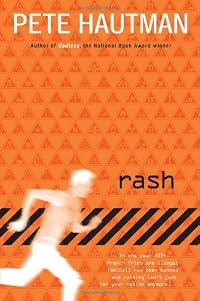
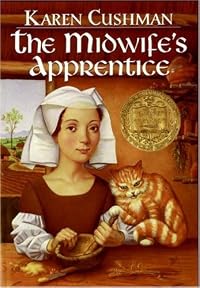
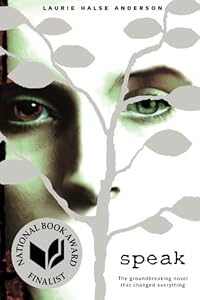
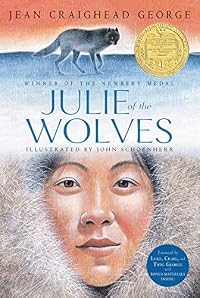
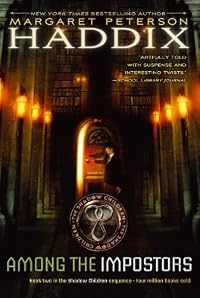
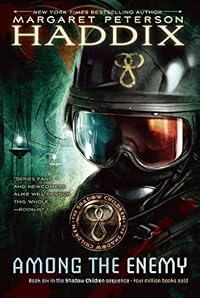
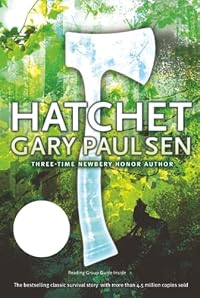
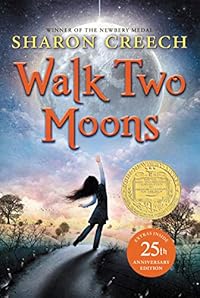
Member Recommendations
chrisharpe I see I am in a minority but, although the idea behind the book is a good one, The Giver struck me as quite clumsy. A much more effective exploration of similar themes is Huxley's "Brave New World".
Also recommended by afyfe
192
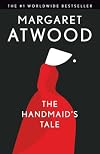
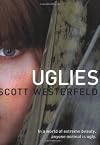
KamTonnes Uglies and The Giver both portray societies that limit conflict by having very specific rules, roles, and expectations for everyone. Also, in both stories, the main characters slowly start to question the values of their respective communities.
130
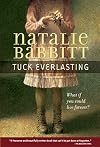
_Zoe_ Another children's book that manages both to entertain and to make you think. These are two of my favourites.
186
Trojanprincess The two worlds seem similar in the way that every aspect of their livee are controlled.
Also recommended by frankiejones
51
jbarry futuristic take on biomedical ethics and mindbendingly complicated relationships
40
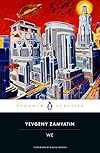
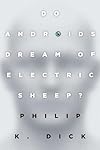

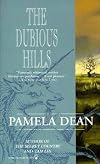
wordcauldron Similarly brain-washy story about a controlled society and how the government tries to suppress the talented people who could break it all down and bring freedom and individualism.
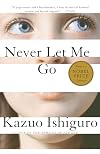
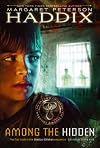
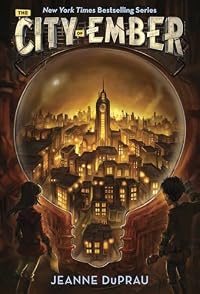
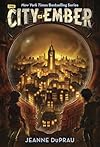
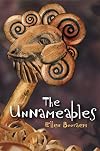
BookshelfMonstrosity In these riveting, suspenseful and thought-provoking dystopian novels, 12-year-old boys learn from inspirational figures about the true nature of their repressive societies: Jonas, from the elderly Giver; Luke, from another hidden -- albeit, more privileged and knowledgeable -- "third child."

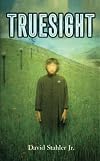
TheDivineOomba Very Similar Plot
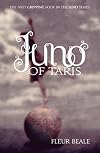
wegc Juno also lives in a society with strict rules, and begins to question those rules as she gets older.
11



Member Reviews
This book is haunting. The dystopian, disturbing parts are so subtle that they sneak up on you, but when you see how broken this world is, it stays with you.
The Giver is as much about what the author doesn't say as it is about what is described. So much is insinuated that you don't get any answers to the big questions like What Happened, or Why is The World Like This. You get bits and pieces and you need to read all four books to get an idea of what might have lead to this, but the story itself is so engaging that you don't mind after a while and you just go with it.
I liked that the book is told through the eyes of a child, with the logic, thoughts and questions a child might have. It's a book about trust and perfection, about what we show more would give up for peace and harmony, how our world would look like if we took away our differences. It sounds ideal, but beneath the surface is a deeply flawed system, but one that looks eerily plausible today. show less
The Giver is as much about what the author doesn't say as it is about what is described. So much is insinuated that you don't get any answers to the big questions like What Happened, or Why is The World Like This. You get bits and pieces and you need to read all four books to get an idea of what might have lead to this, but the story itself is so engaging that you don't mind after a while and you just go with it.
I liked that the book is told through the eyes of a child, with the logic, thoughts and questions a child might have. It's a book about trust and perfection, about what we show more would give up for peace and harmony, how our world would look like if we took away our differences. It sounds ideal, but beneath the surface is a deeply flawed system, but one that looks eerily plausible today. show less
I really enjoyed this book for several reasons. It takes place in a seemingly utopian community, until you realize that the community's individuality and freedom of choice is so repressed that it's more of a dystopia. This really pushes the reader to think about what is more valuable in human life; living without strife, or deciding how to live your own life. I also really enjoyed the language used in this book. The way the memories that Jonas receives are described is very vivid, in order to contrast the dullness of the rest of his society. This books big picture is freedom at the cost of possible tragedy.
It’s wild how a book this short can feel this big. The Giver reads simple on the surface, but it’s the kind of simplicity that hides a whole philosophy underneath. Lowry builds a world so quiet it’s almost sterile, and then she cracks it open just enough for the light to hurt your eyes.
What struck me most wasn’t the dystopia itself but the tenderness hiding inside it. Jonas’s curiosity feels less like rebellion and more like waking up from a dream you didn’t realize you were in. The way he learns to name color, pain, and love hits in a way that’s hard to shake. It’s a story about memory, but also about art—the need to feel things even when it hurts.
Lowry’s writing has that stripped-back lyricism I really admire. show more Every word does its job. There’s no noise, no filler, just meaning layered on restraint. For a book written decades ago, it still reads like a mirror held up to how easy it is to trade truth for comfort.
It’s one of those stories that lingers after you close it—not because of how it ends, but because of what it makes you notice when you look at the world again. show less
What struck me most wasn’t the dystopia itself but the tenderness hiding inside it. Jonas’s curiosity feels less like rebellion and more like waking up from a dream you didn’t realize you were in. The way he learns to name color, pain, and love hits in a way that’s hard to shake. It’s a story about memory, but also about art—the need to feel things even when it hurts.
Lowry’s writing has that stripped-back lyricism I really admire. show more Every word does its job. There’s no noise, no filler, just meaning layered on restraint. For a book written decades ago, it still reads like a mirror held up to how easy it is to trade truth for comfort.
It’s one of those stories that lingers after you close it—not because of how it ends, but because of what it makes you notice when you look at the world again. show less
Jonas lives in an ideal community, where everything is planned out perfectly for children to learn and grow at the right (same) ages, have a career picked out for them, have a spouse picked out for them, and even have their designated maximum of two children picked out for them. No one is ever unhappy for long, and families discuss their feelings nightly to make sure all is sorted out. Medication exists for minor ailments, but there is no hunger or war to warrant much suffering. But when Jonas is selected not for a career so much as an unusual assignment -- that of Receiver to the Giver -- he learns there is more to life than their community of sameness allows. And that the community's perfect veneer hides a dark underbelly. But what show more can he do with this knowledge if only he and the Giver have the memories of things that happened long ago?
This book is ubiquitous in middle and high school circles and I guess for that reason I was convinced I had already read. But whenever I tried to recall what happens in the book, all I came up with was the plot to Shirley Jackson's "The Lottery," which is a rather different story. So, I decided to finally read this book and see what all the fuss was about.
I did appreciate how this book makes you question so many things. It starts off seeming almost utopian (and arguably, some could say it is utopian for some members of this society) and then we slowly see how there are things that are far from ideal. But it opens up questions of what would you trade off if you could? Are colors worth having if people are starving? Is music worth listening to if people are killing each other? The book doesn't provide easy answers, but instead allows the ideas of individual choice versus collective good to sit and linger with the reader.
One thing that I didn't necessarily like about the book --- which is not a criticism per se --- is that I wanted to know more than what Lowry showed us. I was curious as to how humanity got from our present day to this society; they certainly had some technology we don't but they also did things like control the weather that sure does seem outside of the capabilities of humankind. It also seemed like this community might be the exception rather than the norm, although that wasn't entirely clear. The ending really left me wondering and hoping to know more. I plan to continue on with the series to see if I find answers to my questions.
The audiobook narrator did an excellent job but there was a weird choice to randomly play music during certainly selections of the book. I found this jarring, even though the music itself was not unpleasant -- it just seemed to come out of nowhere and then also leave as suddenly. show less
This book is ubiquitous in middle and high school circles and I guess for that reason I was convinced I had already read. But whenever I tried to recall what happens in the book, all I came up with was the plot to Shirley Jackson's "The Lottery," which is a rather different story. So, I decided to finally read this book and see what all the fuss was about.
I did appreciate how this book makes you question so many things. It starts off seeming almost utopian (and arguably, some could say it is utopian for some members of this society) and then we slowly see how there are things that are far from ideal. But it opens up questions of what would you trade off if you could? Are colors worth having if people are starving? Is music worth listening to if people are killing each other? The book doesn't provide easy answers, but instead allows the ideas of individual choice versus collective good to sit and linger with the reader.
One thing that I didn't necessarily like about the book --- which is not a criticism per se --- is that I wanted to know more than what Lowry showed us. I was curious as to how humanity got from our present day to this society; they certainly had some technology we don't but they also did things like control the weather that sure does seem outside of the capabilities of humankind. It also seemed like this community might be the exception rather than the norm, although that wasn't entirely clear. The ending really left me wondering and hoping to know more. I plan to continue on with the series to see if I find answers to my questions.
The audiobook narrator did an excellent job but there was a weird choice to randomly play music during certainly selections of the book. I found this jarring, even though the music itself was not unpleasant -- it just seemed to come out of nowhere and then also leave as suddenly. show less
Celebrate diversity - it is what makes the world go round. To Jonas who lives in a world of Sameness, where diversity is eliminated and even colors have been lost, it seems like perfection has been achieved. But there flaws to perfection and secrets that are hidden by Sameness. Lowry's book is well written, drawing the reader from an idyllic world to a place where diversity is ridiculed instead of celebrated. The reader is forced to consider the price of losing diversity, creativity, and emotions such as sadness, grief, and love. Her hero is a young boy who discovers the truth and is forced to make a difficult decision with momentous consequences. The writing flows well and the plot develops quickly as it builds toward a resolution of show more the conflict that grows less in the community and more within Jonas. But the resolution only creates more issues and the reader is left at the end to wonder about Jonas' choices. show less
This book asks the imprisoned child in Omelas to bite her keeper and escape into the sun. Of course we all are the child and the citizens of Omelas with our clever gadgets, easily procured clothing and sundries, we live less than we could and give less than we should for the most part. Using dystopic-utopias to ask what it is and what it requires to be human is part, asking what it costs is something else.
Wow.
Okay, I'm pretty sure I don't just hate this book because I was forced to read it in English class. I spent a lot of time sorting out my feelings for it, separating the good from the bad, the interesting from the totally unrealistic and confusing, and I realized that I am completely justified in disliking it.
I discovered pretty early on that the only reason we were reading this book was so the halfwits in my class could grasp the definition of dystopia, which was pretty infuriating in itself, but when you exist in an eighth grade Language Arts system void of AP or Honours, you take what you get, I suppose.
But when we finally finished reading and analyzing what precious few parts of The Giver that there were to even analyze, I show more thought, "No. That can't be it. Surely that can't be all there is to this book... Surely there's something more! There must be some subtext, some cleverly-placed metaphor, SOMETHING other than a childish attempt at a dystopian novel, right? RIGHT?!" But no. We are left completely in the dark about, well, almost everything. World-building? HA! The utopian community doesn't even have a name, for Christ's sake, much less a relative location. Are they even on Earth? Damned if I know! Characterization? As if! Not Jonas, nor anyone else in this novel, behaves like a human being. Yes, I understand they live in a society that "brainwashes" them- where they see killing random babies for no reason as perfectly okay and justifiable. Yes, I have read Brave New World and The Hunger Games and Divergent, and I'd like to think I have a pretty good idea of what makes a dystopia interesting. But when you leave out major plot points and story elements, what do you have left? How can anyone consider this as a valid analyzation of human morality and psyche?! (No joke, I actually saw a review that said exactly that.) Even just looking at it from a story standpoint, it's unreasonable.
I realize that it's not necessary to say why everything is the way it is in a fictional story. Heck, sometimes I don't even wanna know, I'd rather just infer. But for that to happen, you have to give me something to infer upon. You have to at least explain, or even just present, the basics- interesting setting, interesting characters, interesting plot, if it's a totally kickass novel, maybe all of the above. The Giver had none of that.
Still no word on how memories are transferred, or how far in the future it is, or what Jonas' last name is, or what the name of the community is, or why only blue eyed people can receive memories, or why there are even birthmothers when conceivably there is the ability to artificially grow babies, or how the memories go back to the community if the receiver is lost, or how, if nobody knows the meaning of the word 'animal', they have salmon hatcheries and think nothing of it. So. Many. Holes. So many unaddressed topics. Trust me, I could keep going, but I'm afraid if I do I'll just lose control and slam my head on the keyboard out of sheer frustration.
This is just a very, very poorly written book that even children- the intended audience- are confused by. I think somewhere along the way Lois Lowry had a valid concept for a dystopian young adult novel, but about three pages in she got totally lost, and instead of recollecting her thoughts or taking the plot in a new direction, she kept going and, as I like to say, rode the shitstorm all the way to the shore. The only reason I didn't give The Giver one star is because I feel like it tried at least a little bit to say something. And, if I hadn't been so misfortunate as to have read such atrocities like The Different Girl by Gordon Dahlquist & Liar by Justine Larbalastier, both of which had absolutely no theme or point, I probably would have given this one star.
One thing is for sure- I will never doubt my teachers' ability to choose books that make me want to stab myself in the eye with a fork. show less
Okay, I'm pretty sure I don't just hate this book because I was forced to read it in English class. I spent a lot of time sorting out my feelings for it, separating the good from the bad, the interesting from the totally unrealistic and confusing, and I realized that I am completely justified in disliking it.
I discovered pretty early on that the only reason we were reading this book was so the halfwits in my class could grasp the definition of dystopia, which was pretty infuriating in itself, but when you exist in an eighth grade Language Arts system void of AP or Honours, you take what you get, I suppose.
But when we finally finished reading and analyzing what precious few parts of The Giver that there were to even analyze, I show more thought, "No. That can't be it. Surely that can't be all there is to this book... Surely there's something more! There must be some subtext, some cleverly-placed metaphor, SOMETHING other than a childish attempt at a dystopian novel, right? RIGHT?!" But no. We are left completely in the dark about, well, almost everything. World-building? HA! The utopian community doesn't even have a name, for Christ's sake, much less a relative location. Are they even on Earth? Damned if I know! Characterization? As if! Not Jonas, nor anyone else in this novel, behaves like a human being. Yes, I understand they live in a society that "brainwashes" them- where they see killing random babies for no reason as perfectly okay and justifiable. Yes, I have read Brave New World and The Hunger Games and Divergent, and I'd like to think I have a pretty good idea of what makes a dystopia interesting. But when you leave out major plot points and story elements, what do you have left? How can anyone consider this as a valid analyzation of human morality and psyche?! (No joke, I actually saw a review that said exactly that.) Even just looking at it from a story standpoint, it's unreasonable.
I realize that it's not necessary to say why everything is the way it is in a fictional story. Heck, sometimes I don't even wanna know, I'd rather just infer. But for that to happen, you have to give me something to infer upon. You have to at least explain, or even just present, the basics- interesting setting, interesting characters, interesting plot, if it's a totally kickass novel, maybe all of the above. The Giver had none of that.
Still no word on how memories are transferred, or how far in the future it is, or what Jonas' last name is, or what the name of the community is, or why only blue eyed people can receive memories, or why there are even birthmothers when conceivably there is the ability to artificially grow babies, or how the memories go back to the community if the receiver is lost, or how, if nobody knows the meaning of the word 'animal', they have salmon hatcheries and think nothing of it. So. Many. Holes. So many unaddressed topics. Trust me, I could keep going, but I'm afraid if I do I'll just lose control and slam my head on the keyboard out of sheer frustration.
This is just a very, very poorly written book that even children- the intended audience- are confused by. I think somewhere along the way Lois Lowry had a valid concept for a dystopian young adult novel, but about three pages in she got totally lost, and instead of recollecting her thoughts or taking the plot in a new direction, she kept going and, as I like to say, rode the shitstorm all the way to the shore. The only reason I didn't give The Giver one star is because I feel like it tried at least a little bit to say something. And, if I hadn't been so misfortunate as to have read such atrocities like The Different Girl by Gordon Dahlquist & Liar by Justine Larbalastier, both of which had absolutely no theme or point, I probably would have given this one star.
One thing is for sure- I will never doubt my teachers' ability to choose books that make me want to stab myself in the eye with a fork. show less
Members
- Recently Added By
Lists

Best Dystopias
280 works; 277 members

Best Newbery Medal Winners
94 works; 53 members

Best Young Adult
399 works; 101 members

NPRs your favorites: 100 Best Ever Teen Novels
237 works; 49 members
Most thought-provoking novels
30 works; 26 members

Recommend the 20 best books you've read in the last five years
2,167 works; 605 members
Best middle grade books
130 works; 23 members

PBS The Great American Read
100 works; 21 members

NPRs Ultimate Backseat Bookshelf: 100 Must-Reads for kids 9-14
222 works; 30 members

Books That Made Me Cry
199 works; 105 members

100 books to read in a lifetime
102 works; 37 members
1001 Children's Books You Must Read Before You Grow Up
774 works; 100 members

Best Children's Books You've Read
197 works; 74 members

Banned Books Week 2014
268 works; 62 members

Favorite Science Fiction by Women Authors
737 works; 196 members
Gateway Book: Science Fiction
21 works; 26 members

Read the book and saw the movie
1,170 works; 192 members

Top Five Books of 2013
1,564 works; 722 members
Banned and Challenged Books List
14 works; 3 members

Main Character is aged 10-19
361 works; 6 members

SLJ's 100 Must-Have YA books
36 works; 2 members
Dystopian Novels you should read
25 works; 2 members
Most Popular Young Adult Lit on LT
100 works; 4 members

Young Adult - Books come to Life on the Big Screen!
20 works; 1 member

Mensa for Kids Excellence in Reading Award Program (Grades 7-8)
62 works; 3 members

Literature for Children and Teens
41 works; 2 members
my children books reading list-from 100 great books
101 works; 7 members

Books I Read in Middle School
18 works; 1 member
Survey of Science Fiction and Fantasy
101 works; 13 members

foods
4 works; 1 member

An End of the World Reading List
63 works; 4 members

Best books I read in 2013
152 works; 3 members

Mo's Reading List
218 works; 1 member
Before Austen Comes Aesop
318 works; 9 members

Favorite Books from the 1990s
32 works; 3 members

Newbery Medal Winners - By Year
105 works; 7 members
Books I Re-read (...and re-read... and re-read)
25 works; 2 members
Books Mentioned in The Wedding Planner's Daughter series
107 works; 2 members

Mind Expanding Books by hackerkid
581 works; 8 members

Books Read in 2004
196 works; 7 members

Fave Books
27 works; 1 member
Favourite Books
1,817 works; 316 members

Biggest Disappointments
606 works; 163 members

al.vick-series
381 works; 2 members
Banned Books
40 works; 2 members
Books recommended by Calgary Public Library staff
1,588 works; 4 members

Hazel & Katniss & Harry & Starr Podcast
195 works; 1 member

Books We Couldn't Put Down
443 works; 197 members

Favorite Science Fiction
448 works; 214 members

The Five Books That Represent Us
389 works; 146 members
el
1,139 works; 1 member

HMS: Make Your Child a Lover of Books, Ages 9 & up
111 works; 2 members

Books Read in 2025
4,090 works; 97 members
School Made Us Read It
380 works; 196 members
Books We Want To Read Again For The First Time
384 works; 160 members

Books We Loved As Children
603 works; 252 members

Books That Changed Our Perspective
423 works; 166 members
Best Audiobooks
240 works; 114 members
Our Favorite Comfort Reads
334 works; 200 members
Classic Sci-Fi
27 works; 1 member

Book Titles Mentioned In Newberry Medal And Honor Books
884 works; 3 members

H
177 works; 2 members

Recommended Reading : 600 Classics Reviewed, Editors of Salem Press, 2015
634 works; 6 members
Our Favorite Banned Books
138 works; 122 members
Books That Made Us Cry
278 works; 145 members
Books We Love to Reread
688 works; 296 members

Mensa for Kids Excellence in Reading Award Program (Grades 7-8)
62 works; 1 member

Books Read in 2019
4,052 works; 108 members

Wishlist
50 works; 1 member

Books tagged favorites
390 works; 30 members

Books Read in 2014
2,341 works; 89 members

SantaThing 2014 Gifts
299 works; 17 members

Books Read in 2012 (Numbered)
168 works; 6 members
Best Science Fiction Novels
816 works; 430 members

Satori Smiles Children's Book List
262 works; 7 members
Modern Books for Young Adults
87 works; 11 members

Children's and YA Dystopias
123 works; 11 members
Dystopian and Apocalyptic Literature
350 works; 74 members
Speculative Fiction to Read
706 works; 32 members

Children's Classics Worth Reading
68 works; 9 members
Ambleside Books
459 works; 18 members

Books About Boys
175 works; 15 members

Stories About Other Worlds
145 works; 13 members

Sonlight Books
1,487 works; 25 members
Children's Science Fiction
33 works; 3 members
Allie's Favourite 150 Books
145 works; 3 members

Books Read in 2013
1,629 works; 51 members
American Lit for Eng 11 Research Project
368 works; 6 members

Blue Pyramid 1,276 Best Books of All Time
1,248 works; 32 members
Books I've Read
40 works; 2 members
Which Books Made You Cry?
11 works; 1 member
Female Author
1,235 works; 67 members

GWFKegel's Dystopia Suggestions
12 works; 1 member
Unbound Worlds 100 Best SF Books
100 works; 8 members

Books discovered on LibraryThing
256 works; 36 members

Books Read in 2008
335 works; 8 members

Unread books
1,063 works; 87 members

Ryan's Books
34 works; 1 member
Best Contemporary Literary Fiction (Around the Last 30 Years)
388 works; 124 members
Banned or Challenged Books
400 works; 41 members

Books Read in 2017
4,248 works; 129 members
Formative books
20 works; 4 members

Pageturners
40 works; 6 members

100 New Classics
101 works; 13 members

Books Read in 2016
4,666 works; 197 members

1990s
309 works; 17 members
LibraryThingers' 1001 Books You Must Read Before You Die
442 works; 30 members
Overdue Podcast
800 works; 9 members

Books Cited in Blueprint by Nicholas Christakis
261 works; 1 member
Author Information

100+ Works 118,367 Members
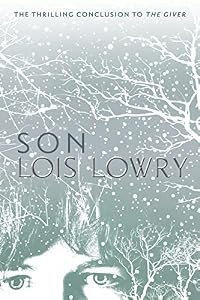
Lois Lowry (nee Lois Ann Hammersberg) was born on March 20, 1937, in Honolulu, Hawaii. She was educated at both Brown University and the University of Southern Maine. Before becoming an author, she worked as a photographer and a freelance journalist. Her first book, A Summer to Die, was published in 1977. Since then she has written over 30 books show more for young adults including Gathering Blue, Messenger, the Anastasia Krupnik series, and Son. She has received numerous awards including: The New York Times Best Seller,the International Reading Association's Children's Literature Award, the American Library Association Notable Book Award Citation and two Newberry Medals for Number the Stars in 1990, and The Giver in 1993. She was also awarded an honorary Doctorate of Letters by Brown University in 2014. The Giver is part of a Quartet of books; it is the first book, followed by Gathering Blue, messenger and Son. The Giver has been met with a diversity of reactions from schools in America, some of which have adopted it as a part of the mandatory curriculum, while others have prohibited the book's inclusion in classroom studies. It was also made into a feature film of the same name released in 2014. Lois Lowry also made the Hans Christian Andersen Awards 2016 finalists in the author category. (Bowker Author Biography) show less
Some Editions
Awards and Honors
Awards
Distinctions
Notable Lists
Series
Belongs to Publisher Series
dtv junior extra (78110)
Work Relationships
Is contained in
Has the adaptation
Has as a study
Has as a student's study guide
Has as a teacher's guide
Common Knowledge
- Canonical title
- The Giver
- Original title
- The Giver
- Alternate titles*
- Il mondo di Jonas
- Original publication date
- 1993
- People/Characters
- Jonas (11 to 12 years old); Gabriel (a baby); The Giver (he holds the memories of the Community); Lily (7 years old, Jonas' sister); Fiona (Jonas' dear friend and classmate); Asher (Jonas' best friend and classmate) (show all 9); Jonas and Lily's Father (a nurturer); Jonas and Lily's Mother (has an important job); Rosemary (the Giver's previous apprentice)
- Important places
- The Community (fictional)
- Related movies
- The Giver (2014 | IMDb)
- Dedication
- For all the children
To whom we entrust the future - First words
- It was almost December, and Jonas was beginning to be frightened.
- Quotations
- His mind reeled. Now, empowered to ask questions of utmost rudeness- and promised answers- he could, conceivably (though it was almost unimaginable), ask someone, some adult, his father perhaps: "Do you lie?" But he had no wa... (show all)y of knowing if the answer he received were true.
We really have to protect people from wrong choices.
But everyone would be burdened and pained. They don't want that. And that's the real reason The Receiver is so vital to them, and so honored. They selected me-- and you--to lift that burden from themselves.
Jonas did not want to go back. He didn't want the memories, didn't want the honor, didn't want the wisdom, didn't want the pain. He wanted his childhood again, his scraped knees and ball games.
Sometimes I wish they'd ask for my wisdom more often-there are so many things I could tell them; things I wish they would change. But they don't want change. Life here is so orderly, so predictable-so painless. It's what they... (show all)'ve chosen.
Things could be different. I don't know how, but there must be a way for some things to be different. There could be colors. - Last words
- (Click to show. Warning: May contain spoilers.)But perhaps it was only an echo.
- Publisher's editor
- Lorraine, Walter
- Original language
- English
*Some information comes from Common Knowledge in other languages. Click "Edit" for more information.
Classifications
- Genres
- Kids, Fiction and Literature, Young Adult, Teen
- DDC/MDS
- 813.54 — Literature & rhetoric American literature in English American fiction in English 1900-1999 1945-1999
- LCC
- PZ7 .L9673 .G — Language and Literature Fiction and juvenile belles lettres Fiction and juvenile belles lettres Juvenile belles lettres
- BISAC
Statistics
- Members
- 46,530
- Popularity
- 50
- Reviews
- 1,682
- Rating
- (4.15)
- Languages
- 20 — Catalan, Czech, Danish, Dutch, English, Estonian, French, German, Hungarian, Italian, Japanese, Korean, Norwegian (Bokmål), Polish, Spanish, Swedish, Thai, Turkish, Portuguese (Portugal), Chinese, traditional
- Media
- Paper, Audiobook, Ebook
- ISBNs
- 189
- UPCs
- 1
- ASINs
- 72