On This Page
Description
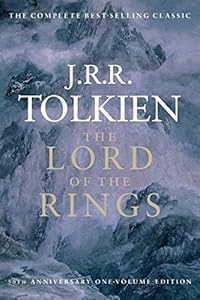
In ancient times the Rings of Power were crafted by the Elven-smiths, and Sauron, The Dark Lord, forged the One Ring, filling it with his own power so that he could rule all others. But the One Ring was taken from him, and though he sought it throughout Middle-earth, it remained lost to him. After many ages it fell, by chance, into the hands of the hobbit, Bilbo Baggins. From his fastness in the Dark Tower of Mordor, Sauron's power spread far and wide. He gathered all the Great Rings to him, show more but ever he searched far and wide for the One Ring that would complete his dominion. On his eleventy-first birthday Bilbo disappeared, bequeathing to his young cousin Frodo the Ruling Ring and a perilous quest --- to journey across Middle-earth, deep into the shadow of the Dark Lord, and destroy the Ring by casting it into the Cracks of Doom. THE LORD OF THE RINGS tells of the great quest undertaken by Frodo and the Fellowship of the Ring: Gandalf the Wizard, Merry, Pippin, and Sam, Gimli the Dwarf, Legolas the Elf, Boromir of Gondor, and a tall, mysterious stranger called Strider. show lessTags
Recommendations
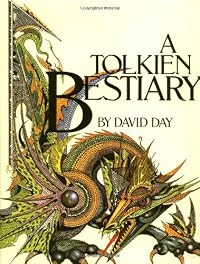
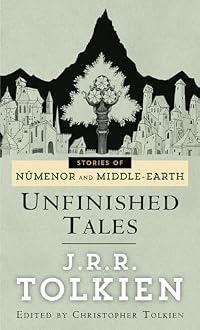
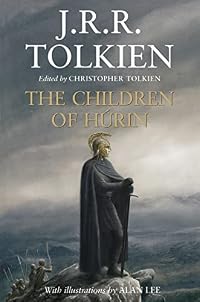
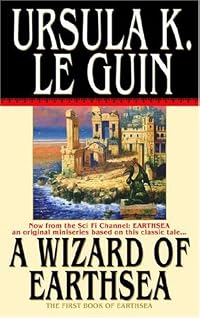



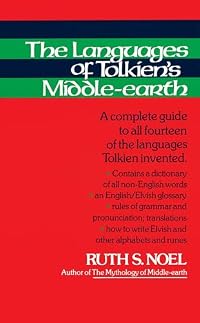
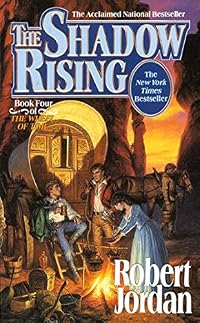
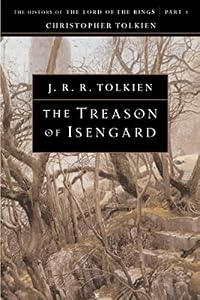
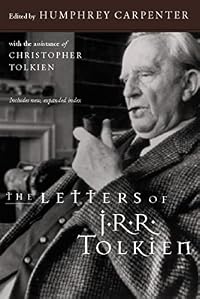
Member Recommendations
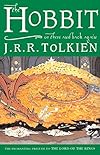
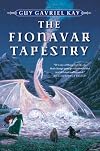
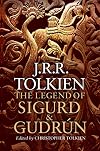

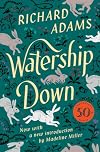
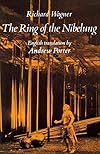
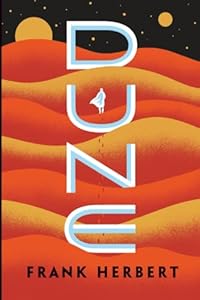
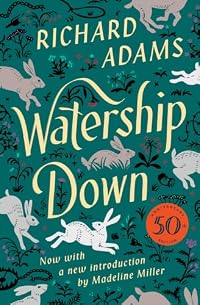
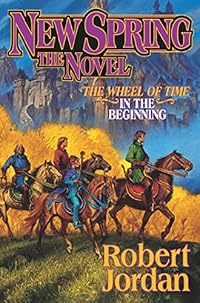
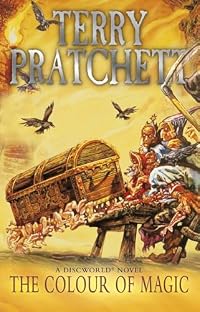
TomWaitsTables Guy forges a ring of power. Everyone who refused to give up the ring has it taken away from them and they die, sooner or later. Except for Wotan, the only person to give it up voluntarily.
62
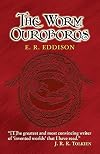
DCBlack Tolkien himself gave Eddison high praise, saying he was "The greatest and most convincing writer of 'invented worlds' that I have read". Of Eddison's best known works, 'The Worm Ouroboros' is the place to start. If you like it you may want to try his Zimiamvia trilogy too.
74
anonymous user Great alternate history version of the Middle Earth saga--told from the 'evil' Mordor side.
54
Mildegard Poems are an important part of "Cold Obsidian" the same way they are an important part of LOTR.
Relationships between characters are caring in both books.
Member Reviews
Un genio, un pazzo. Il Signore degli Anelli è un libro talmente complesso che è pressoché impossibile apprezzarlo appieno alla prima lettura. Rileggerlo dopo aver letto lo Hobbit, il Silmarillion, e i vari Racconti della Terra di Mezzo mi ha aperto gli occhi su aspetti prima assolutamante indecifrabili e che sembravano fini a se stessi. Tolkien è stato in grado di creare un universo, niente di meno. Da leggere e rileggere.
And so it came to pass, I now have reached a place where I am rereading The Lord Of The Rings every few years. Impossible though it may be to recapture the aching longing of the first time, I am at least better able to appreciate the writing and the thematic concerns and the evocation of the world and landscape. Or at least I flatter myself that I am. Strangest of all on this reread was finding myself as an outpatient at a clinic in Limerick's Regional Hospital for a few hours - my very first read of the trilogy coincided with a teenage trip to the Regional to have my appendix removed. Roughly the same time of the year as well.
Oh well. Our youthfulness has sailed on into the West, never to return and we stand now in the Middle Age of show more Man. It's nice that this thing that excited our childish mind now consoles our more wearied adulthood, on occasion. It's not a bad ambition, to want to turn more hobbity, and enjoy the finer things in life, like food and dink and good friends and family. Teeangers can go off and be Aragorn. The rest of us can take our ease in the Green Dragon for awhile. show less
Oh well. Our youthfulness has sailed on into the West, never to return and we stand now in the Middle Age of show more Man. It's nice that this thing that excited our childish mind now consoles our more wearied adulthood, on occasion. It's not a bad ambition, to want to turn more hobbity, and enjoy the finer things in life, like food and dink and good friends and family. Teeangers can go off and be Aragorn. The rest of us can take our ease in the Green Dragon for awhile. show less
When I was nine years old, I came far too close to being a footnote. Double pneumonia had me knocked flat for months, trapped in bed like a prisoner with nothing but homework and my own wheezing to keep me company. My parents — both readers, both wise in the ways of boredom — began ferrying books from their shelves to my bedside. Classics. Adventures. Anything to keep a sick kid’s imagination from turning on itself.
Then one day they brought me The Hobbit… followed by The Lord of the Rings.
And that was it.
The world cracked open.
Tolkien didn’t just give me a story; he gave me a place to live while my lungs slowly remembered their job. His language was deeper than anything I’d ever read, his characters carried more heart than show more most adults I knew, and the sheer scale of Middle-earth made my small room feel suddenly, mercifully enormous.
This was long before Peter Jackson turned the trilogy into a global phenomenon. Back then, loving Tolkien felt like having a secret map folded under your pillow — one only a few strange and lucky souls had discovered.
And the mark it left on me didn’t fade.
Years later, when my own daughter arrived in this world, I didn’t have to think twice about her name. At the end of the saga, Samwise struggles to choose a name for his first daughter until Frodo gently suggests “Elanor,” the little golden flower carpeting Lothlórien. A simple name, rooted in loyalty, beauty, and hope.
I promised myself at nine years old that if I ever had a daughter, that’s what I’d name her.
And I did.
So yes — I owe a lot to these books.
They kept me company when I almost slipped away.
They shaped the way I see story, courage, friendship, and light.
And they even left their fingerprint on my family tree.
Is it a perfect series? Sure… decades later, I still say yes without hesitation.
But more importantly: it was exactly the world I needed when my own was shrinking.
For that, I’ll be grateful as long as I’m reading… which, let’s be honest, is probably until I’m older than Gandalf. show less
Then one day they brought me The Hobbit… followed by The Lord of the Rings.
And that was it.
The world cracked open.
Tolkien didn’t just give me a story; he gave me a place to live while my lungs slowly remembered their job. His language was deeper than anything I’d ever read, his characters carried more heart than show more most adults I knew, and the sheer scale of Middle-earth made my small room feel suddenly, mercifully enormous.
This was long before Peter Jackson turned the trilogy into a global phenomenon. Back then, loving Tolkien felt like having a secret map folded under your pillow — one only a few strange and lucky souls had discovered.
And the mark it left on me didn’t fade.
Years later, when my own daughter arrived in this world, I didn’t have to think twice about her name. At the end of the saga, Samwise struggles to choose a name for his first daughter until Frodo gently suggests “Elanor,” the little golden flower carpeting Lothlórien. A simple name, rooted in loyalty, beauty, and hope.
I promised myself at nine years old that if I ever had a daughter, that’s what I’d name her.
And I did.
So yes — I owe a lot to these books.
They kept me company when I almost slipped away.
They shaped the way I see story, courage, friendship, and light.
And they even left their fingerprint on my family tree.
Is it a perfect series? Sure… decades later, I still say yes without hesitation.
But more importantly: it was exactly the world I needed when my own was shrinking.
For that, I’ll be grateful as long as I’m reading… which, let’s be honest, is probably until I’m older than Gandalf. show less
how do i review this book? i have read it uncounted times (10? 12? more?) since a friend introduced me to it when i was 12. it has a central place not only in my literature journey but in my philosophy of life and has been a cornerstone of a legacy i hope to have imparted to my children. i find wisdom and uplift and joy in the Lord of the Rings. every time i read it, i find deeper meaning, hidden humor, unexpected insight into human psychology, and more. he was not a seer or oracle or guru, but a world-builder on par with no one and a storyteller unlike anyone else i know of. there are other authors whose stringing of words together transcends to poetry such that i could not care less about what content they intend to convey. not so, show more Tolkien. on occasion, he crafted some of the most beautiful turns of phrase that i have ever read. Like this spoken by Gandalf to Eomer about Eowyn:
“But who knows what she spoke to the darkness, alone, in the bitter watches of the night, when all her life seemed shrinking, and the walls of her bower closing in about her, a hutch to trammel some wild thing in.”
or this simple line when Gandalf tells Aragorn, Legolas, and Gimli of his battle with the Balrog:
“I threw down my enemy, and he fell from the high place and broke the mountain-side where he smote it in his ruin.”
there are several other quotes i could highlight but i have always loved these two.
but most of his prose did not rise to those lofty reaches. no, his mastery lay in twining relationships between events, concepts, personalities, and settings that conjured something transcending storytelling. he used oft-simple prose to do this, forcing the reader to see beyond the mere words into the mind of the author, an endlessly layered world projecting backwards into mythic time and reason, relaying archetypical tropes that speak to us on an atavistic level. the reality he brought to life satisfies at the deepest roots of our souls. he takes us back to before the dawn of time to explain magic and power and souls and will and matter all merge into the mind and “music” of Illuvatar who then manifests that music in Arda, the world that is. despite his writing in the fantasy realm, i feel as though he really did tap into deeper truths where the underlying nature of reality has an understanding and an answer.the mythopoeic characters and their plights take us on journeys through the immense geography and cultures of Middle Earth, certainly, but also through archetypical human experiences that Joseph Campbell and Carl Jung described in scholarly fashion. instead of being an overtly Christian construct, as many of its themes indicate and Tolkien might have intended, it ends up more akin to Hindu teachings in the sense of the deeper interconnectedness of all things.
again, he brought this to us through persons, events, places, and how they interrelate. i see the entirety of his Middle-Earth writings as his Arda. he composed a vast symphony in his mind that he sought to bring forth into the world and could only do so through words, through storytelling. so, everything flows and connects and is internally consistent because he began with the utmost inception of all things and spooled everything from there. most authors who build worlds do not do this and so they often write themselves into corners because they lack those deeper, internal consistencies that Tolkien had as the foundations of everything that happened in his world. he said that he loved history rather than allegory and that use of the historian’s tools on fictional myths led him to this tightly woven fabric i described above.
i have heard people over the years complain about Tolkien spending “pages on describing a single leaf” and how that caused them to find it “boring” and not worth their time. their hyperbole has always saddened me in that they miss the point and do not see the ecosystem for the leaves. he wrote a travel log for us to see his Middle Earth from the ground. he took us on a walk in his fair hills and valleys with the characters he loved most. he set the setting with finer description than most, but it truly added to the sense of being with the characters - especially Sam and Frodo as they made their bleak and desperate journey to Mordor. this also provides a sense of what is worth preserving through bitter actions and violent warring. again, he is giving us a deeper meaning to everything done by our characters by grounding it solidly in the beauty and diversity of Middle Earth. ultimately, humans, elves, dwarves, ents, etc. do not fight for glory or hubris but for the preservation of Illuvatar’s song. to wrest it from the discordant notes of the Enemy- Sauron, and before him, Morgoth. to keep the symphonic tapestry from unraveling. so, when the well-being of orcs and trolls and other “fell creatures” is ignored by the WIse, it is because they are instruments of that cacophony seeking to disrupt. stopping them represents an act of preservation rather than that of bloodlust or politics.
ah, but i wax scholarly and philosophical. the adventure that unfolds in the book has merit in and of itself in the shallowest literary sense: a diversity of characters, mysteries, twists, goals, troubles, and ecstasies. we have so many interesting things to watch and participate in by proxy. things of mythic and epic proportion that have us cheering out loud or tearing up but never dull. some of the scenes and characters have become tropes and even cliches in our explicate culture, iconic and metaphorical like Greek, Norse, Hebrew, or even Star Trek myth. it has inspired or spawns innumerable cultural artifacts: RPGs (eg D&D), the fantasy genre itself (including some aggressive “borrowing”), and, of course, movies. of the Peter Jackson movies i will only say this in a book review: while they are themselves masterpieces which capture the feel of Middle Earth, much like Morgoth, they twist and muddle something already created resulting in a lesser, corrupted form. i can list more than a dozen places where they openly rebuke Tolkien’s meaning, missing the point entirely, sacrificing a much more engaging and profound on-screen scene for… what? fans of the book will know what i mean. ah, well, i love them still.
i don’t know if this review will spark anyone to read the Lord of the Rings or think of it differently, but the task of writing a review of the book that has had such a deep and lasting influence on me proved daunting to say the least. i do not think i could ever adequately convey the complexities of my relationship to this book in a short review. show less
“But who knows what she spoke to the darkness, alone, in the bitter watches of the night, when all her life seemed shrinking, and the walls of her bower closing in about her, a hutch to trammel some wild thing in.”
or this simple line when Gandalf tells Aragorn, Legolas, and Gimli of his battle with the Balrog:
“I threw down my enemy, and he fell from the high place and broke the mountain-side where he smote it in his ruin.”
there are several other quotes i could highlight but i have always loved these two.
but most of his prose did not rise to those lofty reaches. no, his mastery lay in twining relationships between events, concepts, personalities, and settings that conjured something transcending storytelling. he used oft-simple prose to do this, forcing the reader to see beyond the mere words into the mind of the author, an endlessly layered world projecting backwards into mythic time and reason, relaying archetypical tropes that speak to us on an atavistic level. the reality he brought to life satisfies at the deepest roots of our souls. he takes us back to before the dawn of time to explain magic and power and souls and will and matter all merge into the mind and “music” of Illuvatar who then manifests that music in Arda, the world that is. despite his writing in the fantasy realm, i feel as though he really did tap into deeper truths where the underlying nature of reality has an understanding and an answer.the mythopoeic characters and their plights take us on journeys through the immense geography and cultures of Middle Earth, certainly, but also through archetypical human experiences that Joseph Campbell and Carl Jung described in scholarly fashion. instead of being an overtly Christian construct, as many of its themes indicate and Tolkien might have intended, it ends up more akin to Hindu teachings in the sense of the deeper interconnectedness of all things.
again, he brought this to us through persons, events, places, and how they interrelate. i see the entirety of his Middle-Earth writings as his Arda. he composed a vast symphony in his mind that he sought to bring forth into the world and could only do so through words, through storytelling. so, everything flows and connects and is internally consistent because he began with the utmost inception of all things and spooled everything from there. most authors who build worlds do not do this and so they often write themselves into corners because they lack those deeper, internal consistencies that Tolkien had as the foundations of everything that happened in his world. he said that he loved history rather than allegory and that use of the historian’s tools on fictional myths led him to this tightly woven fabric i described above.
i have heard people over the years complain about Tolkien spending “pages on describing a single leaf” and how that caused them to find it “boring” and not worth their time. their hyperbole has always saddened me in that they miss the point and do not see the ecosystem for the leaves. he wrote a travel log for us to see his Middle Earth from the ground. he took us on a walk in his fair hills and valleys with the characters he loved most. he set the setting with finer description than most, but it truly added to the sense of being with the characters - especially Sam and Frodo as they made their bleak and desperate journey to Mordor. this also provides a sense of what is worth preserving through bitter actions and violent warring. again, he is giving us a deeper meaning to everything done by our characters by grounding it solidly in the beauty and diversity of Middle Earth. ultimately, humans, elves, dwarves, ents, etc. do not fight for glory or hubris but for the preservation of Illuvatar’s song. to wrest it from the discordant notes of the Enemy- Sauron, and before him, Morgoth. to keep the symphonic tapestry from unraveling. so, when the well-being of orcs and trolls and other “fell creatures” is ignored by the WIse, it is because they are instruments of that cacophony seeking to disrupt. stopping them represents an act of preservation rather than that of bloodlust or politics.
ah, but i wax scholarly and philosophical. the adventure that unfolds in the book has merit in and of itself in the shallowest literary sense: a diversity of characters, mysteries, twists, goals, troubles, and ecstasies. we have so many interesting things to watch and participate in by proxy. things of mythic and epic proportion that have us cheering out loud or tearing up but never dull. some of the scenes and characters have become tropes and even cliches in our explicate culture, iconic and metaphorical like Greek, Norse, Hebrew, or even Star Trek myth. it has inspired or spawns innumerable cultural artifacts: RPGs (eg D&D), the fantasy genre itself (including some aggressive “borrowing”), and, of course, movies. of the Peter Jackson movies i will only say this in a book review: while they are themselves masterpieces which capture the feel of Middle Earth, much like Morgoth, they twist and muddle something already created resulting in a lesser, corrupted form. i can list more than a dozen places where they openly rebuke Tolkien’s meaning, missing the point entirely, sacrificing a much more engaging and profound on-screen scene for… what? fans of the book will know what i mean. ah, well, i love them still.
i don’t know if this review will spark anyone to read the Lord of the Rings or think of it differently, but the task of writing a review of the book that has had such a deep and lasting influence on me proved daunting to say the least. i do not think i could ever adequately convey the complexities of my relationship to this book in a short review. show less
The Lord of the Rings
J.R.R. Tolkien
Houghton-Mifflin
I cut class for the first time when I was 9 years old. As my class was marching off to music I slipped out of line and headed to the girl's bathroom. To read a book. I was taken away to Middle-Earth and I have returned once a year every year since, and while how I read the book has changed, my love for it has not. I know that many people simply don't like this book, particularly since the movies came out and brought along a new group of fans who were dismayed to discover that movies and books are entirely different entities. I consider myself lucky that I discovered the book first. I had read The Hobbit and was stoked about continuing the story. I've always been a sucker for a quest, show more whether is was The Phantom Tollbooth, Huckleberry Finn or the Odyssey. Once I started I couldn't put it down. I loved it unreservedly.
One of the strongest complaints about the book has been Tolkien's prose. He loved language and words and his prose reflects this. I pestered my parents and after they had had enough, the school librarian about these new words, words like weregild, bane, dwimmer, abyss, wroth, etc, words that blew my 4th grade mind wide open. And old ones used in new ways, how could something be fell and not lying on the ground for example. There are passages that move me incredibly to this day because of the language used to write them. For example in writing about the arrival of the Rohirrim led by King Theoden to the siege of Gondor: “... the battle-fury of his fathers ran like new fire in his veins, and he was borne up on Snowmane like a god of old, even as Orome the Great in the battle of Valar when the world was young. His golden shield was uncovered and lo!it shone like an image of the Sun, and the grass flamed into green about the white feet of his steed. For morning came, morning and a wind from the sea; and darkness was removed, and the hosts of Mordor wailed, and terror took them and they fled, and the hoofs of wrath rode over them.”
A lot of people are also put off by the amount of poetry in the book, this is blasphemy probably but I'd say skip it if that's the only reason to not read it. Tolkien himself slyly recognizes that the poetry could be a slog when he has guests at Bilbo's party sit dreading the possibility that Bilbo would break into verse. I've read all of the poetry and enjoyed it but it's not really necessary to understanding the book. The only possible exception would probably be the poem about Beren and Luthien and even that just deepens the story but wouldn't ruin it if you skipped it.
I've also heard and agree with the complaints about the inherent racism of the books. However I don't think it's as straightforward as it's been made out. It is true that to be noble in Middle-Earth you must be very tall and very pale unless, of course, you are one of the literally down-to earth hobbits and if you were evil you were likely dark skinned, short and from the south. But even while he calls the men of the east and south lesser he admits that they have more sense than the nobility who sit longing for a time that will never come again (the elves) or let themselves dwindle in a search for immortality (the 'high men of the west'). It is no accident that the ring wraiths themselves were 'high men'. But of course many books are filled with racism (and all sorts of other isms) sometimes deliberately and maliciously (Mein Kampf, The Turner Diaries) sometimes to make a point (To Kill a Mocking Bird, Harry Potter) and I still read them if only to know my enemy, and despite it's lack of political correctness I still read this one, because the story itself is simply too good to give up.
At it's most basic this is a story about a group of friends who want to save the world. The whole quest rests on friendship. That between the four hobbits themselves and between them and people they meet along the way people that they become willing to die for. Gandalf and Bilbo and Frodo, Merry and Theoden, Aragorn and all four hobbits, Legolas and Gimli, Aragorn and Eomer, the list goes on and on but of course it's the friendship between Sam and Frodo that saves the day. I admit that Sam is my favorite character (along with Merry, Gandalf and Faramir). He manages to get Frodo to the top of Mount Doom and he does it while eating less, drinking less, sleeping less and, to be honest, complaining less. I like Frodo but he does become a little tiresome by the time the ring goes into the fire. This is also a book about just getting on with it and enduring even without hope, even when it would be easier to lay down and die, which is as relevant today, maybe more so, than when it was first published. I can't wait to read it again. show less
J.R.R. Tolkien
Houghton-Mifflin
I cut class for the first time when I was 9 years old. As my class was marching off to music I slipped out of line and headed to the girl's bathroom. To read a book. I was taken away to Middle-Earth and I have returned once a year every year since, and while how I read the book has changed, my love for it has not. I know that many people simply don't like this book, particularly since the movies came out and brought along a new group of fans who were dismayed to discover that movies and books are entirely different entities. I consider myself lucky that I discovered the book first. I had read The Hobbit and was stoked about continuing the story. I've always been a sucker for a quest, show more whether is was The Phantom Tollbooth, Huckleberry Finn or the Odyssey. Once I started I couldn't put it down. I loved it unreservedly.
One of the strongest complaints about the book has been Tolkien's prose. He loved language and words and his prose reflects this. I pestered my parents and after they had had enough, the school librarian about these new words, words like weregild, bane, dwimmer, abyss, wroth, etc, words that blew my 4th grade mind wide open. And old ones used in new ways, how could something be fell and not lying on the ground for example. There are passages that move me incredibly to this day because of the language used to write them. For example in writing about the arrival of the Rohirrim led by King Theoden to the siege of Gondor: “... the battle-fury of his fathers ran like new fire in his veins, and he was borne up on Snowmane like a god of old, even as Orome the Great in the battle of Valar when the world was young. His golden shield was uncovered and lo!it shone like an image of the Sun, and the grass flamed into green about the white feet of his steed. For morning came, morning and a wind from the sea; and darkness was removed, and the hosts of Mordor wailed, and terror took them and they fled, and the hoofs of wrath rode over them.”
A lot of people are also put off by the amount of poetry in the book, this is blasphemy probably but I'd say skip it if that's the only reason to not read it. Tolkien himself slyly recognizes that the poetry could be a slog when he has guests at Bilbo's party sit dreading the possibility that Bilbo would break into verse. I've read all of the poetry and enjoyed it but it's not really necessary to understanding the book. The only possible exception would probably be the poem about Beren and Luthien and even that just deepens the story but wouldn't ruin it if you skipped it.
I've also heard and agree with the complaints about the inherent racism of the books. However I don't think it's as straightforward as it's been made out. It is true that to be noble in Middle-Earth you must be very tall and very pale unless, of course, you are one of the literally down-to earth hobbits and if you were evil you were likely dark skinned, short and from the south. But even while he calls the men of the east and south lesser he admits that they have more sense than the nobility who sit longing for a time that will never come again (the elves) or let themselves dwindle in a search for immortality (the 'high men of the west'). It is no accident that the ring wraiths themselves were 'high men'. But of course many books are filled with racism (and all sorts of other isms) sometimes deliberately and maliciously (Mein Kampf, The Turner Diaries) sometimes to make a point (To Kill a Mocking Bird, Harry Potter) and I still read them if only to know my enemy, and despite it's lack of political correctness I still read this one, because the story itself is simply too good to give up.
At it's most basic this is a story about a group of friends who want to save the world. The whole quest rests on friendship. That between the four hobbits themselves and between them and people they meet along the way people that they become willing to die for. Gandalf and Bilbo and Frodo, Merry and Theoden, Aragorn and all four hobbits, Legolas and Gimli, Aragorn and Eomer, the list goes on and on but of course it's the friendship between Sam and Frodo that saves the day. I admit that Sam is my favorite character (along with Merry, Gandalf and Faramir). He manages to get Frodo to the top of Mount Doom and he does it while eating less, drinking less, sleeping less and, to be honest, complaining less. I like Frodo but he does become a little tiresome by the time the ring goes into the fire. This is also a book about just getting on with it and enduring even without hope, even when it would be easier to lay down and die, which is as relevant today, maybe more so, than when it was first published. I can't wait to read it again. show less
It is hard to write a review of a book that means so much to me, so I won't attempt it.
I first read "The Hobbit" and "The Lord of the Rings" almost exactly twenty years ago, shortly before the first Peter Jackson movie came into cinemas, and they swept me away. I had loved fantasy books - especially Narnia - before, but nothing came remotely close to this.
I was fifteen years old and became what today you would call a total nerd. Since then, the books (and other writings of Tolkien) have provided me with refuge and solace and are one of the few constants in my life, and a huge influence as well.
So what now - what did my sixth read of the book that started it all bring?
Once more I was drawn into the story, was moved and touched, and I show more laughed and cried, admired Tolkien's words, discovered things I hadn't seen before, and, maybe because I am a little older, I enjoyed the language and the literary crafting even more than before. I felt at home and it felt indeed like coming back after a long time.
But much more than this I took hope from the book. Because sometimes I feel like we are going into dark times right now, times that I would never have expected just a short while ago, with a pandemic, right-wing movements on the rise, the climate crisis, so many things changing that I would not have thought possible. And in these times the story of the hobbits gave me courage and brought me light. We have to look at the good that is left in the world. show less
I first read "The Hobbit" and "The Lord of the Rings" almost exactly twenty years ago, shortly before the first Peter Jackson movie came into cinemas, and they swept me away. I had loved fantasy books - especially Narnia - before, but nothing came remotely close to this.
I was fifteen years old and became what today you would call a total nerd. Since then, the books (and other writings of Tolkien) have provided me with refuge and solace and are one of the few constants in my life, and a huge influence as well.
So what now - what did my sixth read of the book that started it all bring?
Once more I was drawn into the story, was moved and touched, and I show more laughed and cried, admired Tolkien's words, discovered things I hadn't seen before, and, maybe because I am a little older, I enjoyed the language and the literary crafting even more than before. I felt at home and it felt indeed like coming back after a long time.
But much more than this I took hope from the book. Because sometimes I feel like we are going into dark times right now, times that I would never have expected just a short while ago, with a pandemic, right-wing movements on the rise, the climate crisis, so many things changing that I would not have thought possible. And in these times the story of the hobbits gave me courage and brought me light. We have to look at the good that is left in the world. show less
5.0 - this is the first perfect score I’ve given on Goodreads.
The world Tolkien has created (not just with The Lord of the Rings) is stunning. What may nowadays be seen as classical, tropy Fantasy is groundbreaking and stands strong at the forefront of what this genre has grown into today. Tolkien’s prose shows his mastery of language and remains lovely to read. The songs and myths that live and breathe in Middle-Earth enhance the journey of the Fellowship beyond what most other writers are capable of.
And Tom Bombadil is great.
I will happily continue to re-read all of Tolkien’s work every five or so years.
The world Tolkien has created (not just with The Lord of the Rings) is stunning. What may nowadays be seen as classical, tropy Fantasy is groundbreaking and stands strong at the forefront of what this genre has grown into today. Tolkien’s prose shows his mastery of language and remains lovely to read. The songs and myths that live and breathe in Middle-Earth enhance the journey of the Fellowship beyond what most other writers are capable of.
And Tom Bombadil is great.
I will happily continue to re-read all of Tolkien’s work every five or so years.
Members
- Recently Added By
Lists

The Guardian's 1000 Novels Everyone Must Read
1,005 works; 549 members

1001 Books You Must Read Before You Die
1,448 works; 1,131 members

Best Fantasy Novels
821 works; 357 members

Top-Rated Books on LibraryThing
272 works; 117 members

Classics you know you should have read but probably haven't
421 works; 407 members

Favorite Childhood Books
1,602 works; 516 members
Favourite Books
1,817 works; 311 members
BBC Big Read
191 works; 45 members
Favorite Long Books
330 works; 42 members

Favorite Series
238 works; 94 members

Le Monde - Les 100 livres du siècle
121 works; 25 members
Favourite High Fantasy Books
113 works; 23 members
20th Century Literature
1,161 works; 55 members

Best Books About Journeys and Quests
117 works; 30 members
Newsweek's Top 100 Books: The Meta-List
100 works; 18 members

The Top Ten: Writers Pick Their Favorite Books
240 works; 31 members
Gateway Book: Fantasy
19 works; 34 members

Books I've Read More Than Once
602 works; 49 members
Best of British Literature
226 works; 41 members
BBC's 100 Novels That Shaped Our World
100 works; 22 members

The Telegraph's 110 Best Books: The Perfect Library
101 works; 17 members
Folio Society
831 works; 49 members
PBS The Great American Read
100 works; 21 members

Recommend the 20 best books you've read in the last five years
2,167 works; 605 members

Books That Made Me Cry
199 works; 104 members

The Guardian's 100 greatest novels of all time
100 works; 16 members

Pleasant Surprises: Books That Exceeded Our Expectations
418 works; 143 members
Survey of Science Fiction and Fantasy
101 works; 13 members
BBC Big Read
100 works; 10 members
Epic Fiction
42 works; 12 members
Bibliography for Among Others
159 works; 15 members

Top Five Books of 2022
736 works; 272 members
Time's All-Time 100 Novels
100 works; 27 members
Best SciFi and Fantasy Classics
53 works; 6 members

Top Five Books of 2014
1,064 works; 397 members

Nonhuman Protagonists
235 works; 34 members

Elevenses
316 works; 88 members

Cawthorn and Moorcock's Fantasy: The 100 Best Books
110 works; 7 members
Books tagged favorites
390 works; 30 members
Twentieth Century Greatest Hits
27 works; 10 members

Childhood Favorites
427 works; 24 members

Top Five Books of 2021
604 works; 180 members

David Pringle's Modern Fantasy: The 100 Best Novels
100 works; 5 members

Mensa for Kids Excellence in Reading Award Program (Grades 9-12)
116 works; 4 members
Books with Noble Titles
179 works; 11 members

Epic Fantasy
12 works; 7 members
Blue Pyramid 1,276 Best Books of All Time
1,248 works; 32 members

Top Five Books of 2017
757 works; 230 members

Fake Top 100 Fiction
81 works; 4 members
Movie Adaptations
111 works; 4 members
Speculative Fiction to Read
706 works; 32 members
Five star books
1,755 works; 108 members
Mensa for Kids Excellence in Reading Award Program (Grades 9-12)
116 works; 3 members

Fantasy: The 100 Best Books
11 works; 3 members

Books Read in 2023
5,547 works; 144 members

Huxley's reading log 2016
84 works; 3 members

Rory Gilmore Book Club
193 works; 5 members

Formative books
20 works; 4 members
The Guardian's best novels in English: Readers' alternative list
15 works; 2 members
My 100 Favorite Books of All Time
57 works; 2 members
End of Your Life Book Club
134 works; 4 members
Stories of Good Versus Evil
22 works; 7 members

Authors from England
147 works; 4 members
Fantasy Books I have read or want to read
3 works; 1 member

100 books that changed the world
31 works; 2 members

Pageturners
40 works; 6 members
Literature which inspired Pop songs
85 works; 9 members
Books on my Kindle
162 works; 3 members

99 Bücher, die man gelesen haben muss
37 works; 1 member

Plan to Read Books
75 works; 1 member

Books Read in 2020
4,379 works; 124 members

Books Read in 2017
4,248 works; 130 members

Must read
30 works; 2 members

Favorite Books from the 1950s
33 works; 2 members

Books Read in 2022
5,164 works; 113 members
http://thegreatestbooks.org's Greatest Fiction Books
59 works; 1 member

Shelf 101
60 works; 1 member

Favorite Kids Books (chapter, middle grade)
168 works; 4 members

Books That Changed Our Perspective
423 works; 166 members
Our Favorite Comfort Reads
334 works; 200 members

DigitalDreamDoor top 300
300 works; 4 members
Book Worlds We'd Like To Visit
322 works; 158 members
The Complete Rory Gilmore Reading List
506 works; 5 members
Books We Couldn't Put Down
443 works; 197 members

2024-2025 Ezra Klein Guest Recommendations
213 works; 5 members
Widely acclaimed, one book per year
105 works; 3 members

.
194 works; 2 members

Books We Loved As Children
603 works; 252 members

Take Four Books
131 works; 1 member

The "A" List
67 works; 8 members

Books in the Bibliography of Humans: A Monstrous History by Surekha Davies
346 works; 1 member
Books We Want To Read Again For The First Time
384 works; 160 members

Books referenced in the Astral Library
60 works; 1 member
The Five Books That Represent Us
389 works; 146 members
School Made Us Read It
380 works; 196 members
.
396 works; 1 member
Recommendations by Peter Kreeft
45 works; 4 members

EGBERTINA'S List of childhood books worthy of merit or unspeakable delight
155 works; 6 members

Ambleside Year 7
69 works; 1 member
NPR Books You Love: Books That Shaped You in High School
26 works; 1 member
Books talked about in Pamela Dean's Tam Lin
74 works; 1 member

Gen X Library
245 works; 4 members

Libertarian Books
102 works; 19 members
The 150 Greatest Novels of All Time
150 works; 6 members
Our Favorite Banned Books
138 works; 122 members
Read
28 works; 1 member
Mythic Fantasy
2 works; 2 members
Antiheroes
17 works; 3 members

Books Read in 2018
4,360 works; 110 members
Best Book and Movie Combos
70 works; 11 members
Ambleside Books
459 works; 18 members

Nifty Fifties
129 works; 14 members
1001 Children's Books You Must Read Before You Grow Up
774 works; 100 members
Books mentioned in Fire and Hemlock by Diana Wynne Jones
33 works; 1 member
Books tagged unread
41 works; 1 member
Books Mentioned in the A+ Autostraddle Pop Up Discords Nov 2022 & Dec 2022
223 works; 3 members

Greatest Books, allegedly
484 works; 9 members
Science Fiction and Fantasy
63 works; 4 members
Books We'd Want on a Desert Island
203 works; 131 members

Great Films Based on Books
319 works; 140 members

LIDOS
37 works; 1 member

Books I recommend to everyone
29 works; 1 member

Recommended Reading List
219 works; 1 member
Books We Love to Reread
688 works; 296 members
Banned Books I have read
16 works; 2 members

Books We Resisted Reading
173 works; 102 members

1950s
340 works; 22 members
Best Children's Books You've Read
197 works; 74 members

Unread books
1,063 works; 85 members
Talk Discussions
Past Discussions
Lord of the Rings LE 2022 in Folio Society Devotees (November 2024)
Tolkien Lord of the Rings DLE in Easton Press Collectors (September 2024)
Lord of the Rings LE Copy No.1 on eBay UK in Folio Society Devotees (July 2023)
LoTR Limited Edition in Folio Society Devotees (April 2023)
OT - New Edition of LoTR with Tolkien illustrations in Folio Society Devotees (October 2022)
Tolkien's own illustrations appear in LOTR for the first time in Council of Elrond (October 2021)
Lord of the Rings Group Read in 2019 Category Challenge (April 2021)
Author Information

580+ Works 509,670 Members
A writer of fantasies, Tolkien, a professor of language and literature at Oxford University, was always intrigued by early English and the imaginative use of language. In his greatest story, the trilogy The Lord of the Rings (1954--56), Tolkien invented a language with vocabulary, grammar, syntax, even poetry of its own. Though readers have show more created various possible allegorical interpretations, Tolkien has said: "It is not about anything but itself. (Certainly it has no allegorical intentions, general, particular or topical, moral, religious or political.)" In The Adventures of Tom Bombadil (1962), Tolkien tells the story of the "master of wood, water, and hill," a jolly teller of tales and singer of songs, one of the multitude of characters in his romance, saga, epic, or fairy tales about his country of the Hobbits. Tolkien was also a formidable medieval scholar, as evidenced by his work, Beowulf: The Monster and the Critics (1936) and his edition of Anciene Wisse: English Text of the Anciene Riwle. Among his works published posthumously, are The Legend of Sigurd and Gudrún and The Fall of Arthur, which was edited by his son, Christopher. In 2013, his title, TheHobbit (Movie Tie-In) made The New York Times Best Seller List. (Bowker Author Biography) show less
Some Editions
Awards and Honors
Awards
Distinctions
Notable Lists
BBC's Big Read (1)
Whitcoulls Top 100 Books (1 – 2008)
Whitcoulls Top 100 Books (6 – 2010)
Schecks Bücher (3)
Series
The Lord of the Rings (Collections and Selections — 1-3)
Work Relationships
Is contained in
Lord of the Rings Collection:The Hobbit-The Fellowship of the Ring-The Two Towers-Return of the King-The Silmarillion-Unfinished Tales (Lord of the Rings) by J. R. R. Tolkien
Contains
The Treason of Isengard: Being the Third Book of The Lord of the Rings by J. R. R. Tolkien (indirect)
Lord of the Rings Book 5 The Two Towers Part 1-1 {Japanese New Edition} by J. R. R. Tolkien (indirect)
Is retold in
Has the adaptation
Is parodied in
Inspired
Has as a reference guide/companion
Elbisch. Grammatik, Schrift und Wörterbuch der Elben-Sprache von J. R. R. Tolkien by Helmut W. Pesch
Has as a study
The Science of Middle-Earth: Explaining The Science Behind The Greatest Fantasy Epic Ever Told! by Henry Gee
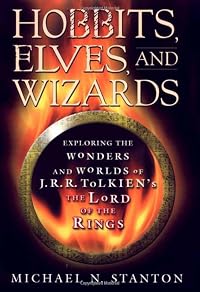
Hobbits, Elves, and Wizards: Exploring the Wonders and Worlds of J.R.R. Tolkien's Lord of the Rings by Michael N. Stanton
Hither Shore Nr. 9 "Tolkiens Einfluss auf die Fantasie": Interdisciplinary Journal on Modern Fantasy Literature - Jahrbuch 2012 der Deutschen Tolkien Gesellschaft e.V. by Thomas Fornet-Ponse
Has as a supplement
Is a commentary on the text of
Has as a commentary on the text
Has as a student's study guide
Common Knowledge
- Canonical title
- The Lord of the Rings
- Original title
- The Lord of the Rings
- Alternate titles*
- Sormuksen ritarit; Kaksi tornia; Kuninkaan paluu
- Original publication date
- 1954
- People/Characters
- Frodo Baggins; Gandalf; Gollum; Bilbo Baggins; Meriadoc "Merry" Brandybuck; Peregrin "Pippin" Took (show all 268); Gimli; Aragorn II; Boromir; Legolas; Galadriel; Éowyn; Théoden; Samwise "Sam" Gamgee; Faramir; Denethor II; Elrond (Half-elven); Haldir of Lórien; Saruman the White; Sauron; Amroth; Anárion; Ancalagon; Argeleb II; Arvedui; Asfaloth; Arwen Undómiel; Angelica Baggins; Dora Baggins; Drogo Baggins; Bain; Balin; Barahir; Beorn; Beren; Queen Berúthiel; Bifur; Bill the Pony; Bob; Falco Boffin; Bofur; Fredegar Bolger; Tom Bombadil; Hugo Bracegirdle; Esmeralda Brandybuck; Gorbadoc Brandybuck; Melilot Brandybuck; Primula Baggins; Rorimac Brandybuck; Milo Brockhouse; Barliman Butterbur; Anborn; Arod; Beechbone; Saradoc Brandybuck; Bregalad "Quickbeam"; Brego; Aldor; Angbor; Rowlie Appledore; Oromë; Baldor; Willie Banks; Baranor; Beregond; Bergil; Celeborn; Celebrían; Celebrimbor; Ceorl; Círdan; Cirion; Tolman "Tom" Cotton; Wilcome "Jolly" Cotton; Lily Cotton; Carl "Nibs" Cotton; Bowman "Nick" Cotton; Rose "Rosie" Gardner née Cotton; Tolman "Young Tom" Cotton; Daeron; Dáin II Ironfoot; Damrod; Durin; Déor; Déagol; Déorwine; Derufin; Dervorin; Dior; Dori; Dwalin; Duilin; Duinhir; Dúnhere; Eärendil; Eärnur; Ecthelion; Varda Elentári; Elendil; Elfhelm; Elladan; Elrohir; Elwing; Éomer; Éomund; Eorl; Éothain; Erkenbrand; Erestor; Fangorn; Fastred; Marcho Fallohide; Blanco Fallohide; Fang; Lumpkin; Fëanor; Bill Ferny; Felaróf; Fengel; Fimbrethil "Wandlimb"; Finglas "Leaflock"; Finduilas; Findegil; Finrod Felagund; Firefoot; Fladrif "Skinbark"; Folca; Folcwine; Forlong; Forgoil; Fundin; Fréa; Fréaláf Hildeson; Fréawine; Frár; Flói; Elanor Gardner; Hamfast Gamgee; Andwise "Andy" Roper; Galdor of the Havens; Halfast Gamgee; Gamling; Gárulf; Ghân-buri-Ghân; Gildor Inglorion; Glóin; Glorfindel; Golasgil; Goldwine; Gorbag; Gothmag; Harry Goatleaf; Goldberry; Gram; Gríma Wormtongue; Grimbeorn; Grip; Grimbold; Grishnákh; Guthláf; Gwaihir; Halbarad; Harding; Hasufel; Hador; Háma; Lagduf; Hob Hayward; Mat Heathertoes; Helm Hammerhand; Herefara; Herubrand; Hirgon; Hirluin; Horn; Tobold Hornblower; Húrin; Húrin the Tall; Isildur; Imrahil; Ingold; Ioreth; Iorlas; Witch-king of Angmar; Landroval; Brytta; Lindir; Lightfoot [Lord Of The Rings]; Lúthien Tinúviel; Lóni; Mablung; Malbeth the Seer; Mardil Voronwë; Marigold Cotton; Mauhúr; Farmer Maggot; Mrs. Maggot; Man in the Moon; Master of Buckland; Mayor of the Shire; Meneldil; Meneldor; Morgoth Bauglir; Mouth of Sauron; Muzgash; Náli; Narvi [Tolkein]; Nimrodel; Old Noakes; Nob; Nori; Ohtar; Óin; Gorhendad Brandybuck; Ori; Orophin; Odo Proudfoot; Sancho Proudfoot; Tom Pickthorn; Radbug; Widow Rumble; Radagast the Brown; Rumil of Lórien; Lobelia Sackville-Baggins; Lotho Sackville-Baggins; Otho Sackville-Baggins; Sandyman the Miller; Ted Sandyman; Scatha; Shadowfax; Shagrat; Shelob; Silent Watchers; Robin Smallburrow; Smaug; Snowmane; Stybba; Targon; Thengel; Telchar; Elu Thingol; Théodred; Thorondor; Thorin Oakenshield; Thráin II; Thrór; Thranduil; Gerontius Took; Paladin II Took; Adelard Took; Bandobras Took; Everard Took; Treebeard; Túrin II; Daddy Twofoot; Uglúk; Ufthak; Ungoliant; Valandil of Arnor; Vorondil the Hunter; Walda; Warden of the Houses of Healing; Watcher in the Water; Will Whitfoot; Old Man Willow; Widfara; Windfola; Amandil
- Important places
- Middle-earth (fictional); The Shire (fictional); Mordor (fictional); Moria (fictional); Gondor (fictional); Rohan (fictional) (show all 13); Lothlórien (fictional); Rivendell (fictional); Fangorn Forest (fictional); Bag End, Hobbiton, The Shire (fictional); Barad-dûr (fictional); The Barrow Downs (fictional); Isengard (fictional)
- Important events
- The Council of Elrond; Coronation of Aragorn; Destruction of Isengard; Battle of the Hornburg; War of the Ring; Destruction of the One Ring
- Related movies
- The Lord of the Rings (1978 | IMDb | Ralph Bakshi); The Lord of the Rings: The Fellowship of the Ring (2001 | IMDb | Peter Jackson); The Lord of the Rings: The Two Towers (2002 | IMDb | Peter Jackson); The Lord of the Rings: The Return of the King (2003 | IMDb | Peter Jackson); The Return of the King (1980 | IMDb); The Lord of the Rings (TV Series | In development)
- Epigraph
- Three Rings for the Elven-kings under the sky,
Seven for the Dwarf-lords in their halls of stone,
Nine for Mortal Men doomed to die,
One for the Dark Lord on his dark throne,
In the Land of Mord... (show all)or where the Shadows lie.
One Ring to rule them all, One Ring to find them,
One Ring to bring them all and in the darkness bind them
In the Land of Mordor where the Shadows lie. - First words
- When Mr. Bilbo Baggins of Bag End announced that he would shortly be celebrating his eleventy-first birthday with a party of special magnificence, there was much talk and excitement in Hobbiton.
[Note on the Text] J.R.R. Tolkien's The Lord of the Rings is often erroneously called a trilogy, when it is in fact a single novel, consisting of six books plus appendices, sometimes published in three volumes.
[Note on the 50th Anniversary Edition] In this edition of The Lord of the Rings, prepared for the fiftieth anniversary of its publication, between three and four hundred emendations have been made following a exhaustiv... (show all)e review of past editions and printings.
[Forward to the Second Edition] This tale grew in the telling, until it became a history of the Great War of the Ring and included many glimpses of the yet more ancient history that preceded it.
[Prologue] This book is largely concerned with Hobbits, and from its pages a reader may discover much of their character and a little of their history. - Quotations
- I regret to announce that—though, as I said, eleventy-one years is far too short a time to spend among you—this is the END. I am going. I am leaving NOW. GOOD-BYE!
The Road goes ever on and on
Down from the door where it began.
Now far away the Road has gone,
And I must follow, if I can,
Pursuing it with eager feet,
Until it joins some larger way
And whither then? I cannot say.
All that is gold does not glitter,
Not all those who wander are lost;
The old that is strong does not wither,
Deep roots are not reached by the frost.
From the ashes a fire shall be woken, a light from the shad... (show all)ows shall spring;
Renewed shall be blade that was broken,
The crownless again shall be king.
Many that live deserve death. And some die that deserve life. Can you give it to them? Then do not be too quick to deal out death in judgement. For even the very wise cannot see all ends.
"Fly, you fools!"
But who knows what she spoke to the darkness, alone, in the bitter watches of the night, when all her life seemed shrinking, and the walls of her bower closing in about her, a hutch to trammel some wild thing in?
And yet, Eomer, I say to you that she loves you more truly than me; for you she loves and knows; but in me she loves only a shadow and a thought; a hope of glory and great deeds, and lands far from the fields of Rohan
I will not say: do not weep; for not all tears are an evil. - Last words
- (Click to show. Warning: May contain spoilers.)'Well, I'm back,' he said.
(Click to show. Warning: May contain spoilers.)[Note on the Text] Fifty years into the published life of The Lord of the Rings, it seems extraordinary to me that we have not only such a masterful work of literature but also as a companion to it an unparalleled account of its writing. Our gratitude as readers goes to both of the Tolkiens, father and son.
(Click to show. Warning: May contain spoilers.)[Note on the 50th Anniversary Edition] We will also explain archaic or unusual words and names in The Lord of the Rings, explore literary and historical influences, note connections with Tolkien's other writings, and comment on differences between its drafts and published form, on questions of language, and on much else that we hope will interest readers and enhance their enjoyment of Tolkien's masterpiece.
(Click to show. Warning: May contain spoilers.)[Note to the Second Edition] A complete index, making full use of the material prepared for me by Mrs. N. Smith, belongs rather to the accessory volume.
(Click to show. Warning: May contain spoilers.)[Prologue] It is said that Celeborn went to dwell there after the departure of Galadriel; but there is no record of the day when at last he sought the Grey Havens, and with him went the last living memory of the Elder Days in Middle-earth. - Original language
- English
- Canonical DDC/MDS
- 823.087661
- Canonical LCC
- PR6039.O32
- Disambiguation notice
- The Hobbit is the prequel to J.R.R. Tolkien's The Lord of the Rings, comprising three novels: The Lord of the Rings consists of six Books, frequently bound in three Volumes:
- Volume 1: The Fe... (show all)llowship of the Ring, consisting of Book I, "The Ring Sets Out" and Book II, "The Ring Goes South";
- Volume 2: The Two Towers, consisting of Book III, "The Treason of Isengard," and Book IV, "The Ring Goes East"; and
- Volume 3: The Return of the King, consisting of Book V, "The War of the Ring," and Book VI, "The End of the Third Age," with Appendices.
Also, please distinguish print editions from any dramatization. (Audiobooks, being the same text unless they're abridged, should be combined with their original Work; but dramatizations, being adaptations, should be distinguished from the original.) Thank you.
*Some information comes from Common Knowledge in other languages. Click "Edit" for more information.
Classifications
- Genres
- Fantasy, Fiction and Literature, General Fiction
- DDC/MDS
- 823.087661 — Literature & rhetoric English & Old English literatures English fiction By type Genre fiction Adventure fiction Speculative fiction Fantasy fiction High fantasy
- LCC
- PR6039 .O32 — Language and Literature English English Literature 1900-1960
- BISAC
Statistics
- Members
- 56,784
- Popularity
- 26
- Reviews
- 494
- Rating
- (4.53)
- Languages
- 31 — Bulgarian, Catalan, Chinese, Czech, Danish, Dutch, English, Esperanto, Finnish, French, German, Galician, Hebrew, Hungarian, Indonesian, Italian, Japanese, Korean, Norwegian (Nynorsk), Norwegian (Bokmål), Norwegian, Polish, Romanian, Russian, Slovenian, Spanish, Swedish, Turkish, Ukrainian, Portuguese (Portugal), Portuguese (Brazil)
- Media
- Paper, Audiobook, Ebook
- ISBNs
- 388
- UPCs
- 35
- ASINs
- 411