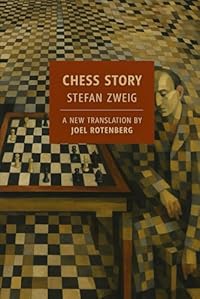
Chess Story
by Stefan Zweig
On This Page
Description
"Chess Story," also known as "The Royal Game," is Stefan Zweig's compelling novella that unfolds on a passenger steamer. It narrates the psychological duel between Mirko Czentovic, a chess champion with a mysterious past, and Dr. B, a reclusive genius. Set against the backdrop of World War II, the story explores themes of isolation, obsession, and the struggle for intellectual sanity. As the chess game intensifies, so do the inner battles of the characters, revealing the profound impact of show more mental stress and obsession. Zweig's sharp and immersive prose draws readers into a world where a simple game reflects the complex nature of the human psyche. "Chess Story" is a testament to the enduring power of the mind and the game that challenges it, making it a riveting read that's both intellectually and emotionally charged. show lessTags
Recommendations










Member Recommendations
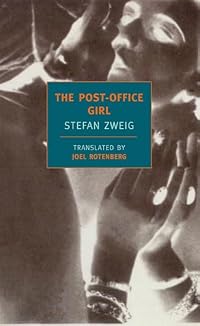
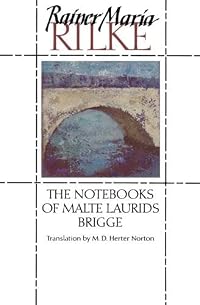
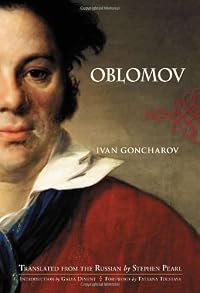
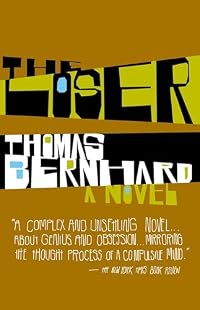
Arvoitus Because it's another work about chess and madness. The very difference is the status of the game player, chess is his life. You can also look at this novel as a political one.
30
Member Reviews
Stefan Zweig is climbing in the ranks of my favorite authors with an alarming speed.
How can a simple novella based around a game of chess accomplish so much? The game that pits the terrible new powers against the crumbling old world. Calculating, menacing efficiency of the intense specialization against humanistic universal values and knowledge. How can the old timid intellectual Europe resist and not descend into madness in the face of the brave new world champions?
How can a simple novella based around a game of chess accomplish so much? The game that pits the terrible new powers against the crumbling old world. Calculating, menacing efficiency of the intense specialization against humanistic universal values and knowledge. How can the old timid intellectual Europe resist and not descend into madness in the face of the brave new world champions?
Auf einer mehrtägigen Schiffsreise von New York nach Buenos Aires in den 40er Jahren des letzten Jahrhunderts, wird der österreichische Ich-Erzähler Zeuge einer beeindruckenden Schachpartie. Der an Bord weilende Schachweltmeister spielt gegen eine Gruppe Amateure, ohne dass der geringste Zweifel an dessen Sieg besteht. Doch dann mischt sich ein unbekannter Passagier ein und das Spiel endet mit einem Remis. Am nächsten Tag soll ein weiteres Spiel stattfinden und der Ich-Erzähler fordert den Unbekannten zur Teilnahme auf. Dieser sträubt sich zunächst und erzählt ihm zur Erklärung seine Geschichte.
Dieses kleine Büchlein, das gerade mal 104 Seiten mit verhältnismäßig groß gedruckten Buchstaben hat, ist sicherlich show more beeindruckender als viele andere Bücher, die einen drei- oder viermal so großen Umfang aufweisen. Vielleicht liegt es daran, dass Stefan Zweig viel mit Gegensätzlichkeiten gearbeitet hat, die eher im Gedächtnis bleiben. Einmal der introvertierte, ungebildete und langsame Schachweltmeister. Und der umgängliche, intellektuelle und beinahe manische 'Dilettant'. Oder der Ich-Erzähler, für den Schach 'nur' ein Spiel ist und sein Gegner, der alles als Wettkampf sieht und jede Niederlage als persönlichen Affront empfindet. Aber auch die Art, wie Zweig Schach beschreibt, wird mir im Gedächtnis bleiben. Insbesondere, weil er selbst überhaupt keinen großen Bezug dazu hatte.
Zitat: "Ist es nicht auch eine Wissenschaft, eine Kunst, schwebend zwischen diesen Kategorien wie der Sarg Mohammeds zwischen Himmel und Erde, eine einmalige Bindung aller Gegensatzpaare; uralt und doch ewig neu, mechanisch in der Anlage und doch nur wirksam durch Phantasie, begrenzt in geometrisch starrem Raum und dabei unbegrenzt in seinen Kombinationen, ständig sich entwickelnd und doch steril, ein Denken, das zu nichts führt, eine Mathematik, die nichts errechnet, eine Kunst ohne Werke, eine Architektur ohne Substanz und nichtsdestominder erwiesenermaßen dauerhafter in seinem Sein und Dasein als alle Bücher und Werke...*
Dazu die unglaublich genauen Beschreibungen der einzelnen Charaktere und Situationen, die derart zeitlos gut sind, dass Manches klingt, als wäre es eben erst geschrieben worden.
Zitat: "Nun hatten die Nationalsozialisten, längst ehe sie ihre Armeen gegen die Welt aufrüsteten, eine andere ebenso gefährliche und geschulte Armee in allen Nachbarländern zu organisieren begonnen, die Legion der Benachteiligten, der Zurückgesetzten, der Gekränkten."
Ein kleines, aber sehr feines Büchlein, das man nicht nur in der Schule lesen sollte - sofern es dort überhaupt noch im entsprechenden Kanon steht. show less
Dieses kleine Büchlein, das gerade mal 104 Seiten mit verhältnismäßig groß gedruckten Buchstaben hat, ist sicherlich show more beeindruckender als viele andere Bücher, die einen drei- oder viermal so großen Umfang aufweisen. Vielleicht liegt es daran, dass Stefan Zweig viel mit Gegensätzlichkeiten gearbeitet hat, die eher im Gedächtnis bleiben. Einmal der introvertierte, ungebildete und langsame Schachweltmeister. Und der umgängliche, intellektuelle und beinahe manische 'Dilettant'. Oder der Ich-Erzähler, für den Schach 'nur' ein Spiel ist und sein Gegner, der alles als Wettkampf sieht und jede Niederlage als persönlichen Affront empfindet. Aber auch die Art, wie Zweig Schach beschreibt, wird mir im Gedächtnis bleiben. Insbesondere, weil er selbst überhaupt keinen großen Bezug dazu hatte.
Zitat: "Ist es nicht auch eine Wissenschaft, eine Kunst, schwebend zwischen diesen Kategorien wie der Sarg Mohammeds zwischen Himmel und Erde, eine einmalige Bindung aller Gegensatzpaare; uralt und doch ewig neu, mechanisch in der Anlage und doch nur wirksam durch Phantasie, begrenzt in geometrisch starrem Raum und dabei unbegrenzt in seinen Kombinationen, ständig sich entwickelnd und doch steril, ein Denken, das zu nichts führt, eine Mathematik, die nichts errechnet, eine Kunst ohne Werke, eine Architektur ohne Substanz und nichtsdestominder erwiesenermaßen dauerhafter in seinem Sein und Dasein als alle Bücher und Werke...*
Dazu die unglaublich genauen Beschreibungen der einzelnen Charaktere und Situationen, die derart zeitlos gut sind, dass Manches klingt, als wäre es eben erst geschrieben worden.
Zitat: "Nun hatten die Nationalsozialisten, längst ehe sie ihre Armeen gegen die Welt aufrüsteten, eine andere ebenso gefährliche und geschulte Armee in allen Nachbarländern zu organisieren begonnen, die Legion der Benachteiligten, der Zurückgesetzten, der Gekränkten."
Ein kleines, aber sehr feines Büchlein, das man nicht nur in der Schule lesen sollte - sofern es dort überhaupt noch im entsprechenden Kanon steht. show less
Rating: 3.5* of five
The Publisher Says: Chess Story, also known as The Royal Game, is the Austrian master Stefan Zweig's final achievement, completed in Brazilian exile and sent off to his American publisher only days before his suicide in 1942. It is the only story in which Zweig looks at Nazism, and he does so with characteristic emphasis on the psychological.
Travelers by ship from New York to Buenos Aires find that on board with them is the world champion of chess, an arrogant and unfriendly man. They come together to try their skills against him and are soundly defeated. Then a mysterious passenger steps forward to advise them and their fortunes change. How he came to possess his extraordinary grasp of the game of chess and at what show more cost lie at the heart of Zweig's story.
This new translation of Chess Story brings out the work's unusual mixture of high suspense and poignant reflection.
My Review: Lumpenproletarian chess prodigy Czentovic, a boorish and unsympathetic figure, meets noble Jewish Dr. B. on a cruise. The good doctor is escaping the Nazis after a horrific torture-by-isolation. Czentovic is off to new triumphs as the world's greatest living chess master. Dr. B. survived his horrible isolation by reading and re-reading and memorizing and repeatedly playing in his mind great chess games from a book he stole from one of his torturers. The stage is set...the grisly Grand Master meets the gruesomely treated noble spirit in a chess battle for the ages, and is defeated. The doctor retires from the scene, completely unmanned by reliving his horrible confinement through his victory over the taciturn, unintelligent idiot savant Czentovic.
Zweig committed suicide after completing this book. I see why. It's the least optimistic, most hopeless, depressing, and horrifyingly bleak thing I've read in years. Four hankies won't do to stanch the helpless, hopeless weeping induced by reading the book, and a pistol is too heavy to hold in fingers gone too numb to clench even slightly.
It's one long flashback. The "action" of the chess match takes on an almost lurid and pornographic tinge after the grim tale Dr. B. tells of his time with the Nazis. It's dreadful. It's downbeat. It stinks of freshly-opened coffins and crematory ovens. If there is a redeeming value in having read it, it's that one need never, ever, ever touch it again, and I ASSURE you I will not.
This work is licensed under a Creative Commons Attribution-NonCommercial-ShareAlike 3.0 Unported License. show less
The Publisher Says: Chess Story, also known as The Royal Game, is the Austrian master Stefan Zweig's final achievement, completed in Brazilian exile and sent off to his American publisher only days before his suicide in 1942. It is the only story in which Zweig looks at Nazism, and he does so with characteristic emphasis on the psychological.
Travelers by ship from New York to Buenos Aires find that on board with them is the world champion of chess, an arrogant and unfriendly man. They come together to try their skills against him and are soundly defeated. Then a mysterious passenger steps forward to advise them and their fortunes change. How he came to possess his extraordinary grasp of the game of chess and at what show more cost lie at the heart of Zweig's story.
This new translation of Chess Story brings out the work's unusual mixture of high suspense and poignant reflection.
My Review: Lumpenproletarian chess prodigy Czentovic, a boorish and unsympathetic figure, meets noble Jewish Dr. B. on a cruise. The good doctor is escaping the Nazis after a horrific torture-by-isolation. Czentovic is off to new triumphs as the world's greatest living chess master. Dr. B. survived his horrible isolation by reading and re-reading and memorizing and repeatedly playing in his mind great chess games from a book he stole from one of his torturers. The stage is set...the grisly Grand Master meets the gruesomely treated noble spirit in a chess battle for the ages, and is defeated. The doctor retires from the scene, completely unmanned by reliving his horrible confinement through his victory over the taciturn, unintelligent idiot savant Czentovic.
Zweig committed suicide after completing this book. I see why. It's the least optimistic, most hopeless, depressing, and horrifyingly bleak thing I've read in years. Four hankies won't do to stanch the helpless, hopeless weeping induced by reading the book, and a pistol is too heavy to hold in fingers gone too numb to clench even slightly.
It's one long flashback. The "action" of the chess match takes on an almost lurid and pornographic tinge after the grim tale Dr. B. tells of his time with the Nazis. It's dreadful. It's downbeat. It stinks of freshly-opened coffins and crematory ovens. If there is a redeeming value in having read it, it's that one need never, ever, ever touch it again, and I ASSURE you I will not.
This work is licensed under a Creative Commons Attribution-NonCommercial-ShareAlike 3.0 Unported License. show less
Was it Piaget who came up with the idea that we learn to think and to speak by arguing? I can't find confirmation on the web but I, at some point in my life acquired this factoid, that our internal dialogues lie behind our civilization.
As a chess player, I have always thought of chess as a disease, like obsessive compulsive disorder only with flair and an intellectual pedigree. It does have the advantage over, say not stepping on cracks and thus not breaking your mother's back,of requiring a relationship only one severely constrained by rules and boundaries--not that all relationships aren't constrained by habit and culture to a greater extant than we are usually aware.
This is the story of two men who retreat into chess--one from his show more own inborn dullness, the other from solitary confinement. The first seem barely capable of any relationship at all. The other has his relationships forcibly stripped away by the Nazis leaving only his sparring with evil interrogators bent on breaking him. The first has only chess in his life while the second can forsake the chess disease and return to the real world (which he does by being willing to lose the game.)
Zweig, himself on the run from the Nazis, in the solitary confinement of exile in South America, wrote this (in German) before committing suicide. Seen as an explanation, (what else are we to do?) rather than rationally attempt to convince the dullard world to give up the disease of constant warfare, he'd rather quit the world altogether. He was a Freudian and Freud himself was pessimistic about humankind's future, postulating a death instinct.
I, however will be spending the afternoon playing chess in the park. show less
As a chess player, I have always thought of chess as a disease, like obsessive compulsive disorder only with flair and an intellectual pedigree. It does have the advantage over, say not stepping on cracks and thus not breaking your mother's back,of requiring a relationship only one severely constrained by rules and boundaries--not that all relationships aren't constrained by habit and culture to a greater extant than we are usually aware.
This is the story of two men who retreat into chess--one from his show more own inborn dullness, the other from solitary confinement. The first seem barely capable of any relationship at all. The other has his relationships forcibly stripped away by the Nazis leaving only his sparring with evil interrogators bent on breaking him. The first has only chess in his life while the second can forsake the chess disease and return to the real world (which he does by being willing to lose the game.)
Zweig, himself on the run from the Nazis, in the solitary confinement of exile in South America, wrote this (in German) before committing suicide. Seen as an explanation, (what else are we to do?) rather than rationally attempt to convince the dullard world to give up the disease of constant warfare, he'd rather quit the world altogether. He was a Freudian and Freud himself was pessimistic about humankind's future, postulating a death instinct.
I, however will be spending the afternoon playing chess in the park. show less
Chess is a game of war, of strategy, of intellect. But when you are brought up against a war of brute force and psychological torture, can an intellect save you? Stefan Zweig had faced that question in his life and I think he set us the answer in Chess Story. It might appear to save you, but it never really can.
There is an autobiographical element to this story that cannot be denied. Just like Dr. B, Zweig watched the Nazi’s take over his homeland of Austria and suffered very real tortures at the hands of the Gestapo. The result was to make him so fragile and isolated that he never quite recovered, always re-experiencing the tortures of the mind, and shortly after setting this story to paper, he committed suicide.
It is impossible not show more to see Dr. B as a stand-in for Zweig, himself, and the pompous, ignorant, manipulative Czentovic as the despotic Hitler, himself a madman with a penchant for only one thing, cruelty and war. To some extent Dr. B wins his chess game with the Nazis, after all he lives to tell, but on the other hand, he can never be free of this experience. As he battles Czentovic at the real chess board, he paces the length of his cell back and forth, held in by walls that are invisible to the observing crowd, but very real for him.
This is a very complicated and profound tale. That Zweig could reduce it to eighty-some pages and convey all the horror and lasting trauma is remarkable in itself. He makes every word meaningful and the ultimate meaning chilling. show less
There is an autobiographical element to this story that cannot be denied. Just like Dr. B, Zweig watched the Nazi’s take over his homeland of Austria and suffered very real tortures at the hands of the Gestapo. The result was to make him so fragile and isolated that he never quite recovered, always re-experiencing the tortures of the mind, and shortly after setting this story to paper, he committed suicide.
It is impossible not show more to see Dr. B as a stand-in for Zweig, himself, and the pompous, ignorant, manipulative Czentovic as the despotic Hitler, himself a madman with a penchant for only one thing, cruelty and war. To some extent Dr. B wins his chess game with the Nazis, after all he lives to tell, but on the other hand, he can never be free of this experience. As he battles Czentovic at the real chess board, he paces the length of his cell back and forth, held in by walls that are invisible to the observing crowd, but very real for him.
This is a very complicated and profound tale. That Zweig could reduce it to eighty-some pages and convey all the horror and lasting trauma is remarkable in itself. He makes every word meaningful and the ultimate meaning chilling. show less
A perfectly dramatic short story in which a man learns the difference between opportunism and monomania. The vehicle for this psychological exploration? Chess, of course, which our unnamed narrator aptly describes thusly:
Those black and white squares are enough to drive a man mad.
...a cogitation producing nothing, a mathematics calculating nothing, an art without an artwork, an architecture without substance and yet demonstrably more durable in its essence and actual form than all books and works, the only game that belongs to all peoples and all eras...
Those black and white squares are enough to drive a man mad.
A super-intelligent and well-crafted take on monomaniac indulgences, with some great insights about the game of chess and the psychological makeup of those obsessed with it. It is amazing how isolation equally brings about the human mind's capacity for resilience as well as self-destruction. In this regard, Zweig sets the chess game as a battleground where Dr. B. not only battles against Czentovic but also his Nazi oppressors as well as his fragments of his own psyche. The chess game is, therefore, a threesome faceoff arena.
There are other interesting themes about more pervasive aspects of human nature. Czentovic's natural but unreflective talent contrasts with Dr. B.'s hard-earned and introspective genius. This juxtaposition raises show more issues about the nature of intelligence and the value of human experience. Lastly, it is a great novella to teach the craft of third-person perspectives. show less
There are other interesting themes about more pervasive aspects of human nature. Czentovic's natural but unreflective talent contrasts with Dr. B.'s hard-earned and introspective genius. This juxtaposition raises show more issues about the nature of intelligence and the value of human experience. Lastly, it is a great novella to teach the craft of third-person perspectives. show less
Members
- Recently Added By
Lists

1001 Books You Must Read Before You Die
1,448 works; 1,132 members

German Literature
514 works; 49 members

Recommend the 20 best books you've read in the last five years
2,167 works; 600 members

Fiction Set Primarily in a Prison
52 works; 24 members

1940s
221 works; 25 members

Favourite Books
1,817 works; 316 members
20th Century Literature
1,161 works; 54 members

Short and Sweet
243 works; 23 members

Books Read in 2014
2,341 works; 86 members

99 Bücher, die man gelesen haben muss
37 works; 1 member
My list of 100 books to read next
100 works; 4 members

Books Read in 2016
4,666 works; 199 members

Books Read in 2022
5,164 works; 111 members

Liste Otto
107 works; 1 member

Authors mentioned in The World of Yesterday
68 works; 1 member
Reading LIst
648 works; 1 member

Books Read in 2025
4,090 works; 97 members

Stuff from Bard
70 works; 1 member

Books Read in 2019
4,052 works; 110 members

Recommended Literary Books
111 works; 1 member
Ships as microcosms
9 works; 1 member

Books Read in 2018
4,360 works; 110 members

Stories Featuring Games or Contests
28 works; 9 members

A Novel Cure
742 works; 23 members
Book Recommendations Masterlist
28 works; 1 member

Best of World Literature
431 works; 51 members
Talk Discussions
Past Discussions
Group Read, January 2023: Chess Story in 1001 Books to read before you die (February 2023)
Author Information

Born in Vienna, the prolific Zweig was a poet in his early years. In the 1920s, he achieved fame with the many biographies he wrote of famous people including Balzac, Dostoevsky, Dickens and Freud. Erasmus with whom he closely identified, was the subject of a longer biography. He also wrote the novellas Amok (1922) and The Royal Game (1944). As show more Nazism spread, Zweig, a Jew, fled to the United States and then to Brazil. He hoped to start a new life there, but the haunting memory of Nazism, still undefeated, proved too much for him. He died with his wife in a suicide pact. (Bowker Author Biography) show less
Some Editions
Awards and Honors
Notable Lists
Series
Belongs to Publisher Series
Classici [e-Newton] (501)
Helikon Zsebkönyvek (19.)
Kramers pocket-reeks (50)
Mínima minor (26)
Modern Klasikler (Modern Klasikler Dizisi - 21)
Fischer Taschenbuch (1522)
Bibliothek Suhrkamp (1348)
Gallimard, Folio (6586)
insel taschenbuch (4201)
Reclams Universal-Bibliothek (18933)
Work Relationships
Is contained in
Cornelsen Literathek : Text - Erläuterungen - Materialien : Stefan Zweig : Schachnovelle by Florian Radvan
The Collected Novellas of Stefan Zweig: Burning Secret, A Chess Story, Fear, Confusion, Journey into the Past by Stefan Zweig
Has the adaptation
Is abridged in
Has as a commentary on the text
Has as a student's study guide
Common Knowledge
- Canonical title
- Chess Story
- Original title
- Schachnovelle
- Alternate titles
- The Royal Game
- Original publication date
- 1943
- People/Characters*
- Mirko Czentovic; Dr B; McConnor
- Important places*
- Wien, Österreich; Passagierschiff New York; Buenos Aires, Argentinien
- Important events*
- Tweede Wereldoorlog
- Related movies*
- Schachnovelle (1960 | IMDb)
- First words*
- Op het grote passagiersstoomschip dat om middernacht van New York naar Buenos Aires moest vertrekken, heersten de gebruikelijke drukte en bedrijvigheid van het laatste uur.
- Last words*
- (Click to show. Warning: May contain spoilers.)Voor een dilettant is deze heer eigenlijk buitengewoon begaafd.
- Original language
- German
- Disambiguation notice
- 345835901X 2013 hardcover German insel taschenbuch 4201
*Some information comes from Common Knowledge in other languages. Click "Edit" for more information.
Classifications
- Genres
- Fiction and Literature, General Fiction
- DDC/MDS
- 833.912 — Literature & rhetoric German & related literatures German fiction 1900- 1900-1990 1900-1945
- LCC
- PT2653 .W42 .S3513 — Language and Literature German, Dutch and Scandinavian literatures German literature Individual authors or works 1860/70-1960
- BISAC
Statistics
- Members
- 4,978
- Popularity
- 2,791
- Reviews
- 140
- Rating
- (4.12)
- Languages
- 21 — Catalan, Chinese, Czech, Danish, Dutch, English, Esperanto, Finnish, French, German, Galician, Greek, Hungarian, Icelandic, Italian, Norwegian (Bokmål), Romanian, Russian, Spanish, Turkish, Portuguese (Portugal)
- Media
- Paper, Audiobook, Ebook
- ISBNs
- 251
- ASINs
- 82