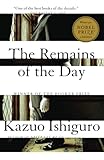
The Remains of the Day
by Kazuo Ishiguro
On This Page
Description
A tragic, spiritual portrait of the perfect English butler and his reaction to his fading insular world in post-war England.Tags
Recommendations



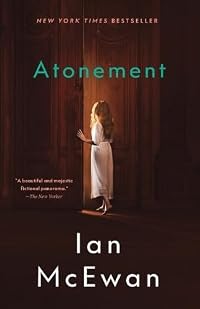
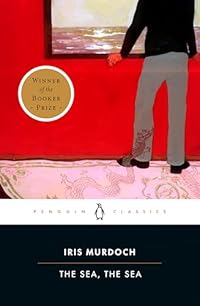
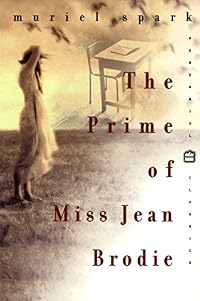
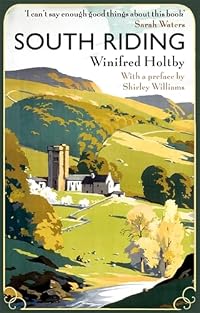


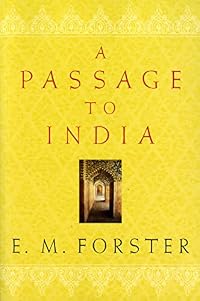
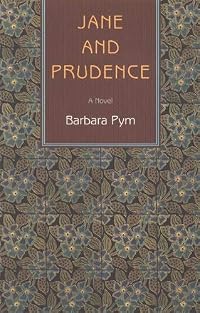
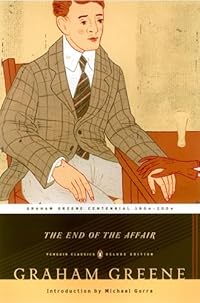
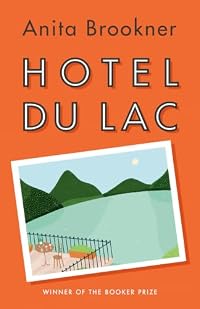
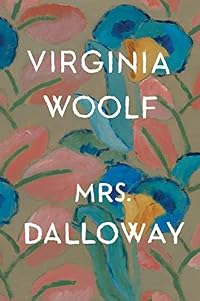
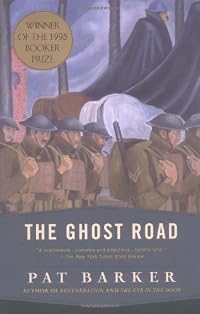

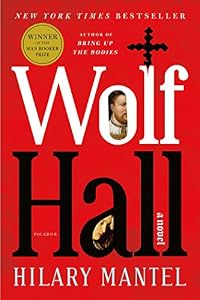


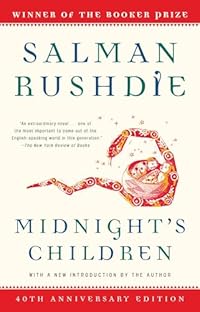
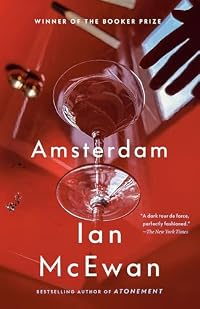
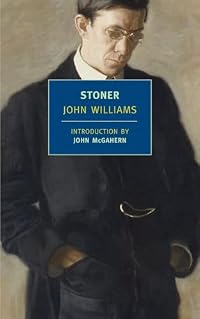
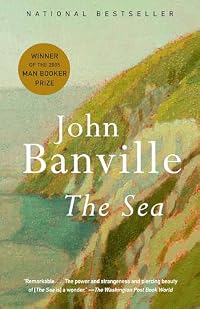
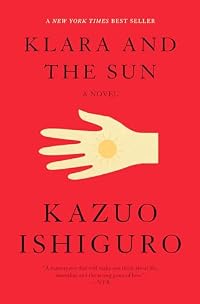
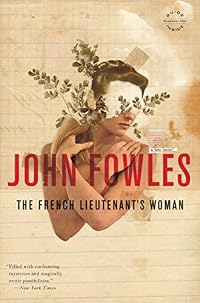
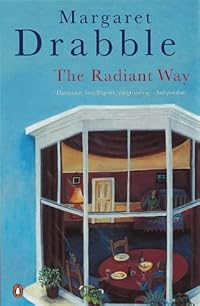
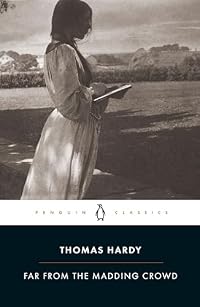


Member Recommendations

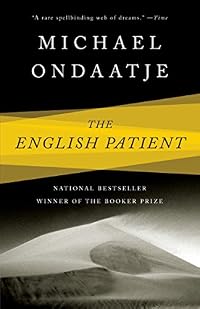
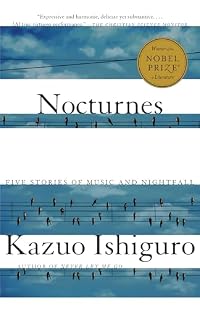
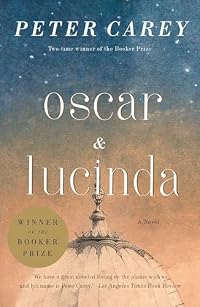
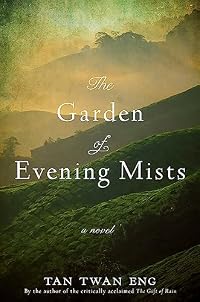
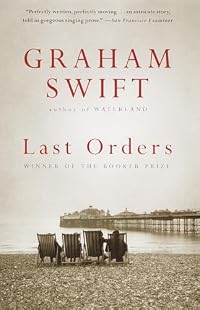
browner56 The consequences of misguided devotion treated from both the British and Japanese perspectives.
Also recommended by bibliobibuli
70
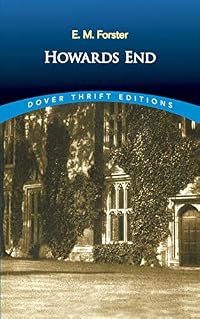
thorold It's fascinating to put these two classic studies of the relationship between the English upper classes and their domestic servants side-by-side: one a delicate psychological novel, the other a gossipy work of social history.
40
electronicmemory Slow, languid stories about regret and life choices not understood until they've passed by.
62
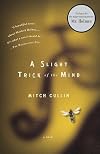
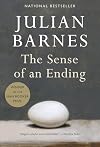
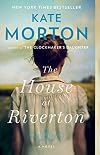
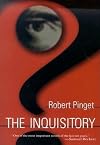
bluepiano Only the skeleton of the books is the same: Aged former servants in accounts of their of years in service obliquely tell of their employers' unsavoury nature . Remains more immediately rewarding but Inquisitory more enduringly so.

WSB7 Both have the feeling of restraint/seil-restraint foregrounded.
11
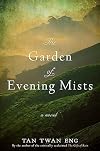
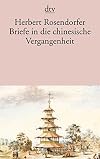
JuliaMaria Nette aus der Welt gefallene Männer erklären die Welt.

KayCliff Both books discover Nazi affiliations in the past in prominent statesmen.
01
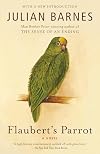
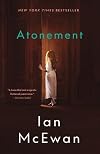
Member Reviews
To me, this book was not just about repression of emotions, but deeply ingrained classism. The main character, Mr. Stevens, is the head butler of a distinguished household, first to a distinguished (or is he?) English gentleman, then to a rich American who buys the property after the previous Lord's death. Throughout it all, Stevens is there, serving his lord's every whim and need. The house has become his world, what lies beyond the house ceases to exist, only the day to day functioning of the house is of importance. Stevens' own life is of little consequence, his emotions are never to be acknowledged, except when he allows himself to feel dignity in his work and accomplishments in the running of the house. The lord is the only person show more capable of, and worthy of having thoughts about the world, and how it is run. Stevens, and those of his class or even below his, are not capable of having thoughts about the world, and why should they? They should seek contentment in their own lives in the little ways in which they can contribute, and nothing more. It shows just how deeply this sort of classism is ingrained in his thoughts and the way he lives his life. I ultimately found Stevens to be a deeply tragic character. He never lets himself feel emotions, and by the end, he regrets how he spent his life. He lives much of it in denial, probably because if he thought about who his employer actually is and what kind of things he has done, he would face a crisis within himself. Its not his place to question, so why bother to think about why his boss is consorting with fascists? The book was written very subtly and beautifully, and was very moving. I can see why it won the Booker prize. show less
It is sometimes said that butlers only truly exist in England. Other countries, whatever title is actually used, have only manservants. I tend to believe this is true. Continentals are unable to be butlers because they are as a breed incapable of emotional restraint which only the English race are capable of. (p. 43)
Thus does Stevens, a butler on a fine English estate, describe the dignity and restraint he sees as essential elements of the truly great butlers -- a title he will not allow himself to claim, although it is probably deserved. Stevens spent 30 years in service at Darlington Hall, beginning in the 1920s. He did all his master asked of him, with complete decorum and the much-admired restraint. He was assisted by a housekeeper, show more Miss Kenton, who left after many years to marry and have a family of her own. The novel begins with Stevens taking a rare holiday, a trip across the country to visit Miss Kenton. A recent letter from her led him to believe she would be interested in returning to service at Darlington Hall. The letter resurrected memories and emotions; long suppressed in the interest of dignity and restraint. During Stevens' journey, he relives his years serving Lord Darlington, and his relationship with Miss Kenton.
The story is told entirely in Stevens' voice. Ishiguro has a way of making the situation perfectly plain to the reader, even though much is left unsaid. The reader sees a side of Lord Darlington that Stevens himself was unable to acknowledge. And his feelings for Miss Kenton are crystal clear, even though they never break through his reserved exterior. I nearly cried when he and Miss Kenton parted company the first time, and their reunion was heavily laden with missed opportunity and dashed hopes that once again were quite moving.
I was worried that this book would be spoiled by having seen the film many years ago. And while I couldn't help envisioning Stevens just as he was portrayed by Anthony Hopkins, I still found myself immersed in this book as if experiencing the story for the first time. Wonderful, emotional, reading. show less
Thus does Stevens, a butler on a fine English estate, describe the dignity and restraint he sees as essential elements of the truly great butlers -- a title he will not allow himself to claim, although it is probably deserved. Stevens spent 30 years in service at Darlington Hall, beginning in the 1920s. He did all his master asked of him, with complete decorum and the much-admired restraint. He was assisted by a housekeeper, show more Miss Kenton, who left after many years to marry and have a family of her own. The novel begins with Stevens taking a rare holiday, a trip across the country to visit Miss Kenton. A recent letter from her led him to believe she would be interested in returning to service at Darlington Hall. The letter resurrected memories and emotions; long suppressed in the interest of dignity and restraint. During Stevens' journey, he relives his years serving Lord Darlington, and his relationship with Miss Kenton.
The story is told entirely in Stevens' voice. Ishiguro has a way of making the situation perfectly plain to the reader, even though much is left unsaid. The reader sees a side of Lord Darlington that Stevens himself was unable to acknowledge. And his feelings for Miss Kenton are crystal clear, even though they never break through his reserved exterior. I nearly cried when he and Miss Kenton parted company the first time, and their reunion was heavily laden with missed opportunity and dashed hopes that once again were quite moving.
I was worried that this book would be spoiled by having seen the film many years ago. And while I couldn't help envisioning Stevens just as he was portrayed by Anthony Hopkins, I still found myself immersed in this book as if experiencing the story for the first time. Wonderful, emotional, reading. show less
Like his father before him, Stevens is a butler, a career chosen for service and dedication to the highest in the land. Working for Lord Darlington in between the World Wars, he offered loyalty and discretion as various high-powered guests met to discuss the increasing perilous situation in Europe.
Post war the social landscape has changed dramatically. Stevens is still the butler at Darlington Hall, but his master is now a rich American, Mr Farraday. Stevens is encouraged by him to take a brief break, and offers to lend him his car for a motoring holiday. It is ideal timing as Stevens has recently received a letter from a past colleague, Miss Kenton, and sees it as an ideal opportunity to pay her a visit. As he travels through Wilshire, show more Dorset, Devon and Cornwall enjoying the sights and countryside he takes time to consider various matters; his service to Lord Darlington, the relationship that he had with his father and his housekeeper.
It is a melancholy story, full of subtlety whilst still having profound meaning and depth. The main character, Stevens, is the quintessentially English butler, composed and proficient; but whilst he can say the right words he lacks feeling and empathy because of his upbringing and career. I am not sure just how he does it, but Ishiguro has managed to capture the class distinctions perfectly in this book. Possibly because he has an outsider’s perspective on how society at the time functioned, or didn’t, and understands the minutia and restraint that a member of the household has to have whilst dealing with the great and the good. It is equally about what isn’t said and happens between the two main characters as it is about what actually happens, and it is impressive just how much emotion can be wrung out of such restrained prose. Good stuff. show less
Post war the social landscape has changed dramatically. Stevens is still the butler at Darlington Hall, but his master is now a rich American, Mr Farraday. Stevens is encouraged by him to take a brief break, and offers to lend him his car for a motoring holiday. It is ideal timing as Stevens has recently received a letter from a past colleague, Miss Kenton, and sees it as an ideal opportunity to pay her a visit. As he travels through Wilshire, show more Dorset, Devon and Cornwall enjoying the sights and countryside he takes time to consider various matters; his service to Lord Darlington, the relationship that he had with his father and his housekeeper.
It is a melancholy story, full of subtlety whilst still having profound meaning and depth. The main character, Stevens, is the quintessentially English butler, composed and proficient; but whilst he can say the right words he lacks feeling and empathy because of his upbringing and career. I am not sure just how he does it, but Ishiguro has managed to capture the class distinctions perfectly in this book. Possibly because he has an outsider’s perspective on how society at the time functioned, or didn’t, and understands the minutia and restraint that a member of the household has to have whilst dealing with the great and the good. It is equally about what isn’t said and happens between the two main characters as it is about what actually happens, and it is impressive just how much emotion can be wrung out of such restrained prose. Good stuff. show less
This is one of the most subtle books I have read. It grows gently to what was a profound ending and it was not until then that the meaning of the title became clear! A book that develops with amazing writing skill.
Mr Stevens has worked as a butler in Darlington House for some 30 odd years. He has just been advised that he and the remaining staff can take a few days holiday by the new owner Mr Farraday, an American. He decides on a trip to the west of England which will lead him to call on Mrs Benn, previously Miss Kenton, a former employee of Darlington House. As he drives his mind is firmly in the past. He describes a lifestyle that is no longer and contemplates what it is to be a butler and in fact, a great butler. The reader is shown show more a view of the diplomatic politicing, sometimes misguided, in pre-war Europe. In th background we gradually gain an image of the relationship between Mr Stevens and Miss Kenton. The dignified restraint verging on pomposity shown by Mr Stevens in his dealings with her and all the characters in this story, in an attempt to emulate the best in his profession, his father included leads him to realise that he could have had a different life. He determines to make more effort to connect with his employer by entering into light-hearted banter.
A passage that I savoured was his fresh observetion of the English landscape, which he thought was best summed up by the word greatness - 'I would say that it is the very lack of obvious drama or spectacle that sets the beauty of our land apart. What is pertinent is the calmness of that beauty, its sense of restraint. It is as though the land knows of its own beauty, of its own greatness and feels no need to shout it. In comparison, the sorts of sights offered in such places as Africa and America, though undoubtedly very exciting, would , I am sure, strike the objective viewer as inferior on account of their unseemly demonstrativeness.' I delighted in such passages which gave me pause for thought and there are similar passages on what it is to be a true gentleman. This book is so very English! Superb. 9.5 show less
Mr Stevens has worked as a butler in Darlington House for some 30 odd years. He has just been advised that he and the remaining staff can take a few days holiday by the new owner Mr Farraday, an American. He decides on a trip to the west of England which will lead him to call on Mrs Benn, previously Miss Kenton, a former employee of Darlington House. As he drives his mind is firmly in the past. He describes a lifestyle that is no longer and contemplates what it is to be a butler and in fact, a great butler. The reader is shown show more a view of the diplomatic politicing, sometimes misguided, in pre-war Europe. In th background we gradually gain an image of the relationship between Mr Stevens and Miss Kenton. The dignified restraint verging on pomposity shown by Mr Stevens in his dealings with her and all the characters in this story, in an attempt to emulate the best in his profession, his father included leads him to realise that he could have had a different life. He determines to make more effort to connect with his employer by entering into light-hearted banter.
A passage that I savoured was his fresh observetion of the English landscape, which he thought was best summed up by the word greatness - 'I would say that it is the very lack of obvious drama or spectacle that sets the beauty of our land apart. What is pertinent is the calmness of that beauty, its sense of restraint. It is as though the land knows of its own beauty, of its own greatness and feels no need to shout it. In comparison, the sorts of sights offered in such places as Africa and America, though undoubtedly very exciting, would , I am sure, strike the objective viewer as inferior on account of their unseemly demonstrativeness.' I delighted in such passages which gave me pause for thought and there are similar passages on what it is to be a true gentleman. This book is so very English! Superb. 9.5 show less
Masterpiece. Taut, fastidious, and crushingly sad, Ishiguro manages to both inhabit and examine British-ness through his highly elided narrator. In the impossible way of things, this is a book about emotions while barely mentioning them, how to reveal by concealing, and human-ness (writ large) expressed by exacting historical and cultural detail. A real heart-breaker. Worth it for the banter.
I had seen the wonderful movie with Anthony Hopkins and Emma Thompson -- must be 20 years ago. In spite of getting the usual process backwards, it did not stop me from enjoying this book at all. I think it might have gently enhanced it, actually, imagining much of Stevens' voice as if it were spoken by the indomitable Hopkins and imagining Miss Kenton having a crooked smile like Thompson.
Ishiguro has a deft, precise hand. I loved thinking the thoughts he wanted me to think, to read between the lines he wanted me to read, and to care deeply for a stuffy old butler whose only quirk is being a stuffy old butler through and through. Well, almost. And it's that slowly building, perfectly executed "almost" that makes the story something special.
Ishiguro has a deft, precise hand. I loved thinking the thoughts he wanted me to think, to read between the lines he wanted me to read, and to care deeply for a stuffy old butler whose only quirk is being a stuffy old butler through and through. Well, almost. And it's that slowly building, perfectly executed "almost" that makes the story something special.
To me, a modern classic. This is that rare book that is enjoyable to read but also deeply felt and moving. The writing is brilliant, with an unreliable and deeply closed off narrator who the reader is moved to care about and even pity. The novel touches on the political issue of Britain's flirtation with fascism, but it is deeply concerned with the personal issues of subjectivity, responsibility, respectability and the alienation of the self. Very thought-provoking and beautiful.
Members
- Recently Added By
Published Reviews
ThingScore 75
The Remains of the Day is too much a roman à thèse, and a judgmental one besides. Compared to his astounding narrative sophistication, Ishiguro's message seems quite banal: Be less Japanese, less bent on dignity, less false to yourself and others, less restrained and controlled. The irony is that it is precisely Ishiguro's beautiful restraint and control that one admires, and, in the case of show more the last novel [The Remains of the Day], his nerve in setting up such a high-wire act for himself. show less
added by jburlinson
Kazuo Ishiguro's tonal control of Stevens' repressive yet continually reverberating first-person voice is dazzling. So is his ability to present the butler from every point on the compass: with affectionate humor, tart irony, criticism, compassion and full understanding. It is remarkable, too, that as we read along in this strikingly original novel, we continue to think not only about the old show more butler, but about his country, its politics and its culture. show less
added by stephmo
Lists

The Guardian's 1000 Novels Everyone Must Read
1,005 works; 549 members

1001 Books You Must Read Before You Die
1,448 works; 1,131 members

Classics you know you should have read but probably haven't
420 works; 407 members
501 Must-Read Books
508 works; 71 members

Read the book and saw the movie
1,170 works; 195 members

Best Historical Fiction
620 works; 257 members

Best Contemporary Literary Fiction (Around the Last 30 Years)
388 works; 124 members

Recommend the 20 best books you've read in the last five years
2,167 works; 604 members
Favourite Booker Prize contenders
73 works; 21 members
Best of British Literature
226 works; 39 members

Japanese Literature
230 works; 40 members

Top Five Books of 2013
1,564 works; 722 members

The Top Ten: Writers Pick Their Favorite Books
240 works; 31 members

Historical Fiction
889 works; 91 members
Booker Prize
491 works; 61 members
Literature About Social Class
134 works; 19 members
20th Century Literature
1,161 works; 54 members
Folio Society
831 works; 51 members
BBC's 100 Novels That Shaped Our World
100 works; 22 members
Favourite Books
1,817 works; 308 members

Books Set in Great Britain
191 works; 13 members

Unreliable Narrators
170 works; 43 members

Top Five Books of 2018
802 works; 264 members

Best Downton Abbey-esqe books to read
17 works; 7 members
Booker Prize Shortlist: Titles Read
103 works; 10 members

Love and Marriage
93 works; 10 members
Favorite Literary Love Stories
182 works; 100 members
50 Books from the Past 50 Years
50 works; 8 members

Best Workplace Fiction
47 works; 18 members

Top Five Books of 2019
387 works; 111 members

Houses and Buildings as Characters in Fiction
182 works; 28 members

Canon de la narrativa universal del siglo XX
254 works; 6 members
Best Political Fiction
92 works; 12 members

Top Five Books of 2022
736 works; 272 members
BBC Big Read
100 works; 10 members

Top Five Books of 2020
982 works; 350 members
Blue Pyramid 1,276 Best Books of All Time
1,248 works; 32 members

100 New Classics
101 works; 13 members

Big Jubilee List
70 works; 3 members

40 Books to Read Before You’re 40
40 works; 4 members

Global Reads: Books Set in the United Kingdom and Ireland
109 works; 5 members
LibraryThingers' 1001 Books You Must Read Before You Die
442 works; 30 members

Most thought-provoking novels
30 works; 26 members

the old and the restless
62 works; 14 members

A Novel Cure
742 works; 23 members
1980s
356 works; 23 members
1,001 BYMRBYD Concensus
723 works; 27 members

Top Five Books of 2014
1,064 works; 398 members

BBC Radio 4 Bookclub
300 works; 13 members

Books tagged favorites
390 works; 30 members

Top 100 to Read before you Die
109 works; 7 members

Top Five Books of 2015
811 works; 241 members
Man Booker Prize Longlist 1989
6 works; 2 members

Allie's Favourite 150 Books
145 works; 3 members
Books Read in 2015
3,298 works; 126 members

SomethingAwful TBB BOTM
66 works; 2 members
Books Read in 2016
4,666 works; 199 members

SHOULD Read Books!
354 works; 9 members

Top 10 books read in 2020
10 works; 1 member

Books Read in 2023
5,547 works; 145 members
United Kingdom
82 works; 5 members

A's favorite novels
100 works; 3 members
Best Books of the 20th Century
193 works; 5 members
Overdue Podcast
800 works; 9 members

Powell's 50 Books for 50 Years
50 works; 4 members

Best Japanese Fiction
41 works; 10 members

Books About Older People
50 works; 11 members

Books Read in 2020
4,379 works; 123 members

Books Read in 2022
5,164 works; 113 members

Most Frequently Tagged "Read in 2015"
70 works; 1 member

My favourite books
96 works; 3 members
Five star books
1,755 works; 107 members
'Books You Can't Live Without: The Top 100', The Guardian, 2007
156 works; 7 members
Books That Made Us Cry
278 works; 145 members
Canon de la narrativa universal del s. XX (cicutadry)
499 works; 3 members

Books We Love to Reread
688 works; 296 members

Best books I read in 2013
152 works; 3 members

Books Read in 2024
4,623 works; 124 members

Top Five Books of 2023
767 works; 316 members

Books Read in 2025
4,043 works; 97 members

DigitalDreamDoor top 300
300 works; 4 members

.
194 works; 2 members

Books Read in 2018
4,360 works; 110 members

Top Five Books of 2025
950 works; 301 members
.
396 works; 1 member

read in 2026
20 works; 1 member

BBC World Book Club
261 works; 5 members

AP Lit
363 works; 6 members
Books I've Been Meaning to Read or Reread 2024
3 works; 2 members

At the Library
217 works; 1 member

Queen Camilla's Reading Room
65 works; 6 members
Franklit
95 works; 1 member

Mustich's 1000 Books to Read Before You Die: A Life Changing List
1,001 works; 18 members

Books Read in 2011
684 works; 19 members

books i'd like to reread when i get the chance
8 works; 1 member
Classics
7 works; 2 members

Books With Time Words in the Title
160 works; 4 members

Books Read in 2019
4,052 works; 109 members
Contemporary Fiction
17 works; 2 members

Books Read in 2010
631 works; 11 members
Tagged 20th Century
33 works; 4 members

Unread books
1,063 works; 86 members

Best of World Literature
431 works; 51 members
Talk Discussions
Past Discussions
Ishiguro: The Remains of the Day in Author Theme Reads (November 2009)
Group Read 2: The Remains of the Day by Kazuo Ishiguro Part 1 in 1001 Books to read before you die (September 2009)
Author Information

57+ Works 81,281 Members
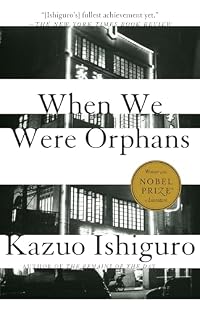
Kazuo Ishiguro was born in Nagasaki, Japan on November 8, 1954. In 1960, his family moved to England. He received a bachelor's degree in English and philosophy from the University of Kent in 1978 and a master's degree in creative writing from the University of East Anglia in 1980. He became a British citizen in 1982. His first novel, A Pale View show more of Hills, received the Winifred Holtby Award from the Royal Society of Literature. His second novel, An Artist of the Floating World, received the Whitbread Book of the Year Award in 1986. His third novel, The Remains of the Day, received the Man Booker Prize for Fiction in 1989 and was adapted into a film starring Anthony Hopkins and Emma Thompson. His other works include The Unconsoled, When We Were Orphans, Never Let Me Go, Nocturnes: Five Stories of Music and Nightfall, and The Buried Giant. He was awarded the OBE in 1995 for services to literature and the Chevalier de l'Ordre des Arts et des Lettres by the French government in 1998. He received the 2017 Nobel Prize in Literature. He has also written several songs for jazz singer Stacey Kent and screenplays for both film and television. (Bowker Author Biography) show less
Some Editions
Awards and Honors
Awards
Distinctions
Notable Lists
Greatest Books algorithm (177)
The Big Jubilee Read (1982-1991 – 1989)
Series
Belongs to Publisher Series
Work Relationships
Is contained in
Has the adaptation
Is abridged in
Has as a reference guide/companion
Has as a study
Common Knowledge
- Canonical title*
- De rest van de dag
- Original title
- The Remains of the Day
- Original publication date
- 1989
- People/Characters
- Stevens; Lord Darlington; Miss Kenton; Farraday; William Stevens; Reginald Cardinal (show all 17); Sir David Cardinal; Edward Frederick Lindley Wood, 1st Earl and 3rd Viscount of Halifax (British Foreign Secretary); David Lloyd George (British Prime Minister); Winston Churchill; Joachim von Ribbentrop; Mr. Lewis; Monsieur Dupont; Herr Karl-Heinz Bremann; Oswald Mosley; Carolyn Barnet; Nancy Astor
- Important places
- Darlington Hall (fictional); Salisbury, Wiltshire, England, UK; Weymouth, Dorset, England, UK; Taunton, Somerset, England, UK; Tavistock, Devon, England, UK; Cornwall, England, UK (show all 11); Devon, England, UK; Somerset, England, UK; Dorset, England, UK; Wiltshire, England, UK; England, UK
- Related movies
- The Remains of the Day (1993 | IMDb)
- Dedication
- In memory of Mrs Lenore Marshall.
- First words
- It seems increasingly likely that I really will undertake the expedition that has been preoccupying my imagination now for some days.
- Quotations
- The English landscape at its finest—such as I saw this morning—possesses a quality that the landscapes of other nations, however more superficially dramatic, inevitably fail to possess. It is, I believe, a quality that wi... (show all)ll mark out the English landscape to any objective observer as the most deeply satisfying in the world, and this quality is probably best summed up by the term 'greatness.' And yet what precisely is this greatness? I would say that it is the very lack of obvious drama or spectacle that sets the beauty of our land apart. What is pertinent is the calmness of that beauty, its sense of restraint. It is as though the land knows of its own beauty, of its own greatness, and feels no need to shout it.
- Last words
- (Click to show. Warning: May contain spoilers.)I should hope, then, by the time of my employer's return, I shall be in a position to pleasantly surprise him.
- Blurbers
- Barnes, Julian; Beattie, Ann; Herr, Michael; Kingston, Maxine Hong; Lessing, Doris; Rushdie, Salman (show all 8); Stone, Robert; Thubron, Colin
- Original language
- English
- Canonical DDC/MDS
- 823.914
- Canonical LCC
- PR6059.S5
*Some information comes from Common Knowledge in other languages. Click "Edit" for more information.
Classifications
Statistics
- Members
- 19,041
- Popularity
- 315
- Reviews
- 519
- Rating
- (4.20)
- Languages
- 31 — Catalan, Chinese, Czech, Danish, Dutch, English, Estonian, Finnish, French, German, Greek, Hebrew, Hungarian, Indonesian, Italian, Japanese, Lithuanian, Malayalam, Malay, Norwegian (Bokmål), Farsi/Persian, Polish, Portuguese, Romanian, Russian, Serbian, Slovenian, Spanish, Swedish, Thai, Turkish
- Media
- Paper, Audiobook, Ebook
- ISBNs
- 194
- UPCs
- 1
- ASINs
- 73