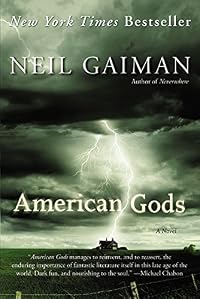
American Gods
by Neil Gaiman
On This Page
Description
Shadow Moon, recently released from prison and dealing with his wife's death, accepts a job offer from the mysterious Mr. Wednesday. Together they travel across America gathering up Mr. Wednesday's creepy friends. Soon Shadow discovers this road trip involves the upcoming epic battle between the old gods of the immigrants and today's new gods: credit cards, TV, and the Internet. He also experiences repeat visits from the reanimated corpse of his dead wife, Laura.Tags
Recommendations

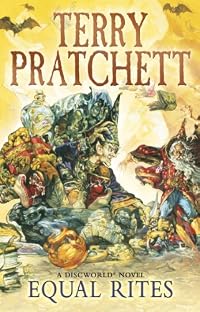
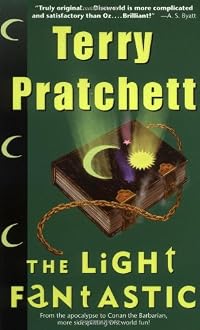
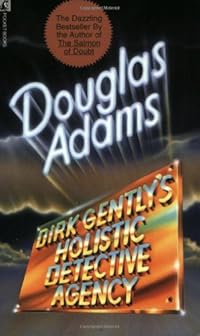
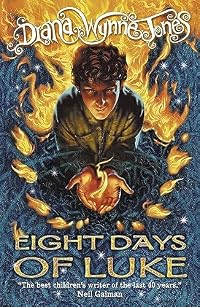
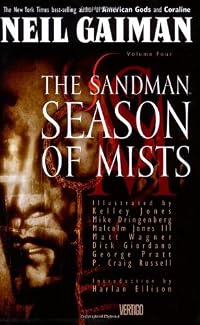
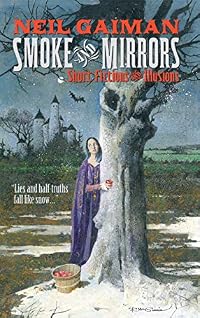
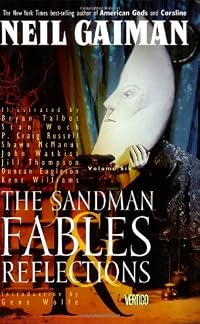
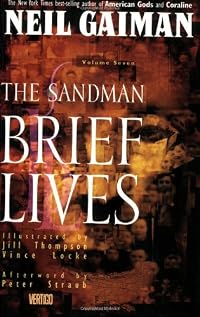
Member Recommendations
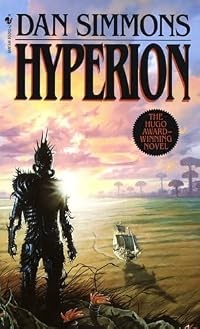
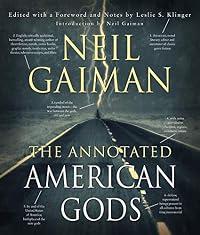
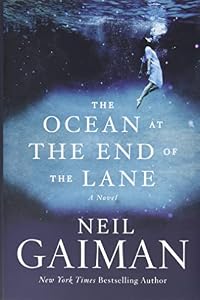
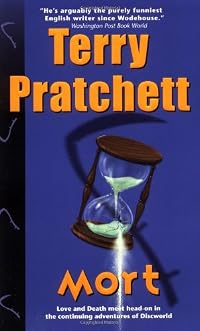
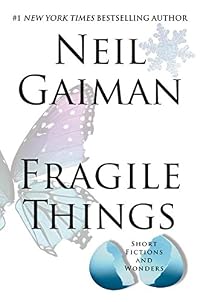
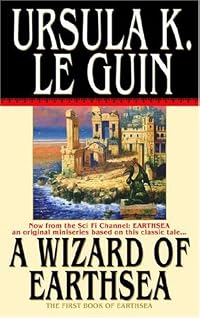
anonymous user It's a great collection all around but the kicker is this collection includes a novella about Shadow a couple years after the events of American Gods
moonstormer Fragile Things contains a short story with the same character as is in American Gods. Both are highly recommended.
260
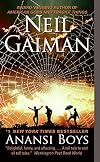
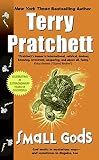
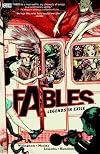
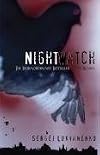
citygirl When the supernatural collides with modern life. One in Moscow, one in the US.
101
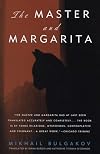
klarusu The same sense of unreality layered over a real-world setting, the same undercurrent of humour but this time it's the Devil that lands in Moscow
102
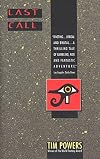
grizzly.anderson Both are about old world gods making their place in the new world.
MyriadBooks For aspiring to win in a bargain with gods.
71

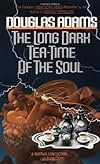
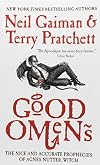
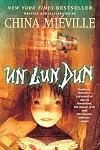
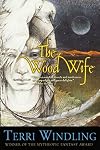
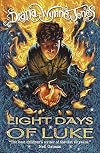
acenturyofsleep Neil Gaiman was surprised to discover that the concept of Eight Days of Luke was very similar to what he had initially planned for the plot of American Gods. He dropped the day-theme to avoid too many similarities and gave props to Wynne Jones.
52
rockhopper_penguin I read these two books one after another. It wasn't a deliberate decision, but the two did seem to work well together. The books visit a few of the same places, and it's interesting to note how differently they are portrayed in each.
42
andomck Religion, realism, fantasy, humor, low brow, etc. Makes sense to me.
42
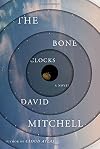
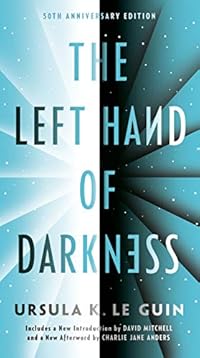
sturlington The Bone Clocks reminded me strongly of Neil Gaiman and David Mitchell has said that Gaiman was an influence.
20

kqueue Both are dark contemporary fantasies that utilize myths and legends of many different cultures.
AppleSky Contemporary fantasy. Similar gritty feel, similar subject matter.
11

wandering_star Kolymsky Heights, like American Gods, is a great page-turner with both heart and brains.
andejons Both are about ancient gods trying to make do in the modern world, living quite undignified lives and longing for something better. Phillip's book is more lighthearted, but also more coherent.
33
anonymous user Not exactly the same sort of story (JS&MN takes place in England during the Napoleanic Wars and focuses on two magicians with a comedy-of-manners sort of tone) both both books are extremely fabulous books, combining urban fantasy with epic and dark overtones with light humor.
99

Member Reviews
What happens to the old pagan gods that people bring with them to a new land, when worship erodes? How do they cope with the material world of America? Gaiman's concept is delicious, and he carries it out with a wicked wit - what better undertaker than an Egyptian god, after all? The story gallops along as our hero discovers that all is not fair in love or war, even, or especially, for the godhead.
The consensus n my book discussion group was that if the person read the 10th Edition with the stuff Gaiman added back in, it was too long. I didn't know any differently, so I must say I liked it as I read it (the updated version).
The various versions of the old gods, dealing as they must with current culture and economics, is both humorous show more and somehow sad. But there are bigger thoughts in this book: immigration, how people come here and eventually abandon the ancient, transactional gods; monotheistic religions that Gaiman doesn't bring in, those that superceded the same ancient gods well before the related populations came to the U.S. Then the comparisons - all our technological gods: money, TV, cars, electronic communication, bigness, power, worshipped more and more in spite of, or with the connivance of, current leaders. What does it mean to keep your word, have a sense of personal honor? What would you sacrifice for what you want? And what do life and death mean, however many times you go through them?
The novel is eminently readable, even in the long version, which seemed to fly by. I could almost cast the movie in my head as it went - Brian Cox, perhaps, as Mr. Wednesday? Any other suggestions? show less
The consensus n my book discussion group was that if the person read the 10th Edition with the stuff Gaiman added back in, it was too long. I didn't know any differently, so I must say I liked it as I read it (the updated version).
The various versions of the old gods, dealing as they must with current culture and economics, is both humorous show more and somehow sad. But there are bigger thoughts in this book: immigration, how people come here and eventually abandon the ancient, transactional gods; monotheistic religions that Gaiman doesn't bring in, those that superceded the same ancient gods well before the related populations came to the U.S. Then the comparisons - all our technological gods: money, TV, cars, electronic communication, bigness, power, worshipped more and more in spite of, or with the connivance of, current leaders. What does it mean to keep your word, have a sense of personal honor? What would you sacrifice for what you want? And what do life and death mean, however many times you go through them?
The novel is eminently readable, even in the long version, which seemed to fly by. I could almost cast the movie in my head as it went - Brian Cox, perhaps, as Mr. Wednesday? Any other suggestions? show less
‘’Gods die. And when they truly die they are unmourned and unremembered. Ideas are more difficult to kill than people, but they can be killed in the end.’’
Why do gods have to fight and die? Isn’t there enough space in people’s hearts to accommodate everyone, as in the old days? New gods and old gods, but it seems that they aren’t all powerful as such. They need the mortals to believe in them, otherwise they simply cease to exist.
I initially thought I wouldn’t write a review about Neil Gaiman’s gloriously dark, strange and haunting classic. I mean, what can I say that hasn’t been said? And then, I thought ‘’come on, it’s an honour that you have the chance to write a review that will occupy a teeny tiny corner in show more this endless space that is Internet. (...too much Tech-boy influence…) So these are my two cents for a book that my review cannot do justice to.
It has been on my lists for years, right after I read ‘’Coraline’’ and ‘’Stardust’’, but the marvellous TV series made me started it sooner than I thought. I couldn't possibly wait to witness the conclusion in 3-4 years on the telly, when the book was on my shelf. And this gives me the opportunity to say that the spirit of the book was perfectly captured and transferred to the small screen (unlike other examples…) and the expanded parts made the essence of the book even more significant, at least to me. As Wednesday and Shadow start a road trip in preparation for the war that is coming- a fight between the old gods, the values that created the country and the new gods that bring corruption and progress built in sand (yes, that is my personal conclusion….) - we, the readers, find ourselves on a journey that gives us much to think of. Is the old world a better place? Are the values that bring hope and comfort to the people to be destroyed by media, technology and the new World? I believe that each one of us can draw their personal conclusions.
‘’We like to be big. Now, in these shabby days, we are small. The new gds rise and fall and rise again. But this is not a country that tolerates gods for long.’’
Gaiman’s writing is exceptional, obviously. There are so many beautiful quotes, so many dark moments of terrifying awe that clearly show why he’s considered a master of his Art. The themes he relates to the people who shaped America -by force or by their own free will- the cultures and the gods that crossed the ocean to protect those who believed in them and ended up almost destitute, couldn’t be more relevant to our current times. Gaiman doesn’t take sides, in my opinion. He presents gods and goddesses from all pantheons with respect and a hint of bittersweet remembrance, perhaps, for the lost pedestals and the wasted sacrifices through the ages.
The parts that I consider the jewel of the book are all the ‘’Coming to America’’ chapters that show how the real heroes of the story are the people,not the gods. My favourites are the story of Essie Tregowan, a young woman from Cornwall who tries to make her fortune by shady ways, the story of Wututu, a slave girl during the late 1700s and the story of Atsula, a prehistoric priestess. They are among the most moving literary pieces you’ll ever read.
Not much can be said about the characters, they are gods and they crave love and devotion. Are they really that different to humans?I don't think so. Shadow I loved, I don’t understand why many refer to him as being ‘’simple’’ or even devoid of personality. Yes, of course, he is simple. A simple human being thrust in the middle of a fight between all mighty deities. He is loyal, clever and kind, a character at a loss and at a crossroads, one who the reader can understand and identify with, if that is possible.
The edition of my copy contains a short interview with Neil Gaiman and a novella, ‘’The Monarch of the Glen’’, along with an essay by Gaiman called ‘’How Dare You?’’ (I love that name!) All of the above are great reads. It is a book that shows much and hides even more. It wants us to contemplate on a number of themes that are larger than life,impossible to be answered, and yet they will be sought after by generations as long as mankind exists.Those who claim the opposite are simply lying to themselves. And thank the goddess of Literature for Neil Gaiman.
‘’ ‘’Gods are great’’, said Atsula, slowly, as if she were comprehending a great secret. ‘’But the heart is greater. For it is from our hearts they come, and to our hearts they shall return.’’
...and perhaps, sometimes, we should listen to our hearts…
*Disclaimer- I will not engage in any religious discussion of any form. If you belong to the clan of the very few ones that go around looking for a fight, turn around and go elsewhere. You will find no response here. It is my conviction that religious beliefs is the most personal of issues and I do not discuss anything religious or anything that has to do with politics. My religious beliefs are my own and concern noone. And I will not tolerate any aggressive comments towards specific religions or religion in general, towards atheism,atheists, non-believers and the like. You get the drill. Comments regarding religion of any kind will be deleted and flagged. Thankfully, there is space for everyone in this awful (?) world and respect is the thing.Thank you:)* show less
Why do gods have to fight and die? Isn’t there enough space in people’s hearts to accommodate everyone, as in the old days? New gods and old gods, but it seems that they aren’t all powerful as such. They need the mortals to believe in them, otherwise they simply cease to exist.
I initially thought I wouldn’t write a review about Neil Gaiman’s gloriously dark, strange and haunting classic. I mean, what can I say that hasn’t been said? And then, I thought ‘’come on, it’s an honour that you have the chance to write a review that will occupy a teeny tiny corner in show more this endless space that is Internet. (...too much Tech-boy influence…) So these are my two cents for a book that my review cannot do justice to.
It has been on my lists for years, right after I read ‘’Coraline’’ and ‘’Stardust’’, but the marvellous TV series made me started it sooner than I thought. I couldn't possibly wait to witness the conclusion in 3-4 years on the telly, when the book was on my shelf. And this gives me the opportunity to say that the spirit of the book was perfectly captured and transferred to the small screen (unlike other examples…) and the expanded parts made the essence of the book even more significant, at least to me. As Wednesday and Shadow start a road trip in preparation for the war that is coming- a fight between the old gods, the values that created the country and the new gods that bring corruption and progress built in sand (yes, that is my personal conclusion….) - we, the readers, find ourselves on a journey that gives us much to think of. Is the old world a better place? Are the values that bring hope and comfort to the people to be destroyed by media, technology and the new World? I believe that each one of us can draw their personal conclusions.
‘’We like to be big. Now, in these shabby days, we are small. The new gds rise and fall and rise again. But this is not a country that tolerates gods for long.’’
Gaiman’s writing is exceptional, obviously. There are so many beautiful quotes, so many dark moments of terrifying awe that clearly show why he’s considered a master of his Art. The themes he relates to the people who shaped America -by force or by their own free will- the cultures and the gods that crossed the ocean to protect those who believed in them and ended up almost destitute, couldn’t be more relevant to our current times. Gaiman doesn’t take sides, in my opinion. He presents gods and goddesses from all pantheons with respect and a hint of bittersweet remembrance, perhaps, for the lost pedestals and the wasted sacrifices through the ages.
The parts that I consider the jewel of the book are all the ‘’Coming to America’’ chapters that show how the real heroes of the story are the people,not the gods. My favourites are the story of Essie Tregowan, a young woman from Cornwall who tries to make her fortune by shady ways, the story of Wututu, a slave girl during the late 1700s and the story of Atsula, a prehistoric priestess. They are among the most moving literary pieces you’ll ever read.
Not much can be said about the characters, they are gods and they crave love and devotion. Are they really that different to humans?I don't think so. Shadow I loved, I don’t understand why many refer to him as being ‘’simple’’ or even devoid of personality. Yes, of course, he is simple. A simple human being thrust in the middle of a fight between all mighty deities. He is loyal, clever and kind, a character at a loss and at a crossroads, one who the reader can understand and identify with, if that is possible.
The edition of my copy contains a short interview with Neil Gaiman and a novella, ‘’The Monarch of the Glen’’, along with an essay by Gaiman called ‘’How Dare You?’’ (I love that name!) All of the above are great reads. It is a book that shows much and hides even more. It wants us to contemplate on a number of themes that are larger than life,impossible to be answered, and yet they will be sought after by generations as long as mankind exists.Those who claim the opposite are simply lying to themselves. And thank the goddess of Literature for Neil Gaiman.
‘’ ‘’Gods are great’’, said Atsula, slowly, as if she were comprehending a great secret. ‘’But the heart is greater. For it is from our hearts they come, and to our hearts they shall return.’’
...and perhaps, sometimes, we should listen to our hearts…
*Disclaimer- I will not engage in any religious discussion of any form. If you belong to the clan of the very few ones that go around looking for a fight, turn around and go elsewhere. You will find no response here. It is my conviction that religious beliefs is the most personal of issues and I do not discuss anything religious or anything that has to do with politics. My religious beliefs are my own and concern noone. And I will not tolerate any aggressive comments towards specific religions or religion in general, towards atheism,atheists, non-believers and the like. You get the drill. Comments regarding religion of any kind will be deleted and flagged. Thankfully, there is space for everyone in this awful (?) world and respect is the thing.Thank you:)* show less
Fifteen years after its initial publication, it seems almost beside the point to review Neil Gaiman’s masterpiece *American Gods.* As with all great works of literature, however, it is timeless.
On the surface, it’s simply a beautifully written contemporary rendition of the classic transcultural heroic monomyth—the protagonist, Shadow, upon his release from prison, is recruited on a murky mission by a mysterious stranger. Reluctant to accept the mission, he decides to help the stranger. Along the way, he encounters obstacles and villains, receives supernatural aid, encounters a unique “damsel in distress,” ventures to the underworld, saves the world (he thinks), and ultimately learns more about himself than the world(s) he show more inhabits.
But it’s also an analysis and critique of American culture and values from the perceptive perspective of a non-American. With skills of observation sharp enough to rival de Tocqueville’s, Gaiman examines a quintessentially American conundrum—how do we reconcile the faith, spirituality, beliefs, and culture of our past with the ambition, materialism, technology, and commercialism of our present? Can these sets of values coexist productively, if at all? And what impact does the struggle between them have on individual lives? Grand questions indeed for fiction—and that’s just one element that makes *American Gods* a monumental work of literature. show less
On the surface, it’s simply a beautifully written contemporary rendition of the classic transcultural heroic monomyth—the protagonist, Shadow, upon his release from prison, is recruited on a murky mission by a mysterious stranger. Reluctant to accept the mission, he decides to help the stranger. Along the way, he encounters obstacles and villains, receives supernatural aid, encounters a unique “damsel in distress,” ventures to the underworld, saves the world (he thinks), and ultimately learns more about himself than the world(s) he show more inhabits.
But it’s also an analysis and critique of American culture and values from the perceptive perspective of a non-American. With skills of observation sharp enough to rival de Tocqueville’s, Gaiman examines a quintessentially American conundrum—how do we reconcile the faith, spirituality, beliefs, and culture of our past with the ambition, materialism, technology, and commercialism of our present? Can these sets of values coexist productively, if at all? And what impact does the struggle between them have on individual lives? Grand questions indeed for fiction—and that’s just one element that makes *American Gods* a monumental work of literature. show less
I'm not entirely sure how well everything Gaiman put in here really gels, and it probably requires a reread, but there are such gems interspersed.
Shadow's vigil is a sublime piece of literature rarely encountered.
Samantha Black Crow's extended monologue below tickles an entirely different literary bone of mine
"I can believe things that are true and I can believe things that aren’t true and I can believe things where nobody knows if they’re true or not. I can believe in Santa Claus and the Easter Bunny and Marilyn Monroe and the Beatles and Elvis and Mister Ed. Listen—I believe that people are perfectible, that knowledge is infinite, that the world is run by secret banking cartels and is visited by aliens on a regular basis, show more nice ones that look like wrinkledy lemurs and bad ones who mutilate cattle and want our water and our women. I believe that the future sucks and I believe that the future rocks and I believe that one day White Buffalo Woman is going to come back and kick everyone’s ass. I believe that all men are just overgrown boys with deep problems communicating and that the decline in good sex in America is coincident with the decline in drive-in movie theatres from state to state. I believe that all politicians are unprincipled crooks and I still believe that they are better than the alternative. I believe that California is going to sink into the sea when the big one comes, while Florida is going to dissolve into madness and alligators and toxic waste. I believe that antibacterial soap is destroying our resistance to dirt and disease so that one day we’ll all be wiped out by the common cold like the Martians in War of the Worlds. I believe that the greatest poets of the last century were Edith Sitwell and Don Marquis, that jade is dried dragon sperm, and that thousands of years ago in a former life I was a one-armed Siberian shaman. I believe that mankind’s destiny lies in the stars. I believe that candy really did taste better when I was a kid, that it’s aerodynamically impossible for a bumblebee to fly, that light is a wave and a particle, that there’s a cat in a box somewhere who’s alive and dead at the same time (although if they don’t ever open the box to feed it it’ll eventually just be two different kinds of dead), and that there are stars in the universe billions of years older than the universe itself. I believe in a personal god who cares about me and worries and oversees everything I do. I believe in an impersonal god who set the universe in motion and went off to hang with her girlfriends and doesn’t even know that I’m alive. I believe in an empty and godless universe of causal chaos, background noise and sheer blind luck. I believe that anyone who says that sex is overrated just hasn’t done it properly. I believe that anyone who claims to know what’s going on will lie about the little things too. I believe in absolute honesty and sensible social lies. I believe in a woman’s right to choose, a baby’s right to live, that while all human life is sacred there’s nothing wrong with the death penalty if you can trust the legal system implicitly, and that no one but a moron would ever trust the legal system. I believe that life is a game, life is a cruel joke and that life is what happens when you’re alive and that you might as well lie back and enjoy it." show less
Shadow's vigil is a sublime piece of literature rarely encountered.
Samantha Black Crow's extended monologue below tickles an entirely different literary bone of mine
"I can believe things that are true and I can believe things that aren’t true and I can believe things where nobody knows if they’re true or not. I can believe in Santa Claus and the Easter Bunny and Marilyn Monroe and the Beatles and Elvis and Mister Ed. Listen—I believe that people are perfectible, that knowledge is infinite, that the world is run by secret banking cartels and is visited by aliens on a regular basis, show more nice ones that look like wrinkledy lemurs and bad ones who mutilate cattle and want our water and our women. I believe that the future sucks and I believe that the future rocks and I believe that one day White Buffalo Woman is going to come back and kick everyone’s ass. I believe that all men are just overgrown boys with deep problems communicating and that the decline in good sex in America is coincident with the decline in drive-in movie theatres from state to state. I believe that all politicians are unprincipled crooks and I still believe that they are better than the alternative. I believe that California is going to sink into the sea when the big one comes, while Florida is going to dissolve into madness and alligators and toxic waste. I believe that antibacterial soap is destroying our resistance to dirt and disease so that one day we’ll all be wiped out by the common cold like the Martians in War of the Worlds. I believe that the greatest poets of the last century were Edith Sitwell and Don Marquis, that jade is dried dragon sperm, and that thousands of years ago in a former life I was a one-armed Siberian shaman. I believe that mankind’s destiny lies in the stars. I believe that candy really did taste better when I was a kid, that it’s aerodynamically impossible for a bumblebee to fly, that light is a wave and a particle, that there’s a cat in a box somewhere who’s alive and dead at the same time (although if they don’t ever open the box to feed it it’ll eventually just be two different kinds of dead), and that there are stars in the universe billions of years older than the universe itself. I believe in a personal god who cares about me and worries and oversees everything I do. I believe in an impersonal god who set the universe in motion and went off to hang with her girlfriends and doesn’t even know that I’m alive. I believe in an empty and godless universe of causal chaos, background noise and sheer blind luck. I believe that anyone who says that sex is overrated just hasn’t done it properly. I believe that anyone who claims to know what’s going on will lie about the little things too. I believe in absolute honesty and sensible social lies. I believe in a woman’s right to choose, a baby’s right to live, that while all human life is sacred there’s nothing wrong with the death penalty if you can trust the legal system implicitly, and that no one but a moron would ever trust the legal system. I believe that life is a game, life is a cruel joke and that life is what happens when you’re alive and that you might as well lie back and enjoy it." show less
Wonderfully humorous, playfully unpredictable, very stylish. I'd been putting this off, but I wanted to sample this author's work at some point and I'd already read the related short story that appears in the "Legends II" anthology. This is one of those cases where I regret waiting so long. For some reason I'd expected a drier more literary piece that might be tough to wade through, given Gaiman's high-brow reputation and knowing its subject matter is ancient gods from a wide variety of pantheons. Instead it has a wonderfully casual approach. There's a knowledegable literary sheen to it (don't miss Sam's quick reference to Schrodinger's cat), but laid over top of what is a straightforward "goodguys vs badguys" story (until it isn't). I show more like the fine balance this novel strikes between taking itself seriously and resorting to tongue-in-cheek. Also, as someone who's toured the real House on the Rock in Wisconsin it was a fun cameo to find it featured in fiction. A long ending finishes things up, but really well done and I wouldn't have cut a word of it. show less
Gaiman re-images the gods of myth and legend and places them squarely into the culture of modern America and in tension with the gods that our modern culture has created: technology, media, movies, music, and so forth. The wild card in the coming storm of old gods vs. new gods is the young man, Shadow. Gaiman writes with a fluid style that moves the reader smoothly through the plot, which he unfolds grudgingly, a piece at a time drawing the reader steadily deeper into the story. Gaiman creates a modern mythology that mixes old gods with new idols and in the process offers a commentary on the transitory nature of faith, belief, and culture. Gaiman's story is not just an interesting read, but really draws the reader into a deeper show more reflection on the place of belief and faith in our modern society dominated by the industrial military complex. This is well written, fast paced, and intricately developed. It does contain strong language, violence and sexual content, but they give a sharp edge to the story that leaves no doubt that it is set in our cultural context. The plot twists and turns challenge the reader and almost assuredly will leave the reader surprised at the end. show less
This is one of the most original novels I’ve read in a long time. It tells the story of forgotten gods brought to America in immigrants’ beliefs over many centuries. The story is told through the picaresque experiences of the main character Shadow, who is just getting out of prison at the beginning of the book, though there are digressions throughout the book that are told from other points of view.
Early on a mysterious old man named Wednesday hires Shadow. It seems a storm is coming and Shadow is hired to protect Wednesday, avatar of Odin, the All-father. The coming storm is to be an epic battle between the old gods and the new. The old gods are all the old world gods from Europe, Africa and Asia. The new gods are all the modern show more gods like media, technology and transportation.
The book is full of amazing characters. The portrayal of the gods as normal, yet shady and/or shabby people like butchers, undertakers, grifters, and hookers is fascinating. Gaiman uses his gods as metaphors for American beliefs, hopes, and sorrows. None of the gods are happy – many are pretty psychotic. Shadow and a couple of the gods turn out to be good, but most of the characters are ambivalent – not really bad or good.
While I do believe this is a great book, it can also be very disturbing. It is very gory in places, it’s much more sexually explicit than I like in a novel, and it does drag in a couple of places. I missed some of the gods who weren’t included and had not heard of many of the gods who were included. The greatest god turns out to be the Land itself, and Shadow is a tragic hero.
American Gods is an odyssey through modern America. The immigrants stories interspersed throughout the story are very sad. I wish I could have gotten to know Shadow better, but it’s typical of Gaiman to leave you guessing about some of his characters. I recommend this book for adult fans of Gaiman’s books, as well as for people who like a little fantasy in their reading, though this is very realistic, gritty fantasy. I listened to this as an audio book performed by George Guidall. Guidall is an excellent narrator for this book, and there was an added bonus of an interview with Neil Gaiman at the end. show less
Early on a mysterious old man named Wednesday hires Shadow. It seems a storm is coming and Shadow is hired to protect Wednesday, avatar of Odin, the All-father. The coming storm is to be an epic battle between the old gods and the new. The old gods are all the old world gods from Europe, Africa and Asia. The new gods are all the modern show more gods like media, technology and transportation.
The book is full of amazing characters. The portrayal of the gods as normal, yet shady and/or shabby people like butchers, undertakers, grifters, and hookers is fascinating. Gaiman uses his gods as metaphors for American beliefs, hopes, and sorrows. None of the gods are happy – many are pretty psychotic. Shadow and a couple of the gods turn out to be good, but most of the characters are ambivalent – not really bad or good.
While I do believe this is a great book, it can also be very disturbing. It is very gory in places, it’s much more sexually explicit than I like in a novel, and it does drag in a couple of places. I missed some of the gods who weren’t included and had not heard of many of the gods who were included. The greatest god turns out to be the Land itself, and Shadow is a tragic hero.
American Gods is an odyssey through modern America. The immigrants stories interspersed throughout the story are very sad. I wish I could have gotten to know Shadow better, but it’s typical of Gaiman to leave you guessing about some of his characters. I recommend this book for adult fans of Gaiman’s books, as well as for people who like a little fantasy in their reading, though this is very realistic, gritty fantasy. I listened to this as an audio book performed by George Guidall. Guidall is an excellent narrator for this book, and there was an added bonus of an interview with Neil Gaiman at the end. show less
Members
- Recently Added By
Published Reviews
ThingScore 84
This is a fantastic novel, as obsessed with the minutiae of life on the road as it is with a catalogue of doomed and half-forgotten deities. In the course of the protagonist Shadow's adventures as the bodyguard and fixer of the one-eyed Mr Wednesday, he visits a famous museum of junk and the motel at the centre of the US, as well as eating more sorts of good and bad diner food than one wants show more especially to think about. show less
added by mikeg2
Part of the joy of American Gods is that its inventions all find a place in a well-organised structure. The book runs as precisely as clockwork, but reads as smoothly as silk or warm chocolate.
added by stephmo
Gaiman's stories are always overstuffed experiences, and ''American Gods'' has more than enough to earn its redemption, including a hero who deserves further adventures.
added by stephmo
Lists

Vote: Your March OLOB Preference List
3 works; 177 members

The Guardian's 1000 Novels Everyone Must Read
1,005 works; 549 members

1001 Books You Must Read Before You Die
1,448 works; 1,132 members

Best Fantasy Novels
820 works; 361 members

Best Contemporary Literary Fiction (Around the Last 30 Years)
388 works; 124 members

Best Urban Fantasy
632 works; 77 members

Top Five Books of 2013
1,564 works; 722 members

Recommend the 20 best books you've read in the last five years
2,167 works; 600 members

NPRs your picks: top 100 Sci-Fi/Fantasy books
297 works; 78 members
Read the book and saw the movie
1,170 works; 195 members

Weird and Weirder Fiction
266 works; 34 members

Best 21st Century Books (So Far)
670 works; 85 members

Best Books About Journeys and Quests
117 works; 30 members
Favorite Long Books
330 works; 42 members

Mythical Monsters of the World
199 works; 79 members

Hugo Award Winning Novels
63 works; 23 members

Magic Realism
371 works; 52 members

Top Five Books of 2014
1,064 works; 398 members

Books With a Twist
69 works; 46 members

Best War Stories
87 works; 16 members

Books I've Read More Than Once
602 works; 49 members
Survey of Science Fiction and Fantasy
101 works; 13 members

Dark Books for Winter Reading
71 works; 11 members

Amazon's 100 Science Fiction & Fantasy Books to Read in a Lifetime
87 works; 23 members
Introduction to Fantasy and Science Fiction (Proposed Reading List)
28 works; 6 members

Nonhuman Protagonists
235 works; 34 members

Pleasant Surprises: Books That Exceeded Our Expectations
418 works; 143 members

2000s (the decade, not the century)
184 works; 11 members

Top Five Books of 2021
604 works; 181 members
Hugo Awards - Best Novel
69 works; 10 members
One Book, Many Authors
441 works; 40 members

Books That Will Keep You on the Edge of Your Seat
73 works; 20 members

Books Read in 2017
4,248 works; 130 members
Myth (Reuse and Retelling)
188 works; 24 members

The 100 Best Fantasy Books of All Time
100 works; 15 members

Best Mythic Fiction
35 works; 6 members

Blue Pyramid 1,276 Best Books of All Time
1,248 works; 32 members

Books Set in Wisconsin
25 works; 7 members

Favourite Books
1,817 works; 316 members

Religion in Fantasy and Horror
38 works; 9 members

Books tagged favorites
390 works; 30 members

To Read - Horror
137 works; 14 members
Speculative Fiction to Read
706 works; 32 members
Top 100 to Read before you Die
109 works; 7 members

Top 100 Science-Fiction, Fantasy Books
18 works; 4 members

Tagged by Tim or Meh!
91 works; 9 members

SHOULD Read Books!
354 works; 9 members
SantaThing 2014 Gifts
299 works; 17 members

BingoDOG - Books With Mythical Creatures
57 works; 16 members
Literary Travelogue of the United States Challenge
133 works; 6 members

Speculative Fiction Heist/Caper Stories
10 works; 5 members

Midwest
16 works; 2 members

Books Read in 2016
4,666 works; 197 members

Prose Fiction Recommendations Based On WATCHMEN
10 works; 1 member
5 Best 5 Years
71 works; 4 members
Bram Stoker Award
238 works; 5 members

um actually
76 works; 3 members

Is the book too misogynist to read/recommend?
40 works; 9 members
Books We Love to Reread
688 works; 296 members

Top Five Books of 2023
767 works; 317 members

Books Read in 2008
335 works; 8 members

American Lit for Eng 11 Research Project
368 works; 6 members

Books Read in 2024
4,623 works; 124 members
Jones & Newman: Best Horror Books Further Recommended Reading
577 works; 4 members
BitLife
212 works; 3 members
Books We Want To Read Again For The First Time
384 works; 160 members

Books Read in 2025
4,043 works; 97 members

.
184 works; 1 member

Favorite Books from the 2000s
35 works; 3 members

Read in 2019
48 works; 1 member

Cult Classics
30 works; 1 member
Vlogbrothers Book Recommendations
307 works; 4 members

Recommended Fantasy Books
77 works; 5 members

Books Read in 2019
4,052 works; 110 members

BBC World Book Club
261 works; 5 members

Biggest Disappointments
606 works; 163 members

Fiction With Familiar Settings
277 works; 91 members
Speculative Fiction: The Award Winners
27 works; 5 members
XB-1: Osobnosti zanru doporucuji
67 works; 1 member

Contemporary Fantasy to Read
63 works; 5 members

al.vick-series
381 works; 2 members

Nebula Award
111 works; 14 members

Significant works of postmodern fiction
86 works; 23 members
Tagged Widows
9 works; 4 members
Best books I read in 2013
152 works; 3 members

Books Read in 2002
195 works; 8 members
Speculative Fiction
40 works; 2 members
16 Books About Gods and Mythology
16 works; 1 member
The American Experience
173 works; 18 members

Books With Place Names in the Title
215 works; 10 members
Books by Jewish Authors
68 works; 5 members

Books Read in 2013
1,629 works; 51 members

Best Antiheroes and Antiheroines
119 works; 7 members

A's favorite novels
100 works; 3 members
Five star books
1,755 works; 108 members
Folio Society
831 works; 53 members

Noirvember: The Best Noir
113 works; 56 members

Slipstream or Interstitial Fiction
160 works; 19 members

Unread books
1,063 works; 85 members
Best Satire
188 works; 29 members

Great American Novels
158 works; 42 members

Best Gothic Fiction
110 works; 31 members
Talk Discussions
Past Discussions
Book Discussion: American Gods Chapters 14-18 in The Green Dragon (January 2020)
Book Discussion: American Gods Chapters 9-12 in The Green Dragon (January 2020)
Book Discussion: American Gods Chapters 1-4 in The Green Dragon (November 2017)
Book Discussion: American Gods Chapters 5-8 in The Green Dragon (November 2017)
Book Discussion: American Gods Chapters 19 - 20 in The Green Dragon (November 2017)
American Gods - Neil Gaiman in World Reading Circle (May 2014)
American Gods: Why is Shadow not alive? in One LibraryThing, One Book (March 2014)
American Gods: Women warriors in One LibraryThing, One Book (March 2014)
American Gods: Settings in One LibraryThing, One Book (March 2014)
American Gods: Gods in disguise in One LibraryThing, One Book (March 2014)
American Gods: First impressions in One LibraryThing, One Book (March 2014)
American Gods by Neil Gaiman - Discussion Thread in 75 Books Challenge for 2011 (May 2012)
Author Information

841+ Works 448,308 Members
Neil Gaiman was born in Portchester, England on November 10, 1960. He worked as a journalist and freelance writer for a time, before deciding to try his hand at comic books. Some of his work has appeared in publications such as Time Out, The Sunday Times, Punch, and The Observer. His first comic endeavor was the graphic novel series The Sandman. show more The series has won every major industry award including nine Will Eisner Comic Industry Awards, three Harvey Awards, and the 1991 World Fantasy Award for best short story, making it the first comic ever to win a literary award. He writes both children and adult books. His adult books include The Ocean at the End of the Lane, which won a British National Book Awards, and the Locus Award for Best Fantasy Novel for 2014; Stardust, which won the Mythopoeic Award as best novel for adults in 1999; American Gods, which won the Hugo, Nebula, Bram Stoker, SFX, and Locus awards; Anansi Boys; Trigger Warning: Short Fictions and Disturbances; and The View from the Cheap Seats: Selected Nonfiction, which is a New York Times Bestseller. His children's books include The Day I Swapped My Dad for Two Goldfish; Coraline, which won the Elizabeth Burr/Worzalla, the BSFA, the Hugo, the Nebula, and the Bram Stoker awards; The Wolves in the Walls; Odd and the Frost Giants; The Graveyard Book, which won the Newbery Award in 2009 and The Sandman: Overture which won the 2016 Hugo Awards Best Graphic Story. (Bowker Author Biography) show less
Some Editions
Awards and Honors
Awards
Distinctions
Notable Lists
Series
Belongs to Publisher Series
Via Láctea (74)
Work Relationships
Is contained in
Has the adaptation
Is expanded in
Common Knowledge
- Canonical title
- American Gods
- Original title
- American Gods
- Original publication date
- 2001
- People/Characters
- Shadow Moon; Charles Nancy; Anansi; Wednesday; Agasu; Mr. Jacquel (show all 48); Samantha Black Crow; Laura Moon; Richie Hinzelmann; Mr. Ibis; Low Key Lyesmith; Mad Sweeney; Czernobog; Odin; Loki; Anubis; Thoth; Bast; Zorya Vechernyaya; Zorya Utrennyaya; Zorya Polunochnaya; Whiskey Jack; Apple Johnny; Alison McGovern; Alviss; Atsula; Baron Samedi; Bilquis; Chad Mulligan; Easter; Essie Tregowan; Gugwei; Gwydion; Harry Bluejay; Horus; Kalanu; Kali; Mama-ji; Marguerite Olsen; Media; Missy Gunther; Mr. Town; Nunyunnini; Ratatoskr (as Ratatosk); Salim; Wututu; Yanu; Iktomi (Whiskey Jack)
- Important places
- Rock City, Tennessee, USA; London, England, UK; House on the Rock, Spring Green, Wisconsin, USA; Florida, USA; Cairo, Illinois, USA; San Andrés (show all 40); Chattanooga, Tennessee, USA; The Beginning of the World; San Francisco, California, USA; Chicago, Illinois, USA; Oslo, Norway; Lebanon, Kansas, USA; Reykjavik, Iceland; Cherryvale, Kansas, USA; Bridgetown, Barbados; Dallas, Texas, USA; Denver, Colorado, USA; Eagle Point, Indiana, USA; El Paso, Illinois, USA; Fort Pierce, Florida, USA; Humansville, Missouri, USA; Jacksonville, Florida, USA; Key West, Florida, USA; Lakeside, Wisconsin, USA; Las Vegas, Nevada, USA; Lookout Mountain, Georgia, USA; Los Angeles, California, USA; New York, New York, USA; Middletown, Illinois, USA; Minneapolis, Minnesota, USA; New York, New York, USA; Norfolk, Virginia, USA; Nottamun; Phoenix, Arizona, USA; Princeton, Missouri, USA; Seattle, Washington, USA; Sioux Falls, South Dakota, USA; St. Louis, Missouri, USA; Valaskjalf; St. Domingo
- Related movies
- American Gods (2017 | IMDb)
- Epigraph
- One question that has always intrigued me is what happens to demonic beings when immigrants move from their homelands. Irish-Americans remember the fairies, Norwegian-Americans the nisser, Greek-Americans the vr... (show all)yókolas, but only in relation to events remembered in the Old Country. When I once asked why such demons were not seen in America, my informants giggled confusedly and said, "They're scared to pass the ocean, it's too far," pointing out that Christ and the apostles never came to America.
—Richard Dorson, "A Theory For American Folklore,"
American Folklore and the Historian
(University of Chicago Press, 1971)
CHAPTER ONE
The boundaries of our country sir? Why sir, on the north we are bounded by the Aurora Borealis, on the east we are bounded by the rising sun, on the south we are bounded by the procession of the Equinoxes, a... (show all)nd on the west by the Day of Judgement
—The American Joe Miller's Jest Book
CHAPTER TWO
They took her to the cemet'ry
In a big ol' cadillac
They took her to the cemet'ry
But they did not bring her back.
—old song - Dedication
- For absent friends—Kathy Acker and Roger Zelazny,
and all points between - First words
- Shadow had done three years in prison.
- Quotations
- Fiction allows us to slide into these other heads, these other places, and look out through other eyes. And then in the tale we stop before we die, or we die vicariously and unharmed, and in the world beyond the tale we turn ... (show all)the page or close the book, and we resume our lives.
"A town isn't a town without a bookstore. It may call itself a town, but without a bookstore it knows it's not fooling a soul."
When people came to America they brought us with them. They brought me, and Loki, and Thor, Anansi and the Lion-God, Leprechauns and Kobalds and Banshees, Kubera and Frau Holle and Ashtaroth, and they brought you. We rode her... (show all)e in their minds, and we took root. We travelled with the settlers to the new lands across the ocean.
The land is vast. Soon enough, our people abandoned us, remembered us only as creatures of the old land, as things that had not come with them to the new. Our true believers passed on, or stopped believing, and we were left, lost and scared and dispossessed, only what little smidgens of worship or belief we could find. And to get by as best we could.
'So that's what we've done, gotten by, out on the edges of things, where no-one was watching us too closely.'
Gods die. And when they truly die they are unmourned and unremembered. Ideas are more difficult to kill than people, but they can be killed, in the end.
All we have to believe with is our senses, the tools we use to perceive the world: our sight, our touch, our memory. If they lie to us, then nothing can be trusted. And even if we do not believe, then still we cannot travel i... (show all)n any other way than the road our senses show us; and we must walk that road to the end.
There's never been a true war that wasn't fought between two sets of people who were certain they were in the right. The really dangerous people believe they are doing whatever they are doing solely and only because it is wit... (show all)hout question the right thing to do. And that is what makes them dangerous.
* There is a secret that the casinos possess, a secret they hold and guard and prize, the holiest of their mysteries. For most people do not gamble to win money, after all, although that is what is advertised, sold, claimed, ... (show all)and dreamed. But that is merely the easy lie that gets them through the enormous, ever-open, welcoming doors.
The secret is this: people gamble to lose money. They come to the casinos for the moment in which they feel alive, to ride the spinning wheel and turn with the cards and lose themselves, with the coins, in the slots. They may brag about the nights they won, the money they took from the casino, but they treasure, secretly treasure, the times they lost. It's a sacrifice, of sorts.
People imagine, and people believe: and it is that belief, that rock-solid belief, that makes things happen.
“Gods are great,” said Atsula, slowly, as if she were comprehending a great secret. “But the heart is greater. For it is from our hearts they come, and to our hearts they shall return…” - Last words
- (Click to show. Warning: May contain spoilers.)He walked away and he kept on walking.
- Publisher's editor
- Hershey, Jennifer (Harper Collins); Young, Doug (Hodder Headline)
- Blurbers
- King, Stephen; Straub, Peter; Chabon, Michael; Carroll, Jonathan; Gibson, William; Martin, George R.R. (show all 13); Powers, Tim; Gabaldon, Diana; Carter, Chris; Erickson, Steve; Teller; Herbert, James; Pullman, Philip
- Original language
- English
- Canonical DDC/MDS
- 823.92
- Canonical LCC
- PR6057.A319
- Disambiguation notice
- There are at least two different editions of this book. The original was published in 2001, and the tenth anniversary edition (Author's preferred text) was published in 2011. Please do not combine.
Classifications
Statistics
- Members
- 34,936
- Popularity
- 89
- Reviews
- 958
- Rating
- (4.06)
- Languages
- 25 — Bulgarian, Czech, Danish, Dutch, English, Estonian, Finnish, French, German, Greek, Hungarian, Italian, Japanese, Lithuanian, Polish, Romanian, Russian, Serbian, Croatian, Spanish, Swedish, Turkish, Portuguese (Portugal), Portuguese (Brazil), Chinese, traditional
- Media
- Paper, Audiobook, Ebook
- ISBNs
- 136
- UPCs
- 3
- ASINs
- 61