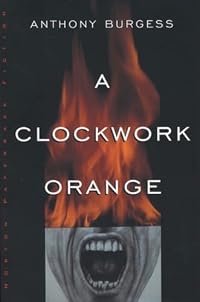
A Clockwork Orange
by Anthony Burgess 
On This Page
Description
Told through a central character, Alex, the disturbing novel creates an alarming futuristic vision of violence, high technology, and authoritarianism. A modern classic of youthful violence and social redemption set in a dismal dystopia whereby a juvenile deliquent undergoes state-sponsored psychological rehabilitation for his aberrant behavior.Tags
Recommendations



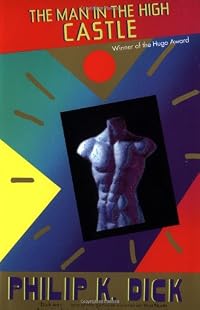

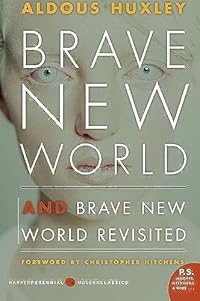
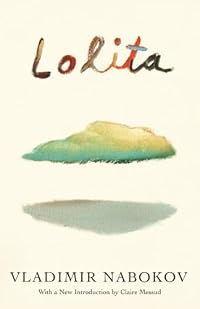
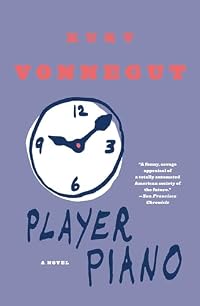
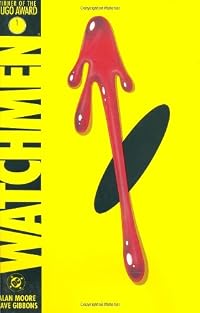
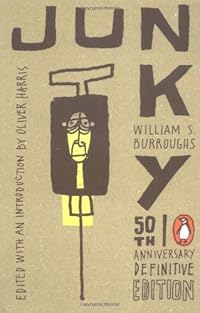
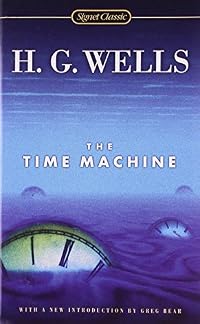


Member Recommendations
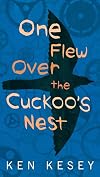
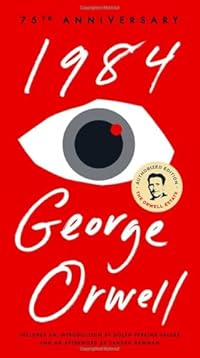
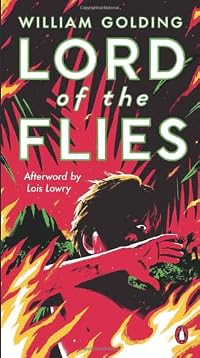
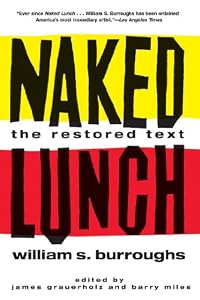
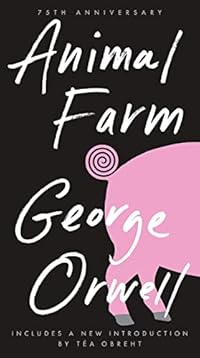
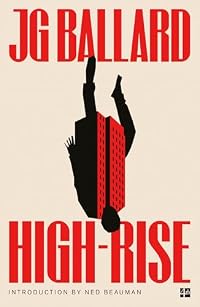
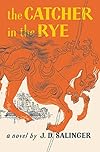
lucyknows One Flew Over the Cuckoo's Nest by Ken Kesey may be paired with A Clockwork Orange by Anthony Burgess or The Outsider by Albert Camus. All three novels explore the them of society versus the individual.
Also recommended by Gregorio_Roth, Gregorio_Roth
171

artturnerjr Futuristic ultraviolent teenage blues
41
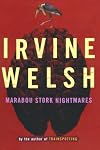
bluepiano Central character is another criminally violent leader of a gang of youths. Here too the gang use slang terms of the author's devising. Less violence, a less straightforward narration, & to me a much more interesting book.
20


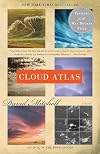
Aeryion The sub-culture of designer drug use and it's effect on the gritty society within Rubicon call back to A Clockwork Orange like an anesthetized echo. The prevalent use and abuse of the potent designer neurocotic Synth and the language (Illuminese) that the addicts speak amongst themselves is a brilliant homage to Burgess's original genius! This story gave me shivers as I read through the vivid hallucinatory narrative. A must read for every fan of the genre!

SnootyBaronet Teddy boys


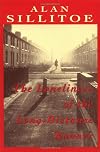
Sammelsurium Both of these classic novels sympathetically portray main characters who commit horrific crimes and thereafter suffer under flawed criminal justice systems. They are written from quite different perspectives, but focus on similar themes of criminal responsibility and reform.

Member Reviews
This novel asks the questions 'If a person's free will to choose evil is taken away, does that make them a good person?
Is a person who chooses good because they feel compelled to by some outside force (religion, punishment, etc.) actually good?
Should a person's free will be taken away for the good of society?'
I know Burgess was anti-communist, and in this book it's the government doing these horrible experiments to try and make society 'homogenous'. I've read this book 4 or 5 times, and it was only right before this most current re-read that I read up on Burgess himself and found out about his political leanings. This novel reads (to me) more like a conservative government trying to control the population, although I know that Burgess show more most likely intended it to be a liberal government.
Ultimately, this book answers all of the above questions, and makes you truly think about the world and how it works. And it gives hope in the fact that people can and do change, not because they have to, but because they want to. show less
Is a person who chooses good because they feel compelled to by some outside force (religion, punishment, etc.) actually good?
Should a person's free will be taken away for the good of society?'
I know Burgess was anti-communist, and in this book it's the government doing these horrible experiments to try and make society 'homogenous'. I've read this book 4 or 5 times, and it was only right before this most current re-read that I read up on Burgess himself and found out about his political leanings. This novel reads (to me) more like a conservative government trying to control the population, although I know that Burgess show more most likely intended it to be a liberal government.
Ultimately, this book answers all of the above questions, and makes you truly think about the world and how it works. And it gives hope in the fact that people can and do change, not because they have to, but because they want to. show less
Like a dose of smelling salts, A Clockwork Orange arrives with force and leaves you feeling queasy, but also leaves you alert. Author Anthony Burgess' dystopian world of teenage gangs roaming about committing random, nihilistic acts of violence sounds disturbingly prescient when viewed from 2025, when news headlines regularly inform us of some new depth plumbed by elements of our society, whether that be school shooters, machete brawls or child-rape gangs. Burgess' world is made even more disturbing by the government's response to these "droogs": comprehensive brainwashing during incarceration which leaves the perpetrators confused, hollowed-out shells who are in turn abused by the weak, vindictive society after they are defanged.
This show more is where the book's enigmatic title comes from; something that ought to grow naturally but which has been hollowed-out and made into a pointless automaton. For such a short book, A Clockwork Orange gets its point across remarkably well. It's hard to pinpoint a specific theme; Burgess doesn't overtly moralize and when he does, in the final chapter, it falls flat – I find myself agreeing with the book's original American publisher when they cut the final chapter from their edition, making the ending darker. But the author's world convinces; his invented slang for the teenage delinquents (the book is written in this vernacular) is surprisingly easy to grasp, and helps pull us into the story rather than push us away. A Clockwork Orange convinces in its nihilistic, dystopian fetish for violence, the government's totalitarian reaction to it, and a weak society's passive acquiescence to it. The latter is not often acknowledged, but often the most important and damaging of the three. The most disturbing thing, for me, is that from the perspective of 2025 the acts of depravity committed by Burgess' characters now seem almost tame compared to the real world. show less
This show more is where the book's enigmatic title comes from; something that ought to grow naturally but which has been hollowed-out and made into a pointless automaton. For such a short book, A Clockwork Orange gets its point across remarkably well. It's hard to pinpoint a specific theme; Burgess doesn't overtly moralize and when he does, in the final chapter, it falls flat – I find myself agreeing with the book's original American publisher when they cut the final chapter from their edition, making the ending darker. But the author's world convinces; his invented slang for the teenage delinquents (the book is written in this vernacular) is surprisingly easy to grasp, and helps pull us into the story rather than push us away. A Clockwork Orange convinces in its nihilistic, dystopian fetish for violence, the government's totalitarian reaction to it, and a weak society's passive acquiescence to it. The latter is not often acknowledged, but often the most important and damaging of the three. The most disturbing thing, for me, is that from the perspective of 2025 the acts of depravity committed by Burgess' characters now seem almost tame compared to the real world. show less
4.5/5
An excellent, short dystopian novel with a unique style and subsequent challenges. A Clockwork Orange follows a delinquent teen, Alex, and initially his three friends on their nighttime drug-induced tours of violence. The book is written from Alex's point of view and in English, but leans heavily on 'nadsat' slang, something that Burgess created out of Russian. This nadsat is what most teenagers use in A Clockwork Orange when addressing each other, a language that confuses the 'starry' (old) class of people. Much as it did for me, for awhile.
A lot of the meaning behind these words can be gleaned from the context clues that Burgess gives you, but it's still a steep learning curve at first. The usage of nadsat continues throughout show more the book, and rarely are actual definitions ever given. I think your enjoyment of A Clockwork Orange is largely dependent on your opinion of this slang language, and the graphic violence that Alex is fond of. Personally I found the nadsat to give the novel a fresh feeling despite it's age. Usually in these older SF novels, the author will include the slang of the period they are writing in, which at the time of publication might make the author seem less like an old fogy, but reading it 50 years later it typically makes the writing pointedly dated. Nadsat gives the world of A Clockwork Orange a unique and real feeling, something that I doubt will dissipate quickly.
The writing itself is typically long-winded in a semi-stream of consciousness style. I had mixed feelings about this, but I loved the structure of the plot itself and the repeated motifs within. I can see merits to both of the two 'ending' chapters (the copy I read included the final chapter that was omitted from the Kubrick film and many editions of the novel), though I think chapter six is a stronger finish to the novel, a resolution that also seems in line with the rest of the work.
A Clockwork Orange revolves mostly around the concept of free-will and choice. What does it mean to make someone 'good', especially if they have no choice to be 'bad'? Can there be rehabilitation through control? These are questions that Burgess doesn't answer directly, but leaves at the reader's feet for examination through Alex himself. There's also commentary on the prison system, government overreach, and police brutality to name a few. Burgess has things to say and doesn't pull any of his punches, which I respect.
It's a classic for a reason. I can see a lot of people disliking, or even hating it for its obsession with graphic violence or the writing style. Still, its a rare book that will illicit strong feelings to either end of the spectrum, and I find these types of works be the most interesting. It speaks to their memorability, their unique qualities that make them stand out of the crowd. A Clockwork Orange is memorable to the extreme, and I'm certain that the memory of reading it will have me back to the well at some point in the future. Interested in see the Kubrick film as well and see how it compares. show less
An excellent, short dystopian novel with a unique style and subsequent challenges. A Clockwork Orange follows a delinquent teen, Alex, and initially his three friends on their nighttime drug-induced tours of violence. The book is written from Alex's point of view and in English, but leans heavily on 'nadsat' slang, something that Burgess created out of Russian. This nadsat is what most teenagers use in A Clockwork Orange when addressing each other, a language that confuses the 'starry' (old) class of people. Much as it did for me, for awhile.
A lot of the meaning behind these words can be gleaned from the context clues that Burgess gives you, but it's still a steep learning curve at first. The usage of nadsat continues throughout show more the book, and rarely are actual definitions ever given. I think your enjoyment of A Clockwork Orange is largely dependent on your opinion of this slang language, and the graphic violence that Alex is fond of. Personally I found the nadsat to give the novel a fresh feeling despite it's age. Usually in these older SF novels, the author will include the slang of the period they are writing in, which at the time of publication might make the author seem less like an old fogy, but reading it 50 years later it typically makes the writing pointedly dated. Nadsat gives the world of A Clockwork Orange a unique and real feeling, something that I doubt will dissipate quickly.
The writing itself is typically long-winded in a semi-stream of consciousness style. I had mixed feelings about this, but I loved the structure of the plot itself and the repeated motifs within. I can see merits to both of the two 'ending' chapters (the copy I read included the final chapter that was omitted from the Kubrick film and many editions of the novel), though I think chapter six is a stronger finish to the novel, a resolution that also seems in line with the rest of the work.
A Clockwork Orange revolves mostly around the concept of free-will and choice. What does it mean to make someone 'good', especially if they have no choice to be 'bad'? Can there be rehabilitation through control? These are questions that Burgess doesn't answer directly, but leaves at the reader's feet for examination through Alex himself. There's also commentary on the prison system, government overreach, and police brutality to name a few. Burgess has things to say and doesn't pull any of his punches, which I respect.
It's a classic for a reason. I can see a lot of people disliking, or even hating it for its obsession with graphic violence or the writing style. Still, its a rare book that will illicit strong feelings to either end of the spectrum, and I find these types of works be the most interesting. It speaks to their memorability, their unique qualities that make them stand out of the crowd. A Clockwork Orange is memorable to the extreme, and I'm certain that the memory of reading it will have me back to the well at some point in the future. Interested in see the Kubrick film as well and see how it compares. show less
I gollied over to the ol’ biblio and signed this choodessny book out, pulling out my card from my carman and handing it over to the devotchka behind the desk. No need for cutter or deng, O my brothers. It’s a real horrowshow book if you like that sort of veshch. Not like the other cal. It was ultraviolent in places but other parts I smecked my gulliver off, my litso must have looked funny like. After reading it, I couldn’t zasnoot. I recommended it to one of my droogs though, saying the book was zammechat and such.
Excellent book. But I agree with the American editor who did not publish the last chapter for the US version. I like the ending of the penultimate chapter where the reader is left wondering what is worse the cure or the natural state. In the version I read (published by Easton Press) the original last chapter that was published everywhere else (UK and the world) portrays the The Humble Narrator to be redeemed to some extent. For me, that limits my imagination and the ability of the reader to bring something to the book themselves. Still, this is a great read. The first third of the book I found particularly difficult to read because of the violence. The middle third was interesting from the point of view of how the treatment is show more perceived by The Humble Narrator. The last third is interesting how everything comes back to roost for The Humble Narrator. Is he redeemed? Is it necessary to be able to choose between good and evil in order to be a moral person? Is someone who is hardwired for evil (or for good) amoral? And what is the limits of the state in keeping its citizens safe (or rather in line with state expectations of behaviour)?
Interesting questions.
I like this rating system by ashleytylerjohn of LibraryThing (https://www.librarything.com/profile/ashleytylerjohn) that I have also adopted:
(Note: 5 stars = rare and amazing, 4 = quite good book, 3 = a decent read, 2 = disappointing, 1 = awful, just awful.) show less
Interesting questions.
I like this rating system by ashleytylerjohn of LibraryThing (https://www.librarything.com/profile/ashleytylerjohn) that I have also adopted:
(Note: 5 stars = rare and amazing, 4 = quite good book, 3 = a decent read, 2 = disappointing, 1 = awful, just awful.) show less
La prima parte è faticosa: Alex racconta la sua storia in prima persona con il suo linguaggio inventato in cui occorre entrare. Poi, se uno ha visto il film di Kubrick, non può non pensare a come lui riesca a rendere alla perfezione questa parte, e a orientarsi sulla posizione "oh, sta a vedere che a questo giro è meglio il film?"
Poi Alex viene preso e comincia la parte della prigione, del Metodo Ludovico (seconda parte) e infine il ritorno alla società (terza parte). E qui, la situazione cambia. Infatti Burgess riesce ad andare a fondo in maniera precisa, in cui ogni dettaglio non è lasciato al caso, in cui i rimandi ad altri punti del romanzo sono precisi e importanti.
Sulle interpretazioni di questo romanzo, credo siano stati show more scritti fiumi di parole, e anche sull'ultimo capitolo che non fa parte dell'Arancia Meccanica di Kubrick (e che, tra l'altro, è stato aggiunto in seguito: Kubrick in prima battuta non lo aveva letto): quello che mi ha colpito, e che credo che mi rimarr, è l'estrema modernità che ho colto.
Burgess lo pubblica nel '62. "La bontà è qualcosa che si sceglie. Quando un uomo non può scegliere cessa d'essere un uomo", dice il cappellano del carcere, quanto ci facciamo anche oggi privare per apparente quieto vivere della nostra libertà di scelta? E ancora, "Ammucchiate dei criminali insieme ed ecco quello che succede. Ottenete della criminalità concentrata, il delitto dentro il gastigo. Presto potremmo aver bisogno di tutto lo spazio delle nostre prigioni per i delinquenti politici", dice il governatore, tirando fuori una quantità di riflessioni sul sistema carcerario e sui totalitarismi che non abbiamo ancora superato. Per non parlare di come Alex viene poi tirato per la giacchetta per essere utilizzato a scopo meramente propagandistico.
Per tirare le fila, 200 e spiccioli pagine dense, non scorrevoli, necessarie. Da (ri)accoppiare con la visione del capolavoro di Kubrick e con tanto Beethoven (e un po' di Mozart). show less
Poi Alex viene preso e comincia la parte della prigione, del Metodo Ludovico (seconda parte) e infine il ritorno alla società (terza parte). E qui, la situazione cambia. Infatti Burgess riesce ad andare a fondo in maniera precisa, in cui ogni dettaglio non è lasciato al caso, in cui i rimandi ad altri punti del romanzo sono precisi e importanti.
Sulle interpretazioni di questo romanzo, credo siano stati show more scritti fiumi di parole, e anche sull'ultimo capitolo che non fa parte dell'Arancia Meccanica di Kubrick (e che, tra l'altro, è stato aggiunto in seguito: Kubrick in prima battuta non lo aveva letto): quello che mi ha colpito, e che credo che mi rimarr, è l'estrema modernità che ho colto.
Burgess lo pubblica nel '62. "La bontà è qualcosa che si sceglie. Quando un uomo non può scegliere cessa d'essere un uomo", dice il cappellano del carcere, quanto ci facciamo anche oggi privare per apparente quieto vivere della nostra libertà di scelta? E ancora, "Ammucchiate dei criminali insieme ed ecco quello che succede. Ottenete della criminalità concentrata, il delitto dentro il gastigo. Presto potremmo aver bisogno di tutto lo spazio delle nostre prigioni per i delinquenti politici", dice il governatore, tirando fuori una quantità di riflessioni sul sistema carcerario e sui totalitarismi che non abbiamo ancora superato. Per non parlare di come Alex viene poi tirato per la giacchetta per essere utilizzato a scopo meramente propagandistico.
Per tirare le fila, 200 e spiccioli pagine dense, non scorrevoli, necessarie. Da (ri)accoppiare con la visione del capolavoro di Kubrick e con tanto Beethoven (e un po' di Mozart). show less
There are not many books that I place in the category of "must read," but this is on that list. The world Burgess creates permeates through past, present, and future cultures. Burgess portrays youth culture as degenerate and immoral, yet his portrayal of how society responds to the hooligan culture is possibly as immoral and degenerate as the youth. Burgess uses a meticulous attention to detail throughout this amazing disturbing tale of youth and Government control to create an unforgettable read.
Members
- Recently Added By
Published Reviews
ThingScore 70
Mr. Burgess, whenever we remeet him in a literary setting, seems to be standing kneedeep in the shavings of new methods, grimed with the metallic filings of bright ideas. A Clockwork Orange, for example, was a book which no one could take seriously for what was supposed to happen in it-its plot and "meaning" were the merest pretenses-but which contained a number of lively notions, as when his show more delinquents use Russian slang and become murderous on Mozart and Beethoven. In a work by Burgess nothing is connected necessarily or organically with anything else but is strung together with wires and pulleys as we go. show less
added by SnootyBaronet
Burgess’s 1962 novel is set in a vaguely Socialist future (roughly, the late seventies or early eighties)—a dreary, routinized England that roving gangs of teenage thugs terrorize at night. In perceiving the amoral destructive potential of youth gangs, Burgess’s ironic fable differs from Orwell’s 1984 in a way that already seems prophetically accurate. The novel is narrated by the show more leader of one of these gangs-—Alex, a conscienceless schoolboy sadist—and, in a witty, extraordinarily sustained literary conceit, narrated in his own slang (Nadsat, the teenagers’ special dialect). The book is a fast read; Burgess, a composer turned novelist, has an ebullient, musical sense of language, and you pick up the meanings of the strange words as the prose rhythms speed you along. show less
added by SnootyBaronet
A Clockwork Orange, the book for which Burgess — to his understandable dismay — is best known. A handy transitional primer for anyone learning Russian, in other respects it is a bit thin. Burgess makes a good ethical point when he says that the state has no right to extirpate the impulse towards violence. But it is hard to see why he is so determined to link the impulse towards violence show more with the aesthetic impulse, unless he suffers, as so many other writers do, from the delusion that the arts are really rather a dangerous occupation. Presumably the connection in the hero’s head between mayhem and music was what led Stanley Kubrick to find the text such an inspiration. Hence the world was regaled with profound images of Malcolm McDowell jumping up and down on people’s chests to the accompaniment of an invisible orchestra.
It is a moot point whether Burgess is saying much about human psychology when he so connects the destructive element with the creative impulse. What is certain is that he is not saying much about politics. Nothing in A Clockwork Orange is very fully worked out. There is only half a paragraph of blurred hints to tell you why the young marauders speak a mixture of English and Russian. Has Britain been invaded recently? Apparently not. Something called ‘propaganda’, presumably of the left-wing variety, is vaguely gestured towards as being responsible for this hybrid speech. But even when we leave the possible causes aside, and just examine the language itself, how could so basic a word as ‘thing’ have been replaced by the Russian word without other, equally basic, words being replaced as well? show less
It is a moot point whether Burgess is saying much about human psychology when he so connects the destructive element with the creative impulse. What is certain is that he is not saying much about politics. Nothing in A Clockwork Orange is very fully worked out. There is only half a paragraph of blurred hints to tell you why the young marauders speak a mixture of English and Russian. Has Britain been invaded recently? Apparently not. Something called ‘propaganda’, presumably of the left-wing variety, is vaguely gestured towards as being responsible for this hybrid speech. But even when we leave the possible causes aside, and just examine the language itself, how could so basic a word as ‘thing’ have been replaced by the Russian word without other, equally basic, words being replaced as well? show less
added by SnootyBaronet
Lists

1001 Books You Must Read Before You Die
1,448 works; 1,132 members

The Guardian's 1000 Novels Everyone Must Read
1,005 works; 549 members
Best Dystopias
280 works; 277 members

Best Science Fiction Novels
816 works; 426 members

Classics you know you should have read but probably haven't
421 works; 407 members

Radcliffe's 100 Best Novel of the 20th Century
100 works; 32 members
501 Must-Read Books
508 works; 71 members

Read the book and saw the movie
1,170 works; 192 members
David Bowie's Top 100
97 works; 23 members
Survey of Classic Science Fiction
171 works; 48 members
20th Century Literature
1,161 works; 54 members

Newsweek's Top 100 Books: The Meta-List
100 works; 18 members
Best of British Literature
226 works; 41 members

Unread books
1,063 works; 84 members
New York Public Library's Books of the Century
120 works; 20 members

Metafiction
84 works; 21 members
NPRs your picks: top 100 Sci-Fi/Fantasy books
297 works; 78 members
Larry McCaffery's 20th Century Greatest Hits: 100 English-Language Books
103 works; 12 members

Weird and Weirder Fiction
266 works; 34 members
1960s, Best books published therein
254 works; 22 members
Unreliable Narrators
170 works; 43 members

Recommend the 20 best books you've read in the last five years
2,167 works; 605 members

Best Crime Fiction
262 works; 39 members
Banned Books Week 2014
268 works; 62 members
Favourite Books
1,817 works; 316 members
Time Magazine's "All-Time 100"
113 works; 15 members

Futurism Works
25 works; 5 members
Dystopian and Apocalyptic Literature
350 works; 74 members

Experimental Literature
141 works; 18 members

Canon de la narrativa universal del siglo XX
254 works; 6 members
Most difficult novels
68 works; 27 members
Time's All-Time 100 Novels
100 works; 27 members

Books Featured on Gilmore Girls
307 works; 21 members

S.F. Masterworks (Complete)
229 works; 15 members
Banned or Challenged Books
400 works; 41 members
New York Public Library's Books of the Century - All
170 works; 14 members

Survey of Science Fiction and Fantasy
101 works; 13 members

Survey of Classic Dystopias
29 works; 4 members

Short and Sweet
243 works; 23 members

Blue Pyramid 1,276 Best Books of All Time
1,248 works; 32 members
Folio Society
831 works; 53 members

1960s
281 works; 16 members
Lithub: 50 Great Classic Novels Under 200 pages
50 works; 10 members
LibraryThingers' 1001 Books You Must Read Before You Die
442 works; 30 members
David Pringle's Science Fiction: The 100 Best Novels
101 works; 9 members

Most Disturbing Books
124 works; 27 members

Top Five Books of 2014
1,064 works; 398 members
Science Fiction
42 works; 7 members

Books Set in Great Britain
191 works; 13 members

Big Jubilee List
70 works; 3 members

Books Read in 2023
5,547 works; 145 members

Best Antiheroes and Antiheroines
119 works; 6 members
1,001 BYMRBYD Concensus
723 works; 27 members

75 Books Challenge Halloween Read "Official" Selections
71 works; 7 members

Watched the Movie, Probably Won't Read the Book
185 works; 34 members

Dark Books for Winter Reading
71 works; 11 members
Top 100 to Read before you Die
109 works; 7 members

did I say that I didn't mean that (unreliable narrators)
34 works; 7 members

Writers as Characters in Fiction
120 works; 18 members

music to my eyes
86 works; 12 members
Top Five Books of 2016
795 works; 228 members
Unbound Worlds 100 Best SF Books
100 works; 8 members

Favorite Audiobooks Listened to in 2011
33 works; 11 members

Amanda's Guaranteed Books
110 works; 5 members

The Greatest Books
99 works; 5 members
Books I've Read
40 works; 2 members
The Guardian's 100 Best Novels Written in English
105 works; 13 members

Easton Press Masterpieces of Science Fiction
30 works; 2 members

Books Read in 2014
2,341 works; 86 members
Best Books Read for TIOLI
49 works; 14 members

Dystopian Novels you should read
25 works; 2 members

Authors from England
147 works; 4 members
David Bowie's List of Top 100 Books
94 works; 6 members

What are your favourite books?
121 works; 11 members

madness prompts and reason writes, says Gide
26 works; 3 members

Speculative Fiction to Read
706 works; 32 members

aborted books in 2021
7 works; 1 member

Books with Colourful Titles
171 works; 8 members

United Kingdom
82 works; 4 members
Overdue Podcast
803 works; 9 members

Favourite Books by Male Authors
29 works; 2 members
Must read
30 works; 2 members

Books Read in 2015
3,298 works; 129 members

Books Read in 2022
5,164 works; 111 members
Literature which inspired Pop songs
85 works; 9 members

Books Read in 2020
4,379 works; 124 members

Libertarian Books
102 works; 19 members
My Favourite Books
86 works; 5 members

Fiction: Classics, Literary, Short Stories
85 works; 1 member

Favourite Books
50 works; 1 member
Dystopia Must-Reads
18 works; 2 members

Retrospective of 20th- and 21st-century literature
154 works; 1 member

living room bookshelf
150 works; 1 member
Our Favorite Banned Books
138 works; 122 members

Recommended Reading : 600 Classics Reviewed, Editors of Salem Press, 2015
634 works; 6 members

The 150 Greatest Novels of All Time
150 works; 6 members

La Bibliothèque idéale de la SF (Éditions Albin Michel, 1988)
52 works; 1 member
Canon de la narrativa universal del s. XX (cicutadry)
499 works; 3 members

Gen X Library
245 works; 4 members
DigitalDreamDoor top 300
300 works; 4 members

Linguistics in Science Fiction
27 works; 4 members

Great Films Based on Books
319 works; 140 members
The Complete Rory Gilmore Reading List
506 works; 5 members

.
194 works; 2 members
School Made Us Read It
380 works; 196 members
el
1,139 works; 1 member

GREAT 1960s BOOKS
37 works; 1 member
.
396 works; 1 member
Modern Library's 100 Best Novels
100 works; 2 members

Books We Resisted Reading
175 works; 103 members
Banned Books
40 works; 2 members

Books With the Most Memorable Titles
478 works; 158 members
Great Short Books: A Year of Reading-Briefly
59 works; 4 members

A Rainbow of Books: Colors in the Title
570 works; 24 members
Speculative Fiction
40 works; 2 members

Books Tagged Abuse
152 works; 4 members
Books Read in 2011
684 works; 20 members

Allie's Wishlist
217 works; 2 members
Books With Time Words in the Title
160 works; 4 members
Fiction For Men
142 works; 11 members

Read
293 works; 4 members
Puffin Books 70th anniversary handbook recommendations
537 works; 10 members

Fave Books
27 works; 1 member
GWFKegel's Dystopia Suggestions
12 works; 1 member
Novels/Poems/Short Stories/Anything Storytelling Related
112 works; 2 members
Jones & Newman: Best Horror Books Further Recommended Reading
577 works; 4 members
To Read
6 works; 1 member

Books Featuring Teens
25 works; 4 members
Books tagged unread
41 works; 1 member

Recommended Science-Fiction Books
40 works; 3 members
um actually
76 works; 3 members

Mustich's 1000 Books to Read Before You Die: A Life Changing List
1,001 works; 18 members

100 knjiga
100 works; 1 member
Five star books
1,755 works; 108 members
Best Satire
188 works; 27 members
Talk Discussions
Past Discussions
August Group Read: A Clockwork Orange in 1001 Books to read before you die (August 2011)
Author Information

120+ Works 48,185 Members
Anthony Burgess was born in 1917 in Manchester, England. He studied language at Xaverian College and Manchester University. He had originally applied for a degree in music, but was unable to pass the entrance exams. Burgess considered himself a composer first, one who later turned to literature. Burgess' first novel, A Vision of Battlements show more (1964), was based on his experiences serving in the British Army. He is perhaps best known for his novel A Clockwork Orange, which was later made into a movie by Stanley Kubrick. In addition to publishing several works of fiction, Burgess also published literary criticism and a linguistics primer. Some of his other titles include The Pianoplayers, This Man and Music, Enderby, The Kingdom of the Wicked, and Little Wilson and Big God. Burgess was living in Monaco when he died in 1993. (Bowker Author Biography) show less
Anthony Burgess has a Legacy Library. Legacy libraries are the personal libraries of famous readers, entered by LibraryThing members from the Legacy Libraries group.
Some Editions
Awards and Honors
Series
Belongs to Publisher Series
Penguin Decades (1960s)
ハヤカワepi文庫 (52)
ハヤカワ文庫 NV (142)
Heyne Allgemeine Reihe (928 / 6777 / 13079)
A tot vent (214)
Grote ABC (210)
Work Relationships
Is contained in
Has the adaptation
Is abridged in
Is expanded in
Has as a study
The fictional universe in four science fiction novels: Anthony Burgess's "A Clockwork Orange," Ursula Le Guin's "The Word for World is Forest," Walter Miller's "A Canticle for Leibowitz," and Roger Zelazny's "Creatures of Light and Darkness." by Sam Joseph Siciliano
Has as a commentary on the text
Common Knowledge
- Canonical title*
- Uhrwerk Orange
- Original title
- A Clockwork Orange
- Alternate titles*
- Die Uhrwerk-Orange; Clockwork Orange; Clockwork Orange: Die Urfassung
- Original publication date
- 1962
- People/Characters
- Alex; Georgie; Pete; Dim; P. R. Deltoid; The Prison Chaplain (show all 11); The Governor; Dr. Brodsky; Dr. Branom; F. Alexander; Otto Skadelig
- Important places
- England, UK; United Kingdom
- Related movies
- A Clockwork Orange (1971 | IMDb); Vinyl (1965 | IMDb); A Clockwork Orgy (1995 | IMDb)
- First words
- 'What's it going to be then, eh?'
- Quotations
- Goodness comes from within [...] Goodness is something chosen. When a man cannot choose he ceases to be a man.
Does God want goodness or the choice of goodness? Is a man who chooses to be bad perhaps in some way better than a man who has the good imposed upon him?
There is, in fact, not much point in writing a novel unless you can show the possibility of moral transformation, or an increase in wisdom, operating in your chief character or characters.
It's funny how the colors of the real world only seem really real when you watch them on a screen.
Then I noticed, in all my pain and sickness, what music it was that like crackled and boomed on the sound-track, and it was Ludwig van, the last movement of the Fifth Symphony, and I creeched like bezoomny at that. ‘Stop!â€... (show all)™ I creeched. ‘Stop, you grahzny disgusting sods. It’s a sin, that’s what it is, a filthy unforgivable sin, you bratchnies!’ - Last words
- (Click to show. Warning: May contain spoilers.)I was cured all right. (US Edition)
(Click to show. Warning: May contain spoilers.)But you, O my brothers, remember sometimes they little Alex that was. Amen. And all that cal. - Publisher's editor*
- William Heinemann
- Blurbers
- Burroughs, William S.; Dahl, Roald
- Original language
- English
- Canonical DDC/MDS
- 823.087624
- Canonical LCC
- PR6052.U638
- Disambiguation notice
- original British; revised American
*Some information comes from Common Knowledge in other languages. Click "Edit" for more information.
Classifications
- Genres
- Science Fiction, Fiction and Literature, General Fiction
- DDC/MDS
- 823.087624 — Literature & rhetoric English & Old English literatures English fiction By type Genre fiction Adventure fiction Speculative fiction Science fiction Dystopian
- LCC
- PR6052 .U638 — Language and Literature English English Literature 1961-2000
- BISAC
Statistics
- Members
- 28,558
- Popularity
- 133
- Reviews
- 414
- Rating
- (3.99)
- Languages
- 31 — Bulgarian, Catalan, Chinese, Czech, Danish, Dutch, English, Estonian, Finnish, French, German, Greek, Hungarian, Italian, Japanese, Korean, Latvian, Lithuanian, Norwegian (Bokmål), Polish, Romanian, Russian, Serbian, Slovak, Slovenian, Spanish, Swedish, Turkish, Ukrainian, Portuguese (Portugal), Portuguese (Brazil)
- Media
- Paper, Audiobook, Ebook
- ISBNs
- 247
- UPCs
- 1
- ASINs
- 129