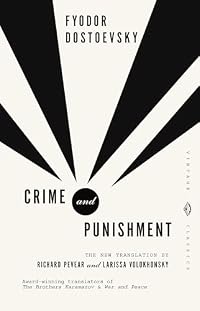
Crime and Punishment
by Fyodor Dostoyevsky
There is 1 current discussion about this work.
On This Page
Description
Fyodor Dostoevsky's Crime and Punishment is one of the world's first psychological thrillers. A mesmerizing detective story with an intriguing and multifarious central character, Crime and Punishment hinges on the ethical dilemmas and angst of the student Rodion Romanovich Raskolnikov who plans and implements the murder of a ruthless pawnbroker. Rodion convinces himself that in killing her he will both solves his financial problems and divests the world of a wicked leech. But can he commit a show more murder and escape all consequences? show lessTags
Recommendations
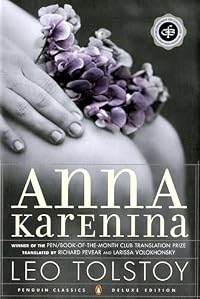
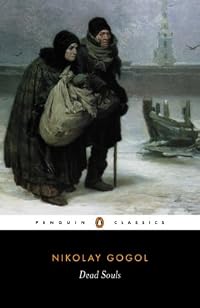
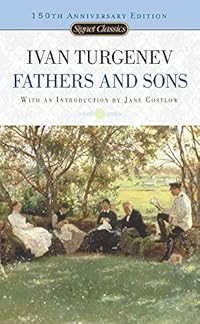
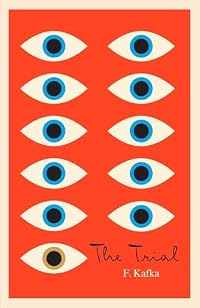
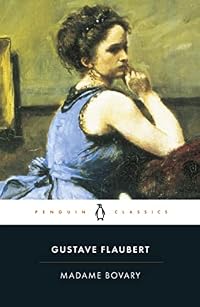
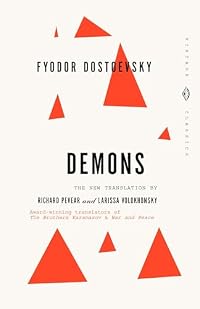
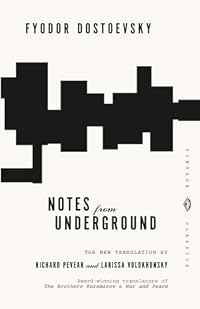

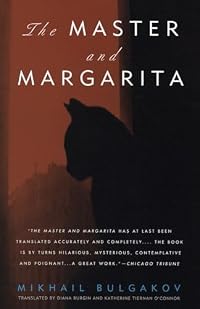

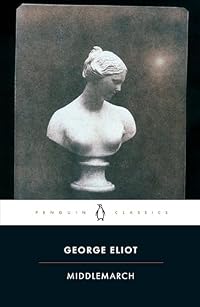

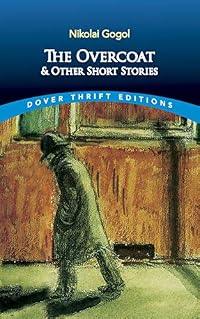
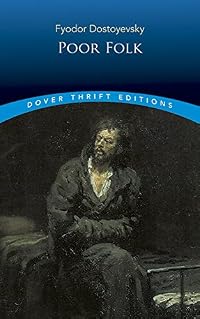
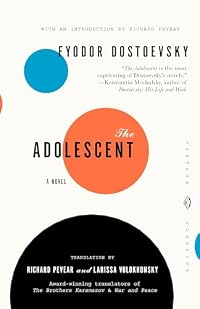

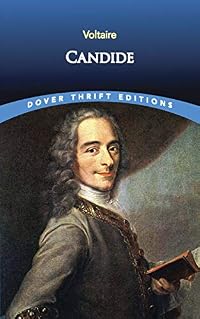
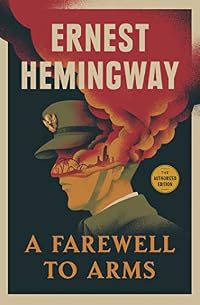
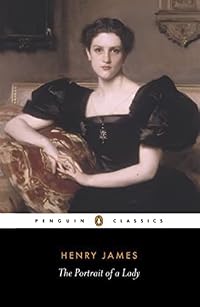
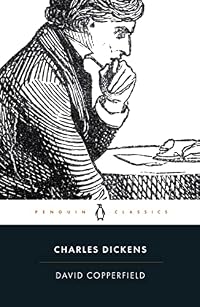

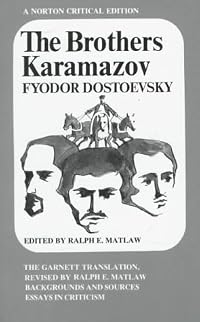
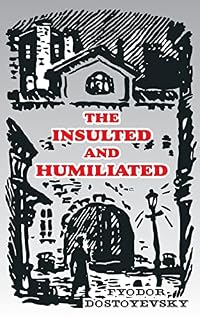
Member Recommendations
PrincessPaulina "The Idiot" is overlooked compared to Dostoevsky's other work, but in my opinion it's the most engaging. Deals with upper crust society in pre-revolutionary Russia
zasmine For more of his social dissection
260
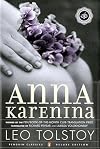
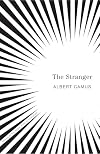
DLSmithies A compare-and-contrast exercise - Raskolnikov is all nervous energy and hypertension, whereas Meursault is detatched, calm, and won't pretend to feel remorse. Two masterpieces.
Also recommended by chrisharpe
176
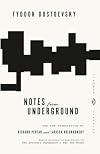

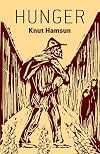
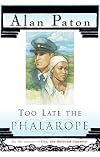
ubgle Another novel with the theme of a man's downfall, though you connect with the characters less than you do with Crime and Punishment.
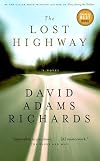
figsfromthistle Both novels show the unravelling of the human conscience and the lengths the main protagonists go to convince themselves that their crime was necessary.
12
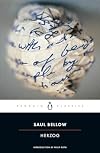
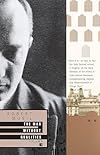
klerulo Both these works attempt to get inside the head of singularly amoral sociopathic murderers.
511
Member Reviews
Reading Crime and Punishment feels like being locked in a really slimy, sticky, smoky dive bar with your own conscience after way too many vodkas. Dostoevsky doesn’t write a story so much as he drags you by the scruff of your soul into the sweat-soaked brain of a man who thinks he’s smarter than morality, and then shows you what happens when the hangover kicks in.
Raskolnikov is not a murderer in the cinematic sense. He’s the guy we all secretly fear we might be on a bad day — overthinking everything, justifying the unforgivable, then spiraling into a swamp of guilt so thick you can feel the mildew. Dostoevsky turns the act of killing into a philosophical migraine, and by the time you come up for air, you’re questioning whether show more you did it too.
This isn’t a crime novel. It’s an autopsy on human arrogance, performed with a dull and rusted butter knife. The punishment isn’t the Siberian gulag — it’s the relentless self-awareness that comes after.
I’ve read it a dozen times and still can’t tell if it’s a confession, a curse, or a manual for losing your mind in slow motion. But it’s brilliant. Every page smells of poverty, sweat, and existential panic — the kind of prose that makes you want to wash your hands more than once and pour another very large glass of vodka.
If you’ve ever wanted to know what madness sounds like from the inside, Crime and Punishment is one of the best write ups of the internal monkey-mind madness that none of us really want to live. show less
Raskolnikov is not a murderer in the cinematic sense. He’s the guy we all secretly fear we might be on a bad day — overthinking everything, justifying the unforgivable, then spiraling into a swamp of guilt so thick you can feel the mildew. Dostoevsky turns the act of killing into a philosophical migraine, and by the time you come up for air, you’re questioning whether show more you did it too.
This isn’t a crime novel. It’s an autopsy on human arrogance, performed with a dull and rusted butter knife. The punishment isn’t the Siberian gulag — it’s the relentless self-awareness that comes after.
I’ve read it a dozen times and still can’t tell if it’s a confession, a curse, or a manual for losing your mind in slow motion. But it’s brilliant. Every page smells of poverty, sweat, and existential panic — the kind of prose that makes you want to wash your hands more than once and pour another very large glass of vodka.
If you’ve ever wanted to know what madness sounds like from the inside, Crime and Punishment is one of the best write ups of the internal monkey-mind madness that none of us really want to live. show less
Raskolnikov is a young law student with a theory: that there are certain, extraordinary men alive who can bypass both moral codes and human laws in favor of the greater good. To prove himself an extraordinary man, an ubermensch, Raskolnikov plans to test his theory by committing the ultimate transgression: murder.
Spoiler alert: he is in fact not an extraordinary man. He is a quite, quite normal man. Who has now committed homicide and is on the run from the cops.
The great thing about this whodunit is that you already KNOW whodunit! This fact makes this 500 page Russian classic even more interesting. As Raskolnikov breaks down, trying to hide his crime from his friends, family, and the detective in charge of the case, you get a show more fascinating glimpse into the human psyche in times of distress. Half of Raskolnikov desperately wants to confess. The other would prefer to take his guilt to the grave.
In my opinion, as much as I love Raskolnikov, the best part of this book are the side characters, each of whom represents a portion of Raskolnikov's mental state. There's the devout Sonia, the charismatic Razumikhin, the hedonistic Svidrigailov, the determined Porfiry, and the self-assured Dunya. They all feel so real, and they all enhance the book that much more.
This was my first full Dostoevsky novel (my actual first experience with him was "Notes from Underground" which I also highly recommend), and it made me fall in love with his view of humanity, guilt, and purity, as well as his gorgeous writing style. It's a classic for a reason. show less
Spoiler alert: he is in fact not an extraordinary man. He is a quite, quite normal man. Who has now committed homicide and is on the run from the cops.
The great thing about this whodunit is that you already KNOW whodunit! This fact makes this 500 page Russian classic even more interesting. As Raskolnikov breaks down, trying to hide his crime from his friends, family, and the detective in charge of the case, you get a show more fascinating glimpse into the human psyche in times of distress. Half of Raskolnikov desperately wants to confess. The other would prefer to take his guilt to the grave.
In my opinion, as much as I love Raskolnikov, the best part of this book are the side characters, each of whom represents a portion of Raskolnikov's mental state. There's the devout Sonia, the charismatic Razumikhin, the hedonistic Svidrigailov, the determined Porfiry, and the self-assured Dunya. They all feel so real, and they all enhance the book that much more.
This was my first full Dostoevsky novel (my actual first experience with him was "Notes from Underground" which I also highly recommend), and it made me fall in love with his view of humanity, guilt, and purity, as well as his gorgeous writing style. It's a classic for a reason. show less
What I thought: When my friend recommended this book I thought about it briefly, but was intimidated by reading a long, Russian classic that I was utterly unfamiliar with. And indeed, the length of this novel (my library copy came in at 629 pages) is intimidating. So when I decided to read it this year, I joined another group read and was a little nervous, expecting some long, dense passages like those I had come up against in The Brothers Karamazov.
What I found: This is an incredibly readable, compelling story of a man, Rodion Romanovitch Raskolnikov, who considers committing a terrible deed that has been haunting his dreams for some time. "Rodya" is a very flawed yet sympathetic character, and the reader is drawn into his life as well show more as meeting many other memorable characters along the way. There are philosophical passages, yes, but they're thoughtful without being too dense, and Dostoevsky knows how to write fast-paced passages when the situation calls for it. A few times I was practically holding my breath, reading as fast as I could to find out what happens next; other times I was slowing myself down to think about what he was saying and whether I agreed that a certain class of people was above the law and thus above guilt. All the while, I had the sense that the author knew exactly what he was doing in crafting the story and looked forward to seeing how he brought it all together. If I had to briefly summarize Crime and Punishment, I would say that it is a psychological investigation of motives, guilt, and choices that humans make. All in all, I'm very glad that I listened to my friend instead of my misgivings. show less
What I found: This is an incredibly readable, compelling story of a man, Rodion Romanovitch Raskolnikov, who considers committing a terrible deed that has been haunting his dreams for some time. "Rodya" is a very flawed yet sympathetic character, and the reader is drawn into his life as well show more as meeting many other memorable characters along the way. There are philosophical passages, yes, but they're thoughtful without being too dense, and Dostoevsky knows how to write fast-paced passages when the situation calls for it. A few times I was practically holding my breath, reading as fast as I could to find out what happens next; other times I was slowing myself down to think about what he was saying and whether I agreed that a certain class of people was above the law and thus above guilt. All the while, I had the sense that the author knew exactly what he was doing in crafting the story and looked forward to seeing how he brought it all together. If I had to briefly summarize Crime and Punishment, I would say that it is a psychological investigation of motives, guilt, and choices that humans make. All in all, I'm very glad that I listened to my friend instead of my misgivings. show less
Applies to the Kindle Edition of the Penguin translation by Oliver Ready. As readable as the one I’m most familiar by Constance Garnett, & I’m sure more accurate. Good, detailed notes that explain the cultural context & the St. Petersburg locations of the time. Insightful introduction. Has a “cast of characters” section which should be in more modern editions of long 19th century novels, or even contemporary ones, like Stephen King. Not simply a list, Ready also explains the implications of the names that are suggestive of theological & philosophical concepts that a non-reader of the language or the political & religious movements of the times would not be familiar with. Insightful introduction by the translator. Too bad he show more hasn’t translated more Dostoyevsky – I find the Peaver/Volkhonsky ones to be a slog. Another plus that isn’t always the case with the Kindle editions—this one has page numbers; the default location identifier in the Kindles is often just x digits of y total digits, which makes citations impossible. I was reading the Oxford World’s Classics edition of Little Dorrit even though I own a paperback copy of the same edition, because, at my age, the print of most of the Oxfords is way too small. I had to keep the hardcopy by my side for reference to get a better visual of where I was in the 900 p. Dickens novel.
The experience of the novel in Garnett (high school/college, read at least twice) & Ready is sensational, more gripping & faster moving than the Stephen King novel I finished the week before, and King thrillers move like a bullet train. I read D.’s Demons aka Devils in a Magarshack translation many years later, & I’d forgotten how much C&P anticipates it with characters addled by Chernyshevsky, and which might as well have been satirizing the progressives of the late 60’s early 70’s from my college years. The thing to keep in mind is that D.’s novels are funny in an appalling over the top way; he’s a master of scenes where things simply go off the rails. Consider the funeral supper for Marmeladov where his widow Katerina Ivanovna goes hammer & tongs with her German landlady and ends up out on the streets thinking she will make a living playing the barrel organ while whacking her dazed children to make them dance & sing. The grotesque black humor I can’t help thinking King re-imagined in the scene of the son’s funeral in Pet Semetery where Dad’s brawl with the in-laws knocks the child’s coffin to the floor. The other thing is he can be like Dickens on steroids – Svidrigailov could be the reincarnation of Quilp drooling over Little Nell when he describes his 16 year old “fiancée” to Raskolnikov: ”That lovely fair hair of hers, done up in those sweet little lamb’s curls, those chubby little lips, those little legs. Just adorable!” (576). And Sonya Semyonovna is more virtuously operatic than Little Amy Dorrit in her redemptive powers; the scene where Raskolnikov confesses to her truly brought me to tears. C&P: you’ll laugh – not to forget Luzhin, the latter day Uriah Heep -- you’ll cry.
Be that as it may, I agree with Ready that D.’s Raskolnikov protagonist is disturbingly ambivalent. Is he resurrected by Christian charity or has a legion of devils simply taken over our hero-murderer, jumping from Svidrigailov to the highly suggestible ex-student after D.’s surrogate, modernized devil commits suicide? Rascal Raskolnikov might be redeemed by his Mary Magdalene, but he could also be a conservative bete-noir, the murderer who skates by calling up all sorts of environmental excuses & acts of charity to get a reduced sentence. The doting mother who can never believe her son would do that but her subconscious knows; the sister who is shocked but “moves on” – characters you see on the Internet all too often. Even after sentencing he still thinks murdering the pawnbroker was justified (like killing the Jews in the 20th century) & he conveniently forgets he also murdered the pawnbroker’s pious, kindly, abused sister, the double as it were of Sonya. Does he ever feel any remorse for his deeds? Is D. using spirituality to give the audience a happy epilogue? Is D. being the devious politician who gives the libertarians and the evangelicals what they want even though what either party wants is exactly what the opposite party does not. I mean, if there was a kernel of remorse in the knave, why didn’t he turn himself in immediately? He doesn’t seem particularly afraid of “punishment.” But that would be a short story. Reading C&P is almost like looking over the shoulder of a novelist as actor, constantly asking himself, as they do nowadays, What’s my motive? What’s my motive?” For me, the motive issue is less about the decision to commit the crime, but more about the endless games R. plays to avoid admitting guilt, if he ever does, with Porfiry like a critic constantly hectoring the novelist about his various stratagems for delaying the inevitable conclusion. show less
The experience of the novel in Garnett (high school/college, read at least twice) & Ready is sensational, more gripping & faster moving than the Stephen King novel I finished the week before, and King thrillers move like a bullet train. I read D.’s Demons aka Devils in a Magarshack translation many years later, & I’d forgotten how much C&P anticipates it with characters addled by Chernyshevsky, and which might as well have been satirizing the progressives of the late 60’s early 70’s from my college years. The thing to keep in mind is that D.’s novels are funny in an appalling over the top way; he’s a master of scenes where things simply go off the rails. Consider the funeral supper for Marmeladov where his widow Katerina Ivanovna goes hammer & tongs with her German landlady and ends up out on the streets thinking she will make a living playing the barrel organ while whacking her dazed children to make them dance & sing. The grotesque black humor I can’t help thinking King re-imagined in the scene of the son’s funeral in Pet Semetery where Dad’s brawl with the in-laws knocks the child’s coffin to the floor. The other thing is he can be like Dickens on steroids – Svidrigailov could be the reincarnation of Quilp drooling over Little Nell when he describes his 16 year old “fiancée” to Raskolnikov: ”That lovely fair hair of hers, done up in those sweet little lamb’s curls, those chubby little lips, those little legs. Just adorable!” (576). And Sonya Semyonovna is more virtuously operatic than Little Amy Dorrit in her redemptive powers; the scene where Raskolnikov confesses to her truly brought me to tears. C&P: you’ll laugh – not to forget Luzhin, the latter day Uriah Heep -- you’ll cry.
Be that as it may, I agree with Ready that D.’s Raskolnikov protagonist is disturbingly ambivalent. Is he resurrected by Christian charity or has a legion of devils simply taken over our hero-murderer, jumping from Svidrigailov to the highly suggestible ex-student after D.’s surrogate, modernized devil commits suicide? Rascal Raskolnikov might be redeemed by his Mary Magdalene, but he could also be a conservative bete-noir, the murderer who skates by calling up all sorts of environmental excuses & acts of charity to get a reduced sentence. The doting mother who can never believe her son would do that but her subconscious knows; the sister who is shocked but “moves on” – characters you see on the Internet all too often. Even after sentencing he still thinks murdering the pawnbroker was justified (like killing the Jews in the 20th century) & he conveniently forgets he also murdered the pawnbroker’s pious, kindly, abused sister, the double as it were of Sonya. Does he ever feel any remorse for his deeds? Is D. using spirituality to give the audience a happy epilogue? Is D. being the devious politician who gives the libertarians and the evangelicals what they want even though what either party wants is exactly what the opposite party does not. I mean, if there was a kernel of remorse in the knave, why didn’t he turn himself in immediately? He doesn’t seem particularly afraid of “punishment.” But that would be a short story. Reading C&P is almost like looking over the shoulder of a novelist as actor, constantly asking himself, as they do nowadays, What’s my motive? What’s my motive?” For me, the motive issue is less about the decision to commit the crime, but more about the endless games R. plays to avoid admitting guilt, if he ever does, with Porfiry like a critic constantly hectoring the novelist about his various stratagems for delaying the inevitable conclusion. show less
This book is often touted as the portrait of a man who reasons his way into committing a crime. But I like to think of it as a cautionary tale about the dangers of never questioning your own beliefs and falling in love with the sound of your own voice. This book even more relevant today with our world of endless online echo chambers telling us only what we want to hear. Dostoyevsky's protagonist had to socially isolate himself to fall into the same mistake.
6.5/10 * See below
I'm just not the (fan) reader that I used to be, for this old guy did nothing but annoy me in this rereading. Oh my. I'm sure there's a little corner of hell reserved especially for me -- for all readers who do not appreciate D. I think we will be in good company, though. I'm afraid I'm with Nabokov on this one: yep, Dostoevsky is a bit of a claptrap journalist.
Journalist in the most antiseptic, honest use of the word: a writer of journals. And boring ones at that.
We follow Raskolnikov through the streets of St. Petersburg like mangy mutts looking for that last bit of good scrap left at the butcher's door, after hours. We rarely get fed.
The weeping and the gnashing of teeth, and the rending of garments is Bible Class show more 101 -- and to this reader, becomes an old bone that just doesn't make soup, after the first half dozen references. We move over the same ground --- over -- and over -- and over again: there are more switchbacks here than in Pike's Peak.
I object to the suffering; to the desire for suffering which is supposed to right one's character; to suffering with or without purpose; to the suffering that will cleanse you and make you a better human. Ha. Tell that to anyone who has suffered. Tell that to any victim of disease or war or poverty or heartbreak. And then wait to hear their response, how they've been cleansed, and healed and fulfilled. Ha.
Dostoyevksy just couldn't let that sh*t go. I mean, enough already. It's obvious to me he's a very slow learner and not the hero-god-of-understanding that we've all made him out to be.
When I was 18, I ate this stuff up with a spoon; and when I was in uni and studying it seriously, we were force fed the party line: can there be redemption after sinning?! Yes, there can be, if you suffer enough and are sorry enough -- and if you pay your dues in Folsom Prison. I mean, really???!! Did it really need 1000 pages to learn what we all learn in kindergarten?
I don't find Raskolnikov's anguish laudable; I don't find his self-abnegation estimable. I just find it a waste of a good life. Grow a backbone, and get on with it, boy.
To add insult to injury, D. writes long, nonsensical jabbery sentences that swerve with no end in sight. Maybe that's the translator's fault -- but I don't think so. I've read D. now in various guises, and it's all the same blah-dee-blah-blah-blah, woe-is-moi, kill-me-now-and-feed-my-body-to-the-pigs sentences both in form and content. Each novel has the same plot line, the same whining, spineless characters, the same suffering. Heck, they even wear the same threadbare clothes, without exception: the same buttons missing from the same shabby jackets; the same holes in the same down-at-heel boots.
Tolstoy is the better writer, the better thinker. When his characters bleed and suffer, I bleed and suffer right along with them. I understand where he leads me. When D. writes about suffering, I just want to slap him. I become impatient for I see through his foibles from 50 paces, and can anticipate his resolution three days before he writes it down. He's predictable, annoying and exasperating in his simplicity.
There's my rant. Fini.
* Why 6.5/10
There's a good story here. He couldn't write his way out of a paper bag (I seriously choke when I read the lines that he may be the best novelist that ever lived). But I will concede that he did much to shape the future of Russian literature -- and for that alone, he ranks among the greats.
So: for substance: 8 but style, barely a 5. show less
I'm just not the (fan) reader that I used to be, for this old guy did nothing but annoy me in this rereading. Oh my. I'm sure there's a little corner of hell reserved especially for me -- for all readers who do not appreciate D. I think we will be in good company, though. I'm afraid I'm with Nabokov on this one: yep, Dostoevsky is a bit of a claptrap journalist.
Journalist in the most antiseptic, honest use of the word: a writer of journals. And boring ones at that.
We follow Raskolnikov through the streets of St. Petersburg like mangy mutts looking for that last bit of good scrap left at the butcher's door, after hours. We rarely get fed.
The weeping and the gnashing of teeth, and the rending of garments is Bible Class show more 101 -- and to this reader, becomes an old bone that just doesn't make soup, after the first half dozen references. We move over the same ground --- over -- and over -- and over again: there are more switchbacks here than in Pike's Peak.
I object to the suffering; to the desire for suffering which is supposed to right one's character; to suffering with or without purpose; to the suffering that will cleanse you and make you a better human. Ha. Tell that to anyone who has suffered. Tell that to any victim of disease or war or poverty or heartbreak. And then wait to hear their response, how they've been cleansed, and healed and fulfilled. Ha.
Dostoyevksy just couldn't let that sh*t go. I mean, enough already. It's obvious to me he's a very slow learner and not the hero-god-of-understanding that we've all made him out to be.
When I was 18, I ate this stuff up with a spoon; and when I was in uni and studying it seriously, we were force fed the party line: can there be redemption after sinning?! Yes, there can be, if you suffer enough and are sorry enough -- and if you pay your dues in Folsom Prison. I mean, really???!! Did it really need 1000 pages to learn what we all learn in kindergarten?
I don't find Raskolnikov's anguish laudable; I don't find his self-abnegation estimable. I just find it a waste of a good life. Grow a backbone, and get on with it, boy.
To add insult to injury, D. writes long, nonsensical jabbery sentences that swerve with no end in sight. Maybe that's the translator's fault -- but I don't think so. I've read D. now in various guises, and it's all the same blah-dee-blah-blah-blah, woe-is-moi, kill-me-now-and-feed-my-body-to-the-pigs sentences both in form and content. Each novel has the same plot line, the same whining, spineless characters, the same suffering. Heck, they even wear the same threadbare clothes, without exception: the same buttons missing from the same shabby jackets; the same holes in the same down-at-heel boots.
Tolstoy is the better writer, the better thinker. When his characters bleed and suffer, I bleed and suffer right along with them. I understand where he leads me. When D. writes about suffering, I just want to slap him. I become impatient for I see through his foibles from 50 paces, and can anticipate his resolution three days before he writes it down. He's predictable, annoying and exasperating in his simplicity.
There's my rant. Fini.
* Why 6.5/10
There's a good story here. He couldn't write his way out of a paper bag (I seriously choke when I read the lines that he may be the best novelist that ever lived). But I will concede that he did much to shape the future of Russian literature -- and for that alone, he ranks among the greats.
So: for substance: 8 but style, barely a 5. show less
"Crime and Punishment" is not about either, but about the space between. Little time is spent dwelling on motive before the title's crime occurs. It must be murder, to drive the story to be told, but in order to render maximum sympathy for Rodian the motive remains obscured and his efforts clumsy without personal gain. The majority of the story by far is focussed upon what comes after. Mortal paranoia works against Rodian and he contemplates every form of escape: confession, being accused of his crime at last, or achieving the absolute certainty of avoiding justice. It is difficult to watch him thrust away anyone who would help him, be they friends or family. Guilt drives loneliness; with whom can he share his agony before madness show more descends? As his straitened circumstances progress, he cannot accept being close with anyone besides those who would regard him as a benefactor, and seeks some form of kinship among society's lowest strata.
When Rodian's motive becomes more clear, half the story is already done and the reader is no longer likely to pass summary judgement. By then we know his good side through how well-regarded he is by those who have known him best, and how protective he is of others even as he scorns them at the same time. It is impossible to hope that he will get away with murder, but it is something to hope that he will find the error in his thinking that led him astray. The question then is whether corporal punishment is required to see this realization through, or can a criminal arrive at redemption independently? Dostoevsky spent time as a political prisoner and had ample time to consider the purpose and impact of criminal justice upon society and those it punished. Reading into this novel the result of those musings, it seems to me he could not satisfy himself as to the answer. show less
When Rodian's motive becomes more clear, half the story is already done and the reader is no longer likely to pass summary judgement. By then we know his good side through how well-regarded he is by those who have known him best, and how protective he is of others even as he scorns them at the same time. It is impossible to hope that he will get away with murder, but it is something to hope that he will find the error in his thinking that led him astray. The question then is whether corporal punishment is required to see this realization through, or can a criminal arrive at redemption independently? Dostoevsky spent time as a political prisoner and had ample time to consider the purpose and impact of criminal justice upon society and those it punished. Reading into this novel the result of those musings, it seems to me he could not satisfy himself as to the answer. show less
Members
- Recently Added By
Lists

The Guardian's 1000 Novels Everyone Must Read
1,005 works; 549 members

1001 Books You Must Read Before You Die
1,448 works; 1,132 members

Classics you know you should have read but probably haven't
420 works; 407 members
501 Must-Read Books
508 works; 71 members
BBC Big Read
191 works; 45 members

Favourite 19th century fiction
257 works; 60 members

Russian Literature
184 works; 35 members

Favourite Books
1,817 works; 316 members

Favorite Long Books
330 works; 42 members

The Top Ten: Writers Pick Their Favorite Books
240 works; 31 members

Philosophical Fiction
97 works; 27 members

Philip Ward's Lifetime Reading Plan
592 works; 22 members

Best Psychological Fiction
81 works; 16 members
Best Political Fiction
92 works; 12 members

PBS The Great American Read
100 works; 21 members

19th Century
190 works; 16 members
LibraryThingers' 1001 Books You Must Read Before You Die
442 works; 29 members

Western World's Greatest Books - Project Gutenberg
295 works; 15 members

Books Featured on Gilmore Girls
307 works; 21 members

100 Most Recommended Works
100 works; 11 members
Folio Society
831 works; 51 members
Out of Copyright
244 works; 14 members
BBC Big Read
100 works; 10 members
Stream of Consciousness
87 works; 8 members
Five star books
1,755 works; 107 members

The One Book That Changed You
15 works; 16 members
Books I've Read More Than Once
602 works; 49 members
How to Read a Book's Recommended Reading List
309 works; 10 members

Books featuring alcoholics
103 works; 18 members
Top 100 Mystery Novels of All Time
98 works; 9 members
Jordan B. Peterson's Recommended Books
104 works; 5 members

Top 100 to Read before you Die
109 works; 7 members

Best Antiheroes and Antiheroines
119 works; 7 members

A Novel Cure
742 works; 23 members
1,001 BYMRBYD Concensus
723 works; 27 members

Best Crime Fiction
48 works; 3 members

1964 College Preparatory Reading List
202 works; 8 members
Mensa for Kids Excellence in Reading Award Program (Grades 9-12)
116 works; 3 members
Lamont's Hundred Best Novels (1947)
100 works; 4 members
Fake Top 100 Fiction
81 works; 4 members
The Well-Educated Mind Reading Challenge
75 works; 7 members
Newark Public Library's 1904 List of a Thousand of the Best Novels
95 works; 5 members
Existentialism
90 works; 11 members
Mensa for Kids Excellence in Reading Award Program (Grades 9-12)
116 works; 4 members
Wanted
2 works; 1 member

Shaykh Hamza's Book Recommendations
439 works; 3 members
Mind Expanding Books by hackerkid
581 works; 8 members
The College Board: 101 Great Books Recommended for College-Bound Readers
111 works; 7 members

1860s
25 works; 4 members

Books set in Moscow
16 works; 1 member
Realism
9 works; 1 member

100 books that changed the world
31 works; 2 members

SHOULD Read Books!
354 works; 9 members

Well-Educated Mind
150 works; 3 members

BBC Top Books
78 works; 3 members

Russian Literature Sequence
28 works; 1 member

Top 50 Favourite Books
50 works; 2 members

Books set in Saint Petersburg
16 works; 1 member

Books on my Kindle
162 works; 3 members
Literature in Translation
113 works; 5 members

Haycraft Queen Cornerstones
181 works; 3 members
Books About Murder
313 works; 7 members

100
56 works; 1 member

aborted books in 2022
14 works; 1 member

Books Read in 2017
4,248 works; 130 members

Plan to Read Books
75 works; 1 member
DELETE
48 works; 2 members
http://thegreatestbooks.org's Greatest Fiction Books
59 works; 1 member
Shelf 101
60 works; 1 member

Detective Stories
343 works; 5 members

Books talked about in Pamela Dean's Tam Lin
74 works; 1 member
The Complete Rory Gilmore Reading List
506 works; 5 members
The Well-Educated Mind, Susan Wise Bauer, 2016
179 works; 3 members

Books recommended by Calgary Public Library staff
1,588 works; 4 members

Recommended Reading : 600 Classics Reviewed, Editors of Salem Press, 2015
634 works; 6 members

The 150 Greatest Novels of All Time
150 works; 6 members
My Favorite Russian Novels
37 works; 2 members
Books in Riverdale
123 works; 3 members
Favorite Books in Translation
320 works; 133 members
Physical TBR List
68 works; 1 member

DigitalDreamDoor top 300
300 works; 4 members

Fyodor Dostoevsky books
17 works; 1 member

.
194 works; 2 members
bound
100 works; 1 member
School Made Us Read It
380 works; 196 members
In Our Time books
4,934 works; 2 members

𓐩hought Daughter ♱♰✟✞✝︎☨†˚₊‧꒰ა ♱ ໒꒱ ‧
38 works; 1 member

The Five Books That Represent Us
389 works; 146 members
el
1,139 works; 1 member
.
396 works; 1 member

Top Five Books of 2025
950 works; 302 members
Very Long Novels
15 works; 1 member
Books We Love to Reread
688 works; 296 members

Ghost Stories That Thrill Us
254 works; 114 members
'Books You Can't Live Without: The Top 100', The Guardian, 2007
156 works; 7 members

Greatest Books, allegedly
484 works; 9 members

philosophy
28 works; 2 members
important
24 works; 1 member

Books mentioned in Julian Symons’ Bloody Murder
438 works; 6 members

All Things Russia
459 works; 11 members
Trinity College Booklist (1951): Class Nine, Foreign Literatures
161 works; 3 members

Art of Reading
188 works; 5 members

Bibliografia essenziale
86 works; 2 members

Ten Unforgettable Dreams in Literature
10 works; 4 members
The 100 Best Books of All Time by Norwegian Book Club (World Library)
104 works; 23 members

Books Read in 2014
2,341 works; 89 members
Best books I read in 2013
152 works; 3 members

Books Read in 2021
5,361 works; 113 members
Fave Books
27 works; 1 member

Literary Classics To Read (pre 1900)
19 works; 2 members

Books Referenced by Izetbegovic's Islam Between East and West
233 works; 2 members
books featured on the book struggles twt
97 works; 2 members

Recommended Literary Books
111 works; 1 member

AP Lit
363 works; 6 members
Mustich's 1000 Books to Read Before You Die: A Life Changing List
1,001 works; 18 members
Read
1 work; 1 member
New Lifetime Reading Plan by Fadiman and Major
225 works; 5 members
Five Star Novels
20 works; 2 members

BitLife
212 works; 3 members

BBC World Book Club
261 works; 5 members
psychological
14 works; 1 member

100 knjiga
100 works; 1 member

Best of World Literature
431 works; 51 members

Unread books
1,063 works; 87 members
Talk Discussions
Current Discussions
Which edition should I choose? [Crime and Punishment] in Fine Press Forum (June 2025)
Past Discussions
Dostoevsky: Crime and Punishment in Author Theme Reads (May 2025)
Crime and Punishment in Someone explain it to me... (May 2025)
Easton Press Crime and Punishment LE 1975 in Book talk (February 2022)
Author Information

1,410+ Works 179,000 Members
One of the most powerful and significant authors in all modern fiction, Fyodor Dostoevsky was the son of a harsh and domineering army surgeon who was murdered by his own serfs (slaves), an event that was extremely important in shaping Dostoevsky's view of social and economic issues. He studied to be an engineer and began work as a draftsman. show more However, his first novel, Poor Folk (1846), was so well received that he abandoned engineering for writing. In 1849, Dostoevsky was arrested for being a part of a revolutionary group that owned an illegal printing press. He was sentenced to be executed, but the sentence was changed at the last minute, and he was sent to a prison camp in Siberia instead. By the time he was released in 1854, he had become a devout believer in both Christianity and Russia - although not in its ruler, the Czar. During the 1860's, Dostoevsky's personal life was in constant turmoil as the result of financial problems, a gambling addiction, and the deaths of his wife and brother. His second marriage in 1887 provided him with a stable home life and personal contentment, and during the years that followed he produced his great novels: Crime and Punishment (1886), the story of Rodya Raskolnikov, who kills two old women in the belief that he is beyond the bounds of good and evil; The Idiots (1868), the story of an epileptic who tragically affects the lives of those around him; The Possessed (1872), the story of the effect of revolutionary thought on the members of one Russian community; A Raw Youth (1875), which focuses on the disintegration and decay of family relationships and life; and The Brothers Karamazov (1880), which centers on the murder of Fyodor Karamazov and the effect the murder has on each of his four sons. These works have placed Dostoevsky in the front rank of the world's great novelists. Dostoevsky was an innovator, bringing new depth and meaning to the psychological novel and combining realism and philosophical speculation in his complex studies of the human condition. (Bowker Author Biography) show less

Fyodor Dostoyevsky has a Legacy Library. Legacy libraries are the personal libraries of famous readers, entered by LibraryThing members from the Legacy Libraries group.
Some Editions
Awards and Honors
Awards
Distinctions
Notable Lists
BBC's Big Read (60)
Torchlight List (#156)
Daniel S. Burt's Novel 100 (022 – 22)
Bulgarian Big Read (17)
Hungarian Big Read (34)
Schecks Bücher (73)
Series
Belongs to Publisher Series
Biblioteca EDAF (13)
Básica de bolsillo (136)
Penguin Clothbound Classics (2008*)
Amstelboeken (42-43)
Perpetua reeks (27)
Lanterne (L 69)
Colecção Mil Folhas (55)
Modern Library (199)
A tot vent (108)
Airmont Classics (145)
Everyman's Library (501)
Fischer Taschenbuch (12997)
Penguin Classics (L023)
Work Relationships
Is contained in
Grandi romanzi: Le notti bianche-Delitto e castigo-Il giocatore-l'idiota-I demoni. Ediz. integrali by Fedor Dostoevskij
I capolavori (L'adolescente - Delitto e castigo - I demoni - I fratelli Karamazov - Il giocatore - L'idiota - Memorie dal sottosuolo - Le notti bianche - Racconti - Il sosia - Umiliati e offesi) by Fëdor Mihajlovič Dostoevskij
International Collector's Library Classics 19 volumes: Crime & Punishment; Twenty Thousand Leagues Under the Sea; Mysterious Island; Magic Mountain; Around the World in 80 Days; Count of Monte Cristo; Camille; Quo Vadis; Hunchback of Notre Dame; Nana; Scaramouche; Pinocchio; Fernande; War and Peace; The Egyptian; From the Earth to the Moon; Candide; Treasure of Sierra Madre; Siddhartha/Steppenwolf by Jules Verne
Contains
Has the adaptation
Is abridged in
Is parodied in
Inspired
Has as a commentary on the text
Has as a student's study guide
Common Knowledge
- Canonical title
- Crime and Punishment
- Original title
- Преступление и наказание
- Alternate titles*
- Misdaad en straf
- Original publication date
- 1866
- People/Characters
- Rodion Romanovich Raskolnikov; Avdotya Romanovna Raskolnikova; Sonya Semyonovna Marmeladova; Pulkheria Alexandrovna Raskolnikova; Dmitri Prokofych Razumikhin; Porfiry Petrovich (show all 23); Semyon Zakharovich Marmeladov; Katerina Ivanovna Marmeladova; Sofia Semyonovna Marmeladova; Arkady Ivanovich Svidrigailov; Pyotr Petrovich Luzhin; Andrey Semyenovich Lebezyatnikov; Dmitri Prokofich Razumikhin; Katerina Ivanovna Marmeladov; Alyona Ivanovna; Lizaveta Ivanovna; Zosimov; Nastasya Petrovna; Nikodim Fomich; Ilya Petrovich; Alexander Grigorievich Zametov; Nikolai Dementiev; Polina Mikhailovna Marmeladova
- Important places
- St. Petersburg, Russia; Haymarket, St. Petersburg, Russia; Stolyarny Lane, St. Petersburg, Russia; 104 Griboedova Canal, St. Petersburg, Russia; Yusupov Gardens, St. Petersburg, Russia; Ekaterininsky Canal, St. Petersburg, Russia (show all 10); Petrovsky Island, St. Petersburg, Russia; Vassilyevsky Island, St. Petersburg, Russia; Krestovsky Island, St. Petersburg, Russia; Irtysh River
- Related movies
- Crime and Punishment (1979 | BBC TV mini-series | IMDb); Crime and Punishment in Suburbia (2000 | IMDb); Crime and Punishment (1935 | IMDb)
- First words
- On an exceptionally hot evening early in July a young man came out of the garret in which he lodged in S. Place and walked slowly, as though in hesitation, towards K. bridge. (Garnett translation)
Toward the end of a sultry afternoon early in July a young man came out of his little room in Stolyarny Lane and turned slowly and somewhat irresolutely in the direction of Kamenny Bridge. (Coulson translation)
On a very hot evening at the beginning of July a young man left his little room at the top of a house in Carpenter Lane, went out into the street, and, as though unable to make up his mind, walked slowly in the direction of K... (show all)okushkin Bridge.
At the beginning of July, during an extremely hot spell, towards evening, a young man left the closet he rented from tenants in S____y Lane, walked out to the street, and slowly, as if indecisively, headed for the K______n Br... (show all)idge. (Pevear and Volokhonsky translation) - Last words
- (Click to show. Warning: May contain spoilers.)That might be the subject of a new story, but our present story is ended.
(Click to show. Warning: May contain spoilers.)All that might be the subject of a new tale, but our present one is ended.
(Click to show. Warning: May contain spoilers.)That might be the subject of a new story - our present story is ended. - Blurbers
- Woolf, Virginia; Nietzsche, Friedrich
- Original language
- Russian
- Canonical DDC/MDS
- 891.73
- Disambiguation notice
- The original Russian title is “Преступление и наказание”.
*Some information comes from Common Knowledge in other languages. Click "Edit" for more information.
Classifications
- Genres
- General Fiction, Fiction and Literature, Mystery
- DDC/MDS
- 891.73 — Literature & rhetoric Literatures of other languages East Indo-European and Celtic literatures Russian and East Slavic languages Russian fiction
- LCC
- PG3326 .P7 — Language and Literature Slavic languages and literatures. Baltic languages. Albanian language Slavic. Baltic. Albanian Russian literature Individual authors and works 1800-1870 Dostoyevsky
- BISAC
Statistics
- Members
- 51,392
- Popularity
- 35
- Reviews
- 572
- Rating
- (4.25)
- Languages
- 36 — Arabic, Bosnian, Bulgarian, Catalan, Chinese, Czech, Danish, Dutch, English, Estonian, Finnish, French, German, Galician, Greek, Hebrew, Hungarian, Icelandic, Italian, Korean, Lithuanian, Multiple languages, Norwegian (Bokmål), Farsi/Persian, Polish, Romanian, Russian, Serbian, Croatian, Slovak, Slovenian, Spanish, Swedish, Turkish, Portuguese (Portugal), Portuguese (Brazil)
- Media
- Paper, Audiobook, Ebook
- ISBNs
- 1,233
- UPCs
- 6
- ASINs
- 650