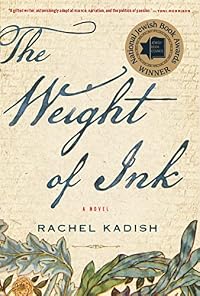
The Weight of Ink
by Rachel Kadish
On This Page
Description
"An intellectual and emotional jigsaw puzzle of a novel for readers of A.S. Byatt's Possession and Geraldine Brooks's People of the Book Set in London of the 1660s and of the early twenty-first century, The Weight of Ink is the interwoven tale of two women of remarkable intellect: Ester Velasquez, anemigrant from Amsterdam who is permitted to scribe for a blind rabbi, just before the plague hits the city; and Helen Watt, an ailing historian with a love of Jewish history. As the novel opens, show more Helen has been summoned by a former student to view a cache of seventeenth-century Jewish documents newly discovered in his home during a renovation. Enlisting the help of Aaron Levy, an American graduate student as impatient as he is charming, and in a race with another fast-moving team of historians, Helen embarks on one last project: to determine the identity of the documents' scribe, the elusive"Aleph."Electrifying and ambitious, sweeping in scope and intimate in tone, The Weight of Ink is a sophisticated work of historical fiction about women separated by centuries, and the choices and sacrifices they must makein order to reconcile the life of the heart and mind"-- show lessTags
Recommendations
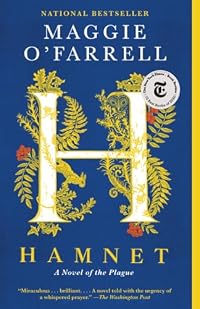
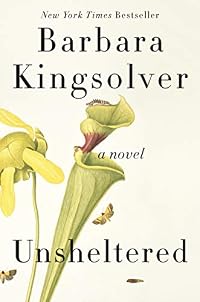
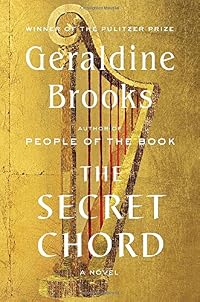
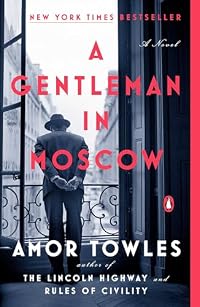


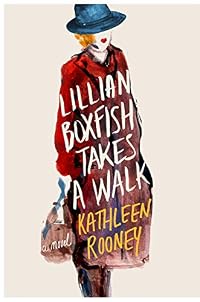

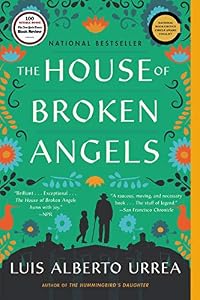
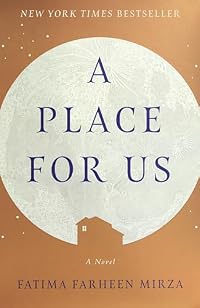
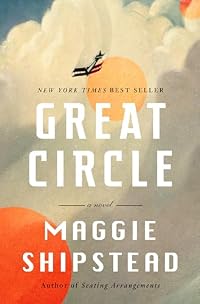
Member Recommendations
Shakespeare Was a Woman and Other Heresies: How Doubting the Bard Became the Biggest Taboo in Literature by Elizabeth Winkler
susanbooks An excellent nonfiction compliment to this novel
banjo123 similar time period, easier read.
susanbooks Someone with Aaron's personality & knowledge of his field (really lack of knowledge --c'mon, the guy has no idea how to read a sonnet & they're supposed to be his dissertation topic) is much more likely to be like the PhD student in Eventide.
Eventide is the Long Scandinavian Night of the Soul to the Romance/Fantasy that is Weight of Ink
Member Reviews
Two stories, centuries apart, are told in this engaging historical romance. The stories are linked by documents created in the seventeenth century, hidden away in a British country house, and ultimately discovered in the twenty-first century. In many ways a book about books, The Weight of Ink surprises with delights that are gradually revealed.
Part of the story's charm is in the variety of its milieus and sensibilities. Following two female protagonists of both centuries—Ester Velasquez and Helen Watt, respectively—we also witness the goings-on of a venerable and drafty house of a rabbi in 1660s London, and glimpse the modern life of a young American academic, Aaron Levy, with heartrending troubles of his own. Perhaps most show more pivotally, we see an English girl’s time volunteering abroad on a kibbutz in Israel in the years after the war of independence. In spite of a gulf of over 300 years, these characters depend on each other each for their own reasons, any of which can provide parallels in the present day.
The images of these different times and places, brought to life at once through painstaking detail and accessible prose, are startlingly clear, even cinematic. Supporting roles, too, are far from dull. Much more than mere foils, even minor characters are fascinating in their own right. The Rabbi and others around Ester are fascinating -- Rivka, a servant and survivor of Polish pogroms, is not simply loyal, but also intrigues with a timeless intellect and will. The men in Ester Velasquez’s and Helen Watts’ lives wholly determine the courses of their universes. Indeed, perhaps too much for comfort, but believable nevertheless.
The book includes explorations into philosophy as Ester corresponds with Spinoza and others. Ester focuses on the pursuit of philosophy, including its relationship with both her mind and heart as can be seen in this passage:
“How wrong she'd been, to believe a mind could reign over anything. For it did not reign even over itself...and despite all the arguments of all the philosophers, Ester now saw that thought proved nothing. Had Descartes, near his own death, come at last to see his folly? The mind was only an apparatus within the mechanism of the body - and it took little more than a fever to jostle a cog, so that the gear of thought could no longer turn. Philosophy could be severed from life. Blood overmastered ink. And every thin breath she drew told her which ruled her.”
There are also interesting historical details of the Spanish Inquisition that led the Jewish toward flight into Holland; this suggested to this reader a certain irony when those same Jews ostracized Spinoza for his heretical pantheistic views. The issue of what it is to be Jewish and to enter interfaith relationships in multiple time periods are integral to each of these stories. Is there merit to keeping within the tribe? Are there, regardless of time, place, or commitment, bridges that those who would willingly enter the Jewish community from the outside can never truly cross? Crucially, what does it mean to choose survival over martyrdom? These questions play out in the characters’ personal lives concurrently with Ester’s philosophical forays into the nature of God.
The author's prose is elegant and she takes her time to slowly build the two different narratives until the suspense in both centuries keeps the reader turning the pages. All of the stories yield mysteries and personal travails that made this a deeply moving novel. show less
Part of the story's charm is in the variety of its milieus and sensibilities. Following two female protagonists of both centuries—Ester Velasquez and Helen Watt, respectively—we also witness the goings-on of a venerable and drafty house of a rabbi in 1660s London, and glimpse the modern life of a young American academic, Aaron Levy, with heartrending troubles of his own. Perhaps most show more pivotally, we see an English girl’s time volunteering abroad on a kibbutz in Israel in the years after the war of independence. In spite of a gulf of over 300 years, these characters depend on each other each for their own reasons, any of which can provide parallels in the present day.
The images of these different times and places, brought to life at once through painstaking detail and accessible prose, are startlingly clear, even cinematic. Supporting roles, too, are far from dull. Much more than mere foils, even minor characters are fascinating in their own right. The Rabbi and others around Ester are fascinating -- Rivka, a servant and survivor of Polish pogroms, is not simply loyal, but also intrigues with a timeless intellect and will. The men in Ester Velasquez’s and Helen Watts’ lives wholly determine the courses of their universes. Indeed, perhaps too much for comfort, but believable nevertheless.
The book includes explorations into philosophy as Ester corresponds with Spinoza and others. Ester focuses on the pursuit of philosophy, including its relationship with both her mind and heart as can be seen in this passage:
“How wrong she'd been, to believe a mind could reign over anything. For it did not reign even over itself...and despite all the arguments of all the philosophers, Ester now saw that thought proved nothing. Had Descartes, near his own death, come at last to see his folly? The mind was only an apparatus within the mechanism of the body - and it took little more than a fever to jostle a cog, so that the gear of thought could no longer turn. Philosophy could be severed from life. Blood overmastered ink. And every thin breath she drew told her which ruled her.”
There are also interesting historical details of the Spanish Inquisition that led the Jewish toward flight into Holland; this suggested to this reader a certain irony when those same Jews ostracized Spinoza for his heretical pantheistic views. The issue of what it is to be Jewish and to enter interfaith relationships in multiple time periods are integral to each of these stories. Is there merit to keeping within the tribe? Are there, regardless of time, place, or commitment, bridges that those who would willingly enter the Jewish community from the outside can never truly cross? Crucially, what does it mean to choose survival over martyrdom? These questions play out in the characters’ personal lives concurrently with Ester’s philosophical forays into the nature of God.
The author's prose is elegant and she takes her time to slowly build the two different narratives until the suspense in both centuries keeps the reader turning the pages. All of the stories yield mysteries and personal travails that made this a deeply moving novel. show less
"The Weight Of Ink" was the fifth book I've read for my 20 for 20 reading challenge (to read twenty books from my TBR pile that are 600 pages/20 hours long or more) and it's the first one where I've felt, "this is a book that was worth every minute I've spent on it."
The book follows two passionately intellectual women, Ester Velasquez and Helen Watt, separated by more than three hundred years but connected by words inked on paper and a need to know what is true.
Ester, orphaned in her teens, has been taken into the household of a blind rabbi and has moved with him from Amsterdam to 1660s London where, going against tradition, the rabbi permits her to become his scribe. In doing so, he ignites in her a hunger for the life of the mind show more which, as a woman, she should have no access to.
In 2000, Helen, sixty-four years old, in failing health and approaching a mandatory retirement that will end her career as a History Professor specialising in Jewish history, is invited by a former student to view a set of seventeenth-century Jewish documents that were discovered during a renovation of his house in Richmond. These papers lead Helen to piece together not just the truth of Ester's life but of her own.
The writing is accessible, beautiful, calm and clear. I quickly found myself being immersed in the worlds of both of these women even though they were equally alien to me. Yet, by the time I was halfway through the book, I felt as if I had shouldered the weight of disappointment and sadness of each of the women.
Ester and Helen are both serious, passionate, strong women who have few good choices available to them.
The pace was slow but doesn't drag. The circumstances are deeply sad without being melodramatic. I admired Rachel Kadish's ability to engage me in the passion for thought that both women share. I was also impressed at her ability to add an I-NEED-to-know-what-happens-next element to both timelines. Most of all I admired the humanity and compassion with which the story was told.
I found the experience was quite intense so I could only listen to a few hours at a time before taking a break. This meant that I spent four weeks with Ester and Helen in my head. I came to value the time I spent with them.
I also enjoyed the time I spent with Aaron Levy, the American grad-student Helen enlists to help her. He's not the kind of man I know well and initially I found him hard to like or even understand. His journey of the mind and spirit echoes that of Ester and Helen. He also has to come to terms with the truth of where his passion lies. I thought this was very well done.
I recommend investing your time in "The Weight Of Ink". If it's available to you, I recommend the audiobook version which is narrated with great skill by Corrie James. show less
The book follows two passionately intellectual women, Ester Velasquez and Helen Watt, separated by more than three hundred years but connected by words inked on paper and a need to know what is true.
Ester, orphaned in her teens, has been taken into the household of a blind rabbi and has moved with him from Amsterdam to 1660s London where, going against tradition, the rabbi permits her to become his scribe. In doing so, he ignites in her a hunger for the life of the mind show more which, as a woman, she should have no access to.
In 2000, Helen, sixty-four years old, in failing health and approaching a mandatory retirement that will end her career as a History Professor specialising in Jewish history, is invited by a former student to view a set of seventeenth-century Jewish documents that were discovered during a renovation of his house in Richmond. These papers lead Helen to piece together not just the truth of Ester's life but of her own.
The writing is accessible, beautiful, calm and clear. I quickly found myself being immersed in the worlds of both of these women even though they were equally alien to me. Yet, by the time I was halfway through the book, I felt as if I had shouldered the weight of disappointment and sadness of each of the women.
Ester and Helen are both serious, passionate, strong women who have few good choices available to them.
The pace was slow but doesn't drag. The circumstances are deeply sad without being melodramatic. I admired Rachel Kadish's ability to engage me in the passion for thought that both women share. I was also impressed at her ability to add an I-NEED-to-know-what-happens-next element to both timelines. Most of all I admired the humanity and compassion with which the story was told.
I found the experience was quite intense so I could only listen to a few hours at a time before taking a break. This meant that I spent four weeks with Ester and Helen in my head. I came to value the time I spent with them.
I also enjoyed the time I spent with Aaron Levy, the American grad-student Helen enlists to help her. He's not the kind of man I know well and initially I found him hard to like or even understand. His journey of the mind and spirit echoes that of Ester and Helen. He also has to come to terms with the truth of where his passion lies. I thought this was very well done.
I recommend investing your time in "The Weight Of Ink". If it's available to you, I recommend the audiobook version which is narrated with great skill by Corrie James. show less
Dual timeline historical fiction set in the UK. The first timeline occurs in the year 2000. British historian, Helen Watt, nearing retirement due to illness, has been notified of a cache of historic documents. She hires American graduate student Aaron Levy. They discover a unique situation – a Jewish woman has scribed for a blind rabbi, a job traditionally performed only by men. The second storyline is set in 17th century London. It follows the life of the scribe, Ester Velasquez. The two stories are interwoven, each illuminating the other. Themes include female intellectualism, academic rivalry, friendship, love, guilt, loneliness, and philosophy.
The plot is complex. The settings are described in atmospheric detail, especially 17th show more century England. The structure is engaging – the historians make a discovery, which is then clarified in the scribe’s story. Each main character deals with similar challenges, so the themes are consistent within the two storylines. It is filled with well-drawn characters and thought-provoking questions. “Do you wonder, ever,” said Ester quietly, “whether our own will alters anything? Or whether we’re determined to be as we are by the very working of the world?”
This book examines the fundamental nature of knowledge, religious belief (or non-belief), and human existence. The pace is deliberate, as a number of building blocks need to be set into place before getting to the heart of the philosophical matters. There are a few surprises toward the end. At almost 600 pages on weighty topics, it requires patience, but I found it well worth reading. show less
The plot is complex. The settings are described in atmospheric detail, especially 17th show more century England. The structure is engaging – the historians make a discovery, which is then clarified in the scribe’s story. Each main character deals with similar challenges, so the themes are consistent within the two storylines. It is filled with well-drawn characters and thought-provoking questions. “Do you wonder, ever,” said Ester quietly, “whether our own will alters anything? Or whether we’re determined to be as we are by the very working of the world?”
This book examines the fundamental nature of knowledge, religious belief (or non-belief), and human existence. The pace is deliberate, as a number of building blocks need to be set into place before getting to the heart of the philosophical matters. There are a few surprises toward the end. At almost 600 pages on weighty topics, it requires patience, but I found it well worth reading. show less
I read this because someone, somewhere, had recommended it as an “if you liked Possession” read-alike and I really liked Possession. While this didn’t have the same lushness of voice as Byatt’s books (but then, what does), this hit the spot in every other way, and I absolutely see where the recommendation came from. It even follows much the same narrative structure of including letters alongside the past and present settings.
One of the big themes in this book is, unsurprisingly, history. What is it? Who writes it? Why? Who has the right to speak for minorities? What gets written down and what doesn’t? Personal histories affect who the characters are and how they interact with others. Cultural histories reverberate through show more communities and across centuries. Masada is a motif, for instance. The Inquisition shapes how everyone in the 1600s portion lives, even two generations later.
And naturally, being me, I found this compelling, because those are big and interesting questions for me. I was also very drawn into the 17th century world, not only through Kadish’s descriptions of London and depictions of the Jewish community there, but also through Ester, the scribe, herself. There’s a lot that’s compelling in her shyness and passion for learning and refusing to be untrue to herself, and in seeing her formulate and defend her beliefs. Maybe it’s not perfectly historical at times—she sometimes feels like a 21st-century woman out of time—but it still makes for interesting reading and a cool window into the past.
(There’s also a strong thread of feminism throughout: women fighting against the roles assigned them, women becoming hard in the face of the patriarchy, women who’ve been passed over and ignored and sidelined and forgotten.)
The modern-day sections are a little less described in terms of setting, for obvious reasons, but they’re equally rich in character and depth of mind. The two academics, Helen and Aaron, are complicated, their emotional journeys as the story goes on are interesting and nuanced, and the people they interact with are also deeper than they appear. (There’s a lot in this book about face value and true selves and the fact that people are people, neither good nor bad.) I might not have connected to them as much as I did with Ester, because she is so much like me, but I still got drawn into watching them discover who Ester was, and got honestly tense during some of the later scenes of cut-throat academia.
It’s beautiful and complicated and thought-provoking, with that bittersweet feel you get in good literary fiction. Kadish tells a great story, fleshes out Restoration London from the docks to the Jewish Quarter to the theatres, makes good points, and uses historical fiction to ask, “what if?” What if there had been someone like Ester? How many other voices, how many histories, have been lost? It certainly started my year off with a bang.
Read if you liked: Possession, complex historical fiction, women being quietly awesome, Jewish fiction, grey-academia.
8.5/10
Contains: Anti-Semitic attitudes directed at the characters, and characters dealing with traumas caused by such attitudes (such as the Inquisition). Main character with Parkinson’s. Alcoholic parental figure. Some men who don’t see women as equals. Character death. Adultery. show less
One of the big themes in this book is, unsurprisingly, history. What is it? Who writes it? Why? Who has the right to speak for minorities? What gets written down and what doesn’t? Personal histories affect who the characters are and how they interact with others. Cultural histories reverberate through show more communities and across centuries. Masada is a motif, for instance. The Inquisition shapes how everyone in the 1600s portion lives, even two generations later.
And naturally, being me, I found this compelling, because those are big and interesting questions for me. I was also very drawn into the 17th century world, not only through Kadish’s descriptions of London and depictions of the Jewish community there, but also through Ester, the scribe, herself. There’s a lot that’s compelling in her shyness and passion for learning and refusing to be untrue to herself, and in seeing her formulate and defend her beliefs. Maybe it’s not perfectly historical at times—she sometimes feels like a 21st-century woman out of time—but it still makes for interesting reading and a cool window into the past.
(There’s also a strong thread of feminism throughout: women fighting against the roles assigned them, women becoming hard in the face of the patriarchy, women who’ve been passed over and ignored and sidelined and forgotten.)
The modern-day sections are a little less described in terms of setting, for obvious reasons, but they’re equally rich in character and depth of mind. The two academics, Helen and Aaron, are complicated, their emotional journeys as the story goes on are interesting and nuanced, and the people they interact with are also deeper than they appear. (There’s a lot in this book about face value and true selves and the fact that people are people, neither good nor bad.) I might not have connected to them as much as I did with Ester, because she is so much like me, but I still got drawn into watching them discover who Ester was, and got honestly tense during some of the later scenes of cut-throat academia.
It’s beautiful and complicated and thought-provoking, with that bittersweet feel you get in good literary fiction. Kadish tells a great story, fleshes out Restoration London from the docks to the Jewish Quarter to the theatres, makes good points, and uses historical fiction to ask, “what if?” What if there had been someone like Ester? How many other voices, how many histories, have been lost? It certainly started my year off with a bang.
Read if you liked: Possession, complex historical fiction, women being quietly awesome, Jewish fiction, grey-academia.
8.5/10
Contains: Anti-Semitic attitudes directed at the characters, and characters dealing with traumas caused by such attitudes (such as the Inquisition). Main character with Parkinson’s. Alcoholic parental figure. Some men who don’t see women as equals. Character death. Adultery. show less
Dual timeline historical fiction set in the UK. The first timeline occurs in the year 2000. British historian, Helen Watt, nearing retirement due to illness, has been notified of a cache of historic documents. She hires American graduate student Aaron Levy. They discover a unique situation – a Jewish woman has scribed for a blind rabbi, a job traditionally performed only by men. The second storyline is set in 17th century London. It follows the life of the scribe, Ester Velasquez. The two stories are interwoven, each illuminating the other. Themes include female intellectualism, academic rivalry, friendship, love, guilt, loneliness, and philosophy.
The plot is complex. The settings are described in atmospheric detail, especially 17th show more century England. The structure is engaging – the historians make a discovery, which is then clarified in the scribe’s story. Each main character deals with similar challenges, so the themes are consistent within the two storylines. It is filled with well-drawn characters and thought-provoking questions. “Do you wonder, ever,” said Ester quietly, “whether our own will alters anything? Or whether we’re determined to be as we are by the very working of the world?”
This book examines the fundamental nature of knowledge, religious belief (or non-belief), and human existence. The pace is deliberate, as a number of building blocks need to be set into place before getting to the heart of the philosophical matters. There are a few surprises toward the end, maybe one too many. At almost 600 pages on weighty topics, it requires patience, but I found it well worth reading. show less
The plot is complex. The settings are described in atmospheric detail, especially 17th show more century England. The structure is engaging – the historians make a discovery, which is then clarified in the scribe’s story. Each main character deals with similar challenges, so the themes are consistent within the two storylines. It is filled with well-drawn characters and thought-provoking questions. “Do you wonder, ever,” said Ester quietly, “whether our own will alters anything? Or whether we’re determined to be as we are by the very working of the world?”
This book examines the fundamental nature of knowledge, religious belief (or non-belief), and human existence. The pace is deliberate, as a number of building blocks need to be set into place before getting to the heart of the philosophical matters. There are a few surprises toward the end, maybe one too many. At almost 600 pages on weighty topics, it requires patience, but I found it well worth reading. show less
The Weight of Ink - Kadish
Audio performance by Corrie James
5 stars
This book had everything that I want from historical fiction. It had believable contemporary characters in a familiar academic environment. It tied the dual plotlines together in a way that made universal connections across time. It is a book about women who face challenges, choices, and the constraints of having both an intellect and a heart. I will continue to think about this one for a long time.
In the contemporary story, an aging and ill, English history professor, Helen Watt, is made aware of a long hidden cache of 17th century documents. They are written in Hebrew, Portuguese, and occasionally in English. Determined to study this historical windfall while she is show more still able, Helen arranges its sale to her university. Reluctantly admitting her physical limitations she accepts the help of Aaron Levy, a young American graduate student. They have an interesting, prickly working relationship that allows Kadish to fill in the background history of two complex and repressed characters.
The documents lead them to the unexpected discovery of Ester Velasquez, a female scribe to a blind rabbi, resident in London just before plague infests the city. Ester is not simply a scribe. She has an unusual intellect and has received an unusual education. Through the rabbi she corresponds with religious leaders and students of the Talmud. She is incapable of closing her mind. “I cried out then and still: why say woman may not follow her nature if it lead her to think, for must not even the meanest beast follow its nature? And why forbid woman or man from questioning what we are taught, for is not intelligence holy?”
Ester is a wonderful character. She walks right out of the constraints of her own century and into the 21st. She is a survivor. She survives fire, poverty, loss of family, religious persecution and the reality of gender roles in her time. While the English academics of the other storyline try to disinter her secrets from the scraps she left behind, lucky readers get to know everything about her as it happens. There are still some secrets. A major strength of this book is the author’s skill in revealing the inner lives of every character gradually as each document is uncovered.
This book is rich in details and connections. The characters in this book represent a wide range of Jewish history and culture; the rabbi, a martyr of the inquisition; Ester, an orphan, rejected by the conservative Amsterdam Jews; Rivka, a servant and refugee of an Eastern European pogrom; Aaron, the secular son of an American rabbi. And, Helen Watt, a gentile, whose only love was a young Israeli Holocaust survivor. Excellent characters, and very skillful writing.
I will continue to think about this one for a long time. show less
Audio performance by Corrie James
5 stars
This book had everything that I want from historical fiction. It had believable contemporary characters in a familiar academic environment. It tied the dual plotlines together in a way that made universal connections across time. It is a book about women who face challenges, choices, and the constraints of having both an intellect and a heart. I will continue to think about this one for a long time.
In the contemporary story, an aging and ill, English history professor, Helen Watt, is made aware of a long hidden cache of 17th century documents. They are written in Hebrew, Portuguese, and occasionally in English. Determined to study this historical windfall while she is show more still able, Helen arranges its sale to her university. Reluctantly admitting her physical limitations she accepts the help of Aaron Levy, a young American graduate student. They have an interesting, prickly working relationship that allows Kadish to fill in the background history of two complex and repressed characters.
The documents lead them to the unexpected discovery of Ester Velasquez, a female scribe to a blind rabbi, resident in London just before plague infests the city. Ester is not simply a scribe. She has an unusual intellect and has received an unusual education. Through the rabbi she corresponds with religious leaders and students of the Talmud. She is incapable of closing her mind. “I cried out then and still: why say woman may not follow her nature if it lead her to think, for must not even the meanest beast follow its nature? And why forbid woman or man from questioning what we are taught, for is not intelligence holy?”
Ester is a wonderful character. She walks right out of the constraints of her own century and into the 21st. She is a survivor. She survives fire, poverty, loss of family, religious persecution and the reality of gender roles in her time. While the English academics of the other storyline try to disinter her secrets from the scraps she left behind, lucky readers get to know everything about her as it happens. There are still some secrets. A major strength of this book is the author’s skill in revealing the inner lives of every character gradually as each document is uncovered.
This book is rich in details and connections. The characters in this book represent a wide range of Jewish history and culture; the rabbi, a martyr of the inquisition; Ester, an orphan, rejected by the conservative Amsterdam Jews; Rivka, a servant and refugee of an Eastern European pogrom; Aaron, the secular son of an American rabbi. And, Helen Watt, a gentile, whose only love was a young Israeli Holocaust survivor. Excellent characters, and very skillful writing.
I will continue to think about this one for a long time. show less
I loved this, though I still have yet to read chapter 29—my library ebook was missing it, but a friend has sent me a physical copy so I should be able to really finish in another day or so. But I can't imagine that chapter 29 will hold anything that makes me like it less. It was just what I needed—smart and sweet and historical, with a little mystery: 17th-century Portuguese Jews in London (by way of Amsterdam) during the Inquisition, counterposed with contemporary London academics tracking down their story via archival documents. Very nicely done—Kadish has done her research well but the book wears it gracefully, and the makes her philosopher proto-feminist both believable and likable, in a prickly way. That goes for all the show more characters, either, including two terrific librarians named Patricia. Plus, I'm sorry but this was a hard week and I really needed a happy (if slightly bittersweet) ending. Highly recommended, particularly if you like a good historical yarn with a bit of academic drama.
ETA: And indeed, hapter 29 was definitely important, and quite moving as well. Thanks to dear @mkuhruh who sent me a print copy! show less
ETA: And indeed, hapter 29 was definitely important, and quite moving as well. Thanks to dear @mkuhruh who sent me a print copy! show less
Members
- Recently Added By
Lists

Best Historical Fiction
620 works; 261 members

Best Contemporary Literary Fiction (Around the Last 30 Years)
388 works; 124 members

Recommend the 20 best books you've read in the last five years
2,167 works; 605 members

Historical Fiction
889 works; 89 members

Top Five Books of 2017
757 works; 230 members

Read-Alike - The Lost Apothecary, Sarah Penner
6 works; 1 member

Autodidacts
15 works; 4 members

Unmarried women
66 works; 6 members

Books by Jewish Authors
68 works; 5 members

Novels with librarian as major character
16 works; 5 members

Favorite Epistolary Fiction
143 works; 144 members

Strong Characters
39 works; 2 members
Author Information

4+ Works 1,833 Members
Awards and Honors
Awards
Distinctions
Common Knowledge
- Canonical title
- The Weight of Ink
- Original title
- The Weight of Ink
- Original publication date
- 2017-06-06
- People/Characters
- Ester Velasquez; Helen Watt; Aaron Levy; Ian Easton; Bridgette Easton; Manuel Halevy (show all 14); Alvaro Halevy; Benjamin Halevy; Rabbi HaCoen Mendes; Issac Velasquez; Thomas Farrow; John Tillman; Jonathan Martin; Dror
- Important places
- London, England, UK; Richmond, Surrey, England, UK; Amsterdam, North Holland, Netherlands; Israel
- Epigraph
- June 8, 1691
II Sivan of the Hebrew year 5451
Richmond, Surrey
Let me begin afresh. Perhaps, this time, to tell the
truth. For in the biting hush of ink on paper, where truth ought
raise its head and speak ... (show all)without fear, I have long lied.
I have naught to defend my actions. Yet though my heart feels no
remorse, my deeds would confess themselves to paper now, as the least
of tributes to him whom I once betrayed.
In this silenced house, quill and ink do not resist the press of my
hand, and paper does not flinch. Let these pages compass, at last, the
truth, though none read them.
Nay, if you read this line, remember not - Dedication
- For Talia and Jacob
- First words
- November 2, 2000
London
She sat at her desk. - Quotations
- Helen Watts, sixty-four years old. Guardian of well-worn opinions and disappointments. The paths of her mind like the treads of an old staircase, concave from the passage of long-gone feet. (p. 21)
She picked up the quill, stained with ink, and dipped it. The thought came to her, unwelcome: ink purchased with blood. The price of her freedom. (p. 86)
Shutting her eyes, letting the crowd steer her, she saw behind closed lids the books that awaited her. An ecstasy of ink, every paragraph laboring to outline the shape of the world. The yellow light of a lamp on leaves of pap... (show all)er, the ivory-black impress of words reasoning, line by line. (p. 134)
Only that's what the world was: a trap. The circumstances you were born to, the situations you found yourself in -- to dodge that fray was impossible. And what you did within it was your life. (p. 547) - Last words
- (Click to show. Warning: May contain spoilers.)"Rest your arms here."
- Blurbers
- Morrison, Toni; Livesay, Margot; Manning, Kate; Cohen, Leah Hager; Goldstein, Rebecca Newberger; Gilligan, Carol
Classifications
Statistics
- Members
- 1,584
- Popularity
- 14,243
- Reviews
- 77
- Rating
- (4.12)
- Languages
- 6 — Dutch, English, French, Italian, Polish, Spanish
- Media
- Paper, Audiobook, Ebook
- ISBNs
- 20
- ASINs
- 8