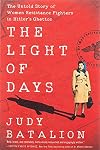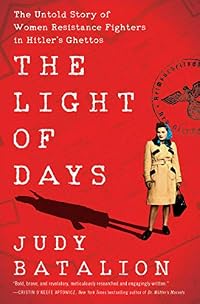
The Light of Days: The Untold Story of Women Resistance Fighters in Hitler's Ghettos
by Judy Batalion
On This Page
Description
One of the most important stories of World War II, already optioned by Steven Spielberg for a major motion picture: a spectacular, searing history that brings to light the extraordinary accomplishments of brave Jewish women who became resistance fighters—a group of unknown heroes whose exploits have never been chronicled in full, until now.Witnesses to the brutal murder of their families and neighbors and the violent destruction of their communities, a cadre of Jewish women in show more Poland—some still in their teens—helped transform the Jewish youth groups into resistance cells to fight the Nazis. With courage, guile, and nerves of steel, these "ghetto girls" paid off Gestapo guards, hid revolvers in loaves of bread and jars of marmalade, and helped build systems of underground bunkers. They flirted with German soldiers, bribed them with wine, whiskey, and home cooking, used their Aryan looks to seduce them, and shot and killed them. They bombed German train lines and blew up a town's water supply. They also nursed the sick and taught children.
Yet the exploits of these courageous resistance fighters have remained virtually unknown.
As propulsive and thrilling as Hidden Figures, In the Garden of Beasts, Band of Brothers, and A Train in Winter, The Light of Days at last tells the true story of these incredible women whose courageous yet little-known feats have been eclipsed by time. Judy Batalion—the granddaughter of Polish Holocaust survivors—takes us back to 1939 and introduces us to Renia Kukielka, a weapons smuggler and messenger who risked death traveling across occupied Poland on foot and by train. Joining Renia are other women who served as couriers, armed fighters, intelligence agents, and saboteurs, all who put their lives in mortal danger to carry out their missions. Batalion follows these women through the savage destruction of the ghettos, arrest and internment in Gestapo prisons and concentration camps, and for a lucky few—like Renia, who orchestrated her own audacious escape from a brutal Nazi jail—into the late 20th century and beyond.
Powerful and inspiring, The Light of Days is an unforgettable true tale of war, the fight for freedom, exceptional bravery, female friendship, and survival in the face of staggering odds.
. show less
Tags
Recommendations

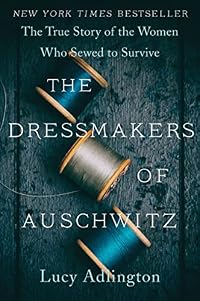
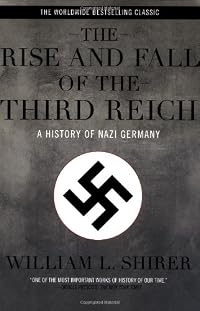
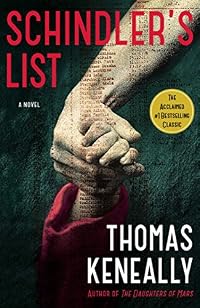
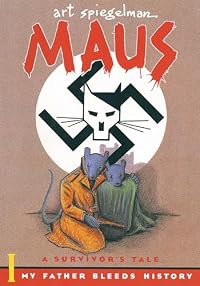
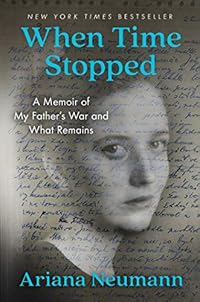
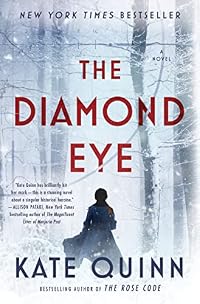
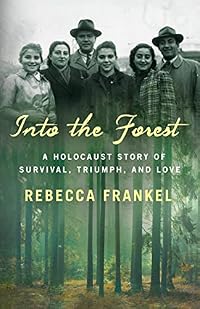
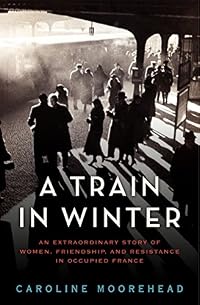
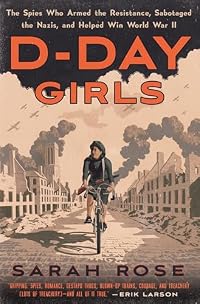
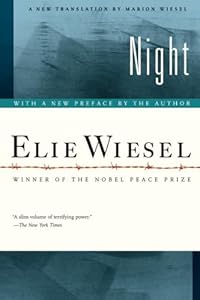
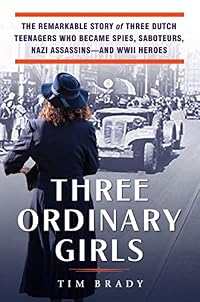
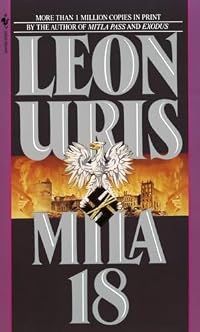
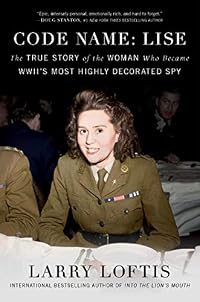
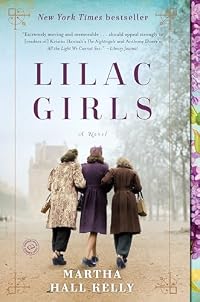
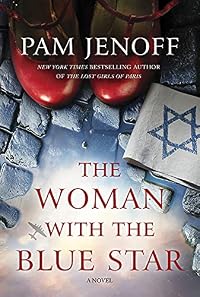
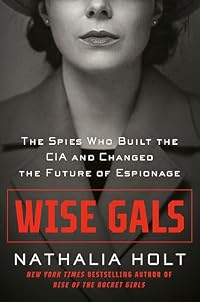
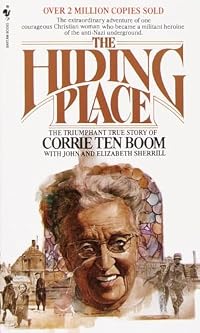
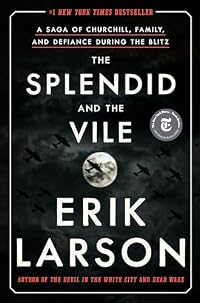
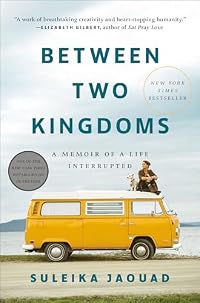
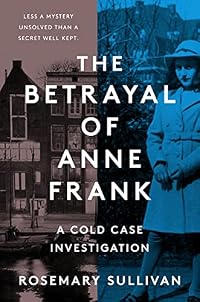
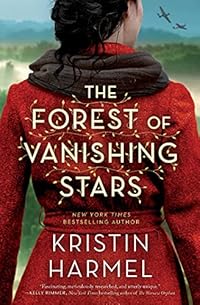

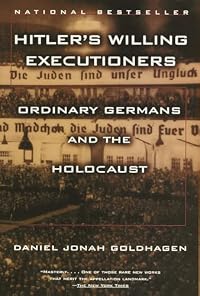

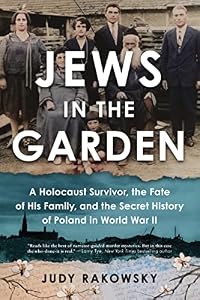
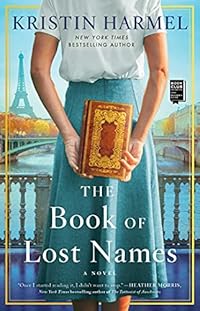
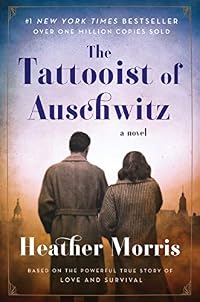
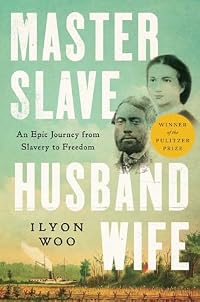
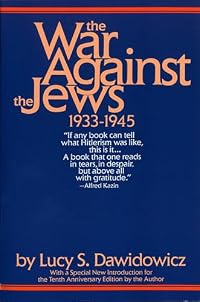
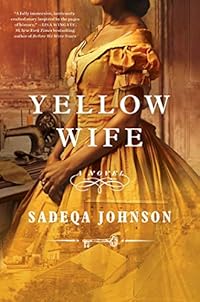
Member Recommendations
Vulco1 Salt to the Sea is YA fiction and Light of a Days is Non-Fiction. But both have good action and are based around the same time. Deal with evacuation and loss of life during these genocides and pogroms. Both are well written.
Vulco1 Both non fiction. Both follow (mostly) one person through hugely important and historical time periods as they make a mark on history. Both focus on "minority" people. Lots of action and very educational
Member Reviews
This is a really hard book to give a fair review. It's one of the few books about WW2 that seems to give so much space for the brutalities that happened. In that aspect it's interesting that it talks about so much about things that other books refuse to. Especially because it does talk about and acknowledge the sexual assault and the rape that did happen... buts also hard not to think about how it feels like too much. But the entire time frame WAS brutal, I don't think these stories should be edited to be palatable, we shouldn't look at WW2 and the damage that was done by the nazis and just be able to exist with it.
But that being said, I do struggle with the way the stories are written. There's lots of situations where we are shown the show more leading ladies "last words" but I have a hard time believing them? Maybe that's my bias, but when the accounting themselves from the resource materials is rather vague and may or may not be really factual, (ie from the afterwords by the author herself) its rather frustrating. show less
But that being said, I do struggle with the way the stories are written. There's lots of situations where we are shown the show more leading ladies "last words" but I have a hard time believing them? Maybe that's my bias, but when the accounting themselves from the resource materials is rather vague and may or may not be really factual, (ie from the afterwords by the author herself) its rather frustrating. show less
Judy Batalion introduces her groundbreaking study of Polish resistance against the Nazis by describing her 12-year search for the Jewish women who played a vital role. What she uncovers, in excoriating and poignant detail, are the stories of the ‘ghetto girls’ who paid off Gestapo guards, hid revolvers in loaves of bread and messages in their pigtails and fought in armed struggles. These women, their beliefs, their friendships and their extraordinary sacrifice emerge from the shadows. Without sentimentalising their achievements and the price paid for the risks they took to save their families, friends and community, Batalion’s collective biography provides a significant contribution to Holocaust history.
While dozens of women show more carried out rebellious acts, which consisted of everything from espionage missions for Moscow to flirting with Nazis, or bribing them with whisky, wine and pastries, a handful form the book’s narrative arc. The most detailed story is that of Renia Kukielka, who was among the few who survived, escaping to Palestine in 1944. With her sister Sarah, the Kukielka sisters were couriers for Freedom, one of the prewar youth movements that provided a network for the resisters. Renia’s memoir, published in 1945, is a rare first-person account bearing witness to the women’s motivations, their ingenuity in surviving, their loyalty to their comrades and the losses they suffered.
When the Nazis invaded their hometown of Będzin in 1939, the Kukielka family had fled to relatives in nearby Jędrzejów where they were later forced into a ghetto, one of the 400 established throughout the country. With her ‘Polish looks’ and an education that had given her fluent Polish, Renia Kukielka was able to acquire fake documents and return to Będzin, where she joined the resistance, networks of young Jews who ‘created a novel kind of family life to help heal from the ones that had been destroyed’.
Read the rest of the review at HistoryToday.com.
Julie Wheelwright is the author of Sisters in Arms: Female Warriors from Antiquity to the New Millennium (Osprey, 2020). show less
While dozens of women show more carried out rebellious acts, which consisted of everything from espionage missions for Moscow to flirting with Nazis, or bribing them with whisky, wine and pastries, a handful form the book’s narrative arc. The most detailed story is that of Renia Kukielka, who was among the few who survived, escaping to Palestine in 1944. With her sister Sarah, the Kukielka sisters were couriers for Freedom, one of the prewar youth movements that provided a network for the resisters. Renia’s memoir, published in 1945, is a rare first-person account bearing witness to the women’s motivations, their ingenuity in surviving, their loyalty to their comrades and the losses they suffered.
When the Nazis invaded their hometown of Będzin in 1939, the Kukielka family had fled to relatives in nearby Jędrzejów where they were later forced into a ghetto, one of the 400 established throughout the country. With her ‘Polish looks’ and an education that had given her fluent Polish, Renia Kukielka was able to acquire fake documents and return to Będzin, where she joined the resistance, networks of young Jews who ‘created a novel kind of family life to help heal from the ones that had been destroyed’.
Read the rest of the review at HistoryToday.com.
Julie Wheelwright is the author of Sisters in Arms: Female Warriors from Antiquity to the New Millennium (Osprey, 2020). show less
Judy Batalion, in "The Light of Days," pays tribute to "Jewish women of Poland who resisted the Nazi regime." Most of their names have been forgotten. Their views and activities may not have jibed with the political outlook of those who wrote the history books; because the combatants were young women, they may have been considered less significant than their male counterparts; and these women did not seek aggrandizement. Instead, they let their actions speak for themselves. When the Nazis took over Poland, Renia and Sarah Kukielka, Zivia Lubetkin, Fruma and Hantze Plotnicka, and Chasia Bielicka, among others, joined various resistance organizations, served as couriers, engaged in sabotage, assumed leadership roles, and assisted starving show more fellow Jews.
The author came upon this subject by happenstance. In 2007, Batalion lived in London and was conscious of being treated differently because she is Jewish. She came across "Freuen in di Ghettos," "Women in the Ghettos," a 186-page anthology published in New York in 1946. It tells the true story of "dozens of 'ghetto girls' who paid off Gestapo guards, hid revolvers in loaves of bread, and help build systems of underground bunkers." In addition, "they carried out espionage missions for Moscow, distributed fake IDs and underground flyers, and were bearers of the truth about what was happening to the Jews."
This is a long-overdue, thoroughly researched (using many primary sources), and fascinating account of a little know aspect of Jewish resistance during the Second World War. Some of these women could have left Europe to live in Israel. However, they chose to remain in Poland and take part in a courageous stand against the Germans. The story of those who sacrificed so much should be more widely known, and Batalion deserves credit for shedding light on the actions of these heroic individuals. show less
The author came upon this subject by happenstance. In 2007, Batalion lived in London and was conscious of being treated differently because she is Jewish. She came across "Freuen in di Ghettos," "Women in the Ghettos," a 186-page anthology published in New York in 1946. It tells the true story of "dozens of 'ghetto girls' who paid off Gestapo guards, hid revolvers in loaves of bread, and help build systems of underground bunkers." In addition, "they carried out espionage missions for Moscow, distributed fake IDs and underground flyers, and were bearers of the truth about what was happening to the Jews."
This is a long-overdue, thoroughly researched (using many primary sources), and fascinating account of a little know aspect of Jewish resistance during the Second World War. Some of these women could have left Europe to live in Israel. However, they chose to remain in Poland and take part in a courageous stand against the Germans. The story of those who sacrificed so much should be more widely known, and Batalion deserves credit for shedding light on the actions of these heroic individuals. show less
Five stars to the brave women who are the focus of this book, and all the Jews who suffered in myriad unspeakable ways under Nazi cruelty and the cruelty of their own countrymen as well as other Jews. To hear that other Jews in Palestine referred to Holocaust survivors as “soaps” because of Nazi soap factories using human remains for the product broke my heart even more, in a way, than the thousand other heart breaking cruelties in this book. The book itself has some narrative / organizational issues (among others) yet this is an absolute must read. We must bear witness, now more than ever. Don’t expect it to be easy.
By way of context, I begin by admitting that I am utterly fascinated by the Holocaust, always trying to read more in the ridiculous hope that I will one day understand how humans could do such things to fellow humans. So, I have read many, MANY books about World War II.
I actually requested this book by mistake, intending to read Judy Batalion's adult version-- but as it turned out, I'm glad I wound up with this more condensed version. I think 500 (in the full version) pages of this story would have been TOO much for me. Although I firmly believe it's extremely important to record and retell the stories of brave women (who have too often been left out of written histories), THE LIGHT OF DAYS is, not surprisingly, VERY painful to read. show more As I find many books about the Holocaust.
The women that fill these pages are largely teenagers and women in their 20s. Yet they are determined to do all they can during World War II to fight the Nazis, while saving themselves and other fellow Jews. Often, they have already lost all members of their families. So, for them, every Jewish life saved and ever Nazi killed represents a victory.
Those victories, however, do not diminish the day-to-day dangers and horrors each faces. Finding even rudimentary housing and subsistence food is a struggle. Continually hiding, they live with the constant fear of discovery. They make deep attachments to fellow resistance fighters, only to have friends disappear suddenly, never to be heard from again. When discovered, they are subjected to brutal torture. And at any moment, the can be shot or forced onto a train, headed to certain death in a Nazi concentration camp.
The drama surrounding these lives is relentless and not in a good way. Although it does propel you through the book. But, honestly, I was happy to reach the end. And I feel like young people reading this version would benefit with some supervision as they wrestle with one of the most inhumane chapters of human history.
So, why only three stars then? Because much of the writing seemed dry to me. And the stories of different women seemed a bit jumbled at times. Patched together, instead of woven. While the content is undoubtedly compelling, too often I felt like I was wading through a recitation of facts, much like reading a history textbook. (The key reason I usually prefer historical fiction.) I've read enough non-fiction to know how much a strong narrative style can add. And I found it missing in this book.
Yes, I recommend the book. Mostly for its importance. And I don't pretend my review in ANY way applies to the longer/adult version of the book, since I have not read that one. But, I don't plan to go on now and read the full version. show less
I actually requested this book by mistake, intending to read Judy Batalion's adult version-- but as it turned out, I'm glad I wound up with this more condensed version. I think 500 (in the full version) pages of this story would have been TOO much for me. Although I firmly believe it's extremely important to record and retell the stories of brave women (who have too often been left out of written histories), THE LIGHT OF DAYS is, not surprisingly, VERY painful to read. show more As I find many books about the Holocaust.
The women that fill these pages are largely teenagers and women in their 20s. Yet they are determined to do all they can during World War II to fight the Nazis, while saving themselves and other fellow Jews. Often, they have already lost all members of their families. So, for them, every Jewish life saved and ever Nazi killed represents a victory.
Those victories, however, do not diminish the day-to-day dangers and horrors each faces. Finding even rudimentary housing and subsistence food is a struggle. Continually hiding, they live with the constant fear of discovery. They make deep attachments to fellow resistance fighters, only to have friends disappear suddenly, never to be heard from again. When discovered, they are subjected to brutal torture. And at any moment, the can be shot or forced onto a train, headed to certain death in a Nazi concentration camp.
The drama surrounding these lives is relentless and not in a good way. Although it does propel you through the book. But, honestly, I was happy to reach the end. And I feel like young people reading this version would benefit with some supervision as they wrestle with one of the most inhumane chapters of human history.
So, why only three stars then? Because much of the writing seemed dry to me. And the stories of different women seemed a bit jumbled at times. Patched together, instead of woven. While the content is undoubtedly compelling, too often I felt like I was wading through a recitation of facts, much like reading a history textbook. (The key reason I usually prefer historical fiction.) I've read enough non-fiction to know how much a strong narrative style can add. And I found it missing in this book.
Yes, I recommend the book. Mostly for its importance. And I don't pretend my review in ANY way applies to the longer/adult version of the book, since I have not read that one. But, I don't plan to go on now and read the full version. show less
By way of context, I begin by admitting that I am utterly fascinated by the Holocaust, always trying to read more in the ridiculous hope that I will one day understand how humans could do such things to fellow humans. So, I have read many, MANY books about World War II.
I actually requested this book by mistake, intending to read Judy Batalion's adult version-- but as it turned out, I'm glad I wound up with this more condensed version. I think 500 (in the full version) pages of this story would have been TOO much for me. Although I firmly believe it's extremely important to record and retell the stories of brave women (who have too often been left out of written histories), THE LIGHT OF DAYS is, not surprisingly, VERY painful to read. show more As I find many books about the Holocaust.
The women that fill these pages are largely teenagers and women in their 20s. Yet they are determined to do all they can during World War II to fight the Nazis, while saving themselves and other fellow Jews. Often, they have already lost all members of their families. So, for them, every Jewish life saved and ever Nazi killed represents a victory.
Those victories, however, do not diminish the day-to-day dangers and horrors each faces. Finding even rudimentary housing and subsistence food is a struggle. Continually hiding, they live with the constant fear of discovery. They make deep attachments to fellow resistance fighters, only to have friends disappear suddenly, never to be heard from again. When discovered, they are subjected to brutal torture. And at any moment, the can be shot or forced onto a train, headed to certain death in a Nazi concentration camp.
The drama surrounding these lives is relentless and not in a good way. Although it does propel you through the book. But, honestly, I was happy to reach the end. And I feel like young people reading this version would benefit with some supervision as they wrestle with one of the most inhumane chapters of human history.
So, why only three stars then? Because much of the writing seemed dry to me. And the stories of different women seemed a bit jumbled at times. Patched together, instead of woven. While the content is undoubtedly compelling, too often I felt like I was wading through a recitation of facts, much like reading a history textbook. (The key reason I usually prefer historical fiction.) I've read enough non-fiction to know how much a strong narrative style can add. And I found it missing in this book.
Yes, I recommend the book. Mostly for its importance. And I don't pretend my review in ANY way applies to the longer/adult version of the book, since I have not read that one. But, I don't plan to go on now and read the full version. show less
I actually requested this book by mistake, intending to read Judy Batalion's adult version-- but as it turned out, I'm glad I wound up with this more condensed version. I think 500 (in the full version) pages of this story would have been TOO much for me. Although I firmly believe it's extremely important to record and retell the stories of brave women (who have too often been left out of written histories), THE LIGHT OF DAYS is, not surprisingly, VERY painful to read. show more As I find many books about the Holocaust.
The women that fill these pages are largely teenagers and women in their 20s. Yet they are determined to do all they can during World War II to fight the Nazis, while saving themselves and other fellow Jews. Often, they have already lost all members of their families. So, for them, every Jewish life saved and ever Nazi killed represents a victory.
Those victories, however, do not diminish the day-to-day dangers and horrors each faces. Finding even rudimentary housing and subsistence food is a struggle. Continually hiding, they live with the constant fear of discovery. They make deep attachments to fellow resistance fighters, only to have friends disappear suddenly, never to be heard from again. When discovered, they are subjected to brutal torture. And at any moment, the can be shot or forced onto a train, headed to certain death in a Nazi concentration camp.
The drama surrounding these lives is relentless and not in a good way. Although it does propel you through the book. But, honestly, I was happy to reach the end. And I feel like young people reading this version would benefit with some supervision as they wrestle with one of the most inhumane chapters of human history.
So, why only three stars then? Because much of the writing seemed dry to me. And the stories of different women seemed a bit jumbled at times. Patched together, instead of woven. While the content is undoubtedly compelling, too often I felt like I was wading through a recitation of facts, much like reading a history textbook. (The key reason I usually prefer historical fiction.) I've read enough non-fiction to know how much a strong narrative style can add. And I found it missing in this book.
Yes, I recommend the book. Mostly for its importance. And I don't pretend my review in ANY way applies to the longer/adult version of the book, since I have not read that one. But, I don't plan to go on now and read the full version. show less
The Light of Days follows several women through the build-up to, course of, and aftermath of World War II in their efforts to survive, fight back, help others survive, and escape.
The stories of these women are absolutely incredible. These women were able to accomplish so much in their resistance. The bravery and strength they had is immense, and their stories deserve to be told.
I just don't think Judy Batalion told these stories in the way they deserved. The narration of their stories jumped back-and-forth between different people, making it even more difficult to tell who was being talked about due to their many different aliases. It also repeated some of the information so many times, like the specific ways in which they disguised show more themselves, that it felt as if the focus was less on these women and what they accomplished and more on the general lives of Jews in Europe at that time.
These women's thoughts were also mentioned throughout the book, with no real indicator of where Batalion got these thoughts from. Because of this, combined with the slightly monotonous audiobook reading, there were times it felt more like a fictionalized retelling of what these women had done, almost to distance the author and reader from the actual events that occurred. show less
The stories of these women are absolutely incredible. These women were able to accomplish so much in their resistance. The bravery and strength they had is immense, and their stories deserve to be told.
I just don't think Judy Batalion told these stories in the way they deserved. The narration of their stories jumped back-and-forth between different people, making it even more difficult to tell who was being talked about due to their many different aliases. It also repeated some of the information so many times, like the specific ways in which they disguised show more themselves, that it felt as if the focus was less on these women and what they accomplished and more on the general lives of Jews in Europe at that time.
These women's thoughts were also mentioned throughout the book, with no real indicator of where Batalion got these thoughts from. Because of this, combined with the slightly monotonous audiobook reading, there were times it felt more like a fictionalized retelling of what these women had done, almost to distance the author and reader from the actual events that occurred. show less
Members
- Recently Added By
Lists

Sarah's Wish List
48 works; 1 member

THE WAR ROOM
813 works; 24 members

History: Holocaust
106 works; 1 member

Governerds Insider
32 works; 1 member
Author Information

6+ Works 931 Members
Some Editions
Awards and Honors
Awards
Distinctions
Work Relationships
Common Knowledge
- Canonical title
- The Light of Days: The Untold Story of Women Resistance Fighters in Hitler's Ghettos
- Alternate titles
- Daughters of the Resistance
- People/Characters
- Frumka Plotnicka; Ruzka Korczak; Faye Schulman; Vita Kempner; Bela Hazan; Zivia Lubetkin (show all 17); Tema Schneiderman; Lonka Kozibrodska; Renia Kukiełka; Tosia Altman; Hantze Plotnicka; Gusta Davidson; Minka Liebeskind; Sarah Kukiełka; Chajka Klinger; Vladka Meed; Niuta Teitelbaum
- Important places
- Poland; Warsaw Ghetto, Warsaw, Poland; Bedzin, Poland; Vilna Ghetto
- Important events
- World War II; The Holocaust; Warsaw Ghetto Uprising
- Dedication
- In memory of my Bubby Zelda, and for my daughters, Zelda and Billy.
- First words
- From above, one might mistake the small town, with its glistening castle and pastel buildings, its streetscapes of candy colors, as a magical kingdom. (Prologue)
- Last words
- (Click to show. Warning: May contain spoilers.)Gesturing at Reina's generations, he said: "You always fought like a real hero."
- Canonical DDC/MDS
- 940.53183209438
Classifications
- Genres
- History, General Nonfiction, Nonfiction
- DDC/MDS
- 940.53183209438 — History & geography History of Europe History of Europe 1918- World War II, 1939-1945 Social, political, economic history; Holocaust Holocaust
- LCC
- D810 .J4 .B35 — History of Europe, Asia, Africa and Oceania History (General) World War II (1939-1945)
- BISAC
Statistics
- Members
- 787
- Popularity
- 35,186
- Reviews
- 27
- Rating
- (4.07)
- Languages
- 8 — Dutch, English, Finnish, German, Italian, Portuguese, Spanish, Swedish
- Media
- Paper, Audiobook, Ebook
- ISBNs
- 29
- ASINs
- 6