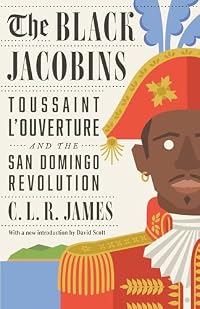
The Black Jacobins: Toussaint L'Ouverture and the San Domingo Revolution
by C. L. R. James
On This Page
Description
A classic and impassioned account of the first revolution in the Third World. This powerful, intensely dramatic book is the definitive account of the Haitian Revolution of 1794-1803, a revolution that began in the wake of the Bastille but became the model for the Third World liberation movements from Africa to Cuba. It is the story of the French colony of San Domingo, a place where the brutality of master toward slave was commonplace and ingeniously refined. And it is the story of a barely show more literate slave named Toussaint L'Ouverture, who led the black people of San Domingo in a successful struggle against successive invasions by overwhelming French, Spanish, and English forces and in the process helped form the first independent nation in the Caribbean. show lessTags
Recommendations

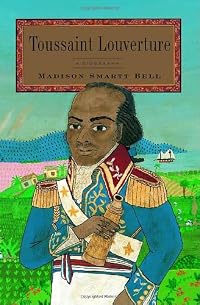

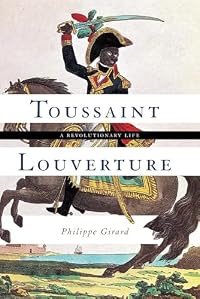
Member Recommendations
Artymedon The three revolutions that created our modern world are the American the Haitian and the French Revolution. The story of the Black Count is the point of intersection between the three in that they tried and did for a short time create a society based on the principle of equality for man regardless of race, birth or religion. It is also the key for the lecture of Alexandre Dumas' important works [[The Count of Monte-Cristo]] and [[Georges]], the later treating the question of race.
That the real father of Dumas, a general of the French revolution be less known that his illustrious son author of the "Three Musketeers" is explained by how the reaction to the French revolution and the counter coup of the Thermidorians followed by that of the strong man of the sugar lobby, Napoleon, reestablished slavery in the Antilles. It is also the story of how and how it failed to do so in St Domingue, where the Black Count was born a slave, prompting the independence of this nation as black and mulatto only Haiti followed by its economic blocade by the rest of the world.
Tom Reiss not only writes wonderfully be he also researched his subject in the Castle of Vincennes France and in the Dumas archives in Villers-Cotteret because this extraordinary Black Count, unlike Edmond Dantes, Athos, Porthos, and Aramis, really existed.
40
Member Reviews
What we have here is a magnificent alternative history; not in the typical sense of the word but rather in the way that James presents his version of the event of the Haitian revolution. Originally written at the almost inconceivably early date of 1938, James gains everything from his distance from what we now consider to be the norms of historiography and loses nothing. The writing is fresh and cutting and perceptive in a way that any book written in 2022 could only aspire to be, even as it is closing in on 100 years old. One of the great degenerations of discourse (whether it be in politics, journalism,or academia) as it stands today is the loss of the guiding light of ideology. In pursuit of a moderate, neutral, “objective” view show more of reality, those who take it upon themselves to make sense of the world have surrendered the incredible tool that is an overt and proactive world view. The Black Jacobins is one of the best pieces of nonfiction writing I’ve ever come across that bears out how powerful a good writer with a good agenda can be. James comes from a Marxist perspective, and for a word so often bandied about, the popular conception of Marxism ignores what is its greatest strength, its historical clarity. Marx himself was the master of tracing historical trends and following them into possible futures. The facts and figures that often give people the impression that his work is dry and boring are, for the sensitive reader, imbued with prerogatives to work for a system that is fairer and that in the end will mean a better life for the mass majority of people. Throughout James’s book, you are constantly made aware of the reverberations the actions of the brave ex-slaves that overthrew their colonial oppressors as they course down through the years to the present day - James never lets you forget that the forces that made the destruction of San Domingo a necessity are still very much with us to this day. He, following the precepts first set out by Marx, understands that whatever evil ,vicious, inhumane behavior man commits, our basic nature is determined by our role in the power chain, reified in cold hard cash. Throughout the book, we are made to understand that the “race war” that the revolution eventually spiraled into was not the result of any essential difference in black or white, but rather the racial identities coming to perfectly equate with that persons role in the immensely profitable twin systems of colonialism and slavery. This point of view is so often lost in modern discussions of racism in the USA, accurately identified as a gaping shame on our country, but not often talked about as the symptom of an essential arrangement of economics and power, rather then the source of the problem itself. The fact that the final stages of the revolution resulted in the massacre of all the whites on the island was the direct result of the whites identifying themselves as the “masters” for the entirely of the preceding colonial history of San Domingo. How could slavery be truly and forever abolished when the people who only a few short years before had set themselves up as those with a biological imperative to rule and oppress were still living on the island? This of course is how systematic racism, being a convenient excuse for the grossest exploitation of labor, finally cuts the other way. show less
Um livro obrigatório de história da civilização, narrando as complexidades e reviravoltas intrincadas da história da colônia mais lucrativa do século XVIII, atual Haiti, em meio à ganância capitalista, a impulsionar o racismo e a escravatura conforme lhe é vantajoso. James tem a tarefa de corrigir visões preconceituosas dos eventos que deixam de notar o que se torna dolorosamente óbvio: a imensa crueldade da elite escravocrata branca, incomparável, mesmo com todas as vicissitudes de um enfrentamento de anos, das táticas conciliatórias do herói negro Toussaint L'Ouverture (o verdadeiro portador do universal tem de ser um periférico, marginal, ex-escravo), até a guerra-guerrilha de emancipação e independência, em que show more finalmente mulatos e negros se unem. Focado em São Domingo, o livro aborda os eventos conturbados na França, da revolução até Napoleão, e o papel infame das intrigas inglesas na desestabilização da possível unidade do povo da colônia, jogando contra quem quer que seja (contra a elite branca, ao final), desde que interesses comerciais fossem beneficiados. O ideal da revolução francesa, que se confronta com contradições e tensões internas no movimento revolucionário, até a reviravolta burguesa e imperialista, contando com muitas táticas de propaganda, encontra, no entanto, na colônia, outro lugar e contexto para se realizar. Certamente o livro de história mais emocionante que já li. show less
The Trinidadian-born scholar C.L.R. James was a revolutionary Marxist who somehow managed to combine a highly successful day job as a cricket writer (his memoir [Beyond a boundary] is still often cited as one of the best cricket books ever) with a long career of political activism in which he was, inter alia, adviser to many of the future leaders of postcolonial Africa. [The black Jacobins] is a classic bit of Marxist historical writing, in which James sets out the case for seeing the slave labourers of the Caribbean sugar plantations as the first modern industrial proletariat.
There's more to it than just political theory: James is clearly fascinated by the complicated interactions between the different social groups within the French show more colony (slaves, free blacks, Maroons, "Mulattoes", white administrators, and the slave-owning plantocracy) as well as the effect of the rapidly-changing political situation in France (the Paris mob and the left-wing intellectuals opposed to slavery on the one hand; the maritime bourgeoisie with shares in the sugar or shipping trades on the other), and of course the periodic involvement of Britain, Spain and the USA, also torn between preserving their own stakes in slavery and doing down the French. Since most of the parties involved changed sides a couple of times between the 1780s and 1804, the course of the conflict is hard to follow, even in James's very lucid account, and no-one comes out of it with very much credit apart from the mass of the Haitian people with their unshakeable demands for freedom. Even James's great hero, Toussaint Louverture, who is practically a saint in the earlier chapters (and the greatest general since Alexander) makes a critical error of judgement by remaining loyal to France after the Peace of Amiens gives Napoleon the chance to attempt to re-establish control over the colony.
The Penguin edition comes with a postscript added by James in 1980, which provides a superbly concise summary of Caribbean history and culture from Toussaint to Castro, including quick sketches of most of the major literary and political figures of the region (most of them personal acquaintances, of course). show less
There's more to it than just political theory: James is clearly fascinated by the complicated interactions between the different social groups within the French show more colony (slaves, free blacks, Maroons, "Mulattoes", white administrators, and the slave-owning plantocracy) as well as the effect of the rapidly-changing political situation in France (the Paris mob and the left-wing intellectuals opposed to slavery on the one hand; the maritime bourgeoisie with shares in the sugar or shipping trades on the other), and of course the periodic involvement of Britain, Spain and the USA, also torn between preserving their own stakes in slavery and doing down the French. Since most of the parties involved changed sides a couple of times between the 1780s and 1804, the course of the conflict is hard to follow, even in James's very lucid account, and no-one comes out of it with very much credit apart from the mass of the Haitian people with their unshakeable demands for freedom. Even James's great hero, Toussaint Louverture, who is practically a saint in the earlier chapters (and the greatest general since Alexander) makes a critical error of judgement by remaining loyal to France after the Peace of Amiens gives Napoleon the chance to attempt to re-establish control over the colony.
The Penguin edition comes with a postscript added by James in 1980, which provides a superbly concise summary of Caribbean history and culture from Toussaint to Castro, including quick sketches of most of the major literary and political figures of the region (most of them personal acquaintances, of course). show less
C.L.R. James gives a detailed and gripping story of the revolution that led to the declaration of an independent Haiti in 1803. I didn’t try to keep track of the individual skirmishes and leaders, but the overall picture is fascinating and enriched by the details that James gives.
His start, provocatively titled The Property, is a memorable picture of the life that Haitian slaves faced, and why they fought so strongly for freedom. This was not an abstract notion, but a daily struggle that meant life, death, pain, family, food and more. It’s the reason for violent revolution.
James goes on to describe the complex relationships between the “property” and the small number of free, property-owning blacks, the land-owning whites, the show more “small” whites, and the people of mixed heritage. As all of these groups had their own interests in relation to land and property in San Domingo and to the colonial powers in France, they looked at the slave revolt from a perspective of identity, but primarily from the perspective of how it would affect their own assets.
This becomes a critical factor as the revolution plays out, with different factions forming alliances and compromises as they attempt to protect their own interests. It’s interesting that all of the factions, and at times some of the former slave leaders, consider – or actively work toward – reinstituting slavery as the only way to restore the economic base of the island, whether as a colony or an independent country. As a result, the freed slaves were ruthless and violent in destroying restoration factions, and faced ruthless repression as well.
The story has many layers, but James keeps it understandable, even for someone like me who does not have much knowledge of the times. As he shows, the complex interaction of class and racialized status makes simple analysis impossible, and no clear path or outcome was predictable. This remains true even today when identity politics is at the forefront, but class retains a powerful force. As he puts it, “The race question is subsidiary to the class question in politics, and to think of imperialism in terms of race is disastrous. But to neglect the racial factor as merely incidental is an error only less grave than to make it so fundamental.”
Especially interesting for me was James’ description of the situation in France, and the impact of the revolution of 1793. The economic significance of the San Domingo colony, and what James calls the “maritime bourgeoisie” that owned properties and got obscenely wealthy on the colonial trade, was the backbone of the rising class that overthrew the old French regime. Their bourgeois revolution to raise the trading class also led to the uprising of the lower classes, who opposed slavery in spite of the bourgeois attempts in the new French parliament to preserve it. So the French San Domingo colonies not only created the economic conditions that drove the French revolution, but also created the conditions that undermined it in favour of a (short-lived) proletarian revolution.
This of course was reversed after the bourgeoisie regained power in the assembly. James’ description of the intrigues and interests playing out in the national assembly gave me an understanding of the meaning of the French revolution that I knew very little of before. Reading those chapters has made me want to find out more about the French revolution if I can find a book that lays it out as clearly as James does. It’s also interesting to see how the English foreign strategy used slavery and a pretense of opposing it to undermine their rivals for economic power in the Caribbean.
The clarity of James’s description and analysis make it clear why his book is viewed as such a model and inspiration among revolutionary thinkers. show less
His start, provocatively titled The Property, is a memorable picture of the life that Haitian slaves faced, and why they fought so strongly for freedom. This was not an abstract notion, but a daily struggle that meant life, death, pain, family, food and more. It’s the reason for violent revolution.
James goes on to describe the complex relationships between the “property” and the small number of free, property-owning blacks, the land-owning whites, the show more “small” whites, and the people of mixed heritage. As all of these groups had their own interests in relation to land and property in San Domingo and to the colonial powers in France, they looked at the slave revolt from a perspective of identity, but primarily from the perspective of how it would affect their own assets.
This becomes a critical factor as the revolution plays out, with different factions forming alliances and compromises as they attempt to protect their own interests. It’s interesting that all of the factions, and at times some of the former slave leaders, consider – or actively work toward – reinstituting slavery as the only way to restore the economic base of the island, whether as a colony or an independent country. As a result, the freed slaves were ruthless and violent in destroying restoration factions, and faced ruthless repression as well.
The story has many layers, but James keeps it understandable, even for someone like me who does not have much knowledge of the times. As he shows, the complex interaction of class and racialized status makes simple analysis impossible, and no clear path or outcome was predictable. This remains true even today when identity politics is at the forefront, but class retains a powerful force. As he puts it, “The race question is subsidiary to the class question in politics, and to think of imperialism in terms of race is disastrous. But to neglect the racial factor as merely incidental is an error only less grave than to make it so fundamental.”
Especially interesting for me was James’ description of the situation in France, and the impact of the revolution of 1793. The economic significance of the San Domingo colony, and what James calls the “maritime bourgeoisie” that owned properties and got obscenely wealthy on the colonial trade, was the backbone of the rising class that overthrew the old French regime. Their bourgeois revolution to raise the trading class also led to the uprising of the lower classes, who opposed slavery in spite of the bourgeois attempts in the new French parliament to preserve it. So the French San Domingo colonies not only created the economic conditions that drove the French revolution, but also created the conditions that undermined it in favour of a (short-lived) proletarian revolution.
This of course was reversed after the bourgeoisie regained power in the assembly. James’ description of the intrigues and interests playing out in the national assembly gave me an understanding of the meaning of the French revolution that I knew very little of before. Reading those chapters has made me want to find out more about the French revolution if I can find a book that lays it out as clearly as James does. It’s also interesting to see how the English foreign strategy used slavery and a pretense of opposing it to undermine their rivals for economic power in the Caribbean.
The clarity of James’s description and analysis make it clear why his book is viewed as such a model and inspiration among revolutionary thinkers. show less
C.L.R. James’ book is a classic and required reading for anyone interested in the San Domingo/Haitian slave rebellion.
There are two big dimensions to the book. One is the historical account, which is detailed and dramatic. James had access to historical documents, correspondence, and contemporary reports to gain insight into motivations, intrigues, and strategies, as well as just to enliven the narrative. It makes for stirring reading, both for the events in their own right and for the lives and fates of those involved.
The rebellion, and maybe a significant part of its uniqueness, owes its character to a complicated play of factions and forces. The rebellion spanned over a decade, from 1791 to 1803. This, of course, was a show more revolutionary time, with the French and American revolutions, and revolutionary thought in general, in the background. San Domingo’s fate, and the politics and economics of slavery in San Domingo, are at play in its relationship to revolutionary events and ideologies in France.
But the colonial empires of all three European powers in the West Indies — France, England, and Spain — intersect, interfere, complicate, and at times, under Toussaint’s adroit maneuvering, contribute to the rebellious slaves’ cause.
And the empires and their ambitions were not the only complicating factors. San Domingo itself comprised a complicated layer cake of populations — white plantation owners, less wealthy or poor whites, mulattoes, free blacks, and slaves. The combinations of interests, potential strategies, and alliances multiply, grow, and shift throughout the years of the rebellion.
The grotesque contradiction between colonial slavery and the ideology of the French Revolution — liberty, equality, and fraternity — is galling. Slavery was not without its critics in France, but France acted as the mother country, with its economic interests overriding its ideology. San Domingo was a goldmine for France. Sugar and tobacco flowed out of the colony to the rest of the world, but its production was encased in a cruel, dehumanizin plantation slave economy.
This is where James’ Marxist-influenced account finds its strength. Economic interests and the dominant mode of production buried French ideological vision.
The colonial structure, in James’ account, also fixed blinders onto Toussaint’s own strategies and goals. Toussaint never gave up the idea that San Domingo remain (or become, in reality) a part of France. To the end, to his betrayal by Bonaparte and his representative, Leclerc, Toussaint fought for abolition but not independence. San Domingo was to win its place in the French nation, not its independence from it.
This was not blind loyalty to the colonizers on Toussaint’s part. He saw clearly that San Domingo was mired in a position of dependence on France, and on the administrators and the infrastructure France provided. Its sugar and tobacco production was organized by the plantation system. Its trade was dependent on French ships, French officials, French trade relationships.
It is left to Dessalines, once Toussaint has been betrayed, imprisoned, and put to death by the French, to cut the cord. Dessalines turns the cause of abolition to the cause of independence for San Domingo. Dessalines, while not the strategist that Toussaint had been, saw one thing clearly — France, under Bonaparte, would return slavery to San Domingo unless the slaves could win independence. Abolition without independence would not last.
Dessalines oversaw a brutal period of the rebellion. In his eyes, the French, and the whites, had to be rooted out of the country for good. To be free, San Domingo must be independent. The former slaves must be empowered to run their own country and their own lives.
The result, the victory for an independent San Domingo (renamed Haiti), we know was not a fairytale ending. Under Dessalines, deportation and extermination of whites and others, whether enemies of the rebellion or not, was horrific. Hence the title of James’ book, "The Black Jacobins.”
We can’t judge the historical and political outcome — abolition and independence — as wrong, but the moral cost was tremendous. It had been one that Toussaint seemingly was unwilling to pay, as if a moral virtue can be an historical weakness, at lest in James’ narrative.
The other dimension to the book is the context in which James is writing and his own concerns for decolonization, especially in the Africa of 1938. The rebellion has been taken as a blueprint for African independence movements in the twentieth century. James is always telling the story of San Domingo with his eye on African (and West Indian) struggles for independence in his own time, as he discussed more explicitly in the appendix, “From Toussaint L’Ouverture to Fidel Castro.”
It raises the obvious question of the costs for achieving these goals of independence, and the complicity of the colonizers in constructing such a constellation of power that seemingly necessitates those costs.
James is also fully aware of the challenges for a post-rebellion Haiti that will be inherited, in their own forms, in any colonies that achieve independence. Toussaint was right, that in the absence of the colonizers, the country was ill-equipped to survive, much less to flourish. That is the nature of colonial dependence. Freedom doesn’t come cheap. show less
There are two big dimensions to the book. One is the historical account, which is detailed and dramatic. James had access to historical documents, correspondence, and contemporary reports to gain insight into motivations, intrigues, and strategies, as well as just to enliven the narrative. It makes for stirring reading, both for the events in their own right and for the lives and fates of those involved.
The rebellion, and maybe a significant part of its uniqueness, owes its character to a complicated play of factions and forces. The rebellion spanned over a decade, from 1791 to 1803. This, of course, was a show more revolutionary time, with the French and American revolutions, and revolutionary thought in general, in the background. San Domingo’s fate, and the politics and economics of slavery in San Domingo, are at play in its relationship to revolutionary events and ideologies in France.
But the colonial empires of all three European powers in the West Indies — France, England, and Spain — intersect, interfere, complicate, and at times, under Toussaint’s adroit maneuvering, contribute to the rebellious slaves’ cause.
And the empires and their ambitions were not the only complicating factors. San Domingo itself comprised a complicated layer cake of populations — white plantation owners, less wealthy or poor whites, mulattoes, free blacks, and slaves. The combinations of interests, potential strategies, and alliances multiply, grow, and shift throughout the years of the rebellion.
The grotesque contradiction between colonial slavery and the ideology of the French Revolution — liberty, equality, and fraternity — is galling. Slavery was not without its critics in France, but France acted as the mother country, with its economic interests overriding its ideology. San Domingo was a goldmine for France. Sugar and tobacco flowed out of the colony to the rest of the world, but its production was encased in a cruel, dehumanizin plantation slave economy.
This is where James’ Marxist-influenced account finds its strength. Economic interests and the dominant mode of production buried French ideological vision.
The colonial structure, in James’ account, also fixed blinders onto Toussaint’s own strategies and goals. Toussaint never gave up the idea that San Domingo remain (or become, in reality) a part of France. To the end, to his betrayal by Bonaparte and his representative, Leclerc, Toussaint fought for abolition but not independence. San Domingo was to win its place in the French nation, not its independence from it.
This was not blind loyalty to the colonizers on Toussaint’s part. He saw clearly that San Domingo was mired in a position of dependence on France, and on the administrators and the infrastructure France provided. Its sugar and tobacco production was organized by the plantation system. Its trade was dependent on French ships, French officials, French trade relationships.
It is left to Dessalines, once Toussaint has been betrayed, imprisoned, and put to death by the French, to cut the cord. Dessalines turns the cause of abolition to the cause of independence for San Domingo. Dessalines, while not the strategist that Toussaint had been, saw one thing clearly — France, under Bonaparte, would return slavery to San Domingo unless the slaves could win independence. Abolition without independence would not last.
Dessalines oversaw a brutal period of the rebellion. In his eyes, the French, and the whites, had to be rooted out of the country for good. To be free, San Domingo must be independent. The former slaves must be empowered to run their own country and their own lives.
The result, the victory for an independent San Domingo (renamed Haiti), we know was not a fairytale ending. Under Dessalines, deportation and extermination of whites and others, whether enemies of the rebellion or not, was horrific. Hence the title of James’ book, "The Black Jacobins.”
We can’t judge the historical and political outcome — abolition and independence — as wrong, but the moral cost was tremendous. It had been one that Toussaint seemingly was unwilling to pay, as if a moral virtue can be an historical weakness, at lest in James’ narrative.
The other dimension to the book is the context in which James is writing and his own concerns for decolonization, especially in the Africa of 1938. The rebellion has been taken as a blueprint for African independence movements in the twentieth century. James is always telling the story of San Domingo with his eye on African (and West Indian) struggles for independence in his own time, as he discussed more explicitly in the appendix, “From Toussaint L’Ouverture to Fidel Castro.”
It raises the obvious question of the costs for achieving these goals of independence, and the complicity of the colonizers in constructing such a constellation of power that seemingly necessitates those costs.
James is also fully aware of the challenges for a post-rebellion Haiti that will be inherited, in their own forms, in any colonies that achieve independence. Toussaint was right, that in the absence of the colonizers, the country was ill-equipped to survive, much less to flourish. That is the nature of colonial dependence. Freedom doesn’t come cheap. show less
It is rare to be so disappointed by a book so revered. As a story it is interesting enough, albeit lacking the literary devices that make stories so engaging. As history-writing it is limited, featuring no discussion of scholarship and being scant in citation. It does not appear to address controversies or debates, preferring instead to steam ahead with a narrative of heroism and perfidy. It is best understood as a hagiographic political polemic, featuring passages concerned purely with the moral outrages of its time. Indeed, in this way, its value as a historic document in a particular context is compelling - we can understand more why sanctifying Toussaint L’Ouverture and exalting the bravery of his disciplined black military is a show more significant decision in a world of colonialism and segregation, particularly one where the European empires had been shaken recently by revolution. show less
I’m too tired to do this book justice, for which I apologise. Briefly, I’d only come across references to the Haitian Revolution before in histories of the French Revolution. The two were closely entwined, however the importance of the Haitian Revolution is often overlooked as it was a revolution led by black slaves against their colonial oppressors: the French. It’s a great deal more complicated than that, however as the book closes an army of former slaves has defeated Napoleon’s army, the best in the world at that time, and won independence for Haiti. It’s a fascinating and complex story, which James elucidates without oversimplifying. It’s also moving and horrifying, as Haiti’s victory was achieved at the cost of show more devastation and thousands of deaths. James’ Marxist analysis considers it both a class- and race-based conflict and states that the two cannot be examined separately. He also links this revolution of late 18th to early 19th century to resistance against colonisation in the 20th century. ‘The Black Jacobins’ was written in 1938 and includes an appendix written later (in the 1960s I think), which compares Fidel Castro with the extraordinary leader of the Haitian Revolution, Toussaint L’Ouverture. James spends some time explaining the strengths and weaknesses, the many successes, and the few but critical failures of this incredible former slave. He consistently tried to negotiate rather than making war, but was constantly frustrated in this by the utter perfidy of the white forces, be they British, French, or Spanish. All three underestimated anyone not white and Toussiant L’Ouverture in particular. They were to learn their lesson, but not until decades had passes and thousands perished needlessly. James tells the story with nuance and sympathy, laying bare the evil of the slave trade and the scars it has left on Haiti, which remain to this day. James has an inspiring and invigorating writing style and this book has aged very well. An excellent introduction to a too-often forgotten revolution. show less
Members
- Recently Added By
Lists

Best Biographies
216 works; 26 members

The Black Archives: All Power To the People! Reading List
79 works; 10 members

Review 1
30 works; 1 member

Harold Bloom - The Western Canon: D. The Chaotic Age
833 works; 24 members

Changamire's Bookshelf
19 works; 1 member

Favorite Caribbean Books
60 works; 28 members

Library Wishlist
46 works; 1 member

Schomburg Centennial Reading List
100 works; 4 members

In Our Time books
4,934 works; 2 members
Author Information

66+ Works 3,972 Members
A native of Trinidad, C. L. R. James grew up in a very respectable middle-class black family steeped in British manners and culture. Although justifiably well-known in the British world as a writer, historian, and political activist, his contributions have been underappreciated in the United States. A student of history, literature, philosophy, show more and culture, James thought widely and wrote provocatively. He also turned his words into deeds as a journalist, a Trotskyite, a Pan-African activist, a Trinidadian nationalist politican, a university teacher, and a government official. James was a teacher and magazine editor in Trinidad until the early 1930s, when he went to England and became a sports writer for the Manchester Guardian. While in England he became a dedicated Marxist organizer. In 1938 he moved to the United States and continued his political activities, founding an organization dedicated to the principles of Trotskyism. His politics led to his expulsion from the United States in 1953, and he returned to Trinidad, from which he was also expelled in the early 1960s. He spent the remainder of his life in England. Among James's extensive writings, the two most influential volumes are Black Jacobins (1967), a study of the anti-French Dominican (Haitian) slave rebellion of the 1790s, and Beyond a Boundary (1963), a remarkable exploration of sport, specifically cricket, as social and political history. Other important works include A History of Negro Revolt (1938) and The Life of Captain Cipriani (1932). James represents an unusual combination of activist-reformer (even revolutionary) and promoter of the best in art, culture, and gentility. (Bowker Author Biography) show less
Some Editions
Awards and Honors
Series
Belongs to Publisher Series
Work Relationships
Has as a commentary on the text
Common Knowledge
- Original publication date
- 1938
- People/Characters
- Toussaint L'Ouverture; Napoleon Bonaparte; Fidel Castro; Marie Antoinette; Maximilien de Robespierre; Dessalines
- Important places
- French West Indies; Haiti (as Saint-Domingue); West Indies; San Domingo
- Important events
- French Revolution; Haitian Revolution
- First words
- "Christopher Columbus landed first in the New World at the island of San Salvador, and after praising God enquired (sic) urgently for gold."
- Last words
- (Click to show. Warning: May contain spoilers.)"For it, Toussaint, the first and greatest of West Indians, paid with his life."
- Original language
- English
Classifications
- Genres
- History, Nonfiction, General Nonfiction
- DDC/MDS
- 972.9403 — History & geography History of North America Mexico, Central America, West Indies, Bermuda West Indies (Antilles) and Bermuda; Caribbean Haiti Haiti French colony period (1625-1804)
- LCC
- F1923 .T85 — Local History of the United States, Canada and Latin America Latin America. Spanish America Greater Antilles Haiti (Island). Hispaniola Haiti (Republic)
- BISAC
Statistics
- Members
- 1,774
- Popularity
- 12,276
- Reviews
- 23
- Rating
- (4.26)
- Languages
- 6 — English, French, German, Italian, Portuguese, Spanish
- Media
- Paper, Audiobook, Ebook
- ISBNs
- 22
- ASINs
- 12