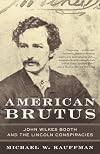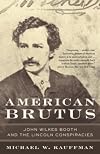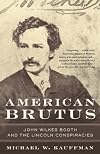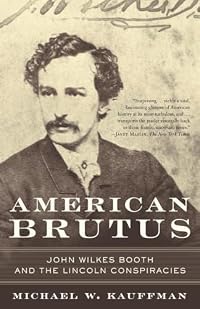
American Brutus: John Wilkes Booth and the Lincoln Conspiracies
by Michael W. Kauffman
On This Page
Description
In American Brutus, popular historian Michael W. Kauffman delivers a history that reads more like a best-selling novel. This definitive masterwork dispels commonly held myths and reveals the truth about John Wilkes Booth. Luring Southern sympathizers into a "noble" presidential kidnapping, Booth stunned his puzzled pawns by murdering Lincoln. From Booth's early life and acting career to his escape and death, this meticulously researched book re-examines it all using a wealth of primary sources.Tags
Recommendations

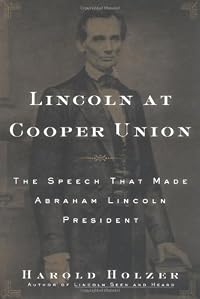
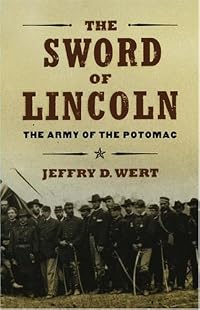
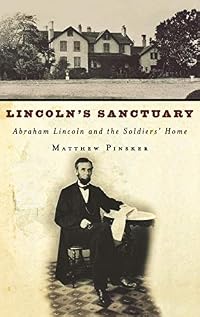





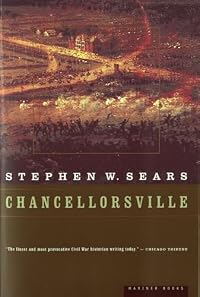
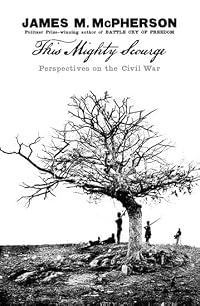
Member Recommendations

Member Reviews
Very intriguing read; the author attempts to unravel the way in which the conspiracy to murder President Lincoln evolved, and to a certain extent goes against the conventional wisdom. His point of view is that John WIlkes Booth was a master manipulator, and was not merely a frustrated actor looking for acclaim. There's also an interesting analysis of the trial of some of the conspirators, and how even by the standards of 1865 (let alone today), it was something of a travesty of justice. It does require you to flip back and forth between the notes in the back and the text to get the full flavour of what's going on, which can be a bit annoying, but cracking those nuts does pay off. Recommended.
This is a penetrating study of Booth's life and motivations, with some original twists. For example, Kauffman argues persuasively that Booth did not break his leg jumping from the Ford's Theatre box but in a riding accident on his escape through Maryland.
more detailed than manhunt but still taut and gripping. a bit of "sympathy with the devil." helps to clarify what we really "know" about the assasination and the time leading up to and following it
All of the events of the Lincoln conspiracy and assassination are covered in Kauffman's comprehensive account. Starting with background on Maryland's divided loyalties, he moves on through a history of the Booth family, John Wilkes Booth's career and Southern sympathies, the development of a plot to kidnap Lincoln, the planning of the conspiracy that draws more and more people in, the failure in the one attempt to nab Lincoln, the assassination of Lincoln and attempt on the life of Seward, the manhunts and arrests, the killing of Booth, the military tribunal trials of the conspirators and the executions and imprisonments, and the pardons of the surviving prisoners as well as short summaries of what happened later to most of the major show more characters.
It seems likely to be a definitive account of the events due to the detail and balanced handling. He dismisses many myths and wilder theories but seldom bothers to refute them point by point. Rather he tells the story and notes in passing these other stories and theories.
Much of the detail Kauffman presents is based on a database he created from the 11,000 page Lincoln Assassination Suspects file in the National Archives. He input synopses of each document and developed an organization of events by persons involved, location, and time. He actually input many factors (such as financial dealings, horses involved, state of health, people mentioned in conversation, etc.) In this he found unnoticed patterns in behavior and relationships among plotters. This revealed recruiting trips, secret meeting, and about a dozen trips by Booth to New York City.
His picture of Booth is of a man who misdirects and entangles the conspirators. He is not the pawn of others, but the manipulator of the plot. He was in every sense an actor playing his role and frequently lied to the people involved. show less
It seems likely to be a definitive account of the events due to the detail and balanced handling. He dismisses many myths and wilder theories but seldom bothers to refute them point by point. Rather he tells the story and notes in passing these other stories and theories.
Much of the detail Kauffman presents is based on a database he created from the 11,000 page Lincoln Assassination Suspects file in the National Archives. He input synopses of each document and developed an organization of events by persons involved, location, and time. He actually input many factors (such as financial dealings, horses involved, state of health, people mentioned in conversation, etc.) In this he found unnoticed patterns in behavior and relationships among plotters. This revealed recruiting trips, secret meeting, and about a dozen trips by Booth to New York City.
His picture of Booth is of a man who misdirects and entangles the conspirators. He is not the pawn of others, but the manipulator of the plot. He was in every sense an actor playing his role and frequently lied to the people involved. show less
John Wilkes Booth made the trip from fame to infamy in short order, and this remarkable book fleshes out the details of that fascinating journey to such a degree that it renders all previous Lincoln Conspiracy books (and they've been cranking 'em out for about a century-and-a-half now) completely useless. Incredible stuff.
3966. American Brutus: John Wilkes Booth and the Lincoln Conspiracies, by Michael W. Kauffman (read 20 Dec 2004) Ever since I read with great astonishment in December of 1945 the book Why Was Lincoln Murdered? by Otto Eisenschiml I have been interested in Lincoln's assassination. (Incidentally, this book calls Eisenschmil's claims as to Stanton's alleged role in the event "outrageous".) The author is an expert on the subject, having spent over 30 years in studying it. The book opens with an account in great detail of the events of April 14 and 15, 1865, then meticulously relates what Booth and the people he sucked into his scheme did before and after those two days. The research seems to have been exhaustive and sometimes the account is show more exhausting. It seems clear the trial of the conspirators by military commission was illegal but the ones who were convicted were quickly hung so the Supreme Court never got a chance to tell anyone about the illegality. Most of the book is exciting and informative and I enjoyed reading it. show less
Favorite JWB dialog from the book. This took place after Booth saw a speech by Lincoln where Lincoln called for voting rights for black soldiers. Booth went to pick up his mail at the Ford Theater and vent with fellow actors and said: (quote from book)
"If a man were to go out and insult a nigger now, he would be knocked down by the nigger and nothing would be done to the nigger."
Tom Raybold replied," You should not insult a nigger then."
Yes, I agree with other reviews. It was a very thorough account of the assassination and kidnapping conspiracy, and it also gave a good feel of what the times and mood of the country had been like. A good read.
"If a man were to go out and insult a nigger now, he would be knocked down by the nigger and nothing would be done to the nigger."
Tom Raybold replied," You should not insult a nigger then."
Yes, I agree with other reviews. It was a very thorough account of the assassination and kidnapping conspiracy, and it also gave a good feel of what the times and mood of the country had been like. A good read.
Members
- Recently Added By
Lists

Books Read in 2014
2,341 works; 86 members
Author Information

1 Work 618 Members
Awards and Honors
Awards
Distinctions
Common Knowledge
- Original publication date
- 2004-11-02
- People/Characters
- Abraham Lincoln; Mary Todd Lincoln; Ezra W. Abbott (as Ezra Abbott); Frederick A. Aiken (as Frederick Aiken); Edward M. Alfriend; Aquilla Allen (show all 193); George Arnold, Sr.; Samuel B. Arnold (as Samuel Bland Arnold); George Ashmun; Henry H. Atwater; George A. Atzerodt (as George Andrew Atzerodt); John Atzerodt (as John C. Atzerodt); Christopher C. Augur (as Christopher Columbus Augur); Adam Badeau; Joseph Baden (as Joseph N. Baden, Jr.); Henry Marcellus Bailey; Absalom R. Bainbridge (as Absalom Ruggles Bainbridge); Lafayette C. Baker; Luther Byron Baker; C. C. Bangs; Joseph K. Barnes; Walter M. Barnes; John M. Barron; Sarah Hamlin Batchelder; George Bateman; Edwin Bates; Finis L. Bates; John Yates Beall; Samuel H. Beckwith; Edwin Bedee; William H. Bell; Judah P. Benjamin (as Judah Benjamin); William H. Bennett; John A. Bingham; Luke Pryor Blackburn; Dick Blazer; John T. Bolton; Blanche Booth (niece); Clementina DeBar Booth (sister-in-law); Edwin Booth; John Wilkes Booth; Joseph Adrian Booth (brother); Junius Brutus Booth; Junius Brutus Booth, Jr.; Adelaide Delannoy Booth (as Marie Christine Adelaide Delannoy); Mary Ann Holmes Booth; Richard Booth, baptized 1759 (grandfather); Richard Junius Booth ("step-brother"); Rosalie Booth (sister); Joseph Burroughs ("Peanuts", as Joseph Borrows); Walter Bowie ('Wat'); John H. Boyle; Thomas J. Boynton; Augustus W. Bradford; Maggie Branson; James A. Brawner; Washington Briscoe; Phillips Brooks; John P. Brophy; John Brown, abolitionist; Orville Hickman Browning; William L. Bryant; James Buchanan; George W. Bunker; Henry L. Burnett; Lord Byron; George H. Calvert; Matthew W. Canning, Jr.; Edward Carrington; David Kellogg Cartter (sic); Augustus R. Cazauran; Mary Ellen Cecil; João Celestino; Salmon P. Chase; Samuel Knapp Chester; John W. Clampitt; William T. Clark; Asia Booth Clarke; John Sleeper Clarke; John Clarvoe (as John A. W. Clarvoe); Clement Claiborne Clay; William C. Cleary; William E. Cleaver; Alfred Cloughley (as Alfred Cloughly); Silas T. Cobb; Schuyler Colfax; Cyrus B. Comstock; Everton Conger; Thomas Nelson Conrad; Boston Corbett; George Cottingham (as George C. Cottingham); Samuel Cox, Sr. (as Samuel Cox); Walter S. Cox; Charles A. Dana; David Dana; David Davis; Jefferson Davis; Appolonia Dean (as Mary Apollonia Dean); Lorenzo Deangelis; John L. Debonay; Mary Devlin; Ely Devoe; John Adams Dix (as John A. Dix); Elizabeth Dixon; Edward P. Doherty; William E. Doster; Henry Kyd Douglas; John F. Drill; Charles A. Dunham (alias Sanford Conover); Joseph H. Dye; Jubal A. Early; Thomas T. Eckert; Otto Eisenschiml; John Ellsler; E. A. Emerson; William Evans; Thomas Ewing, Jr.; Leonard J. Farwell; James P. Ferguson ('Fergy'); Newton Ferree; Benjamin F. Ficklin (as Benjamin Ficklin); Maunsell B. Field; George P. Fisher; Honora Fitzpatrick; John Fletcher, stable foreman; Charles Forbes; Henry Clay Ford (as Harry Clay Ford); James R. Ford ('Dick'); John T. Ford; Edwin Forrest; John A. Foster; Benjamin B. French; C. C. Fulton; Jack Garrett; Richard H. Garrett; Will Garrett; Simon Gavacan; Sidney Gay (mentioned); Zachariah W. Gemmill; Alfred Gibson (as Alfred C. Gibson); James J. Gifford (as James Johnson Gifford); Abram Dunn Gillette; Daniel H. L. Gleason; Lawrence A. Gobright; Edward Gorsuch; Izora Gouldman; Jesse Gouldman; Julia Gouldman; Ulysses S. Grant; Horace Greeley; Thomas Green; John Greenawalt; Scipiano Grillo; Phineas Densmore Gurley; Bennett F. Gwynn; Lucy Lambert Hale; James C. Hall; Henry W. Halleck; Winfield Scott Hancock; Emrick Hansell; Thomas Harbin; James A. Hardie; Martin D. Hardin (as Martin Hardin); Benjamin Gwynn Harris; Clara Harris Rathbone; Thomas M. Harris; John F. Hartranft; John C. Hatter; Harry Hawk; William Heiss; Michael Henry; David Herold (as David E. Herold); Jane Herold; C. Dwight Hess; Britten A. Hill; John T. Holohan; Joseph Holt; Augustus Spencer Howell; David Hunter; Timothy Ingraham; Henrietta Irving; John H. Jack; Andrew Jackson; Isaac Jaquette; Henry C. Jarrett; Zadock Jenkins; William S. Jett (as William Storke Jett); Andrew Johnson; Bradley T. Johnson (as Bradley Tyler Johnson); J. G. Johnson; Reverdy Johnson; Joseph E. Johnston; Thomas A. Jones
- Important places
- USA; Ford's Theatre, Washington, D.C., USA; Grover's Theatre, Washington, D.C., USA; Washington, D.C., USA
- Important events
- Assassination of Abraham Lincoln (1865-04)
- Dedication
- For Mary, Emily, and Brian
and in memory of
Michael E. Patten and Lee Anne Brown - First words
- (Introduction) On the night of April 14, 1865, President Abraham Lincoln was shot by an assassin as he sat in a Washington theater.
Good Friday had never been a well-attended night at the theater, but on that evening, the city of Washington was in a partying mood. - Last words
- (Click to show. Warning: May contain spoilers.)The death of Abraham Lincoln had been avenged.
(Click to show. Warning: May contain spoilers.)(Coda) In the process, he accomplished what every actor aspires to do: he made us all wonder where the play ended and reality began. - Blurbers
- Posner, Gerald; Smith, Richard Norton
Classifications
- Genres
- History, Nonfiction, Biography & Memoir, General Nonfiction
- DDC/MDS
- 364.1524097309034 — Social sciences Social problems and social services Criminology Criminal offenses Offenses against the person Homicide Assassination
- LCC
- E457.5 .K38 — History of the United States United States Civil War period, 1861-1865 Lincoln's administrations, 1861-April 15, 1865
- BISAC
Statistics
- Members
- 618
- Popularity
- 46,807
- Reviews
- 11
- Rating
- (4.29)
- Languages
- English, French
- Media
- Paper, Audiobook, Ebook
- ISBNs
- 7
- ASINs
- 4