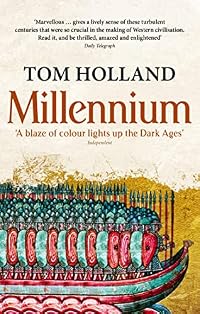
Millennium: The End of the World and the Forging of Christendom
by Tom Holland
On This Page
Description
At the approach of the first millennium, the Christians of Europe did not seem likely candidates for future greatness. Weak, fractured, and hemmed in by hostile nations, they saw no future beyond the widely anticipated Second Coming of Christ. But when the world did not end, the peoples of Western Europe suddenly found themselves with no choice but to begin the heroic task of building a Jerusalem on earth. In The Forge of Christendom, Tom Holland masterfully describes this remarkable new show more age, a time of caliphs and Viking sea kings, the spread of castles and the invention of knighthood. It was one of the most significant departure points in history: the emergence of Western Europe as a distinctive and expansionist power. show lessTags
Recommendations


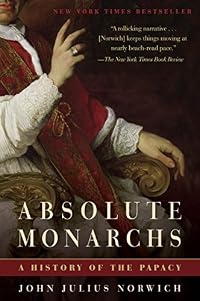
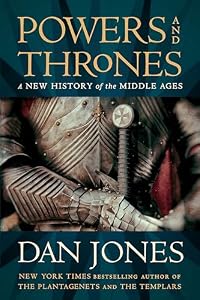
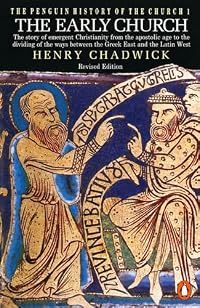
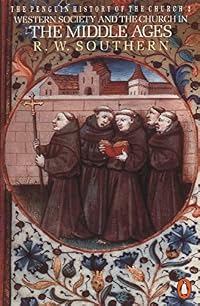
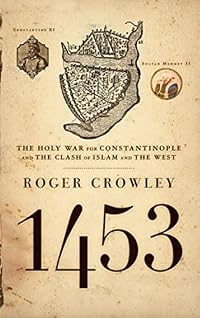
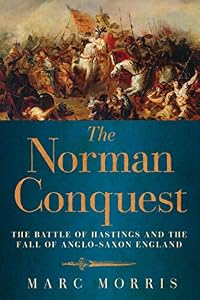
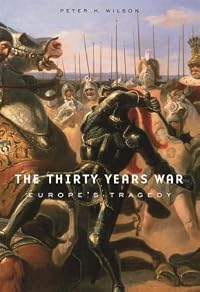
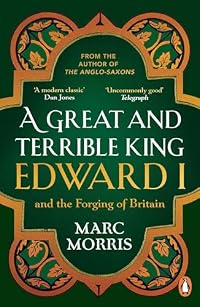

Member Recommendations
jrgoetziii Compare the (late) 19th Century South with Europe of the Middle Ages...
02
Member Reviews
At this time there was only one Church. The Millennium weighed heavily on the collective conscience of every member of society. The Book of Revelations had foretold the coming of the Antichrist but in what form and from where no one knew. I had no idea of the extent to which the oncoming Millennium spurred and shaped an entire continent.
To rule in God's name meant defending Christians from the "demonic" Northmen, "barbaric" Germanic tribes, or the "blasphemous" Saracens. Laying waste to pagan villages or smiting a heretic was a holy act, but not without moral consequences. Conquering the lands of fellow Christians was permitted but required penance. But a new church, a pilgrimage, or a sizable donation was no guarantee of forgiveness show more and salvation. Even as these cultures began to coalesce, assimilate, or form trade relations, this history will seem rife with racist paranoia and sanctimoniousness, and that's the point.
As Holland follows the fractious Frankish Empire, the papacy, the Holy Roman Empire, shining Cordoba and a coalesced England - Christian warlords became venerated. New crowns were dispersed, all wanting a piece of Christendom. Gradually, a new social structure emerged. Castles grew from the landscape and the peasantry were forced to sacrifice their freedom for the protection of walled villages.
For those not familiar with even the bare facts of this era, this might not be a great book to start. There's a lot of ground to cover and across several kingdoms, including the papacy. However, Holland doesn't burden the reader with every battle, succession or boundary change. Instead the book captures the "spirit" of the times with key figures and larger events. It is dense though! I doubt I would've finished it if not for Holland's well-ordered narrative, clear timeline and smooth transitions. show less
To rule in God's name meant defending Christians from the "demonic" Northmen, "barbaric" Germanic tribes, or the "blasphemous" Saracens. Laying waste to pagan villages or smiting a heretic was a holy act, but not without moral consequences. Conquering the lands of fellow Christians was permitted but required penance. But a new church, a pilgrimage, or a sizable donation was no guarantee of forgiveness show more and salvation. Even as these cultures began to coalesce, assimilate, or form trade relations, this history will seem rife with racist paranoia and sanctimoniousness, and that's the point.
As Holland follows the fractious Frankish Empire, the papacy, the Holy Roman Empire, shining Cordoba and a coalesced England - Christian warlords became venerated. New crowns were dispersed, all wanting a piece of Christendom. Gradually, a new social structure emerged. Castles grew from the landscape and the peasantry were forced to sacrifice their freedom for the protection of walled villages.
For those not familiar with even the bare facts of this era, this might not be a great book to start. There's a lot of ground to cover and across several kingdoms, including the papacy. However, Holland doesn't burden the reader with every battle, succession or boundary change. Instead the book captures the "spirit" of the times with key figures and larger events. It is dense though! I doubt I would've finished it if not for Holland's well-ordered narrative, clear timeline and smooth transitions. show less
I found Tom Holland's book both readable and overpowering as this popular history took us from Charlemagne to the crusades via Canossa.
Readability is the hallmark of a Holland history. I've read Persian Fire and Rubicon and I'd read his next book, too. He seeks to capture and present the drama of the history, and to tell the story with as many of its twists and turns as he is able. He manages to overcome a mistaken sense of the past as a set of dates and events following one upon the other in neat linear fashion, yet does so without losing the coherence essential to a discipline which seeks to order and make sense of that past.
At the same time the book was overwhelming for a number of reasons. The period is quite unfamiliar to me, and show more so the mass of his assembled data was a challenge at times - I had to go with the flow and simply accept I wasn't going to remember all the players and places. Overwhelming, too, in scope of ideas - the seeds of the now classic division between church and state (which played itself out so unexpectedly in the West and is still a mystery to so much of the East, both near and far), the interactions between Christendom and Islam, and between the various flavours of state-based Christianity. The interplay of theology, politics and multitudinous cultures on the move in every sense you can think of also overwhelmed even as they fascinated. And at almost every stage flowed an exhausting picture of almost endless blood-lust.
But it's not a criticism to speak of such complexity - clearly the period is rich and full, and history is a demanding discipline. What Holland has done is push me to want to know more, and to resist the dismissive simplicity of a term like the Dark Ages. For that I'm grateful. show less
Readability is the hallmark of a Holland history. I've read Persian Fire and Rubicon and I'd read his next book, too. He seeks to capture and present the drama of the history, and to tell the story with as many of its twists and turns as he is able. He manages to overcome a mistaken sense of the past as a set of dates and events following one upon the other in neat linear fashion, yet does so without losing the coherence essential to a discipline which seeks to order and make sense of that past.
At the same time the book was overwhelming for a number of reasons. The period is quite unfamiliar to me, and show more so the mass of his assembled data was a challenge at times - I had to go with the flow and simply accept I wasn't going to remember all the players and places. Overwhelming, too, in scope of ideas - the seeds of the now classic division between church and state (which played itself out so unexpectedly in the West and is still a mystery to so much of the East, both near and far), the interactions between Christendom and Islam, and between the various flavours of state-based Christianity. The interplay of theology, politics and multitudinous cultures on the move in every sense you can think of also overwhelmed even as they fascinated. And at almost every stage flowed an exhausting picture of almost endless blood-lust.
But it's not a criticism to speak of such complexity - clearly the period is rich and full, and history is a demanding discipline. What Holland has done is push me to want to know more, and to resist the dismissive simplicity of a term like the Dark Ages. For that I'm grateful. show less
It is a rollicking good read: Swashbuckling as a tale of pirates on the high seas. Whether the pirates in this are Popes and Bishops of the Church of Rome or the plundering hordes led by would be Dukes and Kings, this narrative history of the 100 years either side of 1,000 AD is told and illustrated with copious bits of dirt in the background lives of the main players. It is salutary to realise how recent in Europe is the arrival of civilisation and learning.
There is a scope to this work. Holland begins his tale with what he (and others) see as the significant event that separates church and state when the Pope cowered the King and would be Emperor at Canossa in 1077. The Pope left the penitent King outside in the snow for 3 days while show more the Pope considered if he would remove the spell of excommunication off the King. The ambitious Pope didn't want the Kings of Christendom to meddle in the affairs of the Church by appointing the bishops. While the stratagem didn't work immediately the matter has lingered in history and in European civilisation that separation has become a principle. The Church by insisting that it managed the spiritual, leaving the temporal power to the kings, have lucked-out on this one as time has gone on and the power of a heaven has diminished as a second Millennium has turned. Holland's point here is also about the power that the spells cast by Popes had on the mighty of the land.
Having started his tale at 1077, Holland goes back to the rise of Charlemagne in the 8th century. The arc or the book takes us from the time as the Roman West is slowly beginning to recover from the Fall of Rome; as it is coming out of the Dark Ages, up to 1099 when crusaders arrive in Jerusalem to find the antichrist hasn't returned. The descendants of those tribes who moved west in the late 4th century are beginning to move from tribalism to statehood. They begin to adopt the religion of Rome. It , after all, has significant power as its senior adherents are of the few in the land who have education; who have the skills to administer the growing kingdoms. As well The Church of Rome also has the cachet of the name ROME of the great civilisation and Empire of the Romans - (despite that for its last 200 years the Emperor of the West was in Ravenna).
Early in the book Holland tells the story that happens on the frontier as Christendom's boundary is pushed north through Saxony and Scandinavia and east into Wales and Ireland. Later he tells us the story of the Swedish Rus and the Slavs who slowly came down the Volga to create Russia and the Ukraine and link up with and adopt the religion of the East Romans of Greece. There is also much about the Scandinavians coming down the Atlantic coast and play the major role that they did in France, England and lower Italy. Skirting around the edge of his story of Christendom's foundation is the story of the Islamists and their more advanced (Persian) civilisation moving up into Spain, North Africa, Egypt, Sicily and up the leg of Italy.
Largely though the book is about the power of the religion of Christendom - the place (West Europe), and the personage of Christ in the popular imagination. Jesus doesn't get much of a look-in. Holland's book is about spin. It's about how the Church of Rome controlled the main game, led as it was during this period by a range of dubious personages - from Popes as young as 16 and 18; of times of two or more Popes; of chaps who buy their Church status positions. Amongst the bunch there were some who were pious and intelligent and others who were cleverly strategic and powerful. But there are very few who were morally good. Holland has a bit to say about the heterosexual exploits of the men of the church but nothing about their homosexual activities. This despite three or more pages on the life of Peter Damien who wrote in great detail on the extent of, and various position engaged in, of gay sex of monks in monasteries. Holland's story spends a bit of time in the great monastery of Cluny but he never mentions Damien's lifelong and passionate campaign to rid monasteries of the practice of man2man sex. I wonder if it is aversion on Holland's part or if he condones the tradition that in the Middle Ages the homosexuals did have a place of refuge in the places of the Church.
At this time in the Church of Rome's history, Holland illustrates, the principle players are deeply imbedded in the myth of Jesus as more Christ than man - certainly more Christ than Jew. Holland alludes to the promise Paul of Tarsus that Christ will come again. Holland doesn't, as the Church didn't in this period of Christendom, name Paul as the founder of Christianity. Holland does let the irony lie that the Church of Rome is built on the bones of the apostle Peter despite, as he footnotes, the idea of Peter being ever in Rome doesn't originate until AD 96 long after the chap would have been dead. But, the return of Christ and the forecasts in the Book of Revelation are the crux on which Holland sees the age of the Millennium turn. Chaps have visions a plenty! Brutes like St Olaf in Sweden become miracle bending saints soon after death. Fear spreads in the land as one or another person, or race, or phenomena is the Antichrist or a sign of the Antichrist. People believe as fact that they have to endure the this non-Christ before they will all leave the world behind and head for heaven. With so much mind control going on it is no wonder of the fantastical nature of the visions not only believed in by the imaginer but by whole populations who hear the story. The 'fact' of an hereafter and the Church of Rome as the issuer of passports to that place give the Church enormous power.
Sometime in the 6th century the Church of Rome - and thus Christendom - started counting time from what was thought the year of Jesus' birth. By the 6th century the surname 'Christ' had been firmly affixed as had the story that Jesus' principle apostle Peter had come to and died in Rome where 'fact'. It was a popular notion throughout Christendom that the end of time would be on the one thousandth anniversary of Jesus' birth and when that didn't happen it would be on one of any other significant one thousandth anniversary - the passion, the death ..even up until Jerusalem was reclaimed by the West's Christians. But it didn't happen. The final line in Holland's book as the penitents looked to the Temple Mount "Antichrist did not appear". show less
There is a scope to this work. Holland begins his tale with what he (and others) see as the significant event that separates church and state when the Pope cowered the King and would be Emperor at Canossa in 1077. The Pope left the penitent King outside in the snow for 3 days while show more the Pope considered if he would remove the spell of excommunication off the King. The ambitious Pope didn't want the Kings of Christendom to meddle in the affairs of the Church by appointing the bishops. While the stratagem didn't work immediately the matter has lingered in history and in European civilisation that separation has become a principle. The Church by insisting that it managed the spiritual, leaving the temporal power to the kings, have lucked-out on this one as time has gone on and the power of a heaven has diminished as a second Millennium has turned. Holland's point here is also about the power that the spells cast by Popes had on the mighty of the land.
Having started his tale at 1077, Holland goes back to the rise of Charlemagne in the 8th century. The arc or the book takes us from the time as the Roman West is slowly beginning to recover from the Fall of Rome; as it is coming out of the Dark Ages, up to 1099 when crusaders arrive in Jerusalem to find the antichrist hasn't returned. The descendants of those tribes who moved west in the late 4th century are beginning to move from tribalism to statehood. They begin to adopt the religion of Rome. It , after all, has significant power as its senior adherents are of the few in the land who have education; who have the skills to administer the growing kingdoms. As well The Church of Rome also has the cachet of the name ROME of the great civilisation and Empire of the Romans - (despite that for its last 200 years the Emperor of the West was in Ravenna).
Early in the book Holland tells the story that happens on the frontier as Christendom's boundary is pushed north through Saxony and Scandinavia and east into Wales and Ireland. Later he tells us the story of the Swedish Rus and the Slavs who slowly came down the Volga to create Russia and the Ukraine and link up with and adopt the religion of the East Romans of Greece. There is also much about the Scandinavians coming down the Atlantic coast and play the major role that they did in France, England and lower Italy. Skirting around the edge of his story of Christendom's foundation is the story of the Islamists and their more advanced (Persian) civilisation moving up into Spain, North Africa, Egypt, Sicily and up the leg of Italy.
Largely though the book is about the power of the religion of Christendom - the place (West Europe), and the personage of Christ in the popular imagination. Jesus doesn't get much of a look-in. Holland's book is about spin. It's about how the Church of Rome controlled the main game, led as it was during this period by a range of dubious personages - from Popes as young as 16 and 18; of times of two or more Popes; of chaps who buy their Church status positions. Amongst the bunch there were some who were pious and intelligent and others who were cleverly strategic and powerful. But there are very few who were morally good. Holland has a bit to say about the heterosexual exploits of the men of the church but nothing about their homosexual activities. This despite three or more pages on the life of Peter Damien who wrote in great detail on the extent of, and various position engaged in, of gay sex of monks in monasteries. Holland's story spends a bit of time in the great monastery of Cluny but he never mentions Damien's lifelong and passionate campaign to rid monasteries of the practice of man2man sex. I wonder if it is aversion on Holland's part or if he condones the tradition that in the Middle Ages the homosexuals did have a place of refuge in the places of the Church.
At this time in the Church of Rome's history, Holland illustrates, the principle players are deeply imbedded in the myth of Jesus as more Christ than man - certainly more Christ than Jew. Holland alludes to the promise Paul of Tarsus that Christ will come again. Holland doesn't, as the Church didn't in this period of Christendom, name Paul as the founder of Christianity. Holland does let the irony lie that the Church of Rome is built on the bones of the apostle Peter despite, as he footnotes, the idea of Peter being ever in Rome doesn't originate until AD 96 long after the chap would have been dead. But, the return of Christ and the forecasts in the Book of Revelation are the crux on which Holland sees the age of the Millennium turn. Chaps have visions a plenty! Brutes like St Olaf in Sweden become miracle bending saints soon after death. Fear spreads in the land as one or another person, or race, or phenomena is the Antichrist or a sign of the Antichrist. People believe as fact that they have to endure the this non-Christ before they will all leave the world behind and head for heaven. With so much mind control going on it is no wonder of the fantastical nature of the visions not only believed in by the imaginer but by whole populations who hear the story. The 'fact' of an hereafter and the Church of Rome as the issuer of passports to that place give the Church enormous power.
Sometime in the 6th century the Church of Rome - and thus Christendom - started counting time from what was thought the year of Jesus' birth. By the 6th century the surname 'Christ' had been firmly affixed as had the story that Jesus' principle apostle Peter had come to and died in Rome where 'fact'. It was a popular notion throughout Christendom that the end of time would be on the one thousandth anniversary of Jesus' birth and when that didn't happen it would be on one of any other significant one thousandth anniversary - the passion, the death ..even up until Jerusalem was reclaimed by the West's Christians. But it didn't happen. The final line in Holland's book as the penitents looked to the Temple Mount "Antichrist did not appear". show less
Although I had previously enjoyed Holland's Rubicon, Millennium was still a very pleasant surprise. With commendable ambition, Holland sets out to provide a panoramic survey of Europe and the Mediterranean world in the two centuries straddling the first millennium. Moving from Egypt to Scandinavia and Constantinople to England, he identifies a widespread trend of societies in flux. In the Christian world, at least, he argues that this was motivated by a desire for 'renovatio' and order in the leadup to what everyone expected would be the end of the world. (Despite being officially forbidden to speculate on the date, it was no secret that St John had predicted Antichrist's arrival after a thousand years - which meant that everyone was show more effectively on tenterhooks from 1000 to 1033 AD.)
Tracing the familiar European developments of castles, knights, a strong and pugnacious papacy, the system of vassalage and the increasing trend towards centralised kingdoms, Holland is an engaging, knowledgable and frequently witty writer. Sometimes the sheer scale of his ambitions lead to slight confusion, but overall this is the kind of so-called 'popular history' book that can be thoroughly recommended. Full of colourful characters, beautifully written, and passionate about its period, Millennium is the kind of book to whet an appetite and encourage you to plunge in more deeply. I'm very glad to have read it and am probably going to end up getting a copy of my own for future reference.
For a full review, please see my blog:
http://theidlewoman.blogspot.co.uk/2013/12/millennium-tom-holland.html show less
Tracing the familiar European developments of castles, knights, a strong and pugnacious papacy, the system of vassalage and the increasing trend towards centralised kingdoms, Holland is an engaging, knowledgable and frequently witty writer. Sometimes the sheer scale of his ambitions lead to slight confusion, but overall this is the kind of so-called 'popular history' book that can be thoroughly recommended. Full of colourful characters, beautifully written, and passionate about its period, Millennium is the kind of book to whet an appetite and encourage you to plunge in more deeply. I'm very glad to have read it and am probably going to end up getting a copy of my own for future reference.
For a full review, please see my blog:
http://theidlewoman.blogspot.co.uk/2013/12/millennium-tom-holland.html show less
This is easily the best history book I've picked up for a long time. It's tremendously readable, without feeling simplistic, and is stuffed full of details that somehow Holland manages to wrap together into a coherent whole. It summarises the history of Europe during the period commonly called 'the dark ages', from the collapse of the Roman empire up to the 'first' millenium. The majority of the text then covers the remarkable events of the 11th century.
This is absolutely ideal for an introduction to this period of European history and may well be appreciated by people who might ordinarily avoid non-fiction. I purchased another of his titles immediately after finishing this. Superb.
This is absolutely ideal for an introduction to this period of European history and may well be appreciated by people who might ordinarily avoid non-fiction. I purchased another of his titles immediately after finishing this. Superb.
A classic example of the 'don't expect Barolo when you're drinking Vinho Verde' class; this is airplane history and as such quite successful- easy to read and rollicking tales, backed up by little analysis and couched as a tendentious and quite frankly pointless 'argument.' All you need to know about this book can be learned from the titles: in Australia and the UK, it's called 'Millennium: The End of the World and the Forging of Christendom.' In the U.S., it's called 'The Forge of Christendom: The End of Days and the Epic Rise of the West.' Why change the title like that? Is it about Millennarian tension? Is it about something called 'The West,' whatever that might be? Is it about the forging of Christendom (i.e., the creation of it) show more or Christendom's forge (where, presumably, Christendom makes things?) No. The only reason to read this book is to meet or meet again fabulous characters like Robert Guiscard, the Ottonians, William the Conqueror and Matilda of Tuscany. Read as such, it's fun, despite the lip-curling cliches (how many times can we be told that someone is a chip off the old block?) Expect that, and have some fun- with a great bibliography attached.
On the other hand, if you're expecting history that will explain why things happen, or that gets details correct, or that will debunk rather than reinforce hoary legends, this will taste like really bad soft drink. Expect a lightly fizzy white wine, on the other hand, and it'll cool you off pleasantly. show less
On the other hand, if you're expecting history that will explain why things happen, or that gets details correct, or that will debunk rather than reinforce hoary legends, this will taste like really bad soft drink. Expect a lightly fizzy white wine, on the other hand, and it'll cool you off pleasantly. show less
I picked up this novel after reading Holland’s Rubicon and Persian Fire, due partly to my preference for the author’s narrative style of presenting history, and partly due to the intriguing subject matter.
I’ve read a number of works on the Middle Ages and am passingly familiar with the characters and the events that shaped the history of the era. Nevertheless, as he did so well in his earlier two works, Holland has a way of taking well known subject matter and giving it enough of a twist to capture the reader’s attention. In addition, his narrative style of presenting history is far preferable to the dry, textbook style utilized by many other authors.
In this work, Holland examines the Middle Ages, roughly from the reign of show more Constantine to the early 12th century, through the prism of the spread of Christianity, the sometimes extreme tension between religious and secular rulers, and challenges posed by adjacent pagan and Islamic encroachment.
Whether you are a well read student of the era, or a newcomer, I can highly recommend Forge of Christendom and other historical works by this author. show less
I’ve read a number of works on the Middle Ages and am passingly familiar with the characters and the events that shaped the history of the era. Nevertheless, as he did so well in his earlier two works, Holland has a way of taking well known subject matter and giving it enough of a twist to capture the reader’s attention. In addition, his narrative style of presenting history is far preferable to the dry, textbook style utilized by many other authors.
In this work, Holland examines the Middle Ages, roughly from the reign of show more Constantine to the early 12th century, through the prism of the spread of Christianity, the sometimes extreme tension between religious and secular rulers, and challenges posed by adjacent pagan and Islamic encroachment.
Whether you are a well read student of the era, or a newcomer, I can highly recommend Forge of Christendom and other historical works by this author. show less
Members
- Recently Added By
Published Reviews
ThingScore 75
" In "The Forge of Christendom," Tom Holland (whose last book, "Rubicon," traced the end of the Roman Republic) provides an entertaining account of the fraught last years of the Dark Ages, when a confused and suffering Europe contemplated the End of Days and yet, much to its surprise, woke up on New Year's Day 1000 to a brighter future than it could have imagined."
added by bookfitz
Author Information

30+ Works 14,184 Members
Common Knowledge
- Canonical title*
- Tusenårsstriden : hur kristendomen segrade i Västeuropa
- Original title
- Millennium: The End of the World and the Forging of Christendom
- Alternate titles
- The Forge of Christendom
- Original publication date
- 2008
- People/Characters
- Saint Maurice; Saint John; Clovis I, King of the Franks; Augustine of Hippo (Saint, Doctor of the Church, 354 to 430); Pepin III, King of the Franks; Childeric III, King of the Franks (show all 82); Stephen II, Pope (prior to the 1960s, Stephen III, 714&ndash | 757); Charlemagne, King of the Franks; Carloman I, King of the Franks; Leo III, Pope (Saint, died 816); Louis I, the Pious, Emperor of the Romans; Louis II, King of East Francia; Nicephorus; John I Tzimiskes, Byzantine Emperor; Abd al-Rahman ibn Khalid; Gerberga, Queen of the Franks; Sylvester II, Pope (Gerbert of Aurillac, &thinsp | 946? to 1003); Otto III, Emperor of the Holy-Roman Empire; Henry II, Duke of Bavaria; John Philagathos; Gregory V, Pope (Bruno of Carinthia, 972? to 999); Adalbert; St. Nilus; Rudolf Glaber; Rollo, Count of Rouen; Athelstan, King of the English; Henry II, King of England; Richard II, King of England; Olaf Tryggvason; Britnoth; Crescentius II, the Younger; St. Romuald; Father Adso; Hugh Capet, King of France; Fulk Nerra; Father Odilo; Robert Capet; Henry II, King of England; Boleslav, Duke of Poland; William Longsword, Count of Rouen; Edith of Essex, Queen of England; Aethelred the Unready (King of England); Lady Aelfrida; Thorgeir Thorkelsson; Harald "Bluetooth" Gormsson, King of Denmark and Norway; Sweyn Forkbeard, King of Denmark, Norway and England; Edmund Ironside, King of the English; Canute, King of England and Denmark; Conrad II, Holy Roman Emperor; Muhammed bin Hisham; Ibn Hazm; Agnes of Poitou, Empress of the Holy Roman Empire; Adémar de Chabannes; Henry III, Holy Roman Emperor; Poppo of Stablo; Sylvester III, Pope (John, 1000? to 1063); Clement II, Pope (Suidger von Morsleben, died 1047); Gregory VII, Pope (Saint, Hildebrand of Sovana, c.1015/1020-1085, Gregorian Reform); Gregory VI, Pope (Giovanni Graziano or John Gratian, died 1048); Bruno of Toul; Hugh of Semur, Abbot of Cluny; Humbert of Silva Candida (or Humbert of Moyenmoutier, c. 1000 to 1015 to 5 May 1061); William of Hauteville; Leo IX, Pope (Saint, Bruno von Egisheim-Dagsburg, 1002 to 1054); Constantine IX, Holy Roman Emperor; William the Conqueror, King of England; Ælfgifu of Northampton; Harthacanute, King of Denmark and England; Emma of Normandy (Queen Consort of England, Denmark, and Norway); Harold Harefoot, King of England; Harald Sigardurson; Olaf II of Norway (Saint, Olaf Haraldsson, Olaf the Holy, 995? to 1030); Edward the Confessor, King of England; Harald Godwinsson; Peter Damian; Henry IV, Holy Roman Emperor; Robert Guiscard; Lady Matilda, Margravine of Tuscany; Alfonso VI, King of León and Castile; Clement III, Pope (Paolo Scolari, 1130-1191); Roger I, Count of Sicily; Urban II, Pope (Blessed, Odo of Châ | tillon or Otho de Lagery, 1035? to 1099)
- Important places
- Fortress of Magdeburg, Saxony-Anhalt, Germany; Constantinople, Fatih, Turkey; Rome, Papal States, Italy; Amalfi, Campania, Italy; Naples, Campania, Italy; Damascus, Syria (show all 18); Aachen, North Rhine-Westphalia, Germany; Aurillac, Auvergne-Rhône-Alpes, France; Cordoba, Andalusia, Spain; Conquereuil, Loire-Atlantique, France; Cluny Abbey, Cluny, Saône-et-Loire, France; Rouen, Seine-Maritime, Normandy, France; London, England, UK; Limoges, Haute-Vienne, Nouvelle-Aquitaine, France; Trondheim, Norway; Palermo, Sicily, Italy; Jerusalem, Israel; Harzburg, Lower Saxony, Germany
- Important events
- Council of Antioch (338); Donation of Constantine (754); Second Council of Nicaea (787); Battle of the Lechfeld (955); Battle of Stilo (982); Slavic Revolt of 983 (show all 12); Battle of Brunanburh (937); St. Brice's Day Massacre (1002); Battle of Stamford Bridge (1066); Battle of Hastings (1066); Council of Clermont (1095); First Crusade (1096 | 1099)
- Epigraph
- 'But do not ignore this fact, beloved, that with the Lord one day is like a thousand years, and a thousand years are like one day.'
2 Peter 3:8
'The Faith is Europe. And Europe is the Faith.'
Hilaire Be... (show all)lloc - Dedication
- For Patrick
Wine! - First words
- Just the worst time of the year for a journey — and the worst of years as well.
- Last words
- (Click to show. Warning: May contain spoilers.)Already, in the summer heat, the corpses were starting to reek. Antichrist did not appear.
- Blurbers
- Massie, Allan; Tonkin, Boyd; Stone, Norman; Sandbrook, Dominic
*Some information comes from Common Knowledge in other languages. Click "Edit" for more information.
Classifications
- Genres
- History, Nonfiction, General Nonfiction, Religion & Spirituality
- DDC/MDS
- 270.2 — Religion History of Christianity History, geographic treatment, biography of Christianity Period of ecumenic councils; Centralization (325-787)
- LCC
- BR145.3 .H65 — Philosophy, Psychology and Religion Christianity Christianity History
- BISAC
Statistics
- Members
- 1,412
- Popularity
- 16,618
- Reviews
- 26
- Rating
- (3.80)
- Languages
- 8 — Dutch, English, German, Greek, Italian, Portuguese, Spanish, Swedish
- Media
- Paper, Audiobook, Ebook
- ISBNs
- 28
- ASINs
- 10