The Other Hand
by Chris Cleave
On This Page
Description
A haunting novel about the tenuous friendship that blooms between two disparate strangers--one an illegal Nigerian refugee, the other a recent widow from suburban London.Tags
Recommendations
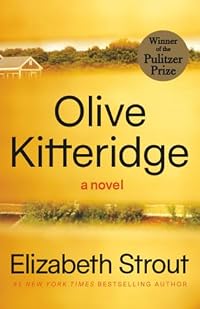
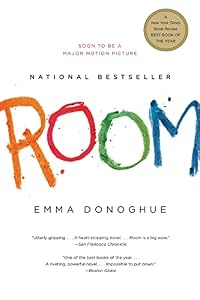
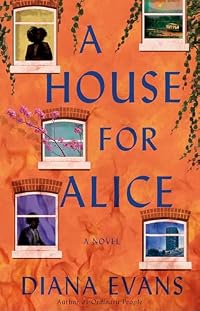
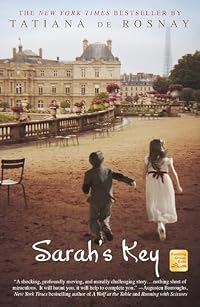
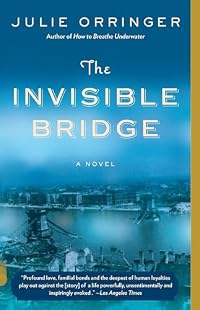
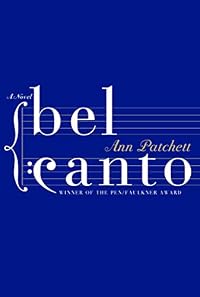
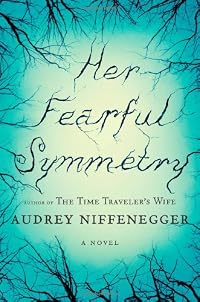
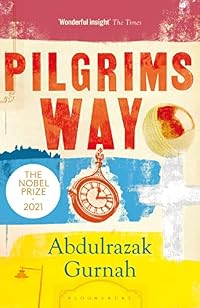

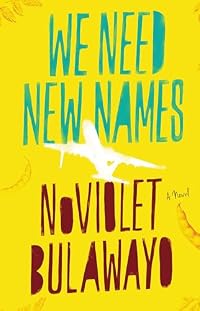

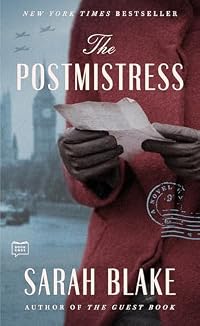
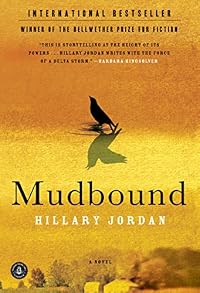

Member Recommendations
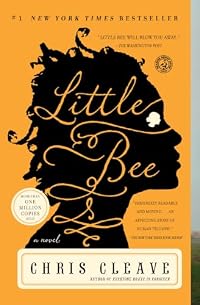
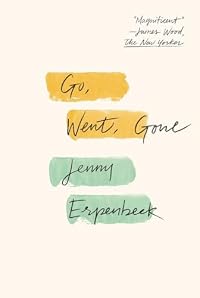
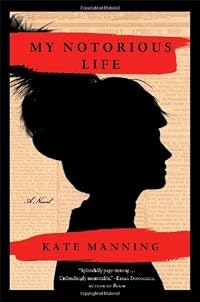
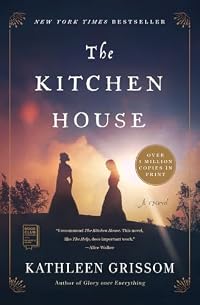
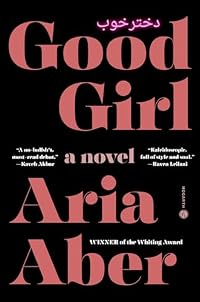
sweetiegherkin Two books about strong women who survive horrific situations in war-torn African countries; one fiction and one nonfiction but both moving in their own way.
40

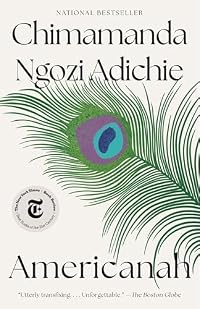
BookshelfMonstrosity The stories of a impoverished countryside boy and two upper-class sisters are told against the backdrop of the 1960s Biafran War. This book, by one of Nigeria's most famous authors, should appeal to readers interested in Nigeria's history, Nigerian society and the lives of women in Nigeria.

BookshelfMonstrosity Twenty-two-year-old Immaculée survives the three-month Rwandan genocide, in which most of her family is murdered. Readers interested in how a lone survivor of violent conflict can find the strength to continue might be interested in this memoir.
02

monzrocks Presents the same intersection/juxtaposition of life in the "first world" vs. life in the "third." Both have great characters.


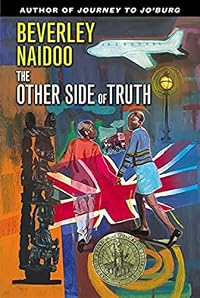
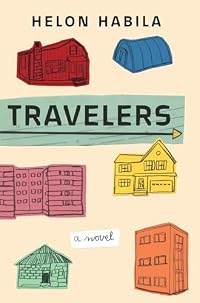
dsc73277 "Hearts and Minds" and "Little Bee" have been two of the most compelling books I have read this year. Both deal sympathetically with the experience of migrants to Britain. At times they make for difficult reading, reminding one as they do of how difficult some people's lives are, however, ultimately they are not devoid of hope.

2810michael På dansk: Den anden hånd


Member Reviews
"We must see all scars as beauty....................a scar does not form on the dying. A scar means, 'I survived'."
The Other Hand opens within the walls of an immigration detention centre outside London where a 16-year-old girl from Nigeria, Little Bee, has spent the last two years learning the Queen's English in an effort to gain asylum in the UK, hoping to swap horrific past events in her homeland for a brighter future. When Little Bee's inadvertently finds herself, along with three other women, released from the centre she telephones the only man she knows in the country, Andrew O'Rourke, a journalist and columnist for a broadsheet newspaper. Little Bee met Andrew and his wife Sarah, also a journalist, whilst they were on a beach show more holiday in Nigeria. Andrew doesn't welcome the reminder and a few days later commits suicide.
Little Bee seemingly arrives on Andrew and Sarah's doorstep in leafy Kingston-upon-Thames on the day of Andrew's funeral. Something happened that shook this teenage girl and British couple to their very cores. As Little Bee and Sarah take it in turns to recount their story the facts of their chance meeting and the intervening two years are gradually revealed.
"It started on the day we first met Little Bee, on a lonely beach in Nigeria. The only souvenir I have of that first meeting is an absence where the middle finger of my left hand used to be. The amputation is quite clean. In place of my finger is a stump".
Most of the action has already happened when Little Bee and Sarah reunite. Through their recollections, an African past surfaces slowly in an English present. We learn that Andrew was clinically depressed, that Sarah, the editor of a women's magazine, 'Nixie', soon after their marriage becomes disenchanted and starts an affair with a married man, Lawrence, whilst their son Charlie will only wear a Batman costume and spends his days fighting imaginary baddies. However, it is the stark choices that were made on that Nigerian beach is the true driver of what follows.
Initially I felt that Sarah came across as being rather insipid, a dreamer, (the trip to Nigeria was her ill-conceived attempt to save the marriage) but it soon becomes apparent that at her core she is made of sterner stuff. Even if life in leafy England lacks the life-and-death struggles found in other parts of the world she is still a survivor. She has chosen to try to adapt and carve a niche for herself in her world whereas Little Bee has chosen to use her feet and abandon her's.
Some of the coincidences within this book may feel a little outlandish but Cleave doesn't try to be ironic nor does he cast judgement on the choices that either woman makes, instead he allows the reader to do that for themselves. Similarly the climax when it comes, isn't the result of an action by either of the two women but instead stem from two inadvertent decisions made by a four year old Batman.
The Other Hand deals with some pretty thorny issues, immigration, globalisation, political and sexual violence alongside personal accountability. I found it had a powerful if uncomfortable read, one that at the end of it made me sit up and think. Just what would I do?
"trouble is like the ocean. It covers two thirds of the world." show less
The Other Hand opens within the walls of an immigration detention centre outside London where a 16-year-old girl from Nigeria, Little Bee, has spent the last two years learning the Queen's English in an effort to gain asylum in the UK, hoping to swap horrific past events in her homeland for a brighter future. When Little Bee's inadvertently finds herself, along with three other women, released from the centre she telephones the only man she knows in the country, Andrew O'Rourke, a journalist and columnist for a broadsheet newspaper. Little Bee met Andrew and his wife Sarah, also a journalist, whilst they were on a beach show more holiday in Nigeria. Andrew doesn't welcome the reminder and a few days later commits suicide.
Little Bee seemingly arrives on Andrew and Sarah's doorstep in leafy Kingston-upon-Thames on the day of Andrew's funeral. Something happened that shook this teenage girl and British couple to their very cores. As Little Bee and Sarah take it in turns to recount their story the facts of their chance meeting and the intervening two years are gradually revealed.
"It started on the day we first met Little Bee, on a lonely beach in Nigeria. The only souvenir I have of that first meeting is an absence where the middle finger of my left hand used to be. The amputation is quite clean. In place of my finger is a stump".
Most of the action has already happened when Little Bee and Sarah reunite. Through their recollections, an African past surfaces slowly in an English present. We learn that Andrew was clinically depressed, that Sarah, the editor of a women's magazine, 'Nixie', soon after their marriage becomes disenchanted and starts an affair with a married man, Lawrence, whilst their son Charlie will only wear a Batman costume and spends his days fighting imaginary baddies. However, it is the stark choices that were made on that Nigerian beach is the true driver of what follows.
Initially I felt that Sarah came across as being rather insipid, a dreamer, (the trip to Nigeria was her ill-conceived attempt to save the marriage) but it soon becomes apparent that at her core she is made of sterner stuff. Even if life in leafy England lacks the life-and-death struggles found in other parts of the world she is still a survivor. She has chosen to try to adapt and carve a niche for herself in her world whereas Little Bee has chosen to use her feet and abandon her's.
Some of the coincidences within this book may feel a little outlandish but Cleave doesn't try to be ironic nor does he cast judgement on the choices that either woman makes, instead he allows the reader to do that for themselves. Similarly the climax when it comes, isn't the result of an action by either of the two women but instead stem from two inadvertent decisions made by a four year old Batman.
The Other Hand deals with some pretty thorny issues, immigration, globalisation, political and sexual violence alongside personal accountability. I found it had a powerful if uncomfortable read, one that at the end of it made me sit up and think. Just what would I do?
"trouble is like the ocean. It covers two thirds of the world." show less
Well, I just had to see for myself what all the buzz was about. As the Book Club Coordinator at RJ Julia, I recommend this book all the time, simply based on what I've heard; I knew there was a lot of fodder for discussion, I knew there was a horrific act that sets off a chain of events that changes the lives of the main characters forever. But I decided to finally dust off the advanced copy that had been sitting on my shelf for months and read it for myself. And I am SO glad I did!
Little Bee is the story of a young Nigerian refugee who fled her home after bearing witness to the destruction and and devastation of her village, and the murder of her friends and family, all in the name of oil. On a beach in Nigeria, she met Sarah and show more Andrew, an English couple on holiday. I won't say what happened during this encounter (respecting the request of the author to let YOU find out for yourself), but I will say that it forever changes all of their lives. When Little Bee lands in England two years later, she knows no one, and has nothing but Andrew's driver's license with his address. Andrew and Sarah are shocked, to say the least, when this ghost from their past shows up on their doorstep. But the horrific event in their shared past binds them together with such ferocity that they cannot turn her away.
Chris Cleave is a brilliant writer, weaving his tale by seamlessly shifting the narration between Little Bee and Sarah. The jacket claims ..."the magic is in how the story unfolds." It really is true; Little Bee is a page turner, and I finished it in two days because I didn't want to put it down. The writing is beautiful and lyrical, the story is haunting and terrifying, the result is moving and lasting.
I recommend it for book clubs, and for anyone who enjoys great writing and can endure a difficult and painful, if beautiful, tale. show less
Little Bee is the story of a young Nigerian refugee who fled her home after bearing witness to the destruction and and devastation of her village, and the murder of her friends and family, all in the name of oil. On a beach in Nigeria, she met Sarah and show more Andrew, an English couple on holiday. I won't say what happened during this encounter (respecting the request of the author to let YOU find out for yourself), but I will say that it forever changes all of their lives. When Little Bee lands in England two years later, she knows no one, and has nothing but Andrew's driver's license with his address. Andrew and Sarah are shocked, to say the least, when this ghost from their past shows up on their doorstep. But the horrific event in their shared past binds them together with such ferocity that they cannot turn her away.
Chris Cleave is a brilliant writer, weaving his tale by seamlessly shifting the narration between Little Bee and Sarah. The jacket claims ..."the magic is in how the story unfolds." It really is true; Little Bee is a page turner, and I finished it in two days because I didn't want to put it down. The writing is beautiful and lyrical, the story is haunting and terrifying, the result is moving and lasting.
I recommend it for book clubs, and for anyone who enjoys great writing and can endure a difficult and painful, if beautiful, tale. show less
This is one of the best books I've read in quite a while. We first meet Little Bee in a refugee detention center in England. The excellent writing lets us inside her constant struggle of fear, wishing to die yet determined to live. Her life has crossed paths with an English couple, influential, affluent journalists. They have their own problems. The juxtaposition of the problems of an African immigrant with those of an upper middle class family is well crafted. Cleave doesn't beat you over the head with the politics but illuminates it by telling the story of individuals whose lives are destroyed by the violence in Africa and the guilt of the exploiters.
Little Bee by Chris Cleave is a dual narrative story about a Nigerian asylum-seeker and a British magazine editor who originally meet in Nigeria then re-unite in England several years later. The story is both heart-warming and heart breaking.
Little Bee is a young Nigerian girl just released from the refugee detention centre after having stowed away on a ship to escape the horrors and violence of her native country. Sarah, is a recent widow, her husband having committed suicide. She is the mother of a young boy. Along with a number of secrets that are slowly revealed, these two women are tied together by a violent incident on a beach in Nigeria, but although referenced to, this incident isn’t explained until much later in the book.
The show more book totally drew me in as I followed each woman’s story. The author weaved political issues throughout the book and this, along with the women’s strength, resilience and courage made the book feel very real. At times charming and at others very dark, this is a story that I will remember for a very long time. First and foremost, Little Bee is the story of two women survivors set against the backdrop of political issues surrounding refugees and the accountability of globalization. show less
Little Bee is a young Nigerian girl just released from the refugee detention centre after having stowed away on a ship to escape the horrors and violence of her native country. Sarah, is a recent widow, her husband having committed suicide. She is the mother of a young boy. Along with a number of secrets that are slowly revealed, these two women are tied together by a violent incident on a beach in Nigeria, but although referenced to, this incident isn’t explained until much later in the book.
The show more book totally drew me in as I followed each woman’s story. The author weaved political issues throughout the book and this, along with the women’s strength, resilience and courage made the book feel very real. At times charming and at others very dark, this is a story that I will remember for a very long time. First and foremost, Little Bee is the story of two women survivors set against the backdrop of political issues surrounding refugees and the accountability of globalization. show less
This is not a perfect book and perhaps people would especially find faults in it today, but I loved it. Both narrators are rendered beautifully. They are truly alive as characters. The writing is wonderful. The story is too real -- that the UK did this, and that it was hushed up, and that people died and people immigrated and it all just keeps getting swept away, and of course it is women who bear the greatest weight of that violence. Highly recommended.
Yikes.
Talk about white savior complex.
If you're picking up this book to read about Little Bee, the Nigerian refugee, then don't bother. It's not about her at all, but about the white British woman, Sarah. It's about her angst, her family drama, her need to become the said white savior, how Little Bee affects her life, and it's about her need to start off every bit of dialogue with "Oh Bee!" "Oh Laurence!" "Oh Charlie!".
Book content warnings:
suicide
I only continued reading this novel because a friend recommended it so highly, because as a survivor and a depressed person with suicidal thoughts, the beginning half of this book was very difficult to get through, as there was a suicide almost every single chapter. I'm not kidding. I mean, show more I'm glad the author said "It was depression that killed ___" instead of some ableist phrasing, but it's still not a fun ride when you fight these thoughts yourself.
OK. So I'm always wary of white dudes writing POVs of black girls/women, obviously, but this book came with so much hype. And let me down so hard. It has nothing to do with Little Bee or how she feels or how anything affects her. Everything is about the white people, how what happened on the beach (a very important plot point) affected them, etc. At one point Sarah says, "We need to talk about [what happened at the beach]," because she wants to know to ease her own heart and guilt. Because who cares about Little Bee or her probably ptsd and everything.
There's also a dash of sexism, heteronormativity, and explicit ableism (i.e. "'He was a twat, really, only you couldn't say that because he was blind. I suppose that's how he got so far. [. . .] He used to lean, like this, and his hand would sort of tremble. I think it was an act. He didn't tremble when he was reading Braille.'"
Even if I ignored everything above, the purple-ish writing quickly becomes stale, the white characters are unbearable to read, and the entire book feels like some sort of lecture. show less
Talk about white savior complex.
If you're picking up this book to read about Little Bee, the Nigerian refugee, then don't bother. It's not about her at all, but about the white British woman, Sarah. It's about her angst, her family drama, her need to become the said white savior, how Little Bee affects her life, and it's about her need to start off every bit of dialogue with "Oh Bee!" "Oh Laurence!" "Oh Charlie!".
Book content warnings:
suicide
I only continued reading this novel because a friend recommended it so highly, because as a survivor and a depressed person with suicidal thoughts, the beginning half of this book was very difficult to get through, as there was a suicide almost every single chapter. I'm not kidding. I mean, show more I'm glad the author said "It was depression that killed ___" instead of some ableist phrasing, but it's still not a fun ride when you fight these thoughts yourself.
OK. So I'm always wary of white dudes writing POVs of black girls/women, obviously, but this book came with so much hype. And let me down so hard. It has nothing to do with Little Bee or how she feels or how anything affects her. Everything is about the white people, how what happened on the beach (a very important plot point) affected them, etc. At one point Sarah says, "We need to talk about [what happened at the beach]," because she wants to know to ease her own heart and guilt. Because who cares about Little Bee or her probably ptsd and everything.
There's also a dash of sexism, heteronormativity, and explicit ableism (i.e. "'He was a twat, really, only you couldn't say that because he was blind. I suppose that's how he got so far. [. . .] He used to lean, like this, and his hand would sort of tremble. I think it was an act. He didn't tremble when he was reading Braille.'"
Even if I ignored everything above, the purple-ish writing quickly becomes stale, the white characters are unbearable to read, and the entire book feels like some sort of lecture. show less
This was beautifully written, with some genuinely funny bits, but it's about refugees, and they've escaped from torture and death and at times it all got a Bit Too Much and I had to put it down and read something fluffy for a while.
Little Bee is a refugee from Nigeria and currently dwelling in a detention centre in England, before she is mistakenly released along with a handful of other women. At the same time, we are also introduced to Sarah, an English journalist who is mourning the death of her husband, and who has met Little Bee before. Slowly their two stories come together and we find out their history.
I particularly enjoyed Little Bee's character, and some of the things she said were quite wonderful - scars being beautiful show more because they show you've survived, but then she has to turn away from the girl in the yellow sari because one can have too much beauty. (Although I felt slightly sucker-punched by that second bit.) At times it reminded me of the great Small Island with the fish-out-of-water humour with the refugees/immigrants to England.
And I think the fate of those three other refugees released with Little Bee were probably the most fascinating bit of the book for me, although we never returned to them - were they returned to the detention centre? Were they taken back to their countries? What happened to them??
And I would have liked more sympathy from the English characters. Sarah is obviously sympathetic towards Little Bee, but Lawrence and the whole Home Office that, even though he despises it, he's so obviously part of the system, and the system is definitely not in favour of Little Bee. And none of the minor characters showed much sympathy towards her plight, they too were all working within the system and were unable to see beyond that to any basic humanity for the refugees.
I found the ending a bit disappointing - I had the feeling that he'd painted himself into a corner plot-wise, and there were a number of annoying inconsistencies and fudging to get it to "work". But overall it was an interesting look at a emotionally charged topic (refugees) with some very funny bits. And some bleak bits, as befits the topic. show less
Little Bee is a refugee from Nigeria and currently dwelling in a detention centre in England, before she is mistakenly released along with a handful of other women. At the same time, we are also introduced to Sarah, an English journalist who is mourning the death of her husband, and who has met Little Bee before. Slowly their two stories come together and we find out their history.
I particularly enjoyed Little Bee's character, and some of the things she said were quite wonderful - scars being beautiful show more because they show you've survived, but then she has to turn away from the girl in the yellow sari because one can have too much beauty. (Although I felt slightly sucker-punched by that second bit.) At times it reminded me of the great Small Island with the fish-out-of-water humour with the refugees/immigrants to England.
And I think the fate of those three other refugees released with Little Bee were probably the most fascinating bit of the book for me, although we never returned to them - were they returned to the detention centre? Were they taken back to their countries? What happened to them??
And I would have liked more sympathy from the English characters. Sarah is obviously sympathetic towards Little Bee, but Lawrence and the whole Home Office that, even though he despises it, he's so obviously part of the system, and the system is definitely not in favour of Little Bee. And none of the minor characters showed much sympathy towards her plight, they too were all working within the system and were unable to see beyond that to any basic humanity for the refugees.
I found the ending a bit disappointing - I had the feeling that he'd painted himself into a corner plot-wise, and there were a number of annoying inconsistencies and fudging to get it to "work". But overall it was an interesting look at a emotionally charged topic (refugees) with some very funny bits. And some bleak bits, as befits the topic. show less
Members
- Recently Added By
Published Reviews
ThingScore 75
While the pretext of “Little Bee” initially seems contrived — two strangers, a British woman and a Nigerian girl, meet on a lonely African beach and become inextricably bound through the horror imprinted on their encounter — its impact is hardly shallow. Rather than focusing on postcolonial guilt or African angst, Cleave uses his emotionally charged narrative to challenge his show more readers’ conceptions of civility, of ethical choice. show less
added by Nickelini
"Little Bee" leaves little doubt that Cleave deserves the praise. He has carved two indelible characters whose choices in even the most straitened circumstances permit them dignity -- if they are willing to sacrifice for it. "Little Bee" is the best kind of political novel: You're almost entirely unaware of its politics because the book doesn't deal in abstractions but in human beings.
added by VivienneR
"Little Bee" is the best kind of political novel: You're almost entirely unaware of its politics because the book doesn't deal in abstractions but in human beings.
added by mikeg2
Lists

Top Five Books of 2013
1,564 works; 716 members

Recommend the 20 best books you've read in the last five years
2,167 works; 600 members

Best 21st Century Books (So Far)
670 works; 86 members

Best Books Set in London
157 works; 42 members

Female Protagonist
1,056 works; 56 members

The Immigrant's Stories
74 works; 19 members
Contemporary Fiction
109 works; 7 members

Books Read in 2017
4,248 works; 130 members

2008-2012 Notable Books for Adults
127 works; 10 members

Africa
109 works; 8 members

Allie's Favourite 150 Books
145 works; 3 members
Most Popular Books Tagged Africa
35 works; 3 members

Books Read in 2016
4,666 works; 199 members

Animals in the Title
498 works; 11 members

Books Featured on Readers' Review of the Diane Rehm Show
161 works; 8 members

Literature About Suicide
24 works; 4 members

KayStJ's to-read list
1,616 works; 11 members

Best books I read in 2013
152 works; 3 members

Florida
366 works; 3 members
Author Information

10+ Works 13,147 Members
Chris Cleave is a columnist for The Guardian newspaper in London. His first novel, Incendiary, won the 2006 Somerset Maugham Award, was shortlisted for the 2006 Commonwealth Writers' Prize, won the United States Book-of-the-Month Club's First Fiction Award, and won the Prix Special du Jury at the French Prix des Lecteurs 2007. His second novel, show more Little Bee, was shortlisted for the prestigious Costa Award for Best Novel. His third novel, Gold, was published in 2012. (Bowker Author Biography) show less
Some Editions
Awards and Honors
Awards
Distinctions
Series
Belongs to Publisher Series
Flipback (1)
Work Relationships
Common Knowledge
- Canonical title
- The Other Hand
- Original title
- The Other Hand (English - UK) (English - UK); Little Bee (English - USA) (English - USA)
- Alternate titles
- Little Bee (US) (US)
- Original publication date
- 2008-08-07
- People/Characters
- Little Bee; Sarah Summers; Andrew O'Rourke; Sarah; Yevette; Charley (Bat Man) (show all 11); Lawrence; Lawrence Osborn; Charlie O'Rourke; Nkiruka; Clarissa
- Important places
- Nigeria; Kingston upon Thames, London, England, UK (frequently known as Kingston)
- Epigraph
- Britain is proud of its tradition of providing a safe haven for people fleeting [sic] persecution and conflict. - From Life in the United Kingdom: A Journey to Citizenship (UK Home Office, 2005)
- Dedication
- For Joseph
- First words
- Most days I wish I was a British pound coin instead of an African girl.
- Quotations
- (Little Bee, p.13/14:) "...and I ask you right here please to agree with me that a scar is never ugly. That's what the scar makers want us to think. But you and I, we must make an agreement to defy them. We must see all scars... (show all) as beauty (...) Because take it from me, a scar does not form on the dying. A scar means, "I survived".
Through the lobby of the Home Office building, the public sector shuffled past in its scuffed shoes, balancing its morning coffee on cardboard carry trays. The women bulged out of M&S trouser suits, wattles wobbling and b... (show all)angles clacking. The men seemed limp and hypoxic--half-garroted by their ties. Everyone stooped, or scuttled, or nervously ticked. They carried themselves like weather presenters preparing to lower expectations for the bank-holiday weekend.
We knew what we had: we had nothing. Your world and our world had come to this understanding. Even the missionaries had boarded up their mission. They left us with the holy books that were not worth the expense of shipping ba... (show all)ck to your country. In our village our only Bible had all of its pages missing after the forty-sixth verse of the twenty-seventh chapter of Matthew, so that the end of our religion, as far as any of us knew, was My God, my god, why hast thous forsaken me? We understood that this was the end of the story. That is how we lived, happily and without hope. I was very young then, and I did not miss having a future because I did not know I was entitled to one.
Compromise, eh? Isn't it sad, growing up? You start off like my Charlie. You start off thinking you can kill all the baddies and save the world. Then you get a little bit older, maybe Little Bee's age, and you realize that so... (show all)me of the world's badness is inside you, that maybe you're a part of it. And then you get a little bit older still, and a bit more comfortable, and you start wondering whether that badness you've seen in yourself is really all that bad at all. You start talking about ten percent.
There were people in that crowd, and strolling along the walkway, from all of the different colors and nationalities of the earth. There were more races even than I recognized from the detention center. I stood with my back a... (show all)gainst the railings and my mouth open and I watched them walking past, more and more of them. And then I realized it. I said to myself, Little Bee, there is no them. This endless procession of people, walking along beside this great river, these people are you.
This isn't about the decisions you made anymore. Because the biggest thing in your life, the thing that killed Andrew and the thing that means you can't sleep, is something that happened without you. - Last words
- (Click to show. Warning: May contain spoilers.)But me, I watched all of those children smiling and dancing and splashing each other in salt water and bright sunlight, and I laughed and laughed and laughed until the sound of the sea was drowned.
- Original language*
- Englisch
- Disambiguation notice
- The Other Hand (UK) / Little Bee (US)
*Some information comes from Common Knowledge in other languages. Click "Edit" for more information.
Classifications
Statistics
- Members
- 9,156
- Popularity
- 1,161
- Reviews
- 548
- Rating
- (3.73)
- Languages
- 17 — Catalan, Czech, Danish, Dutch, English, Estonian, Finnish, French, German, Greek, Indonesian, Italian, Norwegian (Bokmål), Portuguese, Spanish, Swedish, Turkish
- Media
- Paper, Audiobook, Ebook
- ISBNs
- 76
- ASINs
- 27
