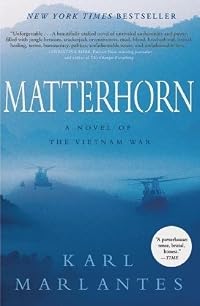
Matterhorn
by Karl Marlantes
On This Page
Description
Intense, powerful, and compelling, Matterhorn is an epic war novel in the tradition of Norman Mailer's The Naked and the Dead and James Jones's The Thin Red Line. It is the timeless story of a young Marine lieutenant, Waino Mellas, and his comrades in Bravo Company, who are dropped into the mountain jungle of Vietnam as boys and forced to fight their way into manhood. Standing in their way are not merely the North Vietnamese but also monsoon rain and mud, leeches and tigers, disease and show more malnutrition. Almost as daunting, it turns out, are the obstacles they discover between each other: racial tension, competing ambitions, and duplicitous superior officers. But when the company finds itself surrounded and outnumbered by a massive enemy regiment, the Marines are thrust into the raw and all-consuming terror of combat. The experience will change them forever. Written by a highly decorated Marine veteran over the course of thirty years, Matterhorn is a spellbinding and unforgettable novel that brings to life an entire world-both its horrors and its thrills-and seems destined to become a classic of combat literature. show lessTags
Recommendations




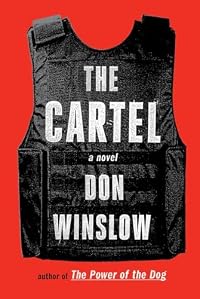
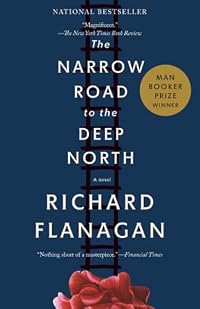
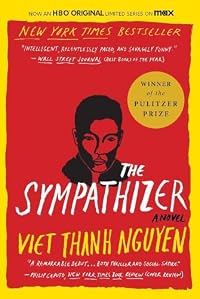
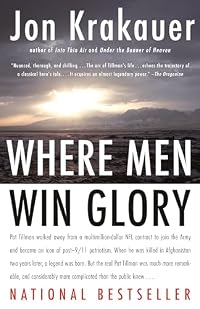

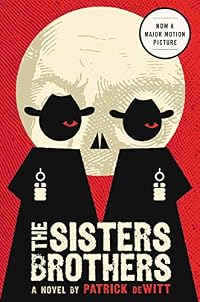

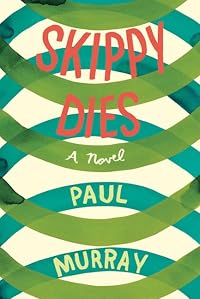
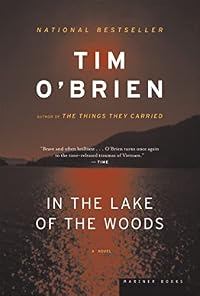
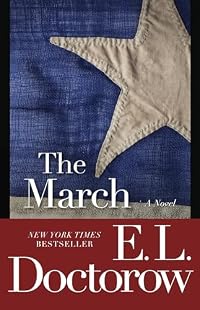
Member Recommendations
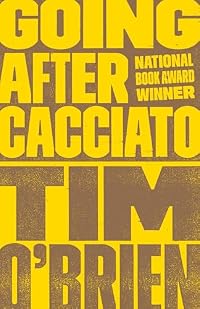
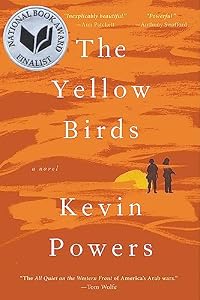
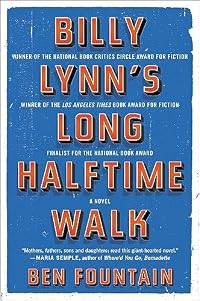
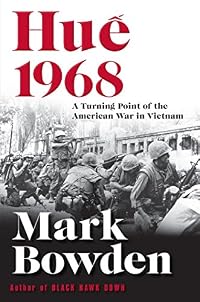
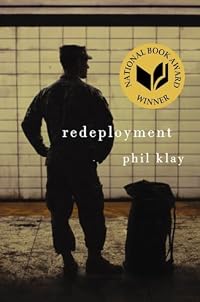
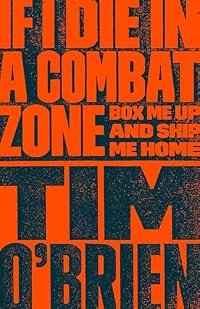
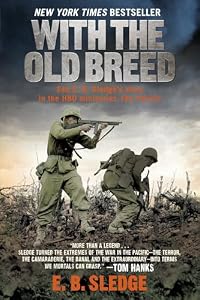
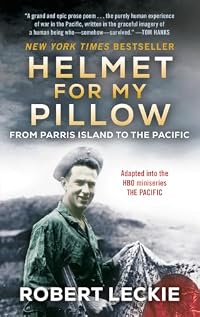
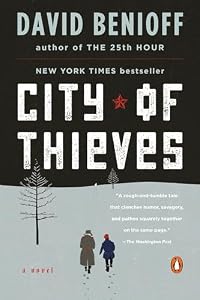
chrisharpe Both excellent fictional accounts based on Vietnam wartime experience.
91
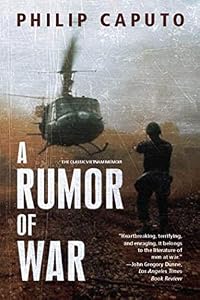
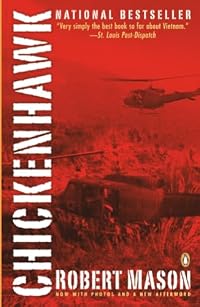
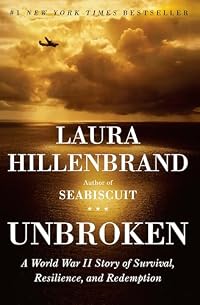
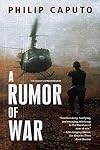
chrisharpe This memoir is a fitting complement to Matterhorn's grunt's perspective, giving an account from the point of view of a Huey pilot with the 1st Cav. One is nominally fiction and the other "fact", though it's hard, if not impossible, to tell which is which.
30
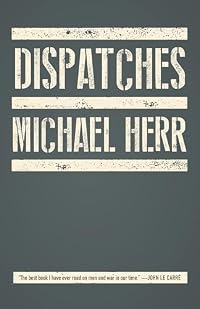
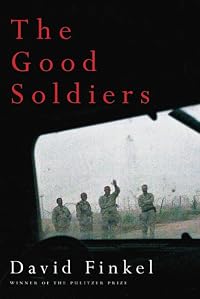
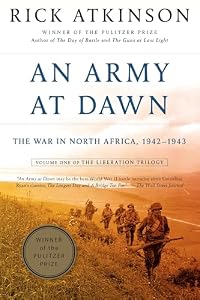
TooBusyReading Nonfiction by the author of Matterhorn, this one is a great look at war through the eyes of someone who has been there - what we've done right, what we've done wrong, what we have to change.
20
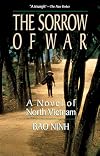
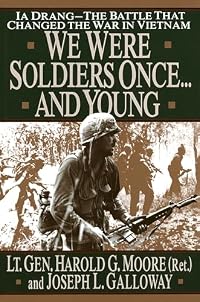
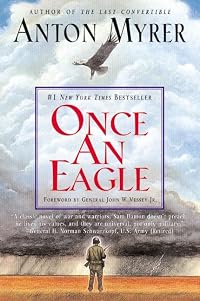
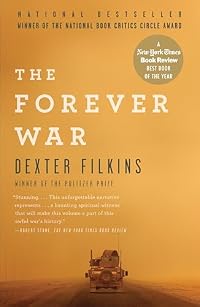
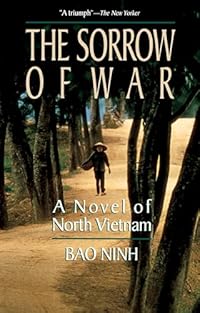
rebeccanyc Whether American or Vietnamese, the experience of the Vietnam/American war was shared, and these two books explore the experience of fighting and remembering from differing perspectives.

alanteder "Matterhorn" author Karl Marlantes has said that part of the inspiration for his Vietnam War novel also comes from the Parsifal (aka Parzival aka Percival) Arthurian/Grail legends. See his speaking engagement at the Pritzker Military Library for instance at http://www.pritzkermilitarylibrary.org/events/2010/09-23-karl-marlantes.jsp
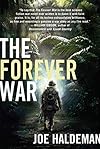
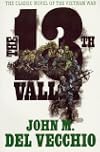
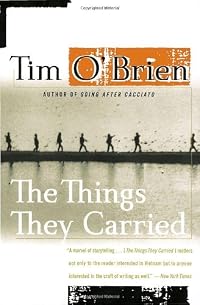
paulkid Similar books that explore the psyches of grunts and their lieutenants, focusing on a small number of company-sized military operations. Both are rich in character development, and capture how soldiers deal with the constant threat of unexpected death and pain. For example, compare Del Vechhio's mantra "Don't mean nuthin'" to Marlantes' "There it is". Both great books.
Member Reviews
Karl Marlantes is a highly decorated Marine, graduate of Yale, and was a Rhodes Scholar at Oxford. He first tried publishing his novel about the Vietnam War in 1977. For the next thirty years he rewrote, resubmitted, and waited for the public to be ready for the type of story he wanted to tell. Based upon his experiences as a white, college-educated, volunteer Marine, Matterhorn addresses issues far beyond the war itself: the Black Power movement as it swept through the military, the ambitions of young officers and the hubris of old ones, and the nature of evil itself.
He thought of the jungle, already regrowing around him to cover the scars they had created. He thought of the tiger, killing to eat. Was that evil? And ants? They killed. show more No, the jungle wasn't evil. It was indifferent. So, too, was the world. Evil, then, must be the negation of something man had added to the world. Ultimately, it was caring about something that made the world liable to evil. Caring. And then the caring gets torn asunder. Everybody dies, but not everybody cares.
It occurred to Mellas that he could create the possibility of good or evil through caring. He could nullify the indifferent world. But in so doing he opened himself up to the pain of watching it get blown away. His killing that day would not have been evil if the dead soldiers hadn't been loved by mothers, sisters, friends, wives. Mellas understood that in destroying the fabric that linked those people, he had participated in evil, but this evil had hurt him as well. He also understood that his participation in evil, was a result of being human. Being human was the best he could do. Without man there would be no evil. But there was also no good, nothing moral built over the world of fact. Humans were responsible for it all. He laughed at the cosmic joke, but he felt heartsick.
In addition, Matterhorn is a retelling of the myth of Parzival and his epic spiritual quest for the Holy Grail. From the opening scenes, the myth is recreated as a reflection of young Lieutenant Mellas's passage to male adulthood. This literary analogy deepened my understanding of the story and explained a few unusual plot elements. I highly recommend a second look at Matterhorn through this lens, if you missed it the first time, as I did. Particularly helpful for me in making the connections is an article called "Wounded Masculinity: Parsifal and the Fisher King Wound" by Richard A. Sanderson, available online at http://howellgroup.org/parsifal.html. show less
He thought of the jungle, already regrowing around him to cover the scars they had created. He thought of the tiger, killing to eat. Was that evil? And ants? They killed. show more No, the jungle wasn't evil. It was indifferent. So, too, was the world. Evil, then, must be the negation of something man had added to the world. Ultimately, it was caring about something that made the world liable to evil. Caring. And then the caring gets torn asunder. Everybody dies, but not everybody cares.
It occurred to Mellas that he could create the possibility of good or evil through caring. He could nullify the indifferent world. But in so doing he opened himself up to the pain of watching it get blown away. His killing that day would not have been evil if the dead soldiers hadn't been loved by mothers, sisters, friends, wives. Mellas understood that in destroying the fabric that linked those people, he had participated in evil, but this evil had hurt him as well. He also understood that his participation in evil, was a result of being human. Being human was the best he could do. Without man there would be no evil. But there was also no good, nothing moral built over the world of fact. Humans were responsible for it all. He laughed at the cosmic joke, but he felt heartsick.
In addition, Matterhorn is a retelling of the myth of Parzival and his epic spiritual quest for the Holy Grail. From the opening scenes, the myth is recreated as a reflection of young Lieutenant Mellas's passage to male adulthood. This literary analogy deepened my understanding of the story and explained a few unusual plot elements. I highly recommend a second look at Matterhorn through this lens, if you missed it the first time, as I did. Particularly helpful for me in making the connections is an article called "Wounded Masculinity: Parsifal and the Fisher King Wound" by Richard A. Sanderson, available online at http://howellgroup.org/parsifal.html. show less
I picked this partially fictionalized Vietnam War memoir up off of the recommendation of James Fallows, one of my favorite journalists. It was absolutely riveting, one of the best books I've read this year and one of the best war novels I've ever read, up there with All Quiet On the Western Front and other books of that caliber. It's the story of Lieutenant Mellas, a young Ivy League graduate fresh on the ground and his participation in patrol and combat operations in the northern border areas that strike me as unbelievably nightmarish, but were apparently par for the course. I feel like war stories (whether told through books, movies, or video games) are almost paradoxically becoming more common as war becomes less real to the majority show more of the country. I might be wrong, but I couldn't help feeling a little lost after I finished this book - it certainly feels real (and considering it opens with a Marine having a leech crawl up his urethra, maybe a little too real), and many other reviewers who actually have military experience have nothing but praise for it, but all the book's heartbreaking and unflinching looks at the boring, terrifying, and unforgettable nature of war made me feel like a spectator, an outsider having the world told to me instead of experiencing it myself. Obviously it's as impossible to convey the true nature of combat as it is to tell what it's like to land on the moon, or to be a king, but something about the way the people in the book lived and died lifted it far beyond what I had previously thought was the baseline level of a simple war story. Maybe it was due to Marlantes' direct experience in the war; the book has taken him 30 years to write and reportedly had to be cut down from over 1600 pages to a shade over 600, of which none feel wasted. Fallows himself has a semi-personal connection to the story of the war - he once wrote a recollection of his own personal experiences as a young Ivy League graduate dodging the Vietnam draft called What Did You Do In the Class War, Daddy? It's a great piece, and if you read it right beside Matterhorn, the comparison between one man's feelings of never serving with another man's feelings of having served is incredibly moving. Don't miss this book. show less
This book was intense! It follows the experiences of a Marine Lieutenant named Mellas and the men in his company who endure unbelievable hardships and are forced to fight their way into manhood--unless they die or go insane first. Leeches, tigers, mud, and disease combine with the enemy forces to cut them down. But they also have to deal with the racial tensions, competing ambitions, and duplicitous superior officers. In fact, one part of the book really angered me because they were denied food by a commanding officer who thought they weren't trying hard enough as they marched through the jungle (this is the journey where one of them is attacked and killed by a tiger and two of them die of malaria). So they end up marching through the show more jungle for 9 days with no food--an amazing feat of survival. Their treatment by their commanding officers wasn't the only maddening part of the book--the racial tensions that also lead to pointless deaths were also upsetting, though they made me feel more sad than mad as I witnessed them lead to self-destruction. I highly recommend this for anyone who wants to get a sense for what the Vietnam War was really like for the soldiers that fought in it and for anyone who likes a good tale of survival--as long as you have a tolerance for colorful language and gruesome descriptions. show less
This is, by far, the most gripping piece of fiction on war I have read in recent years.
Pitched to me as one of the most accurate novels ever written about the Vietnam War, I don't think the description did sufficient justice to the book to prepare me for what I was about to find. Perhaps I know too little about the war to start with or have given that period of history too short shrift, but for some reason, I found myself constantly surprised and disturbed by the raw pain and inhumanity provoked by the war in the humans it inflicted. It's not that I am ignorant or careless--I grew up in the '80s, when Vietnam was still the last war, and Rambo was among the pop culture symbols of the wreckage the war had left of American servicemen's show more lives (not that my mom would ever have let me watch Rambo...but even I knew who Rambo was, though I would be in my 20s before I realized that the point was not to glorify the warrior, but to accentuate what war did to him). I think for that reason, I never looked too closely, never paid too close attention. War was bad, war was hell, and Vietnam had been among the worst.
Fast forward a couple decades, past Iraq, Afghanistan, a number of regional conflicts, and apparently we've still not learned our lesson. Or perhaps we are in a world that does not care what lessons can be learned. War remains a feature, though for so many Americans, a distant and almost academic one.
Unfortunately.
So, Matterhorn. This is Karl Marlantes only novel, and it is obviously a work into which he has poured in his life, experience, and research. He served in the Vietnam War himself, a Marine that was decorated repeatedly (the Navy Cross, the Bronze Star, two Navy Commendation medals for valor, two Purple Hearts, and ten air medals). And yet, it's apparent to read the book that Marlantes does not love war, and this novel is not a glorification of it. It is anything but that, in fact.
Matterhorn bypasses the broad political and historical contexts that might mark a history of the war and immediately zooms in on the microcosm of the soldier's life on the ground. As the summary well states, it is the story of a "young Marine lieutenant, Waino Mellas, and his comrades in Bravo Company, who are dropped into the mountain jungle of Vietnam as boys and forced to fight their way into manhood." (Okay, that's a little cliche, to be honest, but whatever.)
"Standing in their way are not merely the North Vietnamese but also monsoon rain and mud, leeches and tigers, disease and malnutrition. Almost as daunting, it turns out, are the obstacles they discover between each other: racial tension, competing ambitions, and duplicitous superior officers. But when the company finds itself surrounded and outnumbered by a massive enemy regiment, the Marines are thrust into the raw and all-consuming terror of combat."
This last paragraph is a succinct and perfect summary, and yet it manages to tell you little enough about the novel that you know nothing without actually reading it. Alternating between the profane and the mundane, Marlantes captures what it must feel like to be a Marine in the maddening troop through a jungle only to fight and die on hills of no particular import in a way that those who have never, and may never, see death can appreciate and, thankfully, hate. War is hell, and we seem too often to take violence, death, killing, and war for granted, especially in this age of missiles strikes, aerial bombings, and drones.
Matterhorn, in this sense, is raw and untempered with the political and strategic expectations that sent men to die on hills and mountains of southeast Asia. It is just the death and pain and politics and relationships and meaninglessness that they faced as they lived and died--and became, or didn't become, men--in America's war in Vietnam. I recommend it, and I recommend it heartedly, though it is not for the faint-hearted or easily squeamish. show less
Pitched to me as one of the most accurate novels ever written about the Vietnam War, I don't think the description did sufficient justice to the book to prepare me for what I was about to find. Perhaps I know too little about the war to start with or have given that period of history too short shrift, but for some reason, I found myself constantly surprised and disturbed by the raw pain and inhumanity provoked by the war in the humans it inflicted. It's not that I am ignorant or careless--I grew up in the '80s, when Vietnam was still the last war, and Rambo was among the pop culture symbols of the wreckage the war had left of American servicemen's show more lives (not that my mom would ever have let me watch Rambo...but even I knew who Rambo was, though I would be in my 20s before I realized that the point was not to glorify the warrior, but to accentuate what war did to him). I think for that reason, I never looked too closely, never paid too close attention. War was bad, war was hell, and Vietnam had been among the worst.
Fast forward a couple decades, past Iraq, Afghanistan, a number of regional conflicts, and apparently we've still not learned our lesson. Or perhaps we are in a world that does not care what lessons can be learned. War remains a feature, though for so many Americans, a distant and almost academic one.
Unfortunately.
So, Matterhorn. This is Karl Marlantes only novel, and it is obviously a work into which he has poured in his life, experience, and research. He served in the Vietnam War himself, a Marine that was decorated repeatedly (the Navy Cross, the Bronze Star, two Navy Commendation medals for valor, two Purple Hearts, and ten air medals). And yet, it's apparent to read the book that Marlantes does not love war, and this novel is not a glorification of it. It is anything but that, in fact.
Matterhorn bypasses the broad political and historical contexts that might mark a history of the war and immediately zooms in on the microcosm of the soldier's life on the ground. As the summary well states, it is the story of a "young Marine lieutenant, Waino Mellas, and his comrades in Bravo Company, who are dropped into the mountain jungle of Vietnam as boys and forced to fight their way into manhood." (Okay, that's a little cliche, to be honest, but whatever.)
"Standing in their way are not merely the North Vietnamese but also monsoon rain and mud, leeches and tigers, disease and malnutrition. Almost as daunting, it turns out, are the obstacles they discover between each other: racial tension, competing ambitions, and duplicitous superior officers. But when the company finds itself surrounded and outnumbered by a massive enemy regiment, the Marines are thrust into the raw and all-consuming terror of combat."
This last paragraph is a succinct and perfect summary, and yet it manages to tell you little enough about the novel that you know nothing without actually reading it. Alternating between the profane and the mundane, Marlantes captures what it must feel like to be a Marine in the maddening troop through a jungle only to fight and die on hills of no particular import in a way that those who have never, and may never, see death can appreciate and, thankfully, hate. War is hell, and we seem too often to take violence, death, killing, and war for granted, especially in this age of missiles strikes, aerial bombings, and drones.
Matterhorn, in this sense, is raw and untempered with the political and strategic expectations that sent men to die on hills and mountains of southeast Asia. It is just the death and pain and politics and relationships and meaninglessness that they faced as they lived and died--and became, or didn't become, men--in America's war in Vietnam. I recommend it, and I recommend it heartedly, though it is not for the faint-hearted or easily squeamish. show less
Readers under the age of fifty-five can move on. Vietnam holds an intractable power over those of us, mostly males, who were of draftable age from around ‘65 to ‘71 or so. But it affected many of our parents, too, and may have had effects on policy decisions many years later by people who were able to avoid the quagmire.
An excellent, if terribly depressing, novel about Vietnam. Matterhorn is the code name of a hill a company of Marines is asked to defend and establish a base. The hills in the area are named for Swiss mountains. Marlantes’s protagonist, Mellas, is an ambitious fresh lieutenant. We’re never quite clear of how Mellas got there, and his motives are confused. He’s angling for the position of company commander but show more he’s also increasingly dismayed by the incompetence of his superiors (something that really pissed off some Amazon reviewers who mostly were some of those.)
Some rather horrible scenes, one where the group has just set up an ambush in the middle of the night when the man out front is mauled and killed by a tiger. In another scene, a marine gets a leech up his urethra, which would be funny except it’s horribly painful and life-threatening.
Apparently, the book was originally 1,600 pages long, finally cut to about 600 and the book takes the reader along to a deployment in Vietnam forced to accompany the troops as they , in Sisyphean fashion, slog along taking the hill, losing it, retaking it, rebuilding previous positions, in what inevitably becomes a futile effort to get anywhere.
“No, the jungle wasn’t evil. It was indifferent. So, too, was the world. Evil, then, must be the negation of something man had added to the world. Ultimately, it was caring about something that made the world liable to evil. Caring. And then the caring gets torn asunder. Everybody dies, but not everybody cares. It occurred to Mellas that he could create the possibility of good or evil through caring. He could nullify the indifferent world. But in so doing he opened himself up to the pain of watching it get blown away.”
Reviews on Amazon all compliment the author for the book’s extreme realism.
There were the inevitable negative reviews complaining the book is anti-Vietnam (what was he supposed to do, make a John Wayne movie?), the officers were portrayed as buffoons (only in part), horribly written (utter nonsense), used the “f” word too much (I mean really, these are Marines in horrible conditions,) wrong portrayal of the fighter jocks (like Marlantes is only allowed have a positive view despite his experiences,) the bomb-bay door on an F-4 was wrongly described, etc., etc. There is an assumption on the part of several that if Marlantes experience in Vietnam didn’t mirror theirs exactly, it must be rubbish. Having read many Vietnam memoirs, each has a distinct perspective that reflects their own experience. Marlantes, btw, earned a Navy Cross, no slouchy thing. His hero is also not the most selfless, but you get the distinct feeling that the upper echelons were more interested in glory for themselves at the expense of their troops who were maneuvered as bait, so they could kill more VC. Casualties counts were manipulated to look smaller than they really were. A company's losses could be made to look less devastating by describing the action as a battalion level operation.
Marlantes unflinchingly describes the racial tensions that were becoming increasingly pronounced by 1969 when he was there. "You cannot imagine how racist the army was in the 60s," he says. "Out in the field, we were held together by fear, but once the troops were back at base the old divisions, black and white, would come back."
Mellas, who has much in common with Marlantes: an Ivy League graduate from rural Oregon who adheres to the values of his childhood rather than the smart, east coast radicalism of his Princeton roommates. Mellas volunteers for the Marine Corps and, wet behind the ears, takes command of a platoon in the north-west corner of South Vietnam during the rainy season of 1969, just as Marlantes did. "All second lieutenants in history are the same," he says. "I was just a young white kid from Oregon commanding these working-class kids from the ghetto."
Triage aboard the hospital ship and on the ground was the inverse of what we would expect. Those most severely wounded were put aside to later. The idea was to first fix up those who could return to the field and then attend to those who would never be able to. This created a dissonance in the hospital staff who realized their job was to simply fix a killing machine so it could go on killing rather than necessarily save lives, although they certainly did lots of that.
He was demobilized in 1970 after being wounded during battle. When he returned he was challenged by some protesters, who accused him of being a killer. Six weeks before he had indeed been killing as many as he could. "The Vietnam war was a defining experience in the US," he says. "It made this incredible divide, even within families. The Democrats were anti-war and the Republicans supported our troops. It shaped a generation, at least, and conditioned our response to things like Iraq and Afghanistan."
Marlantes has some interesting things to say about the reticence of veterans to talk of their experience at
https://www.youtube.com/watch?v=wIxekAmiyyA show less
An excellent, if terribly depressing, novel about Vietnam. Matterhorn is the code name of a hill a company of Marines is asked to defend and establish a base. The hills in the area are named for Swiss mountains. Marlantes’s protagonist, Mellas, is an ambitious fresh lieutenant. We’re never quite clear of how Mellas got there, and his motives are confused. He’s angling for the position of company commander but show more he’s also increasingly dismayed by the incompetence of his superiors (something that really pissed off some Amazon reviewers who mostly were some of those.)
Some rather horrible scenes, one where the group has just set up an ambush in the middle of the night when the man out front is mauled and killed by a tiger. In another scene, a marine gets a leech up his urethra, which would be funny except it’s horribly painful and life-threatening.
Apparently, the book was originally 1,600 pages long, finally cut to about 600 and the book takes the reader along to a deployment in Vietnam forced to accompany the troops as they , in Sisyphean fashion, slog along taking the hill, losing it, retaking it, rebuilding previous positions, in what inevitably becomes a futile effort to get anywhere.
“No, the jungle wasn’t evil. It was indifferent. So, too, was the world. Evil, then, must be the negation of something man had added to the world. Ultimately, it was caring about something that made the world liable to evil. Caring. And then the caring gets torn asunder. Everybody dies, but not everybody cares. It occurred to Mellas that he could create the possibility of good or evil through caring. He could nullify the indifferent world. But in so doing he opened himself up to the pain of watching it get blown away.”
Reviews on Amazon all compliment the author for the book’s extreme realism.
There were the inevitable negative reviews complaining the book is anti-Vietnam (what was he supposed to do, make a John Wayne movie?), the officers were portrayed as buffoons (only in part), horribly written (utter nonsense), used the “f” word too much (I mean really, these are Marines in horrible conditions,) wrong portrayal of the fighter jocks (like Marlantes is only allowed have a positive view despite his experiences,) the bomb-bay door on an F-4 was wrongly described, etc., etc. There is an assumption on the part of several that if Marlantes experience in Vietnam didn’t mirror theirs exactly, it must be rubbish. Having read many Vietnam memoirs, each has a distinct perspective that reflects their own experience. Marlantes, btw, earned a Navy Cross, no slouchy thing. His hero is also not the most selfless, but you get the distinct feeling that the upper echelons were more interested in glory for themselves at the expense of their troops who were maneuvered as bait, so they could kill more VC. Casualties counts were manipulated to look smaller than they really were. A company's losses could be made to look less devastating by describing the action as a battalion level operation.
Marlantes unflinchingly describes the racial tensions that were becoming increasingly pronounced by 1969 when he was there. "You cannot imagine how racist the army was in the 60s," he says. "Out in the field, we were held together by fear, but once the troops were back at base the old divisions, black and white, would come back."
Mellas, who has much in common with Marlantes: an Ivy League graduate from rural Oregon who adheres to the values of his childhood rather than the smart, east coast radicalism of his Princeton roommates. Mellas volunteers for the Marine Corps and, wet behind the ears, takes command of a platoon in the north-west corner of South Vietnam during the rainy season of 1969, just as Marlantes did. "All second lieutenants in history are the same," he says. "I was just a young white kid from Oregon commanding these working-class kids from the ghetto."
Triage aboard the hospital ship and on the ground was the inverse of what we would expect. Those most severely wounded were put aside to later. The idea was to first fix up those who could return to the field and then attend to those who would never be able to. This created a dissonance in the hospital staff who realized their job was to simply fix a killing machine so it could go on killing rather than necessarily save lives, although they certainly did lots of that.
He was demobilized in 1970 after being wounded during battle. When he returned he was challenged by some protesters, who accused him of being a killer. Six weeks before he had indeed been killing as many as he could. "The Vietnam war was a defining experience in the US," he says. "It made this incredible divide, even within families. The Democrats were anti-war and the Republicans supported our troops. It shaped a generation, at least, and conditioned our response to things like Iraq and Afghanistan."
Marlantes has some interesting things to say about the reticence of veterans to talk of their experience at
https://www.youtube.com/watch?v=wIxekAmiyyA show less
Moving historical fiction about the hell of war, specifically the hell of Vietnam. Beautifully written piece about the absurdity of a Marine company taking and retaking and taking again a mountain top... and other struggles with war i the jungle, going days on a march without food, the fear of ambushes, and the racial tensions among Blacks and Whites. But also a story of the power of brotherhood and Semper Fi, the Marine code. This book will make you hate higher ranking officer who make life/death decisions about the men in battle -- all from a safe distance and thinking more of their glory and reputation than about the safety of the men in the jungle. Some parallels with CEOs and top management of corporations that treat their show more employees poorly, but at least in those cases, the employees don't die horrible deaths. Long book, but a worthy read about the realities of war... and how war changes people. show less
The Publisher Says: Intense, powerful, and compelling, Matterhorn is an epic war novel in the tradition of Norman Mailer's The Naked and the Dead and James Jones's The Thin Red Line. It is the timeless story of a young Marine lieutenant, Waino Mellas, and his comrades in Bravo Company, who are dropped into the mountain jungle of Vietnam as boys and forced to fight their way into manhood. Standing in their way are not merely the North Vietnamese but also monsoon rain and mud, leeches and tigers, disease and malnutrition. Almost as daunting, it turns out, are the obstacles they discover between each other: racial tension, competing ambitions, and duplicitous superior officers. But when the company finds itself surrounded and outnumbered show more by a massive enemy regiment, the Marines are thrust into the raw and all-consuming terror of combat. The experience will change them forever.
My Review: Waino Mellas, newly minted Marine infantry lieutenant, arrives in the tender embrace of Bravo Company a scared, green, awkward, scared, stupid, scared kid and, after a huge amount of pain, loss, and hellish enraging waste of life and liberty, becomes a man.
No, really.
Marlantes was a Marine in Vietnam. He took thirty years...longer than most of this planet's people have been alive...to bring forth this horrifying, harrowing, agonizing artwork. I expect we will not see another book from him, or if we do, it will be so radically different from this one as to be unrecognizable as created in the same brain.
The pain and the horror are obviously not going to let him go. He's exorcised them as best a man can in writing this book. But I don't feel a sense of relief at the end of this book. I don't finish up when he stops writing. I think that's because the experience of reading this book is so shattering. OBVIOUSLY! OBVIOUSLY!! it's no smallest patch on actually living this book, but it's a rare experience to read something so complete, so clearly delineated in its scope and its prupose, and that has power...ask a demolitions person about the power of an explosion contained in a box...but more than that, it has purpose. I don't know Marlantes. I don't know that I want to. I know enough about him after reading this book to hate the idea of sending kids across oceans to kill other human beings before I think they're even ready to *love* other human beings, because so many of them won't live to become the man he has.
I hate that fact so much that I hurt inside. I want to scream and cry and rage and mourn and weep with the mothers and fathers whose souls are now scarred and deformed by the pain of losing a child. It won't help, they're launched on a horrible personal journey, but GODDAM IT they're people whose lives changed forever because of some stupid slogan like "national interest."
Ahem. The book.
So, what has Marlantes wrought? A long, hard journey of a book that millions will read some of, and back away scared...be one of the few who go the distance, and you will never, ever forget the journey or the guide. Worth it. show less
My Review: Waino Mellas, newly minted Marine infantry lieutenant, arrives in the tender embrace of Bravo Company a scared, green, awkward, scared, stupid, scared kid and, after a huge amount of pain, loss, and hellish enraging waste of life and liberty, becomes a man.
No, really.
Marlantes was a Marine in Vietnam. He took thirty years...longer than most of this planet's people have been alive...to bring forth this horrifying, harrowing, agonizing artwork. I expect we will not see another book from him, or if we do, it will be so radically different from this one as to be unrecognizable as created in the same brain.
The pain and the horror are obviously not going to let him go. He's exorcised them as best a man can in writing this book. But I don't feel a sense of relief at the end of this book. I don't finish up when he stops writing. I think that's because the experience of reading this book is so shattering. OBVIOUSLY! OBVIOUSLY!! it's no smallest patch on actually living this book, but it's a rare experience to read something so complete, so clearly delineated in its scope and its prupose, and that has power...ask a demolitions person about the power of an explosion contained in a box...but more than that, it has purpose. I don't know Marlantes. I don't know that I want to. I know enough about him after reading this book to hate the idea of sending kids across oceans to kill other human beings before I think they're even ready to *love* other human beings, because so many of them won't live to become the man he has.
I hate that fact so much that I hurt inside. I want to scream and cry and rage and mourn and weep with the mothers and fathers whose souls are now scarred and deformed by the pain of losing a child. It won't help, they're launched on a horrible personal journey, but GODDAM IT they're people whose lives changed forever because of some stupid slogan like "national interest."
Ahem. The book.
So, what has Marlantes wrought? A long, hard journey of a book that millions will read some of, and back away scared...be one of the few who go the distance, and you will never, ever forget the journey or the guide. Worth it. show less
Members
- Recently Added By
Published Reviews
ThingScore 92
In zijn sublieme roman Matterhorn doorbreekt Vietnam-veteraan Karl Marlantes het stilzwijgen dat de maatschappij verwacht van hen die het smerigste werk moeten opknappen: de gevechtssoldaten.
Als verhalenverteller brengt Marlantes effectief het gevoel over wat oorlog is. De gekte, de pijn, maar ook de vriendschap en de liefde. Het maakte dit oorlogsboek populair bij vrouwen in Amerika.
Als verhalenverteller brengt Marlantes effectief het gevoel over wat oorlog is. De gekte, de pijn, maar ook de vriendschap en de liefde. Het maakte dit oorlogsboek populair bij vrouwen in Amerika.
added by sneuper
Chapter after chapter, battle after battle, Marlantes pushes you through what may be one of the most profound and devastating novels ever to come out of Vietnam — or any war. It’s not a book so much as a deployment, and you will not return unaltered.
added by Stbalbach
"It reads like adventure and yet it makes even the toughest war stories seem a little pale by comparison."
added by bookfitz
Lists

Recommend the 20 best books you've read in the last five years
2,167 works; 605 members

Top Five Books of 2013
1,564 works; 722 members

Best War Stories
87 works; 16 members

Top Five Books of 2014
1,064 works; 397 members

Top Five Books of 2015
811 works; 241 members

Powell's Indiespensable
79 works; 6 members

International IMPAC Dublin Literary Award
179 works; 6 members

2008-2012 Notable Books for Adults
127 works; 10 members

Books About the Vietnam War
15 works; 6 members

Global Reads: Books Set in East Asia
139 works; 12 members

to get
244 works; 2 members

THE WAR ROOM
813 works; 24 members

Books That Changed Our Perspective
423 works; 166 members

Books We Discovered On LibraryThing
530 works; 130 members
Author Information

Karl Marlantes grew up in Seaside, Oregon. He was a National Merit Scholar, attended Yale University, and was a Rhodes Scholar at Oxford. He served as a lieutenant in the United States Marine Corps during the Vietnam War. He received the Navy Cross, two Navy Commendation Medals for valor, two Purple Hearts and ten Air Medals. His first book, show more Matterhorn: A Novel of the Vietnam War, was written in 1977, but wasn't published until 2010. His other work, What It Is Like to Go to War, was published in 2011. (Bowker Author Biography) show less
Some Editions
Awards and Honors
Awards
Distinctions
Work Relationships
Was inspired by
Common Knowledge
- Canonical title
- Matterhorn
- Original title
- Matterhorn
- Original publication date
- 2010 (1e édition originale américaine, Atlantic Monthly Press) (1e édition originale américaine, Atlantic Monthly Press); 2012-08-29 (1e traduction et édition française, Calmann-Lévy) (1e traduction et édition française, Calmann-Lévy)
- People/Characters
- Waino Mellas, 2nd Lt.; Mellis; Ted Hawke; Vancouver; Fitch, Lt. Company Commander; Murphy (show all 12); Bass, Platoon Sergeant; Hawkins; Simpson, Lt. Colonel; Goodwin, 2nd Lt.; Blakely, Major; Mulvaney, Colonel
- Important places
- Vietnam; Quang-tri Province
- Important events
- Vietnam War
- Epigraph
- Shame and honor clash where the courage of a steadfast man is motley like the magpie. But such a man may yet make merry, for Heaven and Hell have equal part in him.
- Wolfram von Eschenbach "Parzifal" - Dedication
- This novel is dedicated to my children, who grew up with the good and bad of having a Marine combat veteran as a father.
- First words
- Mellas stood beneath the gray monsoon clouds on the narrow strip of cleared ground between the edge of the jungle and the relative safety of the perimeter wire.
- Quotations
- Between the emotion and the response, the desire and the spasm, falls the shadow (Matterhorn, p. 597)
- Last words
- (Click to show. Warning: May contain spoilers.)Only the shadows themselves could change.
- Blurbers
- Robb, Christina; Frazier, Charles; Rather, Dan; Butler, Robert Olen; Sides, Hampton; Finkel, David (show all 11); Stanton, Doug; Junger, Sebastian; Schaub, Michael; Memmott, Carol; Bowden, Mark
- Original language
- English
Classifications
Statistics
- Members
- 3,111
- Popularity
- 5,597
- Reviews
- 140
- Rating
- (4.32)
- Languages
- 8 — Dutch, English, French, German, Hungarian, Italian, Polish, Spanish
- Media
- Paper, Audiobook, Ebook
- ISBNs
- 44
- UPCs
- 1
- ASINs
- 26