
Works by Diane Nahl
Information and Emotion: The Emergent Affective Paradigm in Information Behavior Research and Theory (2007) 30 copies, 1 review
Tagged
Common Knowledge
- Gender
- female
- Organizations
- University of Hawaii at Manoa
- Short biography
- Dr. Diane Nahl is a Professor at the University of Hawaii at Manoa in the Library and Information Science Program. She publishes research on information behavior, affective computing and information technology literacy, and teaches courses in reference services, information literacy instruction and human computer interaction.
- Nationality
- USA
- Associated Place (for map)
- USA
Members
Reviews
Information and emotion : the emergent affective paradigm in information behavior research and theory by Diane Nahl
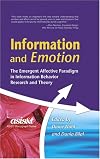
Usually, when I receive promo letters in the mail, I give them a glance and then toss them out. This title, however, caught my eye. Although the subtitle is a mouthful, the title really says it all. The book explores the ways in which affect (or emotion) influences information behaviors, from seeking to use to comprehension, and conversely how information influences affect.
After all of the schooling I have just finished, I was not sure how excited I would be about reading the studies in this show more book, but luckily I was entralled. Such an interesting topic in which researchers are beginning to look at in new and varied ways, I learned a great deal. I truly do enjoy the library and information field, and it was fun to finally be able to read research studies for pure enjoyment and curiosity satisfaction.
Thankfully the studies focus on all different aspects of information and not just on computer and interface applicability. Information pervades all parts of peoples' lives, and I was glad to see a gamut represented. Theoretical groundwork is laid in part one, discussing cognitive theories and sense-making methodologies. Part two focuses on macro-level aspects (social-emotional impacts on information literacy, experiences of critical care nurses, children's book selections, emotions of undergraduates, and rogue social software contributors). Part three looks at micro-level aspects (frustrating experiences with technology, stay-at-home mothers' information behaviors and needs, library anxiety and its effect on information seeking, and more). The final part consideres special populations (the impoverished, the blind, and international students).
For anyone working in the public in an information environment, I highly recommend this book. Cluing you in to triggers and emotions that will break down a customer's ability to effectively seek and use information as well as the signs of the emotional interplay with information, these studies provide immediate usefulness in the Education and Library and Information Science fields. I am anxiously looking forward to more research and applications on this topic in the future. show less
After all of the schooling I have just finished, I was not sure how excited I would be about reading the studies in this show more book, but luckily I was entralled. Such an interesting topic in which researchers are beginning to look at in new and varied ways, I learned a great deal. I truly do enjoy the library and information field, and it was fun to finally be able to read research studies for pure enjoyment and curiosity satisfaction.
Thankfully the studies focus on all different aspects of information and not just on computer and interface applicability. Information pervades all parts of peoples' lives, and I was glad to see a gamut represented. Theoretical groundwork is laid in part one, discussing cognitive theories and sense-making methodologies. Part two focuses on macro-level aspects (social-emotional impacts on information literacy, experiences of critical care nurses, children's book selections, emotions of undergraduates, and rogue social software contributors). Part three looks at micro-level aspects (frustrating experiences with technology, stay-at-home mothers' information behaviors and needs, library anxiety and its effect on information seeking, and more). The final part consideres special populations (the impoverished, the blind, and international students).
For anyone working in the public in an information environment, I highly recommend this book. Cluing you in to triggers and emotions that will break down a customer's ability to effectively seek and use information as well as the signs of the emotional interplay with information, these studies provide immediate usefulness in the Education and Library and Information Science fields. I am anxiously looking forward to more research and applications on this topic in the future. show less
Statistics
- Works
- 2
- Members
- 33
- Popularity
- #421,954
- Rating
- 4.5
- Reviews
- 1
- ISBNs
- 2