
Series
Works by Jeff Katz
Split Season: 1981: Fernandomania, the Bronx Zoo, and the Strike that Saved Baseball (2015) 41 copies
The Kansas City A's and the Wrong Half of the Yankees: How the Yankees Controlled Two of the Eight American League Franchises During the 1950s (2007) 21 copies, 1 review
Freddy vs Jason vs Ash # 5 3 copies
Associated Works
Tagged
Common Knowledge
- Gender
- male
Members
Reviews
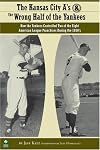
When I was a kid, I would look at the back of the baseball cards for many of the New York Yankees’ stars of the 1960s, and I saw that they had also played for the Kansas City A’s. Why was that? Why was Kansas City trading so many star players, even including Roger Maris, to the Yankees? And who were they getting back? The A’s were terrible, and the Yankees dominated the American League. Something smelled pretty bad, even to a little kid.
This book tells the story.
In the early 1950s, the show more Philadelphia Athletics were a failing franchise. Performance on the field was awful, attendance was laughable, and the long time icon of the franchise, owner and former manager Connie Mack, was in his late 80s, no longer a day-to-day presence.
Baseball had started a move west — the Braves had moved from Boston to Milwaukee. Other cites — Houston, Toronto, Los Angeles, and San Francisco — were hungry for baseball teams. Kansas City was home to the Yankees’ top minor league team, the Kansas City Blues. The city would have loved a major league team.
Arnold Johnson stepped in to try to buy the A’s and move them to Kansas City. But he had very close and suspicious ties to New York Yankees’ owners, Del Webb and Dan Topping. The three were partners in the Automatic Canteen Company, a food vending machine business. The ties tightened when Webb and Topping worked out a sale of Yankee Stadium to Johnson, so they were now Johnson’s tenants.
The Yankees’ owners also sold the Blues’ stadium in Kansas City to Johnson. All of those sales were at bargain prices, and ownership of the Blues’ stadium put Johnson in a favored position to bring a team to Kansas City. It’s hard not to just say that the Yankees’ owners were manufacturing the sale of the A’s to Johnson, as a kind of informal partner.
There were other groups and individuals trying to buy the A’s, some to keep the team in Philadelphia and others to move it to Kansas City or Los Angeles. The Yankees’ owners again stepped in, using their power and influence to help Johnson’s bid win. It’s not clear at all that it was the best bid, and American League President William Harridge appeared to hold the bids from other parties to higher standards and a tougher approval process.
Once the deal was done, and the team was moved, the trades started. The Yankees, throughout the 1950s, traded for whoever the A’s had that fit their needs. And, in return, the A’s got has-beens, non-prospects, and just plain discards (there were a few exceptions, especially outfielder-first baseman Norm Siebern). From 1956 to 1960, the A’s finished last or next-to-last in the American League every year. The Yankees finished first all of those years except 1959.
The Yankees harvested the A’s for players like Roger Maris, Ralph Terry, Clete Boyer, Art Ditmar, and Hector Lopez. In Terry’s case, they used the A’s as a true farm team, trading a young Terry to the A’s, where he could get needed experience before re-acquiring him less than two years later. Terry then became a star in the Yankees’ 1960s’ rotation.
Boyer’s case may have been even more outrageous. The A’s signed Boyer to a “bonus baby” contract, which at the time required that Boyer stay on their major league roster for two years, even though he was still in his teens. Once his time was up, the A’s traded him to the Yankees.
Maris was originally signed by the Cleveland Indians. The A’s worked out a trade to acquire him, where he played for a year and a half before predictably being traded in 1959 to the Yankees as part of a big, lop-sided trade. Maris then won the American League Most Valuable Player Award in his first year with the Yankees.
That Johnson and the Yankees’ owners were in cahoots is obvious. And we can see the genesis of it in the story that Katz tells in this book. The Yankees arranged Johnson’s acquisition of the A’s. And through various financial manipulations, Johnson paid almost nothing for the team. He was beholden to Webb and Topping, and it looks like he paid them back.
It’s not as if no one noticed. Johnson even gave testimony to Congress to try to dispel the obvious perception that the A’s were really a major league farm team for the Yankees. But the trades went on throughout the decade of the 50s.
Johnson died suddenly in 1960, and the trades stopped just as suddenly. show less
This book tells the story.
In the early 1950s, the show more Philadelphia Athletics were a failing franchise. Performance on the field was awful, attendance was laughable, and the long time icon of the franchise, owner and former manager Connie Mack, was in his late 80s, no longer a day-to-day presence.
Baseball had started a move west — the Braves had moved from Boston to Milwaukee. Other cites — Houston, Toronto, Los Angeles, and San Francisco — were hungry for baseball teams. Kansas City was home to the Yankees’ top minor league team, the Kansas City Blues. The city would have loved a major league team.
Arnold Johnson stepped in to try to buy the A’s and move them to Kansas City. But he had very close and suspicious ties to New York Yankees’ owners, Del Webb and Dan Topping. The three were partners in the Automatic Canteen Company, a food vending machine business. The ties tightened when Webb and Topping worked out a sale of Yankee Stadium to Johnson, so they were now Johnson’s tenants.
The Yankees’ owners also sold the Blues’ stadium in Kansas City to Johnson. All of those sales were at bargain prices, and ownership of the Blues’ stadium put Johnson in a favored position to bring a team to Kansas City. It’s hard not to just say that the Yankees’ owners were manufacturing the sale of the A’s to Johnson, as a kind of informal partner.
There were other groups and individuals trying to buy the A’s, some to keep the team in Philadelphia and others to move it to Kansas City or Los Angeles. The Yankees’ owners again stepped in, using their power and influence to help Johnson’s bid win. It’s not clear at all that it was the best bid, and American League President William Harridge appeared to hold the bids from other parties to higher standards and a tougher approval process.
Once the deal was done, and the team was moved, the trades started. The Yankees, throughout the 1950s, traded for whoever the A’s had that fit their needs. And, in return, the A’s got has-beens, non-prospects, and just plain discards (there were a few exceptions, especially outfielder-first baseman Norm Siebern). From 1956 to 1960, the A’s finished last or next-to-last in the American League every year. The Yankees finished first all of those years except 1959.
The Yankees harvested the A’s for players like Roger Maris, Ralph Terry, Clete Boyer, Art Ditmar, and Hector Lopez. In Terry’s case, they used the A’s as a true farm team, trading a young Terry to the A’s, where he could get needed experience before re-acquiring him less than two years later. Terry then became a star in the Yankees’ 1960s’ rotation.
Boyer’s case may have been even more outrageous. The A’s signed Boyer to a “bonus baby” contract, which at the time required that Boyer stay on their major league roster for two years, even though he was still in his teens. Once his time was up, the A’s traded him to the Yankees.
Maris was originally signed by the Cleveland Indians. The A’s worked out a trade to acquire him, where he played for a year and a half before predictably being traded in 1959 to the Yankees as part of a big, lop-sided trade. Maris then won the American League Most Valuable Player Award in his first year with the Yankees.
That Johnson and the Yankees’ owners were in cahoots is obvious. And we can see the genesis of it in the story that Katz tells in this book. The Yankees arranged Johnson’s acquisition of the A’s. And through various financial manipulations, Johnson paid almost nothing for the team. He was beholden to Webb and Topping, and it looks like he paid them back.
It’s not as if no one noticed. Johnson even gave testimony to Congress to try to dispel the obvious perception that the A’s were really a major league farm team for the Yankees. But the trades went on throughout the decade of the 50s.
Johnson died suddenly in 1960, and the trades stopped just as suddenly. show less

A lot of Freddy and Jason related stuff, but Ash is apparently only in this as an excuse to include the Necronomicon Ex-Mortis.
Awards

You May Also Like
Associated Authors
Statistics
- Works
- 12
- Also by
- 2
- Members
- 119
- Popularity
- #166,387
- Rating
- 3.6
- Reviews
- 2
- ISBNs
- 6