
Carl Reinhard Raswan (1893–1966)
Author of Black Tents of Arabia
About the Author
Works by Carl Reinhard Raswan
Tagged
Common Knowledge
- Canonical name
- Raswan, Carl Reinhard
- Legal name
- Raswan, Carl Reinhard
- Other names
- Schmidt, Carl Reinhard (birth name)
- Birthdate
- 1893-03-07
- Date of death
- 1966-10-14
- Gender
- male
- Short biography
- " Carl Schmidt, his name by birth was given up when his horse RASWAN was killed. At that time he said: "RASWAN shall not die -I shall write under his name." He then had his name legally changed to Raswan in memory of a horse."
- Nationality
- Germany
- Associated Place (for map)
- Germany
Members
Reviews
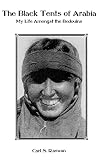
Raswan spent more than twenty years with different Bedouin tribes of Arabia. He went along with them hunting, raiding, battling and surviving as they migrated across the unforgiving arid desert. He submersed himself in the Ruala tribe, learning their customs and traditions on an intimate level. This intimacy and his passion for Arabian horses helped him escape enemy clutches when they were ambushed more than once. How he managed to avoid certain death was beyond me.
Raswan's language has the show more ability to take the reader on his adventurous journey. In Black Tents of Arabia he had a way of describing sights and sounds that brought his wild experiences to life. Here's one of my favorites, "In our tumble-down car there were now no less that seven men: Ibrahim, Ali, two Bedouin rafiqs, two soldiers, and myself; also a gazelle, a greyhound, and two hens. We were packed like sardines: we had to hold on to anything that we could and change grips when the hand threatened to go to sleep. But with thirteen arms interlaced (Ibrahim's free arm controlled the steering-wheel) we prevented the car from falling apart, nor could any passenger fall out without the knowledge of the others" (p 122). show less
Raswan's language has the show more ability to take the reader on his adventurous journey. In Black Tents of Arabia he had a way of describing sights and sounds that brought his wild experiences to life. Here's one of my favorites, "In our tumble-down car there were now no less that seven men: Ibrahim, Ali, two Bedouin rafiqs, two soldiers, and myself; also a gazelle, a greyhound, and two hens. We were packed like sardines: we had to hold on to anything that we could and change grips when the hand threatened to go to sleep. But with thirteen arms interlaced (Ibrahim's free arm controlled the steering-wheel) we prevented the car from falling apart, nor could any passenger fall out without the knowledge of the others" (p 122). show less
Statistics
- Works
- 8
- Members
- 87
- Popularity
- #211,167
- Rating
- 3.4
- Reviews
- 1
- ISBNs
- 18
- Languages
- 2