

Edward Peple (1869–1924)
Author of The Littlest Rebel
About the Author
Works by Edward Peple
Shirley Temple: America's Sweetheart Collection, Vol. 3: Dimples / The Little Colonel / The Littlest Rebel (2015) — Writer — 9 copies
Richard the Brazen 4 copies
Associated Works
Tagged
Common Knowledge
- Legal name
- Peple, Edward Henry
- Birthdate
- 1869
- Date of death
- 1924
- Gender
- male
- Nationality
- USA
- Birthplace
- Santiago, California, USA
- Associated Place (for map)
- California, USA
Members
Reviews
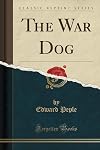
The War Dog is a little book with 23 pages and wide margins published in 1918 to support the ‘Great War.’ The First World War, (28 July 1914 – 11 November 1918). The dedication says:
'In friendship and respect, to any good dog, and all of them. The dog that obeys without a question; that loves in pure unselfishness, and gives his best without a thought of gain.'
Then in the author’s note it says:
'The Following verses were conceived with the sole purpose of rending a mite of aid to the show more American Red Cross Society and to its faithful friends and assistants, the “war dogs”; and all royalties derived from the sale of this little volume will be devoted to that cause.'
It is fascinating to think of all the dogs used in various capacities during that war, of which one was to help look through the dead on the battlefield for those who were still living. The verse in the book generally doesn’t really come together for me, but nice to hold a little piece of history and the thoughts of those during the period. Here is the one bit that came closest to be a good bit of verse for me:
Where the man had a mission to ease the pain
Of his brothers who fell and bled,
There a dog went out on a gas-soaked plain,
To snuffle and sniff through the mounds of the slain
For the living among the dead;
And many a mother, who knelt and prayed
At the cross for her battling son,
May ever thank God that his death was stayed
By the grit of a dog that was unafraid,
In the cause of a cross that was won.
So buy the book and support the war effort. Oh wait, guess it is a little late for that although supporting the red cross is always good. At least we can remember and honor the canine hero’s that were the “war dogs” of WWI. show less
'In friendship and respect, to any good dog, and all of them. The dog that obeys without a question; that loves in pure unselfishness, and gives his best without a thought of gain.'
Then in the author’s note it says:
'The Following verses were conceived with the sole purpose of rending a mite of aid to the show more American Red Cross Society and to its faithful friends and assistants, the “war dogs”; and all royalties derived from the sale of this little volume will be devoted to that cause.'
It is fascinating to think of all the dogs used in various capacities during that war, of which one was to help look through the dead on the battlefield for those who were still living. The verse in the book generally doesn’t really come together for me, but nice to hold a little piece of history and the thoughts of those during the period. Here is the one bit that came closest to be a good bit of verse for me:
Where the man had a mission to ease the pain
Of his brothers who fell and bled,
There a dog went out on a gas-soaked plain,
To snuffle and sniff through the mounds of the slain
For the living among the dead;
And many a mother, who knelt and prayed
At the cross for her battling son,
May ever thank God that his death was stayed
By the grit of a dog that was unafraid,
In the cause of a cross that was won.
So buy the book and support the war effort. Oh wait, guess it is a little late for that although supporting the red cross is always good. At least we can remember and honor the canine hero’s that were the “war dogs” of WWI. show less
The War Dog is a little book with 23 pages and wide margins published in 1918 to support the ‘Great War.’ The First World War, (28 July 1914 – 11 November 1918). The dedication says:
'In friendship and respect, to any good dog, and all of them. The dog that obeys without a question; that loves in pure unselfishness, and gives his best without a thought of gain.'
Then in the author’s note it says:
'The Following verses were conceived with the sole purpose of rending a mite of aid to the show more American Red Cross Society and to its faithful friends and assistants, the “war dogs”; and all royalties derived from the sale of this little volume will be devoted to that cause.'
It is fascinating to think of all the dogs used in various capacities during that war, of which one was to help look through the dead on the battlefield for those who were still living. The verse in the book generally doesn’t really come together for me, but nice to hold a little piece of history and the thoughts of those during the period. Here is the one bit that came closest to be a good bit of verse for me:
Where the man had a mission to ease the pain
Of his brothers who fell and bled,
There a dog went out on a gas-soaked plain,
To snuffle and sniff through the mounds of the slain
For the living among the dead;
And many a mother, who knelt and prayed
At the cross for her battling son,
May ever thank God that his death was stayed
By the grit of a dog that was unafraid,
In the cause of a cross that was won.
So buy the book and support the war effort. Oh wait, guess it is a little late for that although supporting the red cross is always good. At least we can remember and honor the canine hero’s that were the “war dogs” of WWI. show less
'In friendship and respect, to any good dog, and all of them. The dog that obeys without a question; that loves in pure unselfishness, and gives his best without a thought of gain.'
Then in the author’s note it says:
'The Following verses were conceived with the sole purpose of rending a mite of aid to the show more American Red Cross Society and to its faithful friends and assistants, the “war dogs”; and all royalties derived from the sale of this little volume will be devoted to that cause.'
It is fascinating to think of all the dogs used in various capacities during that war, of which one was to help look through the dead on the battlefield for those who were still living. The verse in the book generally doesn’t really come together for me, but nice to hold a little piece of history and the thoughts of those during the period. Here is the one bit that came closest to be a good bit of verse for me:
Where the man had a mission to ease the pain
Of his brothers who fell and bled,
There a dog went out on a gas-soaked plain,
To snuffle and sniff through the mounds of the slain
For the living among the dead;
And many a mother, who knelt and prayed
At the cross for her battling son,
May ever thank God that his death was stayed
By the grit of a dog that was unafraid,
In the cause of a cross that was won.
So buy the book and support the war effort. Oh wait, guess it is a little late for that although supporting the red cross is always good. At least we can remember and honor the canine hero’s that were the “war dogs” of WWI. show less

The existing history of Assyria's greatest ruler, Semiramis, is so confounded with the religions and superstitions of the ancients that little or no authentic fact may be gleaned therefrom. Again, these legends were handed down from father to son among the Syrians and imaginative Persians, till finally recorded by the more imaginative Greeks. These latter gentlemen seemed seldom to allow mere truth to stand as a stumbling block in their literary paths, but leaped it nimbly for the show more entertainment of an admiring world.
As for poets, they ever sing of Queen Semiramis at a period of her seasoned age and wickedness, though her "devilish beauty" continued to abide with her, being wielded as an evil scepter o'er the souls of men; yet much must be forgiven in a poet, because of that strange inaptitude of truth for a friendly relationship with meter and with rhyme.
In every human, however bad, there exists a trace of virtue, even as, on the other hand, no mortal yet has lived without some blemish of flesh or mind or heart; thus Nature balances her weird accounts, leaving the extremes of vice or purity to mythical ideals. show less
As for poets, they ever sing of Queen Semiramis at a period of her seasoned age and wickedness, though her "devilish beauty" continued to abide with her, being wielded as an evil scepter o'er the souls of men; yet much must be forgiven in a poet, because of that strange inaptitude of truth for a friendly relationship with meter and with rhyme.
In every human, however bad, there exists a trace of virtue, even as, on the other hand, no mortal yet has lived without some blemish of flesh or mind or heart; thus Nature balances her weird accounts, leaving the extremes of vice or purity to mythical ideals. show less

Review from Amazon:
"It's about two sides of the Civil War, both doing their best to protect a little girl. The men both bond over being a father. They remain loyal to their duties and ideals, but they still work together for the greater good. It shows how you can be on opposite sides but still be friends."
From the Forward:
"The play, from which this book is written, was in no sense of the word intended as a war drama; for war is merely its background, and always in the center stands a lonely show more little child.
War is its theme but not its purpose. War breeds hatred, horror, pestilence and famine,
yet from its tears and ashes eventually must rise the clean white spirit of HUMANITY.
The enmity between North and South is dead; it sleeps with the fathers and the sons, the brothers and the lovers, who died in a cause which each believed was just.
Therefore this story deals, not with the right or wrong of a lost confederacy, but with the mercy and generosity, the chivalry and humanity which lived in the hearts of the Blue and Gray, a noble contrast to the grim brutality of war." show less
"It's about two sides of the Civil War, both doing their best to protect a little girl. The men both bond over being a father. They remain loyal to their duties and ideals, but they still work together for the greater good. It shows how you can be on opposite sides but still be friends."
From the Forward:
"The play, from which this book is written, was in no sense of the word intended as a war drama; for war is merely its background, and always in the center stands a lonely show more little child.
War is its theme but not its purpose. War breeds hatred, horror, pestilence and famine,
yet from its tears and ashes eventually must rise the clean white spirit of HUMANITY.
The enmity between North and South is dead; it sleeps with the fathers and the sons, the brothers and the lovers, who died in a cause which each believed was just.
Therefore this story deals, not with the right or wrong of a lost confederacy, but with the mercy and generosity, the chivalry and humanity which lived in the hearts of the Blue and Gray, a noble contrast to the grim brutality of war." show less
You May Also Like
Associated Authors
Statistics
- Works
- 10
- Also by
- 2
- Members
- 89
- Popularity
- #207,491
- Rating
- 3.8
- Reviews
- 4
- ISBNs
- 34