
Candy J. Cooper
Author of Poisoned Water: How the Citizens of Flint, Michigan, Fought for Their Lives and Warned the Nation
Works by Candy J. Cooper
Poisoned Water: How the Citizens of Flint, Michigan, Fought for Their Lives and Warned the Nation (2020) 71 copies, 5 reviews
Shackled: A Tale of Wronged Kids, Rogue Judges, and a Town that Looked Away (2024) 47 copies, 2 reviews
Tagged
Common Knowledge
- Gender
- female
Members
Reviews
Poisoned Water: How the Citizens of Flint, Michigan, Fought for Their Lives and Warned the Nation by Candy J. Cooper

Engaging, horrifying and maddening in turn, this account of the Flint, MI, water crisis will fire up young activists wanting to change what's wrong in the world. Among the heroes and villains of the story, author Cooper rightly centers the voices of those most impacted by the crisis, the residents of Flint who, from the beginning, fought and yelled and researched and protested. Vital reading for those with interests in environmental justice, anti-racism, and effective activism.
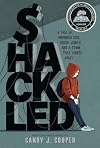
This is an eye opening true story of a region in Pennsylvania where the community sat by quietly and allowed a justice system of corruption detain the youth in their society for almost any or no reason at all... padding the pockets of for profit prison systems and ruining the mental health and future of an entire generation of human beings. It sheds light and is relevant to today's political climate, drawing parallels to ICE Detention Camps which opens your eyes to what is actually happening show more but being hidden behind false narrative catch phrases (like "violent criminals") designed to cover up the actual crime - which is enslavement for profit. show less
Poisoned Water: How the Citizens of Flint, Michigan, Fought for Their Lives and Warned the Nation by Candy J. Cooper
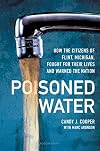
very book I read about the Flint Water Crisis makes me sad and leaves me angry. The stories of the suffering of the citizens of Flint are horrifying. Governing officials assigned by the state made decisions based on economic concerns and not the welfare of citizens.
Candy J. Cooper saw that the excellent books already written about the crisis, including The Poisoned City by Anna Clark and What the Eyes Don't See by Dr. Mona Hanna-Attisha, left some untold stories. In Poisoned Water, Cooper show more considers the crisis through the lens of the citizens of Flint, a predominately African American population, and as an example of racist policies and attitudes.
The story of Flint is centered on General Motors whose plants brought a migration of workers to the city. Workers fought for a union and fair wages. When GM closed plants, those who could left the city. With the tax base decimated, Governor Snyder sent in an Emergency Manager [EM] to balance Flint's budget, disenfranchising elected officials.
Detroit water was expensive and the EM opted to use Flint River water while the city developed a new source. As a cost-savings they omitted the use of anti-corrosives. The Flint River water destroyed the naturally occuring build-up in the lead pipes, releasing lead into the water.
The health impact of the water change was soon manifested in discolored, foul smelling water that caused rashes, hair loss, and illness. People complained and were lied to by authorities who insisted the water tests showed no problems.
It took years before the citizens complaints were investigated and finally addressed.
"Who, then were the heroes?" Cooper notes that the media promoted several well-deserved heroes while forgetting the grassroots activists who struggled for years to be heard. In the end, the crisis, like natural disasters and pandemics, reveal the ugly truth of poverty and racism in America.
The book is promoted for Middle Grade, and perhaps some young people that age will be able to handle it. I would recommend it for older teens and adults seeking a shorter history.
I was given a free ebook by the publisher through NetGalley. My review is fair and unbiased. show less
Candy J. Cooper saw that the excellent books already written about the crisis, including The Poisoned City by Anna Clark and What the Eyes Don't See by Dr. Mona Hanna-Attisha, left some untold stories. In Poisoned Water, Cooper show more considers the crisis through the lens of the citizens of Flint, a predominately African American population, and as an example of racist policies and attitudes.
The story of Flint is centered on General Motors whose plants brought a migration of workers to the city. Workers fought for a union and fair wages. When GM closed plants, those who could left the city. With the tax base decimated, Governor Snyder sent in an Emergency Manager [EM] to balance Flint's budget, disenfranchising elected officials.
Detroit water was expensive and the EM opted to use Flint River water while the city developed a new source. As a cost-savings they omitted the use of anti-corrosives. The Flint River water destroyed the naturally occuring build-up in the lead pipes, releasing lead into the water.
The health impact of the water change was soon manifested in discolored, foul smelling water that caused rashes, hair loss, and illness. People complained and were lied to by authorities who insisted the water tests showed no problems.
It took years before the citizens complaints were investigated and finally addressed.
"Who, then were the heroes?" Cooper notes that the media promoted several well-deserved heroes while forgetting the grassroots activists who struggled for years to be heard. In the end, the crisis, like natural disasters and pandemics, reveal the ugly truth of poverty and racism in America.
The book is promoted for Middle Grade, and perhaps some young people that age will be able to handle it. I would recommend it for older teens and adults seeking a shorter history.
I was given a free ebook by the publisher through NetGalley. My review is fair and unbiased. show less
This book made me angry. Going "zero tolerance" on kids to shove them in for profit prisons is horrific. It's just power play by adults who hate children, and messes these kids up for life. I'm so glad that there are some good adults out there who will fight for children, even if the fight is hard.
Awards


You May Also Like
Associated Authors
Statistics
- Works
- 4
- Members
- 145
- Popularity
- #142,478
- Rating
- 4.0
- Reviews
- 7
- ISBNs
- 16