
John Wells (10)
Author of The Essential Wonder Woman Encyclopedia: The Ultimate Guide to the Amazon Princess
For other authors named John Wells, see the disambiguation page.
Works by John Wells
The Essential Wonder Woman Encyclopedia: The Ultimate Guide to the Amazon Princess (2010) 79 copies, 1 review
Associated Works
Tagged
Common Knowledge
- Gender
- male
Members
Reviews
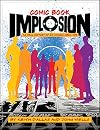
In their introduction to Comic Book Implosion: An Oral History of DC Comics Circa 1978, Keith Dallas and John Wells write, “This book… is partly an attempt to ‘set the record straight’ by documenting not only the DC Explosion and its aftermath but also the mid-1970s comic book market conditions that prodded DC’s brain trust to attempt the bold endeavor in the first place. As this book will prove, the DC Implosion serves as a marker of the end of a particular era in the comic book show more industry” after which newsstand sales no longer sustained the industry (pg. 5). Dallas and Wells draw upon extensive published interviews from trade presses during the period in question as well as more recent interviews and reminiscences. When stories contradict, they offer both versions and leave it up to the reader to decide. The work itself is notable both for its place in comics scholarship and for the extensive reprint rights for DC artwork, both published and unpublished, that illustrates changes during the time period in question.
Discussing some of DC publisher Jenette Kahn’s changes in the mid-1970s, Dallas and Wells write, “May saw the release of Green Lantern/Green Arrow #90, numerically returning where it left off in 1972. At the hands of Denny O’Neil and Neal Adams, the feature had been a critical darling for its exploration of topical hot-button issues but the 1976 revival (now illustrated by Mike Grell rather than Adams) opted for more neutral science fiction plots. Carmine Infantino had approved the update as a three-issue miniseries that would revert to a GL solo series with issue #93. Once she saw preliminary sales figures on Green Lantern #90, though, Jenette Kahn insisted that Green Arrow stick around and he was hastily written back into the book with reader none the wiser. The alternate script for Green Lantern #94 – which introduced teenage hero Air Wave as Green Arrow’s replacement – was eventually illustrated and published in 1977’s GL #100” (pg. 28). The continue, addressing DC’s efforts to showcase more diversity in their titles, “January 1977’s premiere of Black Lighting #1 kicked off several months of appearances by new African American heroes in the DC line. Writer Bob Rozakis introduced DC’s first black costumed heroine – the Bumblebee – in March’s Teen Titans #48, subsequently unmaksing her as Karen Beecher, girlfriend of team member Mal Duncan. In May, scripter David Michelinie introduced the company’s first black war hero to star in his own series: Ulysses Hazzard a.k.a. Gravedigger in Men of War #1. Michelinie had also introduced African American villain Pulsar in Karate Kid #8 and retroactively revealed that Aquaman’s nemesis Black Manta was, well… black” (pg. 38, ellipses in original).
Discussing the role of trade magazines, Dallas and Wells write, “The typical comic reader had no knowledge of… any upcoming news outside of what they read in DC’s weekly Daily Planet promo pages in the comics themselves. They’d never heard of news magazines like The Comic Reader or The Comics Journal but the success of the Direct Current Hotline [a 1-800 number DC briefly operated for updates] demonstrated that there was a huge hunger for insider information” (pg. 63). While comic readers may not have had easy access to trade presses, they must have noticed the changing content of comics magazines. Dallas and Wells write, “The body count in DC’s titles between July 1978 and July 1979 was surprisingly high. In that time, readers bore witness to the deaths of Steve Trevor (Wonder Woman #248), substitute Wonder Woman Orana (WW #251), batgirl’s brother (Detective Comics #482), the Earth-Two Batman (Adventure Comics #462), Zatanna’s mother (Justice League of America #165), Batwoman (Detective Comics #485), and Mr. Terrific (JLA #171) plus the seeming demise of Travis Morgan’s son (Warlord #21), although fans knew that wasn’t true. Most controversial of all was the murder of Iris Allen in The Flash #275, ending her 13-year marriage to the Scarlet Speedster as Cary Bates raced into Marvel-style melodrama with new editor Russ Andru” (pg. 110). This was partly attributable to the rise of Direct Sales.
Addressing the rise of the Direct Sales Market, Dallas and Wells write, “One drawback of the Direct Sales alternative was unscrupulous dealers who were profiting off returns on the supposedly unreturnable comic books. Marvel responded in 1979 by distinguishing its comics shop editions with a diamond symbol around the issue number and price, something it previously done [sic] with issues packaged by Western Publishing in 1977 and 1978” (pg. 114). Despite this drawback, “As the 1980s progressed, New Teen Titans soon had plenty of competition for DC’s fan-favorite titles. Roy Thomas’s All-Star Squadron was an early contender as was Levitz’s own Legion of Super-Heroes (with Keith Giffen). Titles became progressively more daring, whether in the adult themes of Camelot 3000 or the upending of DC’s very history in Crisis On Infinite Earths, encouraging entirely new interpretations of the publisher’s most recognizable heroes. With each passing year, the dying newsstand business model was less relevant” (pg. 124). They conclude, “Thanks to the Direct Sales comic book retailers, DC and Marvel were able to take risks in ways that never could have been done on the newsstand. As the price of the standard newsprint comic book rose to 60¢, then 75¢, and finally $1.00 over the course of the 1980s, publishers were successfully marketing select ongoing titles exclusively to comic book shops on heavy, white paper. The hypothetical $1.25 comic book on better paper that Paul Levitz described in 1977 was reality in the 1983 Direct Market” (pg. 125).
Those seeking a more traditional history may not like this collection of primary sources, but for the historian of comics or those who want to hear what people had to say in this critical period, it’s an invaluable resource. show less
Discussing some of DC publisher Jenette Kahn’s changes in the mid-1970s, Dallas and Wells write, “May saw the release of Green Lantern/Green Arrow #90, numerically returning where it left off in 1972. At the hands of Denny O’Neil and Neal Adams, the feature had been a critical darling for its exploration of topical hot-button issues but the 1976 revival (now illustrated by Mike Grell rather than Adams) opted for more neutral science fiction plots. Carmine Infantino had approved the update as a three-issue miniseries that would revert to a GL solo series with issue #93. Once she saw preliminary sales figures on Green Lantern #90, though, Jenette Kahn insisted that Green Arrow stick around and he was hastily written back into the book with reader none the wiser. The alternate script for Green Lantern #94 – which introduced teenage hero Air Wave as Green Arrow’s replacement – was eventually illustrated and published in 1977’s GL #100” (pg. 28). The continue, addressing DC’s efforts to showcase more diversity in their titles, “January 1977’s premiere of Black Lighting #1 kicked off several months of appearances by new African American heroes in the DC line. Writer Bob Rozakis introduced DC’s first black costumed heroine – the Bumblebee – in March’s Teen Titans #48, subsequently unmaksing her as Karen Beecher, girlfriend of team member Mal Duncan. In May, scripter David Michelinie introduced the company’s first black war hero to star in his own series: Ulysses Hazzard a.k.a. Gravedigger in Men of War #1. Michelinie had also introduced African American villain Pulsar in Karate Kid #8 and retroactively revealed that Aquaman’s nemesis Black Manta was, well… black” (pg. 38, ellipses in original).
Discussing the role of trade magazines, Dallas and Wells write, “The typical comic reader had no knowledge of… any upcoming news outside of what they read in DC’s weekly Daily Planet promo pages in the comics themselves. They’d never heard of news magazines like The Comic Reader or The Comics Journal but the success of the Direct Current Hotline [a 1-800 number DC briefly operated for updates] demonstrated that there was a huge hunger for insider information” (pg. 63). While comic readers may not have had easy access to trade presses, they must have noticed the changing content of comics magazines. Dallas and Wells write, “The body count in DC’s titles between July 1978 and July 1979 was surprisingly high. In that time, readers bore witness to the deaths of Steve Trevor (Wonder Woman #248), substitute Wonder Woman Orana (WW #251), batgirl’s brother (Detective Comics #482), the Earth-Two Batman (Adventure Comics #462), Zatanna’s mother (Justice League of America #165), Batwoman (Detective Comics #485), and Mr. Terrific (JLA #171) plus the seeming demise of Travis Morgan’s son (Warlord #21), although fans knew that wasn’t true. Most controversial of all was the murder of Iris Allen in The Flash #275, ending her 13-year marriage to the Scarlet Speedster as Cary Bates raced into Marvel-style melodrama with new editor Russ Andru” (pg. 110). This was partly attributable to the rise of Direct Sales.
Addressing the rise of the Direct Sales Market, Dallas and Wells write, “One drawback of the Direct Sales alternative was unscrupulous dealers who were profiting off returns on the supposedly unreturnable comic books. Marvel responded in 1979 by distinguishing its comics shop editions with a diamond symbol around the issue number and price, something it previously done [sic] with issues packaged by Western Publishing in 1977 and 1978” (pg. 114). Despite this drawback, “As the 1980s progressed, New Teen Titans soon had plenty of competition for DC’s fan-favorite titles. Roy Thomas’s All-Star Squadron was an early contender as was Levitz’s own Legion of Super-Heroes (with Keith Giffen). Titles became progressively more daring, whether in the adult themes of Camelot 3000 or the upending of DC’s very history in Crisis On Infinite Earths, encouraging entirely new interpretations of the publisher’s most recognizable heroes. With each passing year, the dying newsstand business model was less relevant” (pg. 124). They conclude, “Thanks to the Direct Sales comic book retailers, DC and Marvel were able to take risks in ways that never could have been done on the newsstand. As the price of the standard newsprint comic book rose to 60¢, then 75¢, and finally $1.00 over the course of the 1980s, publishers were successfully marketing select ongoing titles exclusively to comic book shops on heavy, white paper. The hypothetical $1.25 comic book on better paper that Paul Levitz described in 1977 was reality in the 1983 Direct Market” (pg. 125).
Those seeking a more traditional history may not like this collection of primary sources, but for the historian of comics or those who want to hear what people had to say in this critical period, it’s an invaluable resource. show less
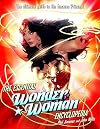
The Essential Wonder Woman Encyclopedia
Author: Phil Jimenez and John Wells
Publisher: Del Rey/DC Comics/Ballantine Books
Published In: New York, NY
Date: 2010
Pgs: 485
REVIEW MAY CONTAIN SPOILERS
Summary:
The beauty of Aphrodite, wisdom of Athena, strength of Hercules, agility of Hermes, blessed at birth by the gods of old, Princess Diana left her home of Themyscira, the so called Paradise Island, and ventured forth into the world of men, an ambassador of the Amazons to the modern world. This is an show more A to Z guide to the print history and adventures of the Amazon princess.
Genre:
Adventure
Comics and graphic novels
Fiction
History
Multiverse
Mythology
Science fiction
Short stories
Superheroes
Sword and sorcery
War
Why this book:
I love comics and the characters who came from them. I don’t necessarily love every story ever written featuring the characters, but my love survives.
______________________________________________________________________________
Favorite Character:
Wonder Woman
Kung. The Earth-2/WW2 villain who fought Wonder Woman and The All Star Squadron. Love the beastiamorph...insectimorph power set.
Character I Most Identified With:
Wonder Woman has always been all duty and honor and faith. DC’s great failure has been not positioning her as DC’s answer to both Captain America and Thor in the modern parlance, sticking to it and outdoing, raising the pot every chance they get. I feel like lip service has been paid to the idea that she is part of the Big Three, The Trinity. And the character deserves better than lip service. The George Perez run on the character was incredible. The Trials of Wonder Woman where she was trying to “earn” her way back into the Justice League were great, all those many years ago. Whereas there have been real “go for it” moments in both Superman and Batman, Wonder Woman’s last real big moment was when she broke Maxwell Lord’s neck, years and years ago.
The Feel:
I’m not as familiar with Wonder Woman’s publishing history as I am with Superman’s, Batman’s, Aquaman’s, etc. This is a great deeper primer on all things Amazonian.
There’s tons in Wonder Woman’s published history that suggests innuendo and metaphor for the dirty minded and the socially unconscious.
The Boiling Man. A volcano beast whose head is an open flaming volcanic pit that may erupt at any time and destroy Paradise Island. At the same time, Steve Trevor’s plane is about to crash. Wonder Woman uses her “breath” numerous times to keep Steve “aloft” while tying her lasso around the volcano beast’s “head” to keep him from “erupting” and throwing him into an iceberg that she earlier “freed” the Merman from to quell the Boiling Man before “tossing him” into space.
...right? That’s not all Freudian at all. It was published in 1965. But it seems like this metaphor-apalooza should have raised some eyebrows even then.
Plot Holes/Out of Character:
With the concept of “Loving Submission” being one of the Amazonian tenets that were used in the Gold and Silver Age, it’s a wonder that Wonder Woman survived as a concept.
“To the Amazons, bondage at the hands of a loving dominator was both pleasurable and desirable, and imprisonment at th hands of a well intentioned jailer could be both rewarding and emotionally transformative.”
This concept found its onus in the Venus Girdles that they placed on criminals who they then kept as slaves on Paradise Island.
“The Amazons kept many female prisoners and forced them to submit to their loving.”
Now in modern comics, they’ve tried to slant this idea to mean fealty to the Amazon Royal Family and the concept of community among the Amazons, but the past of the ideal still hangs over it.
Hmm Moments:
Adjudicator. I remember reading the original story. The summary makes him seem much cooler. I would love to see him escape his confinement at the interstellar/interdimensional asylum and come again to menace the Earths of the DC multiverse.
The Air Pirates sound like cool villains. They could return today in an updated form, even update, the target of one of their thefts, Professor Chemico and his Atom Pill.
Bitterland. A land of blue skinned seal men separated from a utopian society called Eveland by a River of Destruction. The seal men raid Eveland for slaves and sacrifices to their walrus god. That’s great science fiction and fantasy right there...from a 1945 comic book.
Maximus. Wealthy industrialist. Owns his own mountain. Has a computer or scientific aide-de-camp that opens teleportals for him to move about the world. Sends robotic duplicates out to do his bidding. Could fire targeted black lightning blasts from his Hollow Mountain complex. I can remember reading this comic. Had a great cover image of Wonder Woman trying to lasso a black lightning bolt as it slammed down toward New York City.
The Time Master’s connection to the Time Trapper. Awesome. Giving Wonder Woman a connection to the Legion of Superheroes is long overdue. This should be played up at some point in modern comics after one of the incessant reboots and retcons.
The Twelve Trials of Wonder Woman was one of my favorite runs on the book. I wish they would release them as a trade paperback.
______________________________________________________________________________
Last Page Sound:
I love these guides, dictionaries, encyclopedias of fictional characters. The backstory that you pick up reading them is incredible.
Author Assessment:
Well put together.
Editorial Assessment:
Tightly done.
Knee Jerk Reaction:
real genre classic
Disposition of Book:
Irving Public Library, Irving, TX
South Campus
Dewey Decimal System:
741.5973 WON
Would recommend to:
genre fans
______________________________________________________________________________
Errata: show less
Author: Phil Jimenez and John Wells
Publisher: Del Rey/DC Comics/Ballantine Books
Published In: New York, NY
Date: 2010
Pgs: 485
REVIEW MAY CONTAIN SPOILERS
Summary:
The beauty of Aphrodite, wisdom of Athena, strength of Hercules, agility of Hermes, blessed at birth by the gods of old, Princess Diana left her home of Themyscira, the so called Paradise Island, and ventured forth into the world of men, an ambassador of the Amazons to the modern world. This is an show more A to Z guide to the print history and adventures of the Amazon princess.
Genre:
Adventure
Comics and graphic novels
Fiction
History
Multiverse
Mythology
Science fiction
Short stories
Superheroes
Sword and sorcery
War
Why this book:
I love comics and the characters who came from them. I don’t necessarily love every story ever written featuring the characters, but my love survives.
______________________________________________________________________________
Favorite Character:
Wonder Woman
Kung. The Earth-2/WW2 villain who fought Wonder Woman and The All Star Squadron. Love the beastiamorph...insectimorph power set.
Character I Most Identified With:
Wonder Woman has always been all duty and honor and faith. DC’s great failure has been not positioning her as DC’s answer to both Captain America and Thor in the modern parlance, sticking to it and outdoing, raising the pot every chance they get. I feel like lip service has been paid to the idea that she is part of the Big Three, The Trinity. And the character deserves better than lip service. The George Perez run on the character was incredible. The Trials of Wonder Woman where she was trying to “earn” her way back into the Justice League were great, all those many years ago. Whereas there have been real “go for it” moments in both Superman and Batman, Wonder Woman’s last real big moment was when she broke Maxwell Lord’s neck, years and years ago.
The Feel:
I’m not as familiar with Wonder Woman’s publishing history as I am with Superman’s, Batman’s, Aquaman’s, etc. This is a great deeper primer on all things Amazonian.
There’s tons in Wonder Woman’s published history that suggests innuendo and metaphor for the dirty minded and the socially unconscious.
The Boiling Man. A volcano beast whose head is an open flaming volcanic pit that may erupt at any time and destroy Paradise Island. At the same time, Steve Trevor’s plane is about to crash. Wonder Woman uses her “breath” numerous times to keep Steve “aloft” while tying her lasso around the volcano beast’s “head” to keep him from “erupting” and throwing him into an iceberg that she earlier “freed” the Merman from to quell the Boiling Man before “tossing him” into space.
...right? That’s not all Freudian at all. It was published in 1965. But it seems like this metaphor-apalooza should have raised some eyebrows even then.
Plot Holes/Out of Character:
With the concept of “Loving Submission” being one of the Amazonian tenets that were used in the Gold and Silver Age, it’s a wonder that Wonder Woman survived as a concept.
“To the Amazons, bondage at the hands of a loving dominator was both pleasurable and desirable, and imprisonment at th hands of a well intentioned jailer could be both rewarding and emotionally transformative.”
This concept found its onus in the Venus Girdles that they placed on criminals who they then kept as slaves on Paradise Island.
“The Amazons kept many female prisoners and forced them to submit to their loving.”
Now in modern comics, they’ve tried to slant this idea to mean fealty to the Amazon Royal Family and the concept of community among the Amazons, but the past of the ideal still hangs over it.
Hmm Moments:
Adjudicator. I remember reading the original story. The summary makes him seem much cooler. I would love to see him escape his confinement at the interstellar/interdimensional asylum and come again to menace the Earths of the DC multiverse.
The Air Pirates sound like cool villains. They could return today in an updated form, even update, the target of one of their thefts, Professor Chemico and his Atom Pill.
Bitterland. A land of blue skinned seal men separated from a utopian society called Eveland by a River of Destruction. The seal men raid Eveland for slaves and sacrifices to their walrus god. That’s great science fiction and fantasy right there...from a 1945 comic book.
Maximus. Wealthy industrialist. Owns his own mountain. Has a computer or scientific aide-de-camp that opens teleportals for him to move about the world. Sends robotic duplicates out to do his bidding. Could fire targeted black lightning blasts from his Hollow Mountain complex. I can remember reading this comic. Had a great cover image of Wonder Woman trying to lasso a black lightning bolt as it slammed down toward New York City.
The Time Master’s connection to the Time Trapper. Awesome. Giving Wonder Woman a connection to the Legion of Superheroes is long overdue. This should be played up at some point in modern comics after one of the incessant reboots and retcons.
The Twelve Trials of Wonder Woman was one of my favorite runs on the book. I wish they would release them as a trade paperback.
______________________________________________________________________________
Last Page Sound:
I love these guides, dictionaries, encyclopedias of fictional characters. The backstory that you pick up reading them is incredible.
Author Assessment:
Well put together.
Editorial Assessment:
Tightly done.
Knee Jerk Reaction:
real genre classic
Disposition of Book:
Irving Public Library, Irving, TX
South Campus
Dewey Decimal System:
741.5973 WON
Would recommend to:
genre fans
______________________________________________________________________________
Errata: show less
Lists
Awards

You May Also Like
Associated Authors
Statistics
- Works
- 5
- Also by
- 4
- Members
- 193
- Popularity
- #113,336
- Rating
- 3.6
- Reviews
- 2
- ISBNs
- 92
- Languages
- 2