
Edward White (4) (1981–)
Author of The Twelve Lives of Alfred Hitchcock: An Anatomy of the Master of Suspense
For other authors named Edward White, see the disambiguation page.
About the Author
Edward White studies European and American history at Mansfield College, Oxford, and Goldsmiths College, London. Since 2005 he has worked in the British television industry, including two years at thee BBC, devising programs in its arts and history department. He is a contributed to The Times show more Literary Supplement. The Tastemaker is his first book, White lives in London. show less
Image credit: Andrew Bainbridge
Works by Edward White
The Twelve Lives of Alfred Hitchcock: An Anatomy of the Master of Suspense (2021) 136 copies, 8 reviews
Tagged
Common Knowledge
- Birthdate
- 1981
- Gender
- male
- Education
- Mansfield College, Oxford
- Organizations
- BBC
- Nationality
- UK
- Places of residence
- London, England, UK
- Associated Place (for map)
- England, UK
Members
Reviews
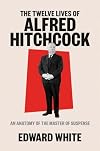
Very well done non-traditional biography told thematically in 12 chapters. I'm leery of biographies that are not chronological but White does a remarkable job in this form. The last chapter for example concerns Religion, Hitchcock was Catholic and how that influenced his films and outlook. White covers all ground including film and social history where relevant. He's a sharp and original observer and one feels smarter having spent time in his company. Hitchcock's career is essentially the show more history of film starting in the silent era and ending around the time of Star Wars. He influenced everyone. Some things I was surprised to learn is how gregarious he was, joking and making fun; he relied heavily on writers to create scripts built around sporadic visions he concocted such as blood dripping on a white rose, or a gun fight in front of Mt. Rushmore. Then he took all the credit - he was a kindly pig who wanted it all - and a literal foodie and well-dressed dandy. He came from lower middle-class East End London. Now I want to watch every film he made [unlikely]. We studied North by Northwest in a college film class decades ago and I'll never forget how much detail. The great observer also the greatest to observe. show less
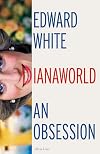
Like many people of a certain age, I know exactly where I was on August 31, 1997, when the news of the untimely death of Diana Spencer broke. I thought it was sad, and felt for her kids, but as an Irish person who side-eyes the entire concept of monarchy, Diana's death didn't send me into paroxysms of weird grief the way it did a big chunk of the British public. Edward White's Dianaworld looks at the immediate social impact of her death, but also the cultural and symbolic roles that Diana show more took on—or were foisted on her—during her life and up to the present day. Diana's meant a lot of different things to a lot of different people. White's got some good insights here, and neither lionises Diana nor demonises her. This isn't a traditional biography, so don't read it for that, but do check it out if you're interested in cultural history. show less
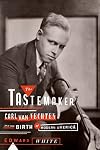
"The Tastemaker: Carl Van Vechten and the Birth of Modern America" by Edward White is a comprehensive biography that delves into the multifaceted life of Carl Van Vechten, a significant cultural figure of the early 20th century. This book explores Van Vechten's role as a critic, novelist, photographer, and influential patron during the Harlem Renaissance, highlighting his interactions with luminaries like Langston Hughes, Gertrude Stein, and F. Scott Fitzgerald.
White's biography has an show more engaging narrative, which captures Van Vechten's dynamic presence in New York's cultural landscape. The book depicts him as a "polymath" who blurred the lines between high art and popular entertainment, challenging societal norms around race, sexuality, and taste. White demonstrates the ability to present Van Vechten in all his complexity, including his controversial choices, such as the titling of his novel "Nigger Heaven," which stirred significant debate during its time.
The biography also covers Van Vechten's later life, where he turned to photography, capturing images of many of the era's cultural icons, further cementing his influence on American arts. White's work has been commended for providing a nuanced view of Van Vechten's contributions and controversies, offering a critical yet appreciative look at a man who both defined and was defined by his era.
Overall, I enjoyed it for its depth of research, engaging storytelling, and its contribution to understanding the cultural shifts of the early 20th century through the lens of one of its most controversial and influential figures.
A detailed account of the remarkable career of a twentieth-century American literary and artistic genius. His conflicting traits and extraordinary artistic achievement made this an interesting and enjoyable read. show less
White's biography has an show more engaging narrative, which captures Van Vechten's dynamic presence in New York's cultural landscape. The book depicts him as a "polymath" who blurred the lines between high art and popular entertainment, challenging societal norms around race, sexuality, and taste. White demonstrates the ability to present Van Vechten in all his complexity, including his controversial choices, such as the titling of his novel "Nigger Heaven," which stirred significant debate during its time.
The biography also covers Van Vechten's later life, where he turned to photography, capturing images of many of the era's cultural icons, further cementing his influence on American arts. White's work has been commended for providing a nuanced view of Van Vechten's contributions and controversies, offering a critical yet appreciative look at a man who both defined and was defined by his era.
Overall, I enjoyed it for its depth of research, engaging storytelling, and its contribution to understanding the cultural shifts of the early 20th century through the lens of one of its most controversial and influential figures.
A detailed account of the remarkable career of a twentieth-century American literary and artistic genius. His conflicting traits and extraordinary artistic achievement made this an interesting and enjoyable read. show less
Alfred Hitchcock. His name alone can brings chills, fond spooky memories, discomfort, and nostalgia.
I was still ten years old in 1963 when I saw The Birds from the back seat of the family car, parked at the local drive-in movie theater. My parents thought I would fall asleep.
I didn't. The scene of a man missing his eye balls gave me nightmares for years.
The next year, in 1964, I was nearly twelve when I saw Marnie. I am sure my folks did not expect me to be asleep that time. I did not show more understand it, I had no concept of sexual dysfunction, so of course watched it every time it came on television, trying to puzzle out the feelings it raised in me.
Alfred Hitchcock Presents (1955-1962) was a childhood staple. I learned the theme song, The Funeral March of the Marionette, on piano. It impressed the neighbor boy who was also a Hitchcock fan. I had story collections like Alfred Hitchcock's Ghostly Gallery: Eleven Spooky Stories for Young People.
Over the years, watching the classic films I had seen in the movie theater with my folks, including Vertigo. Rear Window, and North By Northwest, and those I only saw later on television, like Psycho, I understood things I could not as a girl.
And I wondered why in the world did Mom take me to see those films! Today, scenes of rape, obsession, murder, and suicide would not be considered proper fare for the under-13-year-old child.
As far as I can tell, the only harm these movies did me, other than nightmares about eyeless men, was a penchant for stylish suspense stories. I knew that birds would not flock and attack me in reality, or crop dusters chase me.
"He was a child, you know, a very black-comedy child" screenwriter Arthur Laurents said of Hitch. Perhaps that was his appeal to children. Raised on Dick and Jane while undergoing 'duck and cover' drills and watching adults glued to the news during the 1962 Cuban Missile Crisis, we were ready for the safety of theatrical horror. War became daily television fodder and political assassinations punctuated our teen years and watching Hitchcock movies on television were not as shocking any more.
I had never explored the man behind the persona. The nine-line sketch Hitch walked into on his show was all I needed to know. The sketch, I learned in The Twelve Lives of Alfred Hitchcock, Hitch himself drew and propagated as part of his image.
Edward White's biography considers the man through the lens of twelve aspects of his personality, each fully explored through Hitchcock's life and art.
On the one hand, the book is hugely informative and gave me a full picture of the man and the artist.
On the other hand, Hitchcock remains a mystery. He carefully controlled his persona, as deliberately and thoughtfully controlling our image of him as his films controlled our responses.
Was his marriage to Alma platonic? Did he remain a virgin expect for once, resulting in the birth of his daughter? Did he lunge at actresses and ask his secretary to 'erotically entertain' him? I saw Tippi Hendren talk about her experience. Can we tell the difference between the persona Hitch offered and truth?
He grew up with WWI air raids, the 1918 flu pandemic, in a rough part of town, with a Catholic Education. There is a lot of horror to draw from with that background.
And yet, Hitch was averse to conflict and could not deal with "complex emotions." He would not use animal cruelty in his films and preferred to have his victims thrown off a building than shot as in American films.
Still, he was fascinated by violence and cruelty, grew up reading classic British crime fiction including G. K. Chesterton and John Buchan. He once expressed his belief that he would have made a great criminal lawyer.
I learned about his middle class, Catholic childhood, his struggle with his appearance, the art and film and stories that inspired him.
The book is always fascinating, always interesting, and often disturbing. Especially when I ask myself what kind of person is a Hitchcock fan, as perhaps it reveals things about myself I would rather not consider.
I received a free galley from the publisher through NetGalley. My review is fair and unbiased. show less
I was still ten years old in 1963 when I saw The Birds from the back seat of the family car, parked at the local drive-in movie theater. My parents thought I would fall asleep.
I didn't. The scene of a man missing his eye balls gave me nightmares for years.
The next year, in 1964, I was nearly twelve when I saw Marnie. I am sure my folks did not expect me to be asleep that time. I did not show more understand it, I had no concept of sexual dysfunction, so of course watched it every time it came on television, trying to puzzle out the feelings it raised in me.
Alfred Hitchcock Presents (1955-1962) was a childhood staple. I learned the theme song, The Funeral March of the Marionette, on piano. It impressed the neighbor boy who was also a Hitchcock fan. I had story collections like Alfred Hitchcock's Ghostly Gallery: Eleven Spooky Stories for Young People.
Over the years, watching the classic films I had seen in the movie theater with my folks, including Vertigo. Rear Window, and North By Northwest, and those I only saw later on television, like Psycho, I understood things I could not as a girl.
And I wondered why in the world did Mom take me to see those films! Today, scenes of rape, obsession, murder, and suicide would not be considered proper fare for the under-13-year-old child.
As far as I can tell, the only harm these movies did me, other than nightmares about eyeless men, was a penchant for stylish suspense stories. I knew that birds would not flock and attack me in reality, or crop dusters chase me.
"He was a child, you know, a very black-comedy child" screenwriter Arthur Laurents said of Hitch. Perhaps that was his appeal to children. Raised on Dick and Jane while undergoing 'duck and cover' drills and watching adults glued to the news during the 1962 Cuban Missile Crisis, we were ready for the safety of theatrical horror. War became daily television fodder and political assassinations punctuated our teen years and watching Hitchcock movies on television were not as shocking any more.
I had never explored the man behind the persona. The nine-line sketch Hitch walked into on his show was all I needed to know. The sketch, I learned in The Twelve Lives of Alfred Hitchcock, Hitch himself drew and propagated as part of his image.
Edward White's biography considers the man through the lens of twelve aspects of his personality, each fully explored through Hitchcock's life and art.
On the one hand, the book is hugely informative and gave me a full picture of the man and the artist.
On the other hand, Hitchcock remains a mystery. He carefully controlled his persona, as deliberately and thoughtfully controlling our image of him as his films controlled our responses.
Was his marriage to Alma platonic? Did he remain a virgin expect for once, resulting in the birth of his daughter? Did he lunge at actresses and ask his secretary to 'erotically entertain' him? I saw Tippi Hendren talk about her experience. Can we tell the difference between the persona Hitch offered and truth?
He grew up with WWI air raids, the 1918 flu pandemic, in a rough part of town, with a Catholic Education. There is a lot of horror to draw from with that background.
And yet, Hitch was averse to conflict and could not deal with "complex emotions." He would not use animal cruelty in his films and preferred to have his victims thrown off a building than shot as in American films.
Still, he was fascinated by violence and cruelty, grew up reading classic British crime fiction including G. K. Chesterton and John Buchan. He once expressed his belief that he would have made a great criminal lawyer.
I learned about his middle class, Catholic childhood, his struggle with his appearance, the art and film and stories that inspired him.
The book is always fascinating, always interesting, and often disturbing. Especially when I ask myself what kind of person is a Hitchcock fan, as perhaps it reveals things about myself I would rather not consider.
I received a free galley from the publisher through NetGalley. My review is fair and unbiased. show less
Awards


Statistics
- Works
- 3
- Members
- 279
- Popularity
- #83,280
- Rating
- 4.0
- Reviews
- 14
- ISBNs
- 20