
Stephanie Pope, et al.
Author of Cambridge Latin Course, Unit 3, 4th Edition (North American Cambridge Latin Course) (English and Latin Edition)
About the Author
Works by Stephanie Pope, et al.
Tagged
Common Knowledge
There is no Common Knowledge data for this author yet. You can help.
Members
Reviews
Cambridge Latin Course Unit 1 Student's Text North American edition (North American Cambridge Latin Course) by Stephanie M. Pope
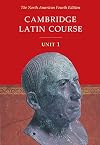
This is a great course for beginners and amateurs in Latin. As someone who was quite skilled at the language in school, I've just returned to this series to try and recover my skills, and it's nice to see how much I still remember! By using a narrative approach, combined with information about the culture, the Cambridge Latin Course allows you to pass easily through the workload. Obviously, it is only an introductory program and as such, the first book doesn't go into great detail in areas show more of either vocab or grammar. As someone mentioned below, the two biggest flaws are 1) lack of pronunciation guides, although a simple Google search and understanding of the accents used will help this; and 2) that the end-of-chapter word lists are never comprehensive. show less
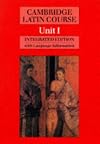
In which the banker, Caecilius, and his family live their wacky lives in the final days of Pompeii. From the travails of a new slave, to the exciting story of young Quintus' infancy, through a gladiatorial riot and an election, all leading up to that disastrous day in the year 79. (Although, not really the year 79 probably, but that's for the classroom.)
Grammatical concepts in the first volume include the nominate, accusative and dative cases, adverbs, questions, adjectives, verbs with show more subject suppressed, questions, and prepositional use of the ablative. The cultural material includes Roman religion and art, the lives of men and women, theatre, slaves, gladiators, elections, and education.
Highly recommended with the accompanying Teacher's Handbook show less
Grammatical concepts in the first volume include the nominate, accusative and dative cases, adverbs, questions, adjectives, verbs with show more subject suppressed, questions, and prepositional use of the ablative. The cultural material includes Roman religion and art, the lives of men and women, theatre, slaves, gladiators, elections, and education.
Highly recommended with the accompanying Teacher's Handbook show less
Statistics
- Works
- 6
- Members
- 150
- Popularity
- #138,699
- Rating
- 4.1
- Reviews
- 2
- ISBNs
- 6