

Jeanne Wakatsuki Houston (1934–2024)
Author of Farewell to Manzanar: A True Story of Japanese American Experience During and After the World War II Internment
Works by Jeanne Wakatsuki Houston
Farewell to Manzanar: A True Story of Japanese American Experience During and After the World War II Internment (1973) 3,284 copies, 49 reviews
Farewell to Manzanar [1976 TV movie] — Writer — 1 copy
Associated Works
Writing Women's Lives: An Anthology of Autobiographical Narratives by Twentieth-Century American Women Writers (1994) — Contributor — 128 copies, 3 reviews
The Colors of Nature: Culture, Identity, and the Natural World (2002) — Contributor — 103 copies, 1 review
Tagged
Common Knowledge
- Birthdate
- 1934-09-26
- Date of death
- 2024-12-21
- Gender
- female
- Education
- San Jose State University
- Relationships
- Houston, James D. (husband)
- Nationality
- USA
- Birthplace
- Inglewood, California, USA
- Place of death
- Santa Cruz, California, USA
- Associated Place (for map)
- California, USA
Members
Reviews
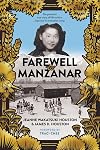
This memoir is the first book I read that discussed the realities of Japanese internment during WWII. I first read Farewell to Manzanar in elementary school and was struck by the honesty of the narrator, Jeanne, about her complicated relationships with members of her family, especially her father. It was fascinating to reread as an adult, where I gained a better perspective about Jeanne's honesty. It took a great deal of courage, not only to survive her internment in Manzanar, but to write show more honestly about her father's flaws and the dissolution of her family within the backdrop of Manzanar. Even in the 1970s, this would be a difficult topic for any woman to write about, but particularly for a Japanese American woman to depict her family as anything other than perfect, and therefore undeserving of internment. This would be a fascinating reread for my high school students, many of whom likely read this text like I did in elementary school, because it would draw parallels to imperfect characters they read in other texts, like Things Fall Apart by Chinua Achebe. show less
Farewell to Manzanar: A True Story of Japanese American Experience During and After the World War II Internment by Jeanne Wakatsuki Houston
If Jeanne Wakatsuki Houston had written her memoir with flourishes of righteous wrath, it wouldn’t leave nearly so deep an ache. As a reader, I could then experience my own catharsis through hers, allied with her anger and complacent in being on the right side of history.
Fortunately for the American conscience, Houston writes in the traditional Japanese spirit of “shikata ga nai” (仕方がない: “it cannot be helped” or “it must be done.”) Her understated, matter-of-fact, and show more haunting account of years confined on the edge of Death Valley guts me precisely because she asks for no pity. She presents such poise and dignity that I’m left wrestling a hard question: how could my country do this to her?
It’s true enough from Houston’s own account that not all Japanese Americans processed their internment with acceptance or grace. It’s also true enough that her experience (especially as a child) was definitionally different from that of others interned during the war. Unlike the Nazis or the Soviets or the imperialist Japanese themselves, American authorities had no murderous intent.
None of that detracts from the fact that over 100,000 loyal Japanese Americans were stripped of livelihoods, self-respect, and freedom for nothing. Decades of racial prejudice and antipathy toward these job-stealing immigrants left generations without the protection of citizenship. In the camps, families disintegrated and hard-working men became worthless drunks as their American dream soured into a nightmare — for no reason other than their ethnic origin.
The U.S. Supreme Court ruled in 1944 that the internments were a legitimate exercise of constitutional wartime authority. Although that decision was widely repudiated within a matter of decades, nearly three quarters of a century would pass before the Court explicitly disavowed it in Trump v. Hawaii (2018).
The fact that this act echoed so far into our own time makes Houston’s account as necessary today as it was when published. Fear is a powerful motivator, and what happened once could happen again. We would be wise to use memoirs like this to condition our national conscience toward justice before circumstance drives out reason and, through the American majority, creates another generation of wounded souls. show less
Fortunately for the American conscience, Houston writes in the traditional Japanese spirit of “shikata ga nai” (仕方がない: “it cannot be helped” or “it must be done.”) Her understated, matter-of-fact, and show more haunting account of years confined on the edge of Death Valley guts me precisely because she asks for no pity. She presents such poise and dignity that I’m left wrestling a hard question: how could my country do this to her?
It’s true enough from Houston’s own account that not all Japanese Americans processed their internment with acceptance or grace. It’s also true enough that her experience (especially as a child) was definitionally different from that of others interned during the war. Unlike the Nazis or the Soviets or the imperialist Japanese themselves, American authorities had no murderous intent.
None of that detracts from the fact that over 100,000 loyal Japanese Americans were stripped of livelihoods, self-respect, and freedom for nothing. Decades of racial prejudice and antipathy toward these job-stealing immigrants left generations without the protection of citizenship. In the camps, families disintegrated and hard-working men became worthless drunks as their American dream soured into a nightmare — for no reason other than their ethnic origin.
The U.S. Supreme Court ruled in 1944 that the internments were a legitimate exercise of constitutional wartime authority. Although that decision was widely repudiated within a matter of decades, nearly three quarters of a century would pass before the Court explicitly disavowed it in Trump v. Hawaii (2018).
The fact that this act echoed so far into our own time makes Houston’s account as necessary today as it was when published. Fear is a powerful motivator, and what happened once could happen again. We would be wise to use memoirs like this to condition our national conscience toward justice before circumstance drives out reason and, through the American majority, creates another generation of wounded souls. show less
Farewell to Manzanar: A True Story of Japanese American Experience During and After the World War II Internment by Jeanne Wakatsuki Houston

Honestly, books about events like this make me burn with shame to be an American. Sadly, the story of the Wakatsuki family is just one of thousands sent to "internment" camps after the Japanese bombing of Pearl Harbor. Jeanne Wakatsuki Houston's slim memoir depicts how terrible it was to be Asian, Japanese, and female during WWII and after. This should be required reading.
“Mountain now loosens rivulets of tears.
Washed stones, forgotten clearing.”
--Jeanne Wakatsuki Houston
When my father was a boy, he learned that he’d been adopted by the man whom he’d thought was his father. Digging through a dusty trunk in his attic, he found legal documents that gave him the name he wore and the father he knew, but also uncovering an origin that had been hidden from him.
His mother was, by all accounts, a volatile woman – her siblings called her “the hornet” show more because her sting was quick and painful. She was a hard woman, and reticent to either acknowledge or divulge anything about his biological father. Over the years, he eventually learned from other relatives that she met Mr. Black – it was his name, but also a metaphor for much more – in a late 1920’s dance hall. He left her pregnant, taking whatever money he could get his hands hand on when he went.
Late in his life, after his mother died, my dad started quizzing other relatives for information about Mr. Black, and learned that he had a half-brother and half-sister. He reached out to them, curious about the man who would have been his father. Curious, too, about his other, unlived life, the one that you imagine still plays out, with another you – who isn’t really you, but a slightly better you, in a slightly better corner of the universe – with another family, another father who didn’t abandon you. It’s universal, sons and daughters searching for the person their parents used to be, if only a little more charged in those who’ve been disconnected from their bloodline.
Dad was a junior high school English teacher. He often brought a copy of the books he was teaching his students – [Romeo and Juliet] or [Shane]. Before teaching, he had served in reconstruction Japan after the bombs were dropped. What little he ever said about his war service, he always brightened up when he spoke about Japan and the Japanese people. So, it shouldn’t have been a surprise that he brought home a copy of [Farewell to Manzanar] when he introduced it to his class. Of course, I ignored it, like the other books Dad brought home, exiting the room quickly when he tried to talk to me about why it was important to him.
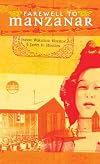
Wandering through a bookstore in California, I happened on a bright orange and yellow-covered book, calling out to me from the shelves. When I pulled it down, my breath caught as I read the title – [Farewell to Manzanar]. I brought it home and shelved it with the other non-fiction titles in my library, but it pulled at me when I walked by, urging me to reconnect with my father.
Compact and paperback, it was a perfect choice for a recent business trip. In the pressurized air, as I began to read it, I heard my father in Jeanne Wakatsuki Houston’s story, saw his own longing and search for a father he didn’t know.
[Farewell to Manzanar] is generally categorized as a story about the internment of Japanese American’s following the attack on Pearl Harbor – a cautionary tale about how fear can overcome basic honor and respect. But it’s so much more, if you listen.
Jeanne Wakatsuki was interned with her family at Manzanar, in a desert valley between two mountain ranges in eastern California. She was seven years old and she spent the next four years of her life in the camp. But her father was taken first to Fort Lincoln, falsely accused of aiding Japanese submarines off the California coast while fishing. When he joined his family at Manzanar, he was broken, changed. He arrived with a limp and a habit for the bottle. Wakatsuki longed to discover what had happened to her father, but it wasn’t until she begin writing [Farewell to Manzanar] that she started to understand that her father’s life ended at Manzanar, where her life began. She may have embarked on writing this book to tell her family’s story, and the country’s, but what she was really doing was giving voice to the search for her father, a man she didn’t know.
It’s no wonder that my own father found himself in the pages of Wakatsuki’s book, saw her search as his own. And reading [Farewell to Manzanar] helped me to understand him.
Bottom Line: Life in a Japanese internment camp – but also a search for a father.
5 bones!!!!! show less
Washed stones, forgotten clearing.”
--Jeanne Wakatsuki Houston
When my father was a boy, he learned that he’d been adopted by the man whom he’d thought was his father. Digging through a dusty trunk in his attic, he found legal documents that gave him the name he wore and the father he knew, but also uncovering an origin that had been hidden from him.
His mother was, by all accounts, a volatile woman – her siblings called her “the hornet” show more because her sting was quick and painful. She was a hard woman, and reticent to either acknowledge or divulge anything about his biological father. Over the years, he eventually learned from other relatives that she met Mr. Black – it was his name, but also a metaphor for much more – in a late 1920’s dance hall. He left her pregnant, taking whatever money he could get his hands hand on when he went.
Late in his life, after his mother died, my dad started quizzing other relatives for information about Mr. Black, and learned that he had a half-brother and half-sister. He reached out to them, curious about the man who would have been his father. Curious, too, about his other, unlived life, the one that you imagine still plays out, with another you – who isn’t really you, but a slightly better you, in a slightly better corner of the universe – with another family, another father who didn’t abandon you. It’s universal, sons and daughters searching for the person their parents used to be, if only a little more charged in those who’ve been disconnected from their bloodline.
Dad was a junior high school English teacher. He often brought a copy of the books he was teaching his students – [Romeo and Juliet] or [Shane]. Before teaching, he had served in reconstruction Japan after the bombs were dropped. What little he ever said about his war service, he always brightened up when he spoke about Japan and the Japanese people. So, it shouldn’t have been a surprise that he brought home a copy of [Farewell to Manzanar] when he introduced it to his class. Of course, I ignored it, like the other books Dad brought home, exiting the room quickly when he tried to talk to me about why it was important to him.
Wandering through a bookstore in California, I happened on a bright orange and yellow-covered book, calling out to me from the shelves. When I pulled it down, my breath caught as I read the title – [Farewell to Manzanar]. I brought it home and shelved it with the other non-fiction titles in my library, but it pulled at me when I walked by, urging me to reconnect with my father.
Compact and paperback, it was a perfect choice for a recent business trip. In the pressurized air, as I began to read it, I heard my father in Jeanne Wakatsuki Houston’s story, saw his own longing and search for a father he didn’t know.
[Farewell to Manzanar] is generally categorized as a story about the internment of Japanese American’s following the attack on Pearl Harbor – a cautionary tale about how fear can overcome basic honor and respect. But it’s so much more, if you listen.
Jeanne Wakatsuki was interned with her family at Manzanar, in a desert valley between two mountain ranges in eastern California. She was seven years old and she spent the next four years of her life in the camp. But her father was taken first to Fort Lincoln, falsely accused of aiding Japanese submarines off the California coast while fishing. When he joined his family at Manzanar, he was broken, changed. He arrived with a limp and a habit for the bottle. Wakatsuki longed to discover what had happened to her father, but it wasn’t until she begin writing [Farewell to Manzanar] that she started to understand that her father’s life ended at Manzanar, where her life began. She may have embarked on writing this book to tell her family’s story, and the country’s, but what she was really doing was giving voice to the search for her father, a man she didn’t know.
It’s no wonder that my own father found himself in the pages of Wakatsuki’s book, saw her search as his own. And reading [Farewell to Manzanar] helped me to understand him.
Bottom Line: Life in a Japanese internment camp – but also a search for a father.
5 bones!!!!! show less
Lists
Awards


You May Also Like
Associated Authors
Statistics
- Works
- 4
- Also by
- 8
- Members
- 3,356
- Popularity
- #7,603
- Rating
- 3.7
- Reviews
- 50
- ISBNs
- 47
- Languages
- 1