

Eric Walters
Author of The Rule of Three
About the Author
Series
Works by Eric Walters
Associated Works
Tagged
Common Knowledge
- Birthdate
- 1957
- Gender
- male
- Occupations
- teacher
- Nationality
- Canada
- Places of residence
- Toronto, Ontario, Canada
- Associated Place (for map)
- Ontario, Canada
Members
Reviews
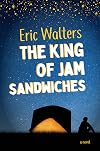
THE KING OF JAM SANDWICHES was a difficult and rewarding book to read. It is the story of Robbie, a thirteen-year-old boy whose family situation is precarious. One of Robbie's teachers asks Robbie to look out for Harmony, a new student with her own precarious living situation. Despite a rocky initial encounter, Robbie learns to trust Harmony — and here the novel gains so much depth and richness.
Author Eric Walters notes that he drew upon elements of his own life in writing this novel, and show more the subject matter certainly cuts close to the bone. Robbie's dad is angry, controlling, and in need of mental health support; the opening scene, where Robbie's dad drags Robbie out of bed in the middle of the night to alternately berate him and show him how to manage the household money in case Dad dies, is uncomfortable verging on brutal. Yet there is tremendous compassion and tenderness in Robbie, which Harmony gradually draws out, despite her own anger and prickliness. Robbie and Harmony could be played as a fun, comedic odd couple — and there are moments of laughter and comedy in the novel — but Walters takes their relationship to a much less clichéd and much more significant place. I found the ending surprising and moving — and hopeful, for those readers who need it.
THE KING OF JAM SANDWICHES recently won the 2020 Governor General’s Literary Award for Young People’s Literature – Text, a well-deserved recognition. If you're trying to build an inclusive and diverse classroom or school library, this is an important book to include. I'm glad I read this novel. show less
Author Eric Walters notes that he drew upon elements of his own life in writing this novel, and show more the subject matter certainly cuts close to the bone. Robbie's dad is angry, controlling, and in need of mental health support; the opening scene, where Robbie's dad drags Robbie out of bed in the middle of the night to alternately berate him and show him how to manage the household money in case Dad dies, is uncomfortable verging on brutal. Yet there is tremendous compassion and tenderness in Robbie, which Harmony gradually draws out, despite her own anger and prickliness. Robbie and Harmony could be played as a fun, comedic odd couple — and there are moments of laughter and comedy in the novel — but Walters takes their relationship to a much less clichéd and much more significant place. I found the ending surprising and moving — and hopeful, for those readers who need it.
THE KING OF JAM SANDWICHES recently won the 2020 Governor General’s Literary Award for Young People’s Literature – Text, a well-deserved recognition. If you're trying to build an inclusive and diverse classroom or school library, this is an important book to include. I'm glad I read this novel. show less
 This review was written for LibraryThing Early Reviewers.
Fantastic coming of age survival story which is realistic in its portrayl of what might happen (at least in the USA) if everything that relied on a computer chip and electricity suddenly stopped.
13 year old Jamie is in a plane that is about to take off when everything stops. His plane crashes at the end of the runway and he and the passengers and crew are all okay but are now stranded in an airport 1200 miles away from where they were supposed to be going.
The pilot takes charge and some of show more the passengers, Jamie and other people band together and work out after a few days that there is no communication and they must somehow get themselves home. Together they use an old stair chair (that runs on a solar battery) and some bikes and with the air marshal's gun set off.
They discover that some desperate people have blocked roads and with guns demanded food. Others are kind and share what they have. Along the way there are conflicts and unfortunately deaths but Jamie and the huge stray dog Godzilla that adopts him plough on, mile after mile; with the help of the pilot and a seasoned elderly doomsday prepper. Great story - great characters and lots of philosophical musings by Jamie as he grows up and wonders whether his parents will actually be alive if and when he gets to the end of his journey. show less
13 year old Jamie is in a plane that is about to take off when everything stops. His plane crashes at the end of the runway and he and the passengers and crew are all okay but are now stranded in an airport 1200 miles away from where they were supposed to be going.
The pilot takes charge and some of show more the passengers, Jamie and other people band together and work out after a few days that there is no communication and they must somehow get themselves home. Together they use an old stair chair (that runs on a solar battery) and some bikes and with the air marshal's gun set off.
They discover that some desperate people have blocked roads and with guns demanded food. Others are kind and share what they have. Along the way there are conflicts and unfortunately deaths but Jamie and the huge stray dog Godzilla that adopts him plough on, mile after mile; with the help of the pilot and a seasoned elderly doomsday prepper. Great story - great characters and lots of philosophical musings by Jamie as he grows up and wonders whether his parents will actually be alive if and when he gets to the end of his journey. show less
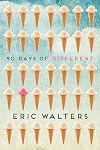
The word obnoxious sprang to mind too often throughout 90 Days Of Different.
It’s obnoxious that rather than support her alleged best friend, Ella sides with the ex-boyfriend in bluntly declaring Sophie boring. To me, a genuine friend in the immediate aftermath of their best friend being dumped would have said something along the lines of you don’t need to change who you are for anyone other than yourself, there’s nothing wrong with you, he just wasn’t right for you.
It’s obnoxious show more that Ella so resents her alleged best friend that she revels in any moment where Sophie isn’t at her most beautiful or succeeding. Would an actual friend want you to look bad so they could feel better about themselves? Or mock you for falling and injuring yourself?
It’s obnoxious when Ella tells Sophie she’ll be boring if she doesn’t drink.
I kept thinking surely somewhere towards the end of the book there will be an explanation for Ella’s behavior, something that leaves you with a feeling that going forward their friendship won’t be quite so toxic, but nope, that never happens. In fact, more often than not Sophie's the one apologizing to Ella and thanking her for the awful treatment.
It’s also obnoxious that because Sophie once had a bad experience working in a fast food restaurant, she and Ella take it out on the employees and customers of another fast food restaurant, belittling a man (who was nothing but kind) for being the manager of the restaurant as if that’s a job to be ashamed of, criticizing customers about their weight and making a mess that some other employee would have to clean up. So later in the book when Sophie is on the receiving end of body shaming, I didn’t feel the empathy I was supposed to feel for her, I felt like she got her just desserts. Maybe I’m old-fashioned since I don’t understand why anyone would “like” Sophie’s antics in the restaurant, and I definitely don’t understand a book implying that responsibility and kindness are the last things you should aspire to, while being incredibly disrespectful means you’re fun.
Maybe I could have gotten more on board with the 90 Days of Different premise had it taken Sophie’s revelation about her mother’s death and its affect on her and used that as the impetus for her summer-long quest rather than an ex-boyfriend and (should be ex) friend making Sophie feel so bad about herself that she thinks she has to change. I probably could have enjoyed it more had it been a quest of her choosing, not something she’s been shamed into, not something that’s about changing who she is but instead designed to explore who she is beyond the pseudo mom role she took on, and it wouldn’t have hurt had more of the activities on her list led to character growth and emotion.
The emotion was something I really found lacking in the execution of her activities, it always seemed so much less about what she was feeling and more about the research, the step-by-step of how the activity is done. There’s more telling than showing going on here and the structure (aside from the final few chapters) had such an episodic feel to it that there’s a lack of flow and arc.
I received this book through a giveaway. show less
It’s obnoxious that rather than support her alleged best friend, Ella sides with the ex-boyfriend in bluntly declaring Sophie boring. To me, a genuine friend in the immediate aftermath of their best friend being dumped would have said something along the lines of you don’t need to change who you are for anyone other than yourself, there’s nothing wrong with you, he just wasn’t right for you.
It’s obnoxious show more that Ella so resents her alleged best friend that she revels in any moment where Sophie isn’t at her most beautiful or succeeding. Would an actual friend want you to look bad so they could feel better about themselves? Or mock you for falling and injuring yourself?
It’s obnoxious when Ella tells Sophie she’ll be boring if she doesn’t drink.
I kept thinking surely somewhere towards the end of the book there will be an explanation for Ella’s behavior, something that leaves you with a feeling that going forward their friendship won’t be quite so toxic, but nope, that never happens. In fact, more often than not Sophie's the one apologizing to Ella and thanking her for the awful treatment.
It’s also obnoxious that because Sophie once had a bad experience working in a fast food restaurant, she and Ella take it out on the employees and customers of another fast food restaurant, belittling a man (who was nothing but kind) for being the manager of the restaurant as if that’s a job to be ashamed of, criticizing customers about their weight and making a mess that some other employee would have to clean up. So later in the book when Sophie is on the receiving end of body shaming, I didn’t feel the empathy I was supposed to feel for her, I felt like she got her just desserts. Maybe I’m old-fashioned since I don’t understand why anyone would “like” Sophie’s antics in the restaurant, and I definitely don’t understand a book implying that responsibility and kindness are the last things you should aspire to, while being incredibly disrespectful means you’re fun.
Maybe I could have gotten more on board with the 90 Days of Different premise had it taken Sophie’s revelation about her mother’s death and its affect on her and used that as the impetus for her summer-long quest rather than an ex-boyfriend and (should be ex) friend making Sophie feel so bad about herself that she thinks she has to change. I probably could have enjoyed it more had it been a quest of her choosing, not something she’s been shamed into, not something that’s about changing who she is but instead designed to explore who she is beyond the pseudo mom role she took on, and it wouldn’t have hurt had more of the activities on her list led to character growth and emotion.
The emotion was something I really found lacking in the execution of her activities, it always seemed so much less about what she was feeling and more about the research, the step-by-step of how the activity is done. There’s more telling than showing going on here and the structure (aside from the final few chapters) had such an episodic feel to it that there’s a lack of flow and arc.
I received this book through a giveaway. show less
This review was written for LibraryThing Early Reviewers.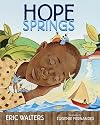
Beautifully illustrated and affectingly told, this picture book presents the story of Boniface, a young boy who lives at a rural Kenyan orphanage. He and some other children set off with water containers for a meagre, muddied spring that is serving many local people during a drought. It’s a long wait to fill water jugs, the water isn’t clean, and the women who are already queued up are hostile to the kids, telling them they might live in the area but don’t belong there. Boniface is show more respectful of his elders—mean as they are; he knows it’s not proper to answer back. In response to the women’s threats, he (as the eldest) directs the other children to return to the orphanage with him, their water containers sadly empty.
Feeling guilty about not doing what he was tasked to do and distressed by the hostile encounter with the local people, Boniface is unable to sleep that evening. He talks to his house parents, Henry and Ruth, who explain that the women’s meanness is actually fear. Perhaps there will be no water for their families.
Labourers have been digging a well for the orphanage for some time now. The hole is deep, but plainly needs to be deeper. It’s unclear if workers will actually succeed. Boniface tries to help in any way he can. When water is finally struck, he is troubled that the orphanage has something that the other local people do not.
He talks with Henry and the two come up with a plan . . . and, no, it’s not quite what you think.
This lovely, touching picture book with Eugenie Fernandes’s wonderful illustrations is based on actual events at an orphanage in Kenya, which the author was instrumental in building. There is a several-page explanatory note with photographs, including one of the real Boniface, at the conclusion.
Walters is a prolific writer of books for children and young adults. He’s a member of the Order of Canada. show less
Feeling guilty about not doing what he was tasked to do and distressed by the hostile encounter with the local people, Boniface is unable to sleep that evening. He talks to his house parents, Henry and Ruth, who explain that the women’s meanness is actually fear. Perhaps there will be no water for their families.
Labourers have been digging a well for the orphanage for some time now. The hole is deep, but plainly needs to be deeper. It’s unclear if workers will actually succeed. Boniface tries to help in any way he can. When water is finally struck, he is troubled that the orphanage has something that the other local people do not.
He talks with Henry and the two come up with a plan . . . and, no, it’s not quite what you think.
This lovely, touching picture book with Eugenie Fernandes’s wonderful illustrations is based on actual events at an orphanage in Kenya, which the author was instrumental in building. There is a several-page explanatory note with photographs, including one of the real Boniface, at the conclusion.
Walters is a prolific writer of books for children and young adults. He’s a member of the Order of Canada. show less
Lists
Awards


You May Also Like


Associated Authors
Statistics
- Works
- 133
- Also by
- 1
- Members
- 6,738
- Popularity
- #3,634
- Rating
- 3.8
- Reviews
- 371
- ISBNs
- 646
- Languages
- 5
- Favorited
- 6
