
Mary Barbera
Author of The Verbal Behavior Approach: How to Teach Children With Autism and Related Disorders
Works by Mary Barbera
The Verbal Behavior Approach: How to Teach Children With Autism and Related Disorders (2007) 68 copies, 2 reviews
Tagged
Common Knowledge
- Gender
- female
Members
Reviews
The Verbal Behavior Approach: How to Teach Children With Autism and Related Disorders by Mary Barbera
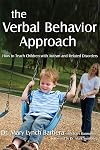
I bought The Verbal Behavior Approach: How to Teach Children With Autism and Related Disorders to get some insights into the ABA methodology my son's therapists use. Barbera became a BCBA after her son was diagnosed with autism, and she includes personal anecdotes in with her writing.
This book focuses on the practical and is a fairly quick read. Barbera stresses the importance of early diagnosis and intervention, ABA looks to saturate your child with as much therapy as possible (cost show more prohibitive for many). But she stresses the importance of parents as therapists, and this is something I have taken to heart.
"A parent is a typical child’s first and best teacher, and that’s even more true for parents of children with autism there really is no way for you to take a backseat and be just a parent."
"when asked how many hours per day a child should receive ABA/VB programming my answer is always 'during most or all of his waking hours.'"
She gives a brief overview of what ABA is and how it differs from other approaches. I have a better understanding of the definitions that ABA uses, such as receptive language versus expressive language.
"Two of the biggest misconceptions about the Verbal Behavior approach are that it is only useful for children who aren’t talking, and conversely that it is only useful for children who can speak. Neither is true."
I found most of the book to be unhelpful, however, as our child does talk and already does a lot of the basics that she focuses on. ABA is better for children who are not communicating much. We were told in our child's evaluation that we were already using some methods similar to ABA that we'd just come up with on our own, so maybe he's just adapted.
"less is more and the fewer words used, the easier it is for the child to process."
One tool I gleaned from this book is the importance of continual positive reinforcement. We incentivize our son heavily, and find that it works. Many times we may want to stop incentivizing him, when it needs to continue for a many more successes, however. She also gives some useful tips on potty training we probably need to implement. Another area that requires some changes on our part are using fewer words, and perhaps his name less (although he already responds well to his name).
I give this book 4 stars out of 5. If you have a young child with special needs and are wanting to learn about ABA, this is a great and encouraging place to start. show less
This book focuses on the practical and is a fairly quick read. Barbera stresses the importance of early diagnosis and intervention, ABA looks to saturate your child with as much therapy as possible (cost show more prohibitive for many). But she stresses the importance of parents as therapists, and this is something I have taken to heart.
"A parent is a typical child’s first and best teacher, and that’s even more true for parents of children with autism there really is no way for you to take a backseat and be just a parent."
"when asked how many hours per day a child should receive ABA/VB programming my answer is always 'during most or all of his waking hours.'"
She gives a brief overview of what ABA is and how it differs from other approaches. I have a better understanding of the definitions that ABA uses, such as receptive language versus expressive language.
"Two of the biggest misconceptions about the Verbal Behavior approach are that it is only useful for children who aren’t talking, and conversely that it is only useful for children who can speak. Neither is true."
I found most of the book to be unhelpful, however, as our child does talk and already does a lot of the basics that she focuses on. ABA is better for children who are not communicating much. We were told in our child's evaluation that we were already using some methods similar to ABA that we'd just come up with on our own, so maybe he's just adapted.
"less is more and the fewer words used, the easier it is for the child to process."
One tool I gleaned from this book is the importance of continual positive reinforcement. We incentivize our son heavily, and find that it works. Many times we may want to stop incentivizing him, when it needs to continue for a many more successes, however. She also gives some useful tips on potty training we probably need to implement. Another area that requires some changes on our part are using fewer words, and perhaps his name less (although he already responds well to his name).
I give this book 4 stars out of 5. If you have a young child with special needs and are wanting to learn about ABA, this is a great and encouraging place to start. show less
The Verbal Behavior Approach: How to Teach Children With Autism and Related Disorders by Mary Barbera
This is a really helpful overview of the Verbal Behavior approach to ABA. It's aimed at both professionals and parents--I think it will be most useful to people who have some knowledge of ABA, but not necessarily pros. The technical language is well explained, but someone with no previous knowledge may get a little lost in the jargon.
Statistics
- Works
- 1
- Members
- 68
- Popularity
- #253,410
- Rating
- 4.6
- Reviews
- 2
- ISBNs
- 5