
Paulo Scott
Author of Nowhere People
About the Author
Image credit: via Almanaque Literario
Works by Paulo Scott
Ainda orangotangos 3 copies
Associated Works
Im Flug der Harpyie: Indigene Poesie und Prosa aus dem brasilianischen Regenwald (2015) — Foreword — 1 copy
Tagged
Common Knowledge
- Birthdate
- 1966
- Gender
- male
- Nationality
- Brazil
- Birthplace
- Porto Alegre, Rio Grande do Sul, Brazil
- Associated Place (for map)
- Rio Grande do Sul, Brazil
Members
Reviews

Contigo
teu nome na água filme desta semana
gesso expulso dos braços derretendo no mar
sal que mordisca deixando sua cópia
na brancura emparedada
e na brancura suor
deste outro mar que não secou
longe da água estou preso na tua água
teu nome, ainda filme, muitos filmes
luz (e telão) de um céu prático (e partido)
dentro do teu modo alegria
estantes recatalogadas
a partir de um inavegável azul
e deste teu coração
precisando ouvir histórias
para bater
para euforia
e eu – pano pesado tapete do teu show more mar
sem cor e sem dedicatória
contando o meu pouquinho de rádio
fisgado, dentro do teu pouquinho
(tantão) de amor
som de lavanderia, pedidos de acertar
estou preso na tua água
derrete-me teu olho azul show less
teu nome na água filme desta semana
gesso expulso dos braços derretendo no mar
sal que mordisca deixando sua cópia
na brancura emparedada
e na brancura suor
deste outro mar que não secou
longe da água estou preso na tua água
teu nome, ainda filme, muitos filmes
luz (e telão) de um céu prático (e partido)
dentro do teu modo alegria
estantes recatalogadas
a partir de um inavegável azul
e deste teu coração
precisando ouvir histórias
para bater
para euforia
e eu – pano pesado tapete do teu show more mar
sem cor e sem dedicatória
contando o meu pouquinho de rádio
fisgado, dentro do teu pouquinho
(tantão) de amor
som de lavanderia, pedidos de acertar
estou preso na tua água
derrete-me teu olho azul show less

Simply put, phenotypes are the outward expression of genetic characteristics.
In 2012 the Brazilian government, in an effort to increase enrolment in post secondary education, set up a quota system for people of black, brown, and indigenous heritage. The problem for the system was that many Brazilians could claim some ancestry in one or more of these groups, no matter how white they might appear. Identification based on self reporting only would not work, so a system was needed to establish show more eligibility.
This is how we meet our protagonist, 49 year old Federico, nominated along with eight others by no less a personage than the President of the Republic to sit on a commission to develop an Appeals Authority. This authority would be aided by software which the commission was to develop; software which would determine who was eligible for a quota, and in which group, based on measurable characteristics rather than self identification. When the commissioners learned the details of their project, objections were fast and furious.
Alternating with this over achieving group activity, is the story of an event in Federico's teenage years. He might be a successful policy wonk in Brasilia now, but his life back in working class Porto Alegre had given no indication this would be the case. There he had had one advantage though; people took him for white. On the other hand, they took his bother Laurenco for black, no matter how much the children protested that they were brothers. Kids on the street, like kids anywhere, interacted in terms of their own identities.
Possibly the only way to make sense of this novel is to just read it, for any description is bound to offend someone. Translator Daniel Hahn provides an excellent discussion of the difficulties of translating what he calls "tonal valence", based on history, culture, and power structures. That means ... a word like 'mulatto' has good historical reasons for being quite different in Brazil or Portugal, and, for example the US.
Hahn's Portuguese, like Scott's, is Brazilian Portuguese, which differs widely from the Portuguese of Portugal. Hahn says
Complicating his translation is the fact that the same language, in this case English, is used differently not only in different countries, but in different communities within these countries. The book's very Portuguese title, Marrom e Amarelo, brown and yellow, used to describe the brothers, would not work in English translation, given their English connotations, which are not at all the same as the Brazilian ideas.
All this aside, the novel is at once a satiric look at governmental and nongovernmental policy making, and the more serious story of how the past can come back to haunt, all wrapped up in a well worthwhile insider's look at Brazil today. show less
In 2012 the Brazilian government, in an effort to increase enrolment in post secondary education, set up a quota system for people of black, brown, and indigenous heritage. The problem for the system was that many Brazilians could claim some ancestry in one or more of these groups, no matter how white they might appear. Identification based on self reporting only would not work, so a system was needed to establish show more eligibility.
This is how we meet our protagonist, 49 year old Federico, nominated along with eight others by no less a personage than the President of the Republic to sit on a commission to develop an Appeals Authority. This authority would be aided by software which the commission was to develop; software which would determine who was eligible for a quota, and in which group, based on measurable characteristics rather than self identification. When the commissioners learned the details of their project, objections were fast and furious.
Alternating with this over achieving group activity, is the story of an event in Federico's teenage years. He might be a successful policy wonk in Brasilia now, but his life back in working class Porto Alegre had given no indication this would be the case. There he had had one advantage though; people took him for white. On the other hand, they took his bother Laurenco for black, no matter how much the children protested that they were brothers. Kids on the street, like kids anywhere, interacted in terms of their own identities.
Possibly the only way to make sense of this novel is to just read it, for any description is bound to offend someone. Translator Daniel Hahn provides an excellent discussion of the difficulties of translating what he calls "tonal valence", based on history, culture, and power structures. That means ... a word like 'mulatto' has good historical reasons for being quite different in Brazil or Portugal, and, for example the US.
Hahn's Portuguese, like Scott's, is Brazilian Portuguese, which differs widely from the Portuguese of Portugal. Hahn says
For the purposes of this novel, Brazil's cultural-linguistic particularity is especially striking when talking about race, and when talking about talking about race. That conversation is central to the book, and was something over which as a translator - and not least as a white translator - I knew I needed to take the greatest care.
Complicating his translation is the fact that the same language, in this case English, is used differently not only in different countries, but in different communities within these countries. The book's very Portuguese title, Marrom e Amarelo, brown and yellow, used to describe the brothers, would not work in English translation, given their English connotations, which are not at all the same as the Brazilian ideas.
All this aside, the novel is at once a satiric look at governmental and nongovernmental policy making, and the more serious story of how the past can come back to haunt, all wrapped up in a well worthwhile insider's look at Brazil today. show less
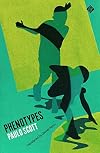
The swirling complicated coexistence of a mixed-race society and racism in Brazil, spanning about 40 years, told by a narrator who though mixed race has had significant privilege in his upbringing. It is also about multigenerational consequences of our actions, or in this case reactions against racism and classism. The writing cuts back and forward through time with no markers, what little punctuation there is varies in its value, and speakers are not always identified or clear. The novel show more strives for a viscerality that is largely achieved, though not on the level of, say, Marlon James. This is less extreme and more middle class, though surrounded by poverty and still involving plenty of violence. Surviving as a mixed race individual in the swirling dynamics of Brazilian politics and social problems is captured very well. show less
Longlisted for the International Booker Prize 2022
I have read very little Brazilian literature, which is surprising given its size and population, so it was good to see this Brazilian book on the International Booker longlist. It is not the easiest of reads, as it is written in long sentences and paragraphs, and much of the subject matter focuses on the nuances of racial identity politics in Brazil. As the translator Daniel Hahn explains in his afterword the politics of language made this show more rather a difficult task to translate, which in my opinion he handled pretty well, though the English title is has a much more intimidating air of academica than the Portuguese original Marrom e Amarelo.
The narrator, like the writer, comes from the Southern city of Porto Alegre, and has been working in Brasilia on a government panel reviewing the implementation of racial quota laws for students. He is called back to his home city by a family crisis involving his darker skinned brother, whose teenage daughter is in prison having taken a gun, which the two brothers helped to hide for a friend many years earlier, to a demonstration.
An interesting read, but probably not a book I could recommend wholeheartedly. show less
I have read very little Brazilian literature, which is surprising given its size and population, so it was good to see this Brazilian book on the International Booker longlist. It is not the easiest of reads, as it is written in long sentences and paragraphs, and much of the subject matter focuses on the nuances of racial identity politics in Brazil. As the translator Daniel Hahn explains in his afterword the politics of language made this show more rather a difficult task to translate, which in my opinion he handled pretty well, though the English title is has a much more intimidating air of academica than the Portuguese original Marrom e Amarelo.
The narrator, like the writer, comes from the Southern city of Porto Alegre, and has been working in Brasilia on a government panel reviewing the implementation of racial quota laws for students. He is called back to his home city by a family crisis involving his darker skinned brother, whose teenage daughter is in prison having taken a gun, which the two brothers helped to hide for a friend many years earlier, to a demonstration.
An interesting read, but probably not a book I could recommend wholeheartedly. show less
Lists
Awards


You May Also Like
Associated Authors
Statistics
- Works
- 15
- Also by
- 1
- Members
- 185
- Popularity
- #117,259
- Rating
- 3.7
- Reviews
- 5
- ISBNs
- 26
- Languages
- 4