
Kathryn Kuitenbrouwer
Author of All the Broken Things
Works by Kathryn Kuitenbrouwer
Associated Works
Significant Objects: 100 Extraordinary Stories about Ordinary Things (2012) — Contributor — 65 copies, 1 review
Tagged
Common Knowledge
Members
Reviews
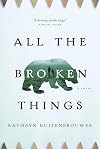
I was very much minded of Rohinton Mistry's novels when reading Kuitenbrower's All the Broken Things, albeit we've changed from writing about the tragedies of India's people to the tragedy of Canada's.
In this case Kuitenbrower tells a deftly-crafted tale of a Vietnamese mother, son and daughter who are refugees just after the infamous civil war that ravaged their country. Not only are they victims of the war, but of that deadly and devastating chemical known as Agent Orange, large quantities show more of which were produced in Grimsby, Ontario, by Uniroyal.
The story centres around the boy, Bo, who attempts to find the strength and compassion to not only deal with his mother who is rapidly sinking into depression, extreme poverty and the effects of Agent Orange, but his sister who was born grotesquely deformed because of the chemical.
It is also a story about freaks and misfits who find a home in the carnivals and sideshows that toured southern Ontario, and were featured at the Canadian National Exhibition.
So it is a story about broken people, broken in body and spirit. It is a story about broken morality. Broken promises. Broken trust.
And it is utterly, completely mesmerizing in the simplicity and beauty of Kuitenbrower's phrasing and story-telling ability.
Highly recommended. show less
In this case Kuitenbrower tells a deftly-crafted tale of a Vietnamese mother, son and daughter who are refugees just after the infamous civil war that ravaged their country. Not only are they victims of the war, but of that deadly and devastating chemical known as Agent Orange, large quantities show more of which were produced in Grimsby, Ontario, by Uniroyal.
The story centres around the boy, Bo, who attempts to find the strength and compassion to not only deal with his mother who is rapidly sinking into depression, extreme poverty and the effects of Agent Orange, but his sister who was born grotesquely deformed because of the chemical.
It is also a story about freaks and misfits who find a home in the carnivals and sideshows that toured southern Ontario, and were featured at the Canadian National Exhibition.
So it is a story about broken people, broken in body and spirit. It is a story about broken morality. Broken promises. Broken trust.
And it is utterly, completely mesmerizing in the simplicity and beauty of Kuitenbrower's phrasing and story-telling ability.
Highly recommended. show less
*This review originally appeared here, on Buried In Print.
If she were to tell the story again, it would be a little different.
You might wonder how, because Bo's story seems all-of-a-piece, powerful just as it is, at once archetypal and unique.
"No one knows. But one thing is true. Whenever someone retells a story, bits get added and bits get lost."
Does this mean the story is broken?
Is there some pure version back at the beginning?
And what of the hero's responsibility to the tale?
The hero in show more All the Broken Things is Bo.
Readers meet him on the novel's first page.
“'But, children, really, what makes a hero a hero?'
'He’s someone who loves so much, he does valiant deeds,'” says a schoolgirl in Bo's class.
Our boy-hero loves his sister, Orange, and his mother, Thao (Rose), and his bear, Bear. He loves so much.
And he performs valiant deeds.
But there is a question of how valiant those deeds are.
Sometimes the deeds appear valiant to an audience, but the performers are aware that they are not.
For instance, Bo wrestles bears on the carnival circuit; it is a charade - a choreographed and tightly controlled exercise - which entertains and awes those who believe it is wrestling.
Sometimes the deeds do not appear to be valiant, and there is no appreciative audience to suggest otherwise.
For instance, he dutifully and loyally cares for Orange - whose exposure to Agent Orange in utero has dramatically impacted her appearance and capacity - but only his mother is aware of this responsibility and she, too, simply accepts it as a necessary element of everyday life.
For readers, Bo is valiant from the beginning. The novel's opening scene is charming, simultaneously revealing both courage and innocence. Sensorily rich (particularly in touch and taste), the situation is simple and the language uncomplicated, and Bo takes shape as a hero.
But with and without an audience, Bo is an actor. Literally, in the school play - in which he is cast as the hero, Orfeo - and sometimes he acts like someone he is not in other ways (whether fighting a neighbourhood bully, or hiding his affection for a girl).
This is an important question: what is a performance, and what is real.
Even Bo isn't entirely sure what is real. Some of the horrifying events of his young life seem like a dream. Or maybe he just wants to think they were a dream.
"And now they’d lived here for years, and it was like a dream where some things were real but you were never sure."
To complicate the matter further, there is a distinction between what one chooses to see and what one pretends not to see.
Sometimes it is difficult to see anything at all.
"The ocean housed another world you couldn’t see unless it came to the surface, or where the water was very shallow."
Sometimes the trees get in the way. Just as Orfeo enters the underworld, Bo enters the undergrowth; he disappears into the forest for a time, when someone he loves is missing. (The Greek myth of Orpheus and Eurydice has many versions, but this seems to be consistent.) As in the mythic story, people Bo loves can vanish.
Sometimes it is difficult to understand, to articulate what might have happened, what might be real.
"Always between them there were questions, but never were these questions asked. For Bo it was as if the air thickened in the space between his thought and his voice."
There is a sense of Bo caught between two states, a sense of enchantment at work."There was a charmed waiting between them."
The hero, Orfeo, is known for charming people with his music. He is capable of greatness.
When Rose reads the story, she is puzzled: “It says: ‘I rode into a rock, and went three miles or more.’ How can this be? How can a person ride into a rock?”
In many ways, Rose, too, is pretending. She adopts another name. She is suffering in ways that she does not articulate to her son. She represents herself in a particular light to a man who offers the family a degree of security.
She looms large in Bo's world as his mother, but in the wider world she holds another shape. "She did not look small; she looked smaller than that. She looked like a drawing of a person."
Drawings and photographs, carnivals and plays, legends and histories, wooded pathways and midways, pools and caves: they all contain stories, hint at other versions.
How do we see the people in these stories, identify the heroes and the monsters?
"If a person thought that humans only came in one shape, then they were fascinated by these [Other] beings. It was as simple as that."
In some ways, All the Broken Things, could be seen as exploring the idea of difference. But it is, simultaneously, an exploration of the shared.
Fighting, gesturing, swimming: sisters and bears alike do these things. And a call for valiant deeds might be a call for simple acceptance. A fracture is not necessarily a break.
Should the broken - the Other - be reshaped?
"It was the shame Teacher conveyed, by trying to fix things. He wanted to shout that these things were just broken. He wanted her to understand about the pride of broken things."
Or should the Other simply be allowed to be?
“'The world is perfect in its own way. As perfect as anything.'”
Perhaps there is a risk in either case: one might exploit, but one might also overlook possibilities.
Perhaps they are merely versions of the same story. Perhaps all the broken bits of some other story have simply been reassembled.
Kathryn Kuitenbrouwer is ringmaster and dancing bear, orchestrator and performer. All the Broken Things is enchanting and painfully real, truth dressed in a charade. show less
If she were to tell the story again, it would be a little different.
You might wonder how, because Bo's story seems all-of-a-piece, powerful just as it is, at once archetypal and unique.
"No one knows. But one thing is true. Whenever someone retells a story, bits get added and bits get lost."
Does this mean the story is broken?
Is there some pure version back at the beginning?
And what of the hero's responsibility to the tale?
The hero in show more All the Broken Things is Bo.
Readers meet him on the novel's first page.
“'But, children, really, what makes a hero a hero?'
'He’s someone who loves so much, he does valiant deeds,'” says a schoolgirl in Bo's class.
Our boy-hero loves his sister, Orange, and his mother, Thao (Rose), and his bear, Bear. He loves so much.
And he performs valiant deeds.
But there is a question of how valiant those deeds are.
Sometimes the deeds appear valiant to an audience, but the performers are aware that they are not.
For instance, Bo wrestles bears on the carnival circuit; it is a charade - a choreographed and tightly controlled exercise - which entertains and awes those who believe it is wrestling.
Sometimes the deeds do not appear to be valiant, and there is no appreciative audience to suggest otherwise.
For instance, he dutifully and loyally cares for Orange - whose exposure to Agent Orange in utero has dramatically impacted her appearance and capacity - but only his mother is aware of this responsibility and she, too, simply accepts it as a necessary element of everyday life.
For readers, Bo is valiant from the beginning. The novel's opening scene is charming, simultaneously revealing both courage and innocence. Sensorily rich (particularly in touch and taste), the situation is simple and the language uncomplicated, and Bo takes shape as a hero.
But with and without an audience, Bo is an actor. Literally, in the school play - in which he is cast as the hero, Orfeo - and sometimes he acts like someone he is not in other ways (whether fighting a neighbourhood bully, or hiding his affection for a girl).
This is an important question: what is a performance, and what is real.
Even Bo isn't entirely sure what is real. Some of the horrifying events of his young life seem like a dream. Or maybe he just wants to think they were a dream.
"And now they’d lived here for years, and it was like a dream where some things were real but you were never sure."
To complicate the matter further, there is a distinction between what one chooses to see and what one pretends not to see.
Sometimes it is difficult to see anything at all.
"The ocean housed another world you couldn’t see unless it came to the surface, or where the water was very shallow."
Sometimes the trees get in the way. Just as Orfeo enters the underworld, Bo enters the undergrowth; he disappears into the forest for a time, when someone he loves is missing. (The Greek myth of Orpheus and Eurydice has many versions, but this seems to be consistent.) As in the mythic story, people Bo loves can vanish.
Sometimes it is difficult to understand, to articulate what might have happened, what might be real.
"Always between them there were questions, but never were these questions asked. For Bo it was as if the air thickened in the space between his thought and his voice."
There is a sense of Bo caught between two states, a sense of enchantment at work."There was a charmed waiting between them."
The hero, Orfeo, is known for charming people with his music. He is capable of greatness.
When Rose reads the story, she is puzzled: “It says: ‘I rode into a rock, and went three miles or more.’ How can this be? How can a person ride into a rock?”
In many ways, Rose, too, is pretending. She adopts another name. She is suffering in ways that she does not articulate to her son. She represents herself in a particular light to a man who offers the family a degree of security.
She looms large in Bo's world as his mother, but in the wider world she holds another shape. "She did not look small; she looked smaller than that. She looked like a drawing of a person."
Drawings and photographs, carnivals and plays, legends and histories, wooded pathways and midways, pools and caves: they all contain stories, hint at other versions.
How do we see the people in these stories, identify the heroes and the monsters?
"If a person thought that humans only came in one shape, then they were fascinated by these [Other] beings. It was as simple as that."
In some ways, All the Broken Things, could be seen as exploring the idea of difference. But it is, simultaneously, an exploration of the shared.
Fighting, gesturing, swimming: sisters and bears alike do these things. And a call for valiant deeds might be a call for simple acceptance. A fracture is not necessarily a break.
Should the broken - the Other - be reshaped?
"It was the shame Teacher conveyed, by trying to fix things. He wanted to shout that these things were just broken. He wanted her to understand about the pride of broken things."
Or should the Other simply be allowed to be?
“'The world is perfect in its own way. As perfect as anything.'”
Perhaps there is a risk in either case: one might exploit, but one might also overlook possibilities.
Perhaps they are merely versions of the same story. Perhaps all the broken bits of some other story have simply been reassembled.
Kathryn Kuitenbrouwer is ringmaster and dancing bear, orchestrator and performer. All the Broken Things is enchanting and painfully real, truth dressed in a charade. show less
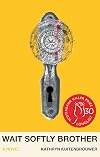
Kathryn, the protagonist of Kuitenbrouwer’s 2023 Giller Prize nominated novel, flees her marriage and teenaged sons in Toronto for her elderly parents’ eastern Ontario home. It’s the place where she and her sisters grew up, an old stone dwelling built by her ancestors, full of history, stories, and memories. Kathryn, a writer, hasn’t been able to move forward with her current project: a piece of auto fiction about her dead brother. She’s long been told that Wulf, the sibling who show more came before her, was stillborn, but she is driven to know more. When her parents hear about their daughter’s book, they wonder how she could possibly write about a person who never actually lived. Indirectly, it turns out.
During Kathryn’s stay in eastern Ontario, there are intense spring rains that cause unprecedented, even apocalyptic, regional flooding. Cooped up indoors with her parents, she probes them for information about Wulf. They aren’t just displeased about this; they are committed to obstruction and regularly press their daughter to return to Toronto where her duty lies. Refusing to go back to her moribund marriage, Kathryn does agree to make herself useful. She helps her mum sort through multitudinous cast-off objects, including boxes of photos and documents, that have accumulated over the generations in both the cellar and an old pig shed. As she and her mother sift through these old things, Kathryn hears stories about her ancestors. One kept a diary. Another, a bride from Scotland who was always pining for the sea, was said to be a selkie. The woman had webbed fingers, just as Kathryn does. Of greatest interest to the protagonist, however, are details about her great-great-grandfather, Russell Boyt. During the American Civil War, he had signed on as a soldier substitute for a wealthy American prosthesis maker, believing the money earned for performing military duty for another would gain him financial independence from his harsh and disapproving father. A medical student who was mentally ill before he set foot on the battlefield, Boyt evidently grew more unhinged from exposure to the carnage. He also became physically disabled: a leg had to be amputated. Diagnosed with Soldier’s Heart—now known as PTSD—he murdered a freed slave woman while in the throes of psychosis.
By researching and imaginatively immersing herself in Boyt’s story, Kathryn believes she can “by indirections find directions out”. While she doesn’t create the auto fiction about her brother she intended to, in writing a biographical novel about Russell Boyt, she does intuitively uncover a family secret and comes to understand why she has been haunted by her dead sibling all these years. Whether the entire novel is auto fiction based on the life of the actual author, Kathryn Kuitenbrouwer, is not clear.
Wait Softly Brother has been structured to shift back and forth between the main character’s story in the present and her ancestor Russell Boyt’s experiences in the mid-to-late 1860s. There are also a few chapters from the point of view of a young orphan connected with Boyt.
Kuitenbrouwer’s is an interesting and unusual novel, but I often found the writing strange, clumsy, and even amateurish. One might excuse the awkward execution of the sections written from Boyt’s point of view. These chapters are, after all, parts of a first draft which the protagonist works on late at night while at her parents’ home. Even so, Boyt’s diction still sounds distractingly modern, the prose too loose, casual, or inappropriate for the 1860s. For example, one character uses the word “genocide”—a term that would not be coined until the mid 1940s by Polish-Jewish lawyer Raphael Lemkin. As for chapters concerning the protagonist, Kathryn: they ought to have provided a little more detail about her marital troubles. For the sake of credibility, it also wouldn’t have hurt for Kuitenbrouwer to have toned down her namesake’s almost total self-absorption. Instead, the protagonist arrives unannounced at her parents’ home, unrealistically expecting to be understood and indefinitely accommodated by people in their mid-eighties. I couldn’t buy that a middle-aged adult would be so little concerned about her mother’s illness and fairly sudden cognitive impairment. It also didn’t ring true that a grown woman would walk off in an adolescent huff and slam doors when her parents didn’t or wouldn’t deliver the details she was after. While it’s certainly true that adult children can find themselves regressing to former roles when in the company of their family of origin, I found Kathryn’s behaviour hard to believe. Her dedication to “finding” herself is paramount, and she appears constitutionally incapable of understanding that others may not be as invested in her voyage of self-discovery as she is. She really is quite tiresome.
I liked the book well enough to complete it, but not enough to wholeheartedly recommend it.Had there been more nuanced characterization and more careful prose, Wait Softly Brother might have been an exceptional novel rather than a merely interesting one. show less
During Kathryn’s stay in eastern Ontario, there are intense spring rains that cause unprecedented, even apocalyptic, regional flooding. Cooped up indoors with her parents, she probes them for information about Wulf. They aren’t just displeased about this; they are committed to obstruction and regularly press their daughter to return to Toronto where her duty lies. Refusing to go back to her moribund marriage, Kathryn does agree to make herself useful. She helps her mum sort through multitudinous cast-off objects, including boxes of photos and documents, that have accumulated over the generations in both the cellar and an old pig shed. As she and her mother sift through these old things, Kathryn hears stories about her ancestors. One kept a diary. Another, a bride from Scotland who was always pining for the sea, was said to be a selkie. The woman had webbed fingers, just as Kathryn does. Of greatest interest to the protagonist, however, are details about her great-great-grandfather, Russell Boyt. During the American Civil War, he had signed on as a soldier substitute for a wealthy American prosthesis maker, believing the money earned for performing military duty for another would gain him financial independence from his harsh and disapproving father. A medical student who was mentally ill before he set foot on the battlefield, Boyt evidently grew more unhinged from exposure to the carnage. He also became physically disabled: a leg had to be amputated. Diagnosed with Soldier’s Heart—now known as PTSD—he murdered a freed slave woman while in the throes of psychosis.
By researching and imaginatively immersing herself in Boyt’s story, Kathryn believes she can “by indirections find directions out”. While she doesn’t create the auto fiction about her brother she intended to, in writing a biographical novel about Russell Boyt, she does intuitively uncover a family secret and comes to understand why she has been haunted by her dead sibling all these years. Whether the entire novel is auto fiction based on the life of the actual author, Kathryn Kuitenbrouwer, is not clear.
Wait Softly Brother has been structured to shift back and forth between the main character’s story in the present and her ancestor Russell Boyt’s experiences in the mid-to-late 1860s. There are also a few chapters from the point of view of a young orphan connected with Boyt.
Kuitenbrouwer’s is an interesting and unusual novel, but I often found the writing strange, clumsy, and even amateurish. One might excuse the awkward execution of the sections written from Boyt’s point of view. These chapters are, after all, parts of a first draft which the protagonist works on late at night while at her parents’ home. Even so, Boyt’s diction still sounds distractingly modern, the prose too loose, casual, or inappropriate for the 1860s. For example, one character uses the word “genocide”—a term that would not be coined until the mid 1940s by Polish-Jewish lawyer Raphael Lemkin. As for chapters concerning the protagonist, Kathryn: they ought to have provided a little more detail about her marital troubles. For the sake of credibility, it also wouldn’t have hurt for Kuitenbrouwer to have toned down her namesake’s almost total self-absorption. Instead, the protagonist arrives unannounced at her parents’ home, unrealistically expecting to be understood and indefinitely accommodated by people in their mid-eighties. I couldn’t buy that a middle-aged adult would be so little concerned about her mother’s illness and fairly sudden cognitive impairment. It also didn’t ring true that a grown woman would walk off in an adolescent huff and slam doors when her parents didn’t or wouldn’t deliver the details she was after. While it’s certainly true that adult children can find themselves regressing to former roles when in the company of their family of origin, I found Kathryn’s behaviour hard to believe. Her dedication to “finding” herself is paramount, and she appears constitutionally incapable of understanding that others may not be as invested in her voyage of self-discovery as she is. She really is quite tiresome.
I liked the book well enough to complete it, but not enough to wholeheartedly recommend it.Had there been more nuanced characterization and more careful prose, Wait Softly Brother might have been an exceptional novel rather than a merely interesting one. show less
What a disappointing book! The plot, outlandish at best, might have been interesting with some gripping themes such as the impacts of Agent Orange and of the Vietnam War itself, had the characters not been so flat and linear. Bo, as the main character, seems to have only one emotion: anger, and the people who ebb in and out are so secondary that the reader has no chance to get to know them. They seem to reside in the outskirts of Bo's blinders, mere shadows to his obsessions.
Had Bo evolved show more or learned anything from his ordeals, I might have developed some kind of sympathy, but as it is, I left him in the last chapter with no friends, no home, no family and I just didn't care.
There are glimmers of potential here and there, and the light, quick read makes this book accessible entertainment, but its value stops there. show less
Had Bo evolved show more or learned anything from his ordeals, I might have developed some kind of sympathy, but as it is, I left him in the last chapter with no friends, no home, no family and I just didn't care.
There are glimmers of potential here and there, and the light, quick read makes this book accessible entertainment, but its value stops there. show less
Awards


You May Also Like
Associated Authors
Statistics
- Works
- 6
- Also by
- 6
- Members
- 105
- Popularity
- #183,190
- Rating
- 3.8
- Reviews
- 10
- ISBNs
- 12
- Favorited
- 1